
-
Read 1.3K
-
0
-
Part 90
Completed, First published Mar 02, 2026
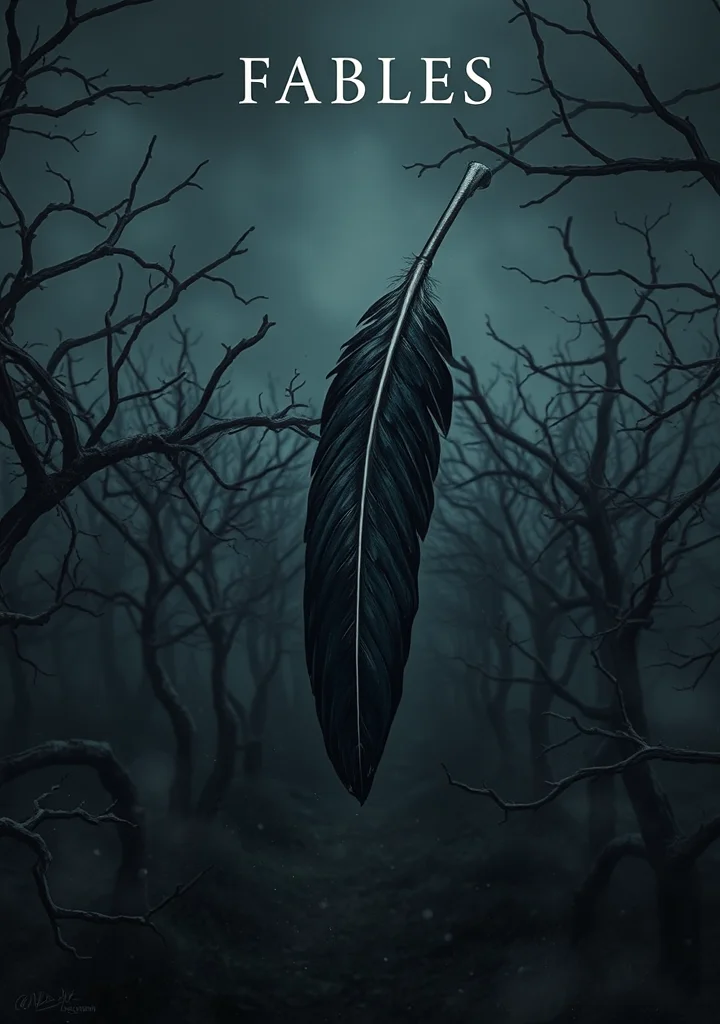
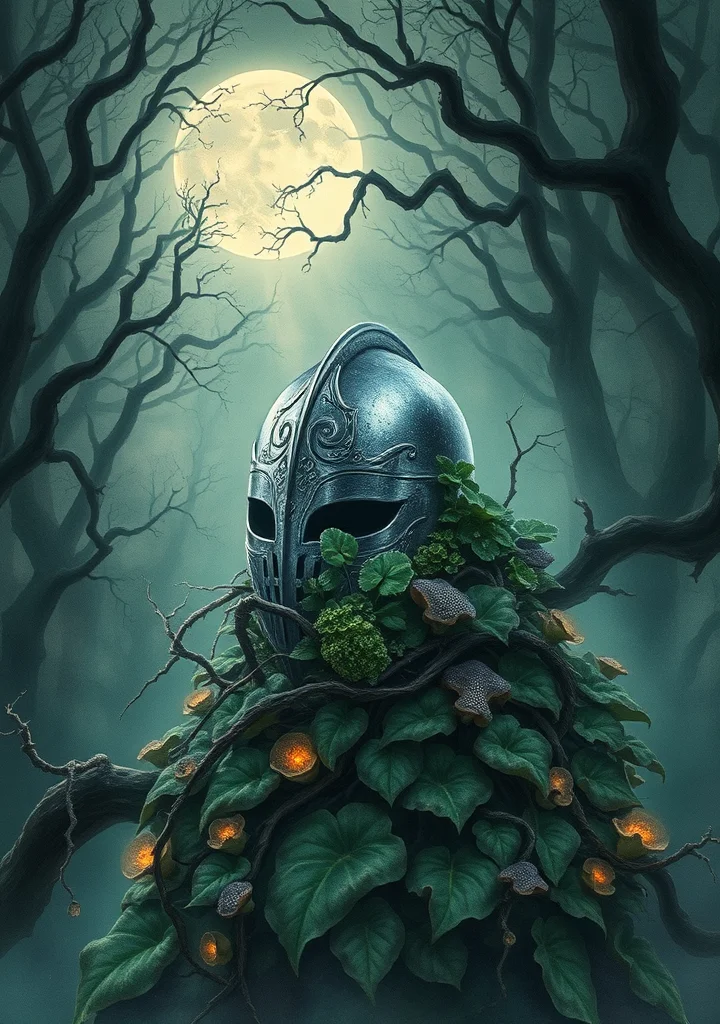
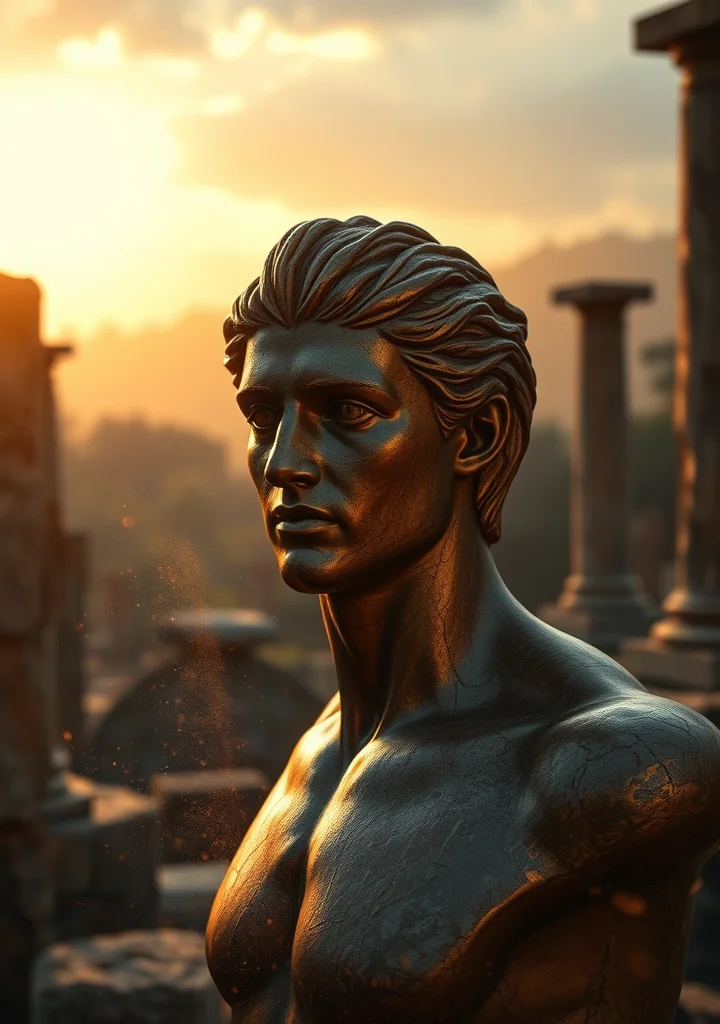
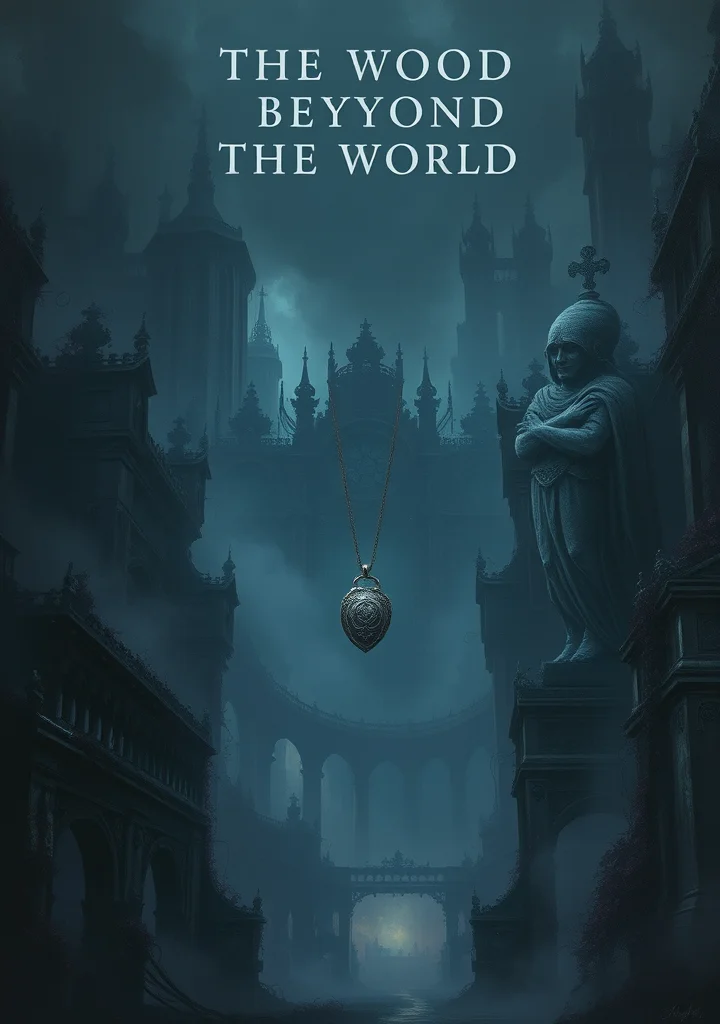
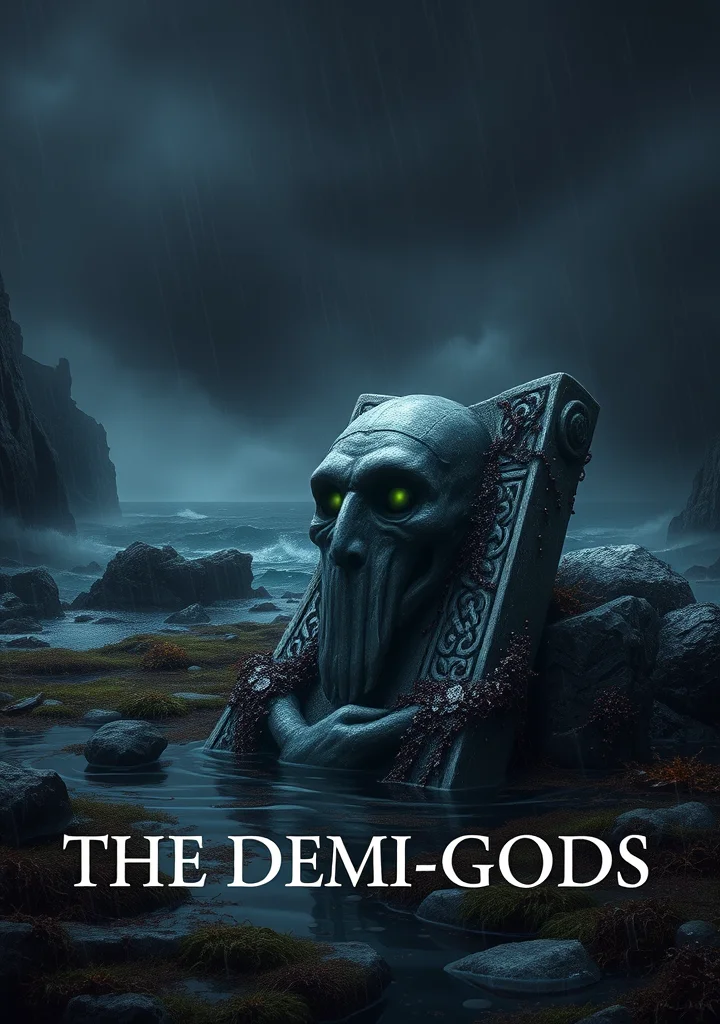
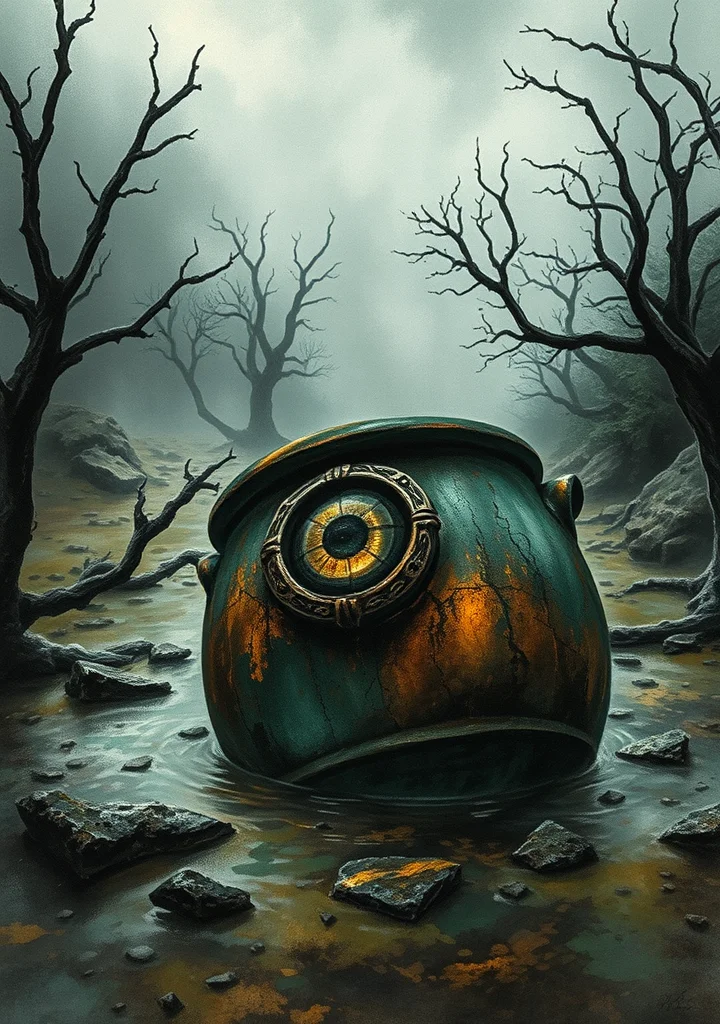
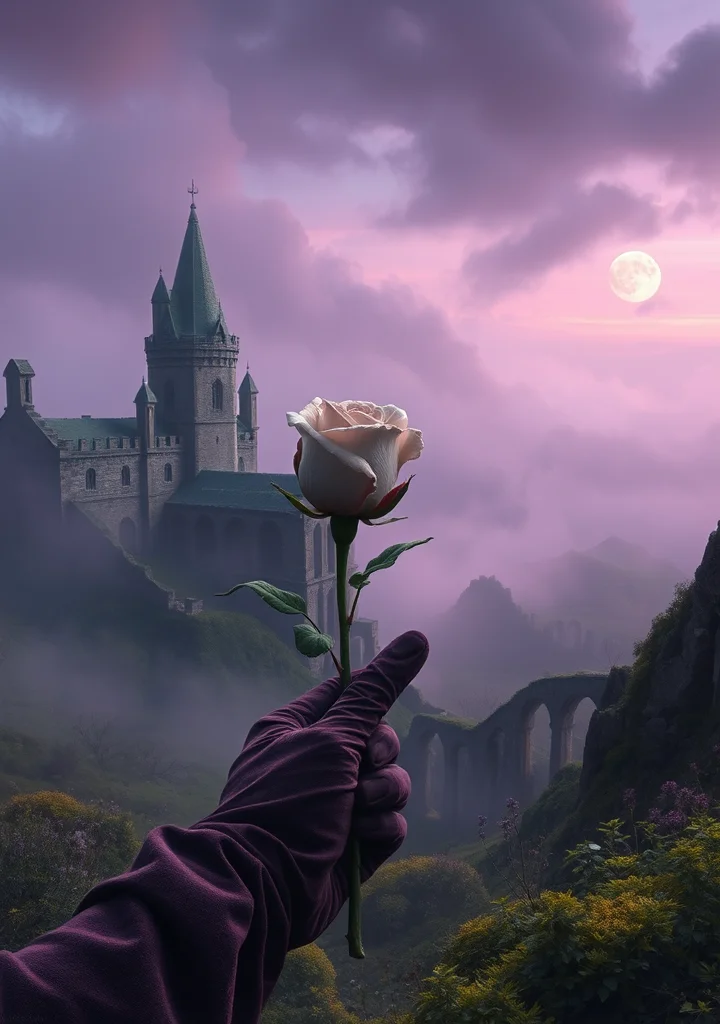
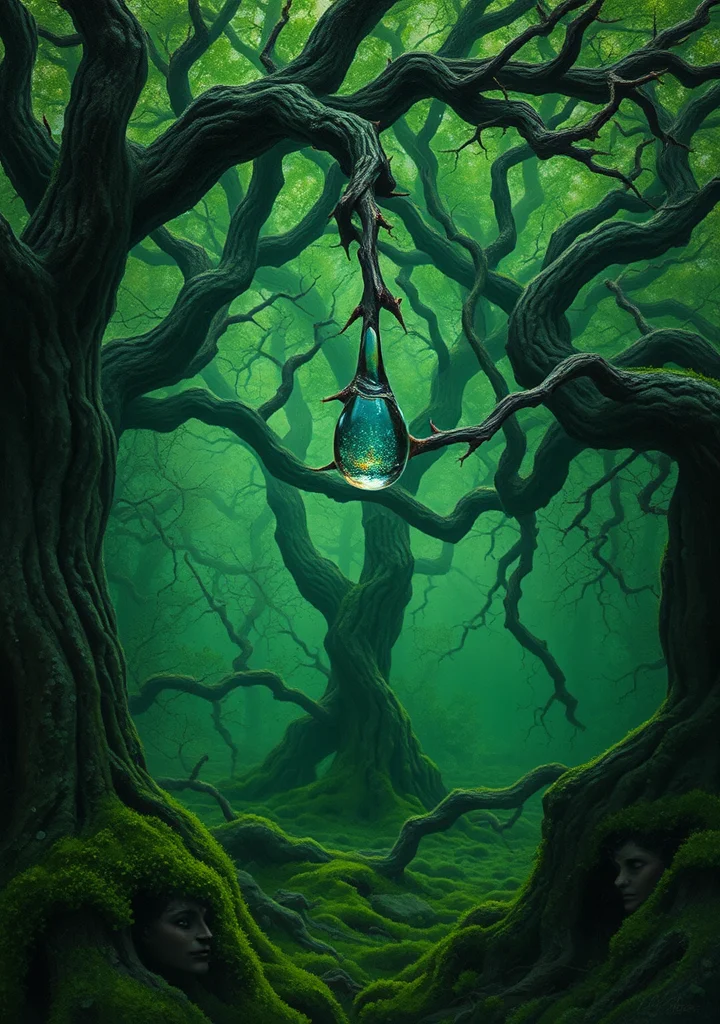
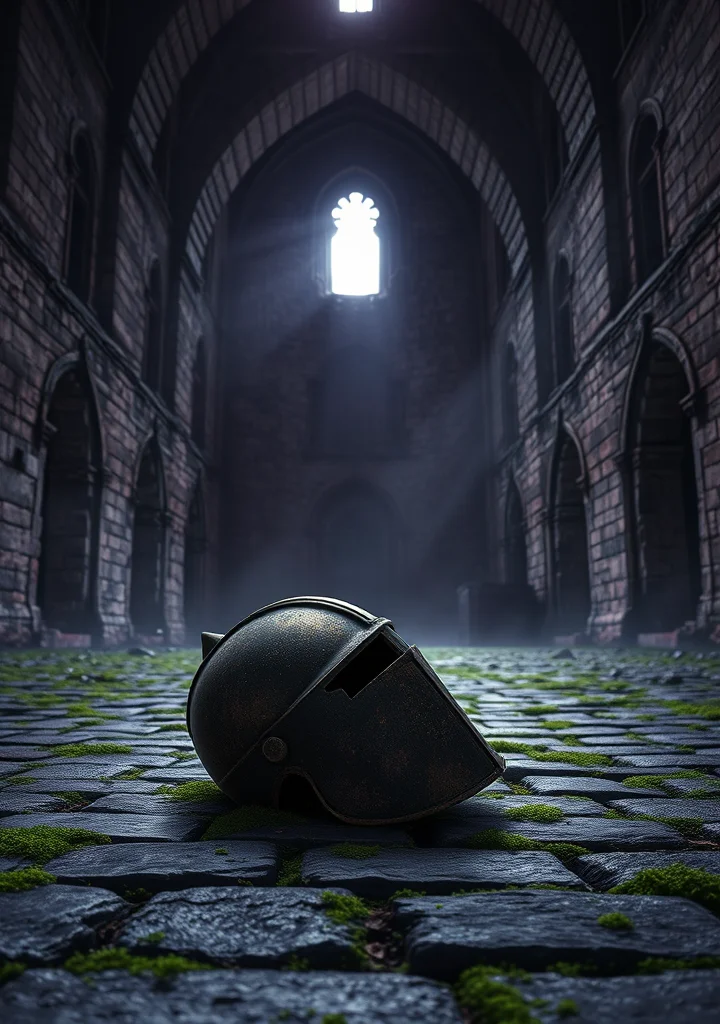
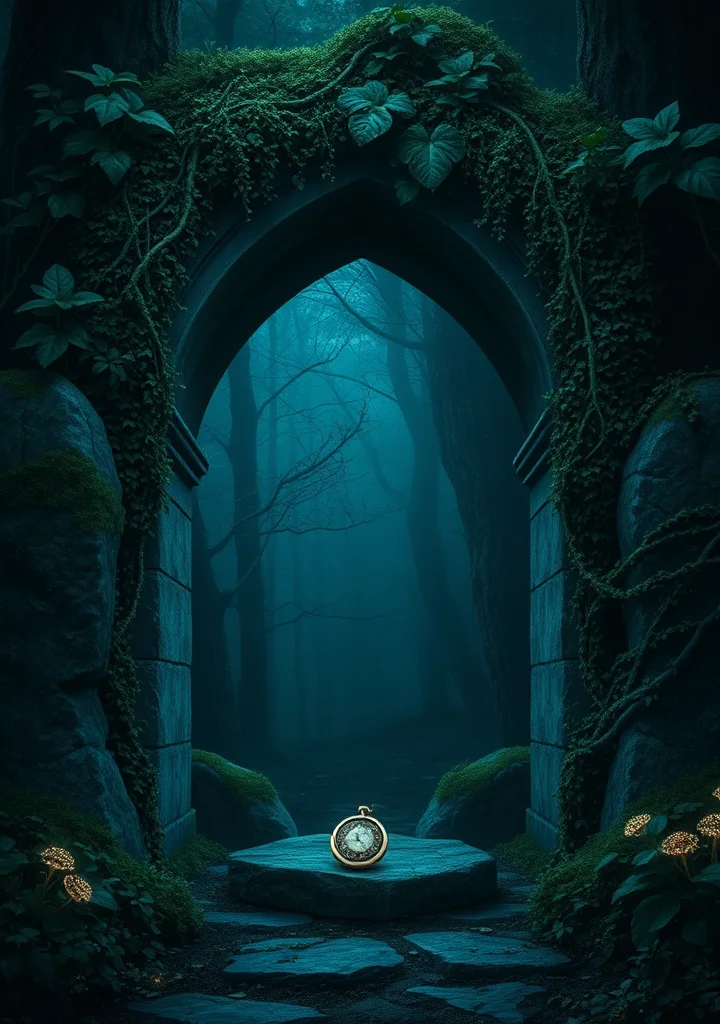
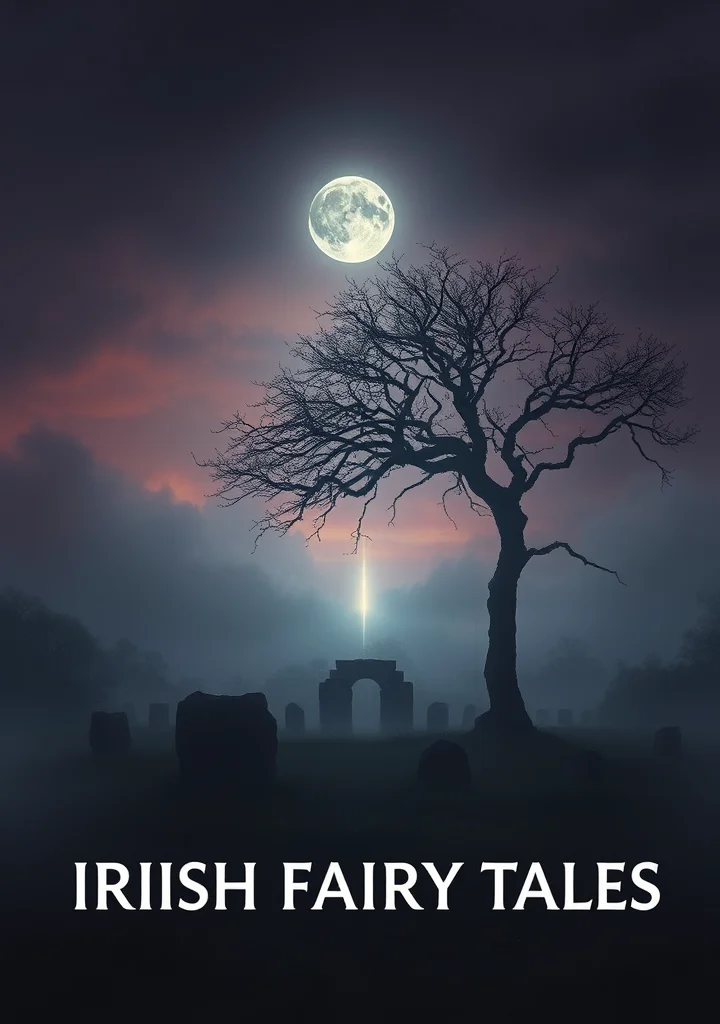
A creeping mist clings to the boglands, thick with the scent of peat and decay. Stephens doesn’t offer quaint folklore, but whispers of a world where the boundaries between Ireland’s human history and its ancient, faerie realm have dissolved into a porous membrane. These aren’t stories to be told by hearthfire, but those overheard in crumbling stone circles, when the wind howls through skeletal hawthorn trees.
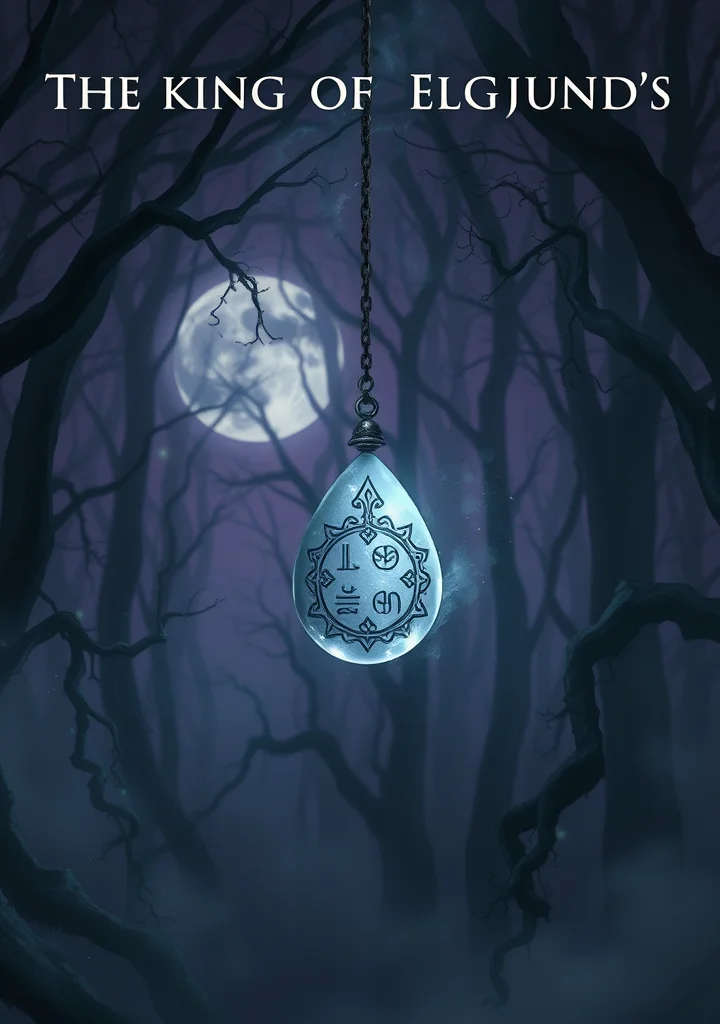
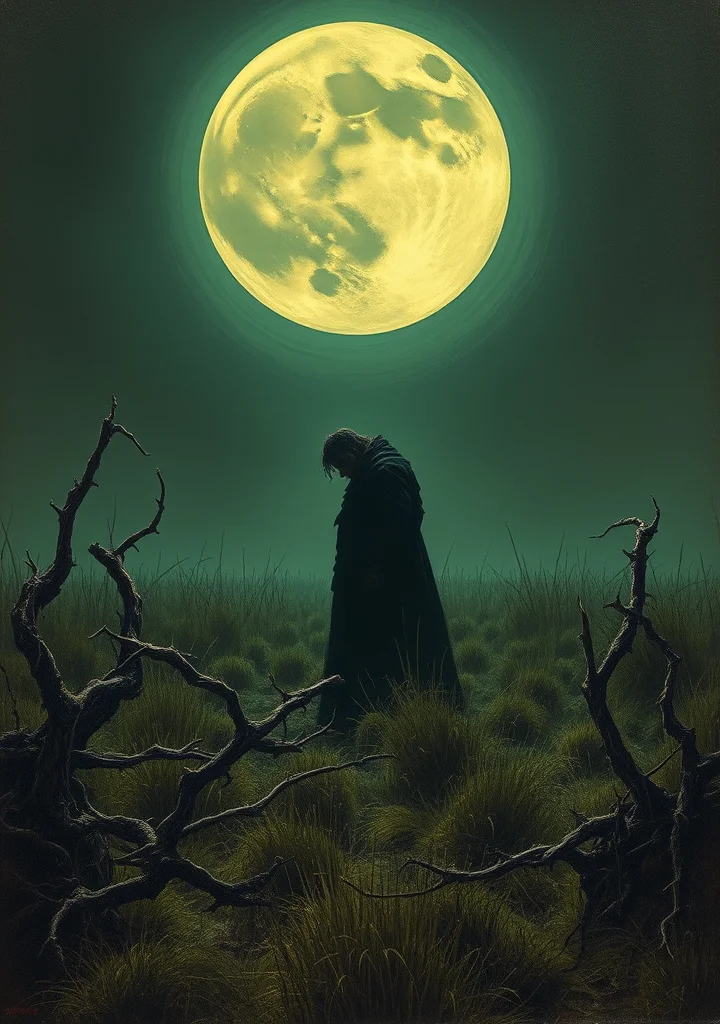
Each tale is a sliver of bone-white moonlight on a black velvet night. The air chills not with winter, but with the gaze of the Good Folk, their bargains struck in shades of twilight and regret. Here, stolen children aren’t lost, but *taken*, woven into the fabric of the otherworld. Lost lovers aren’t mourned, but bartered with for a single, spectral dance.
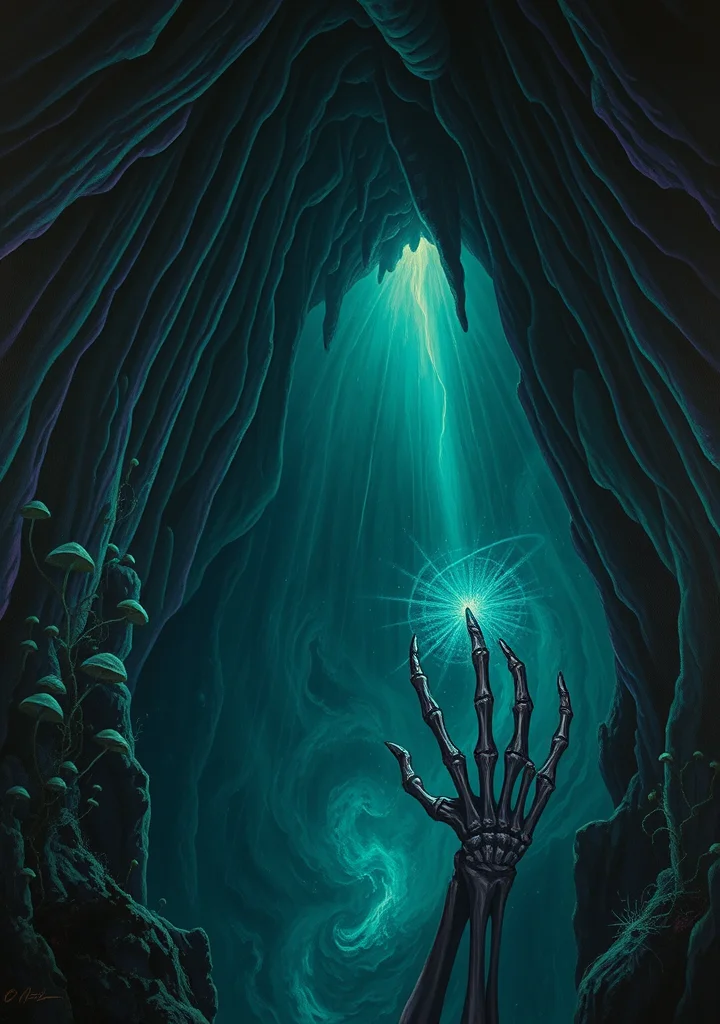
The prose itself is a fractured reflection - fragments of forgotten rituals, the echoes of curses uttered in Gaelic, and the hollow ache of a land haunted by its own stories. It’s a landscape of perpetual twilight, where the only warmth comes from the embers of malice and the cold, glittering promises of those who dwell beyond the veil. Expect not happy endings, but the rustle of wings in the heather, and the unsettling knowledge that something watches from the shadows, forever bound to the fate of the mortal world.
Copyright: Public Domain
This license allows anyone to use your story for any purpose, including printing, selling, or adapting it into a film freely.
This license allows anyone to use your story for any purpose, including printing, selling, or adapting it into a film freely.
Chapter List
-
« I »📖 Continue Reading
-
« II »
-
« III »
-
« IV »
-
« V »
-
« VI »
-
« VII »
-
« VIII »
-
« IX »
-
« X »
-
« XI »
-
« I »
-
« I »
-
« II »
-
« III »
-
« IV »
-
« V »
-
« VI »
-
« VII »
-
« VIII »
-
« IX »
-
« X »
-
« XI »
-
« XII »
-
« XIII »
-
« XIV »
-
« I »
-
« II »
-
« III »
-
« IV »
-
« V »
-
« I »
-
« II »
-
« III »
-
« IV »
-
« V »
-
« VI »
-
« VII »
-
« I »
-
« II »
-
« III »
-
« IV »
-
« V »
-
« I »
-
« II »
-
« III »
-
« I »
-
« II »
-
« III »
-
« IV »
-
« V »
-
« VI »
-
« VII »
-
« VIII »
-
« I »
-
« II »
-
« III »
-
« IV »
-
« V »
-
« VI »
-
« I »
-
« II »
-
« III »
-
« IV »
-
« V »
-
« VI »
-
« VII »
-
« VIII »
-
« IX »
-
« X »
-
« I »
-
« II »
-
« III »
-
« IV »
-
« V »
-
« VI »
-
« VII »
-
« VIII »
-
« IX »
-
« X »
-
« XI »
-
« XII »
-
« XIII »
-
« XIV »
-
« XV »
-
« XVI »
-
« XVII »
-
« XVIII »
-
« XIX »
-
« XX »
90
-
« I »
-
« II »
-
« III »
-
« IV »
-
« V »
-
« VI »
-
« VII »
-
« VIII »
-
« IX »
-
« X »
-
« XI »
-
« I »
-
« I »
-
« II »
-
« III »
-
« IV »
-
« V »
-
« VI »
-
« VII »
-
« VIII »
-
« IX »
-
« X »
-
« XI »
-
« XII »
-
« XIII »
-
« XIV »
-
« I »
-
« II »
-
« III »
-
« IV »
-
« V »
-
« I »
-
« II »
-
« III »
-
« IV »
-
« V »
-
« VI »
-
« VII »
-
« I »
-
« II »
-
« III »
-
« IV »
-
« V »
-
« I »
-
« II »
-
« III »
-
« I »
-
« II »
-
« III »
-
« IV »
-
« V »
-
« VI »
-
« VII »
-
« VIII »
-
« I »
-
« II »
-
« III »
-
« IV »
-
« V »
-
« VI »
-
« I »
-
« II »
-
« III »
-
« IV »
-
« V »
-
« VI »
-
« VII »
-
« VIII »
-
« IX »
-
« X »
-
« I »
-
« II »
-
« III »
-
« IV »
-
« V »
-
« VI »
-
« VII »
-
« VIII »
-
« IX »
-
« X »
-
« XI »
-
« XII »
-
« XIII »
-
« XIV »
-
« XV »
-
« XVI »
-
« XVII »
-
« XVIII »
-
« XIX »
-
« XX »
More like this