
His Family
  • 198
  • 0
  • 46
  • Reads 198
  • 0
  • Part 46
Completed, First published Mar 02, 2026

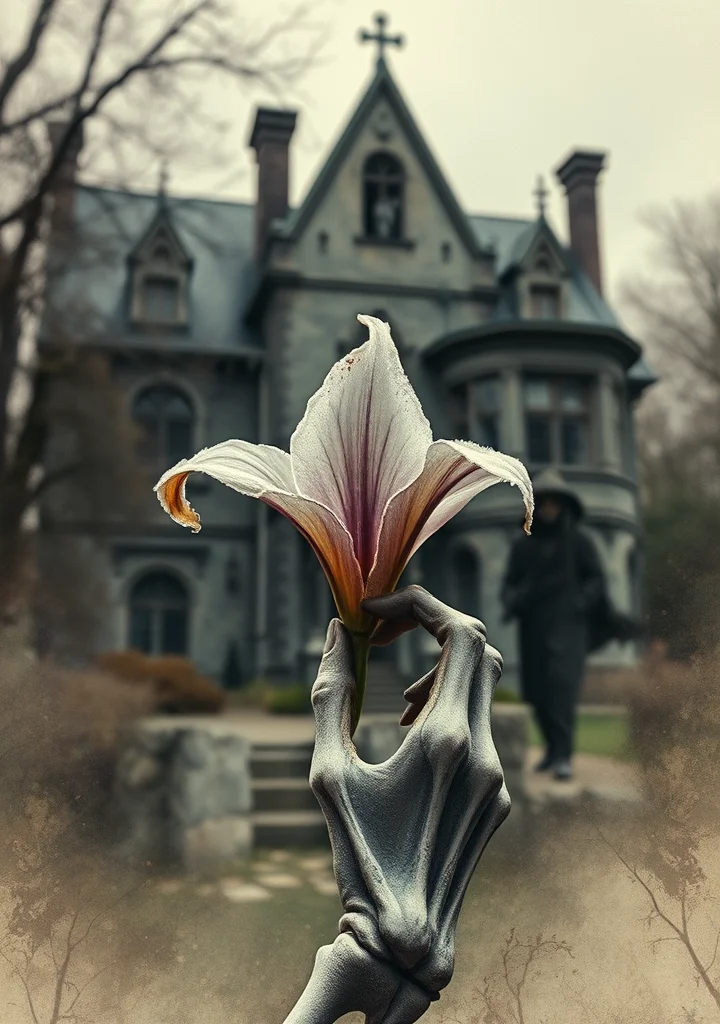
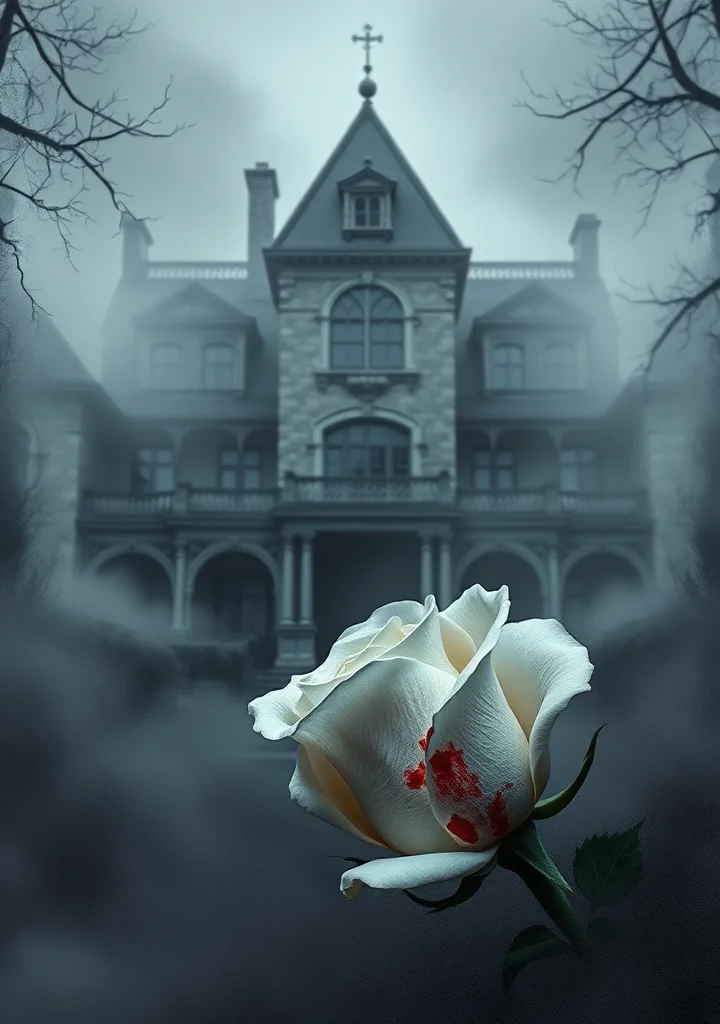
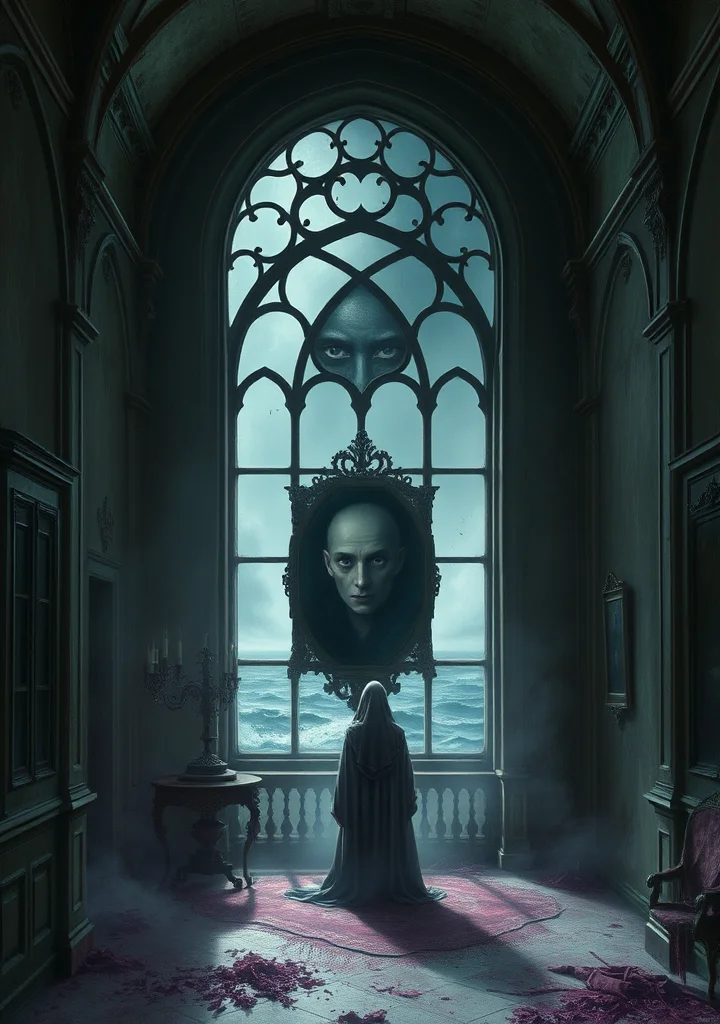
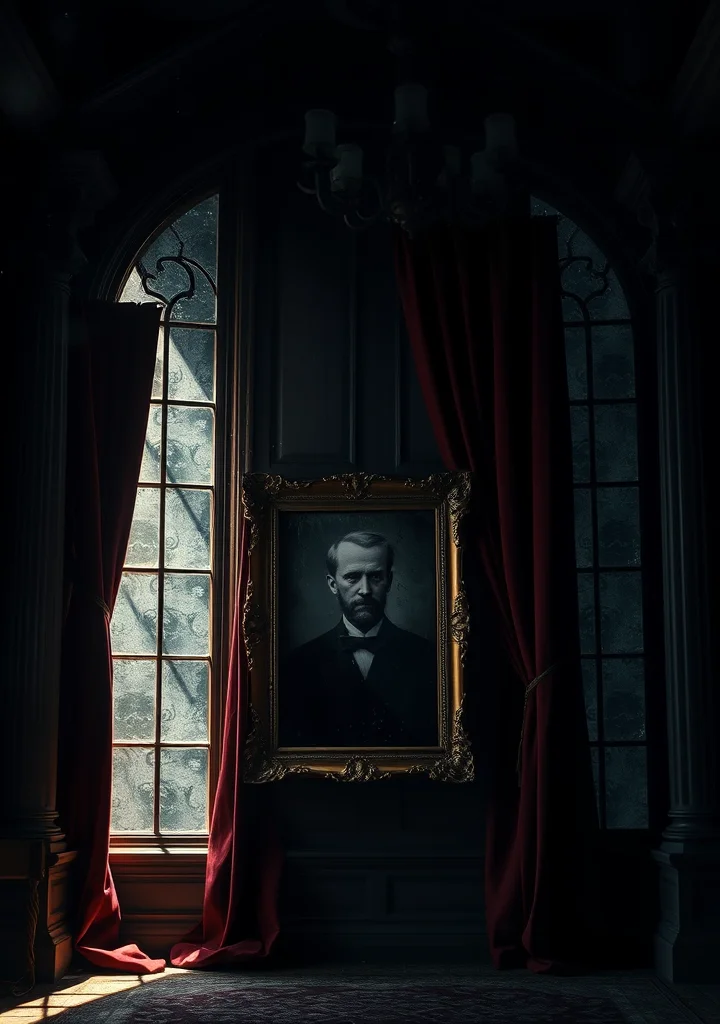
A creeping dread clings to the shadowed corners of the Winslow estate, a lineage steeped in inherited melancholia. The narrative unfolds not as a tale of singular horror, but as a slow, suffocating erosion of spirit within a single, decaying family. Each room breathes with the weight of past grievances, each portrait whispers of fractured ambition. A suffocating claustrophobia, not of physical walls, but of expectation and the stifled cries of those swallowed by their birthright. The prose mirrors the house itself – ornate, labyrinthine, and laced with a dust that tastes of regret. A creeping sickness, less of the body and more of the soul, permeates the Winslows’ lives, a rot blooming in the heartwood of their wealth. The narrative isn’t driven by monstrous acts, but by the insidious unraveling of connection, the quiet desperation of those bound by blood to a legacy of silent suffering. Fog hangs heavy, not just outside the windows, but within the Winslows' minds, obscuring motives and breeding insidious doubts. The true terror lies not in what is seen, but in what is felt – the icy touch of isolation, the gnawing emptiness of a gilded cage, the chilling realization that the Winslows are not merely living *in* their history, but *becoming* it.
Copyright: Public Domain
This license allows anyone to use your story for any purpose, including printing, selling, or adapting it into a film freely.
Recommended for you
21 Part
A creeping dread clings to the salt-laced shores of Varick Isle, where the crumbling manor of its namesake stands sentinel against a perpetual grey sky. The story unfolds not as a linear descent, but as a slow unraveling—a tapestry of whispered confessions unearthed in brine-soaked journals and the fevered ramblings of those who dared to seek Varick’s secrets. Saltus paints a world steeped in maritime rot and the suffocating weight of ancestral guilt. Each chapter feels like a chipped fragment of a drowned memory, revealing glimpses of a man consumed by his own meticulous, morbid obsession with charting the currents of madness. The narrative breathes with the damp chill of forgotten crypts, where shadows twist into the shapes of Varick’s monstrous creations—not of flesh and bone, but of painstakingly transcribed nightmares. A suffocating claustrophobia permeates the text, mirroring the labyrinthine passages of the manor itself. The air is thick with the scent of decaying parchment and the metallic tang of blood, both real and imagined. The truth, as it surfaces, is less a revelation than a contagion—a spreading stain of corruption that seeps into the reader's mind, blurring the line between the rational and the grotesque. It is a story of inheritance not of wealth, but of decay, a descent into a watery grave where the boundaries of sanity dissolve into the churning depths. One finds oneself not merely reading of Varick’s madness, but *experiencing* it, drawn into its suffocating vortex, haunted by the echoes of its mournful cries carried on the wind.
11 Part
Dust motes dance in the perpetual twilight of Umbria, clinging to the crumbling facades of villas haunted by regret. A stifling heat hangs over the sun-baked earth, mirroring the simmering tensions within the Anglo-Italian community of Monteriano. The air itself seems thick with unspoken desires and the scent of decaying jasmine. Here, amidst olive groves and ancient stone, a quiet, provincial life is shattered by the intrusion of a passionate, forbidden love—a love born from an impulsive act, and nurtured in the suffocating confines of a marriage built on propriety. The story unfolds not as a burst of scandal, but as a slow, creeping dread. The Italian landscape isn't merely a backdrop, but a suffocating presence, mirroring the characters’ internal struggles. A sense of claustrophobia permeates every encounter, every glance exchanged. The narrative is woven with the weight of inherited social codes, the stifling formality of Victorian manners colliding with the raw, untamed passions of the Italian countryside. It is a story of lives irrevocably altered by a single, reckless decision—a decision that unveils the hidden vulnerabilities beneath the veneer of respectability, and reveals how even the most carefully constructed worlds can crumble under the weight of unspoken truths and the shadows of a shared, desperate secret. The narrative lingers in the shadows, leaving you with a lingering sense of unease, as if the dust of Monteriano has settled on your own skin.
18 Part
Dust motes dance in the perpetual twilight of N’Baro, a forgotten colony world clinging to the edge of known space. Here, amidst the crumbling remnants of a long-dead civilization, a single, childlike creature—fuzzy, gentle, and utterly alien—is discovered. But this is not merely a find for curious xenologists. This ‘fuzzy’ possesses a mind, a latent intelligence woven into the very fabric of the planet’s strange flora. The story unfolds not as a grand space opera, but as a creeping dread. The silence of the abandoned cities is broken only by the rustle of unseen things in the jungle, and the echoing questions of a man named Blakes who finds himself entangled in its mysteries. The atmosphere is one of pervasive isolation, a sense of being watched by something ancient and indifferent. The crumbling structures are not merely ruins; they are bone cages, echoing with the ghosts of a forgotten race. A slow burn of paranoia grips N’Baro as the truth of the ‘fuzzy’ unravels. It’s a world where the line between predator and prey, sentience and savagery, blurs in the humid air. The colony is not merely threatened by the creature, but by the echoes of its past—a past that suggests the very planet itself is alive, and that humanity has stumbled into the domain of something profoundly, terrifyingly *other*. The narrative is haunted by the weight of centuries, and the chilling realization that what lies hidden within the jungle isn’t merely an anomaly, but a reflection of humanity's own desperate, grasping ambition.