
-
Read 698
-
0
-
Part 58
Completed, First published Mar 02, 2026
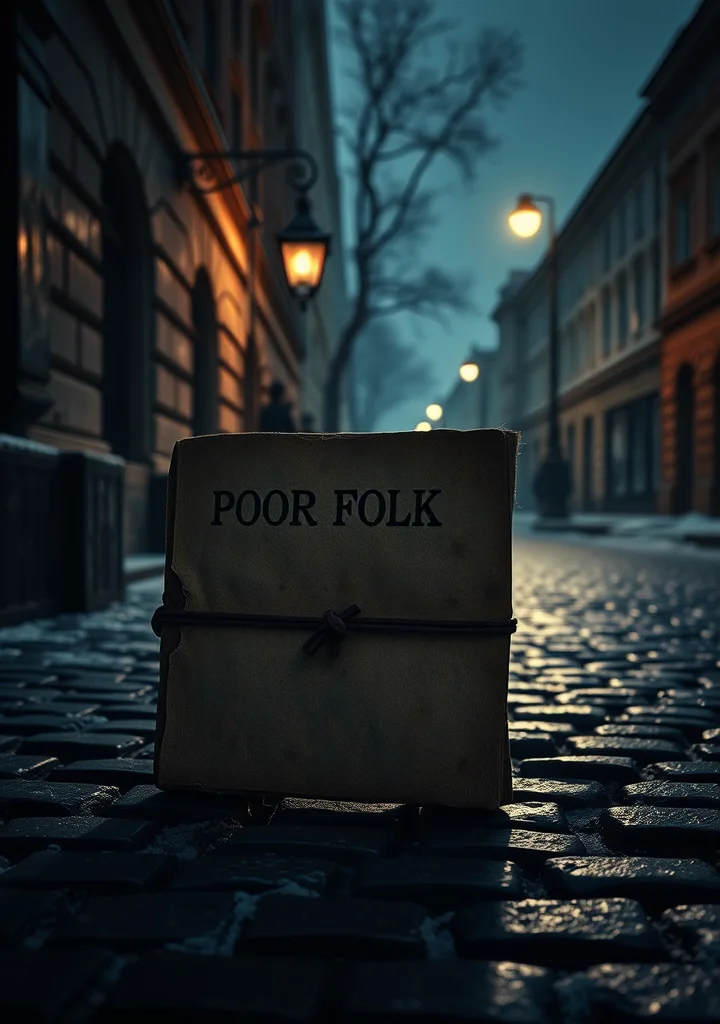
A St. Petersburg draped in perpetual twilight, where shadows cling to damp cobblestones and the breath of winter never truly leaves the air. Within this city of spectral echoes, two hearts, both starved for connection, orbit a desperate orbit of want. Their correspondence, a fragile lifeline woven from scraps of pride and the raw ache of poverty, unfolds not as a romance, but as a slow, agonizing exposure to the hollowed-out souls left to fester in the wake of ambition. The narrative breathes with the same grey dust that coats the city’s buildings, a suffocating stillness punctuated by the frantic, whispered hopes of its inhabitants. Letters become hauntings, each word a chipped fragment of a forgotten humanity. A creeping melancholy permeates the prose, a sense of being perpetually observed by the decaying grandeur of a city indifferent to the slow, quiet deaths unfolding within its shadowed tenements. It is a study in absence, in the spaces carved out by longing, where the weight of unspoken desires crushes the spirit, and the simplest act of reaching out feels like a transgression against an unforgiving void. The air itself feels thick with resignation, with the premonition of a fate as bleak and colorless as the St. Petersburg snow.
Copyright: Public Domain
This license allows anyone to use your story for any purpose, including printing, selling, or adapting it into a film freely.
This license allows anyone to use your story for any purpose, including printing, selling, or adapting it into a film freely.
Chapter List
-
« Poor Folk »📖 Continue Reading
-
« Chapter_3 »
-
« Chapter_4 »
-
« Chapter_5 »
-
« Chapter_6 »
-
« Chapter_7 »
-
« Chapter_8 »
-
« Chapter_9 »
-
« I »
-
« I »
-
« II »
-
« Chapter_13 »
-
« Chapter_14 »
-
« Chapter_15 »
-
« Chapter_16 »
-
« Chapter_17 »
-
« Chapter_18 »
-
« Chapter_19 »
-
« Chapter_20 »
-
« Chapter_21 »
-
« My Dear Makar Alexievitch »
-
« Chapter_23 »
-
« My Dearest Makar Alexievitch »
-
« Chapter_25 »
-
« Chapter_26 »
-
« Chapter_27 »
-
« Chapter_28 »
-
« Chapter_29 »
-
« Chapter_30 »
-
« Chapter_31 »
-
« Chapter_32 »
-
« Chapter_33 »
-
« Chapter_34 »
-
« Chapter_35 »
-
« Chapter_36 »
-
« Chapter_37 »
-
« Chapter_38 »
-
« Chapter_39 »
-
« Chapter_40 »
-
« Chapter_41 »
-
« Chapter_42 »
-
« Chapter_43 »
-
« Chapter_44 »
-
« Chapter_45 »
-
« Chapter_46 »
-
« Chapter_47 »
-
« Chapter_48 »
-
« Chapter_49 »
-
« Chapter_50 »
-
« Chapter_51 »
-
« Chapter_52 »
-
« Chapter_53 »
-
« Chapter_54 »
-
« Chapter_55 »
-
« Chapter_56 »
-
« Chapter_57 »
-
« Chapter_58 »
-
« Beloved Barbara—My Jewel, My Priceless One »
58
-
« Poor Folk »
-
« Chapter_3 »
-
« Chapter_4 »
-
« Chapter_5 »
-
« Chapter_6 »
-
« Chapter_7 »
-
« Chapter_8 »
-
« Chapter_9 »
-
« I »
-
« I »
-
« II »
-
« Chapter_13 »
-
« Chapter_14 »
-
« Chapter_15 »
-
« Chapter_16 »
-
« Chapter_17 »
-
« Chapter_18 »
-
« Chapter_19 »
-
« Chapter_20 »
-
« Chapter_21 »
-
« My Dear Makar Alexievitch »
-
« Chapter_23 »
-
« My Dearest Makar Alexievitch »
-
« Chapter_25 »
-
« Chapter_26 »
-
« Chapter_27 »
-
« Chapter_28 »
-
« Chapter_29 »
-
« Chapter_30 »
-
« Chapter_31 »
-
« Chapter_32 »
-
« Chapter_33 »
-
« Chapter_34 »
-
« Chapter_35 »
-
« Chapter_36 »
-
« Chapter_37 »
-
« Chapter_38 »
-
« Chapter_39 »
-
« Chapter_40 »
-
« Chapter_41 »
-
« Chapter_42 »
-
« Chapter_43 »
-
« Chapter_44 »
-
« Chapter_45 »
-
« Chapter_46 »
-
« Chapter_47 »
-
« Chapter_48 »
-
« Chapter_49 »
-
« Chapter_50 »
-
« Chapter_51 »
-
« Chapter_52 »
-
« Chapter_53 »
-
« Chapter_54 »
-
« Chapter_55 »
-
« Chapter_56 »
-
« Chapter_57 »
-
« Chapter_58 »
-
« Beloved Barbara—My Jewel, My Priceless One »
More like this