
-
Read 381
-
0
-
Part 30
Completed, First published Mar 02, 2026
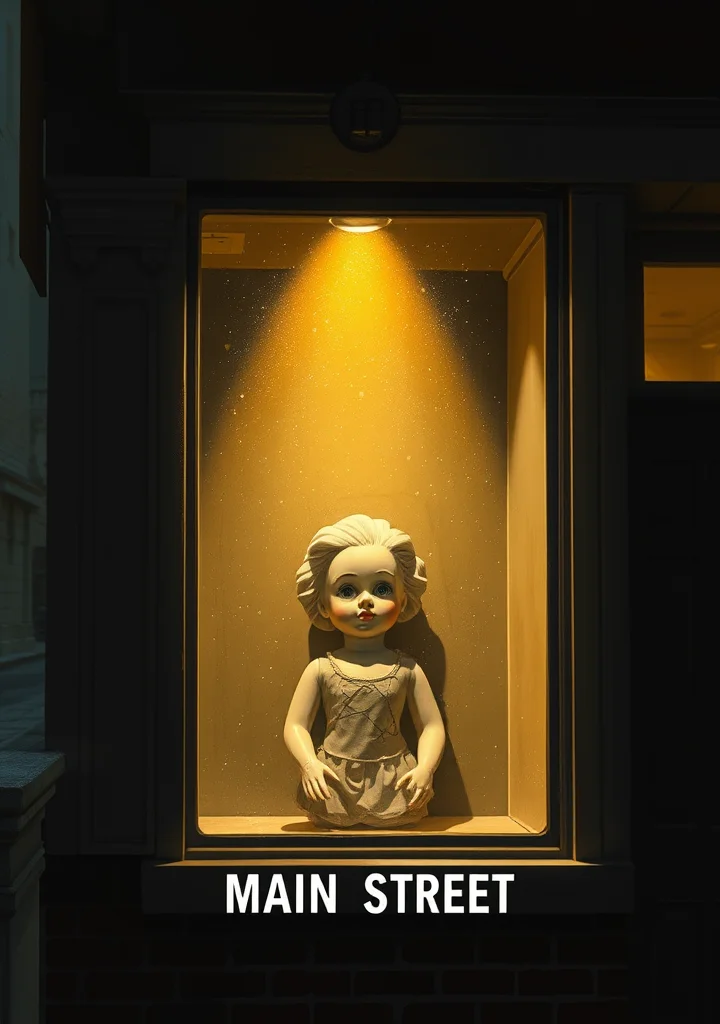
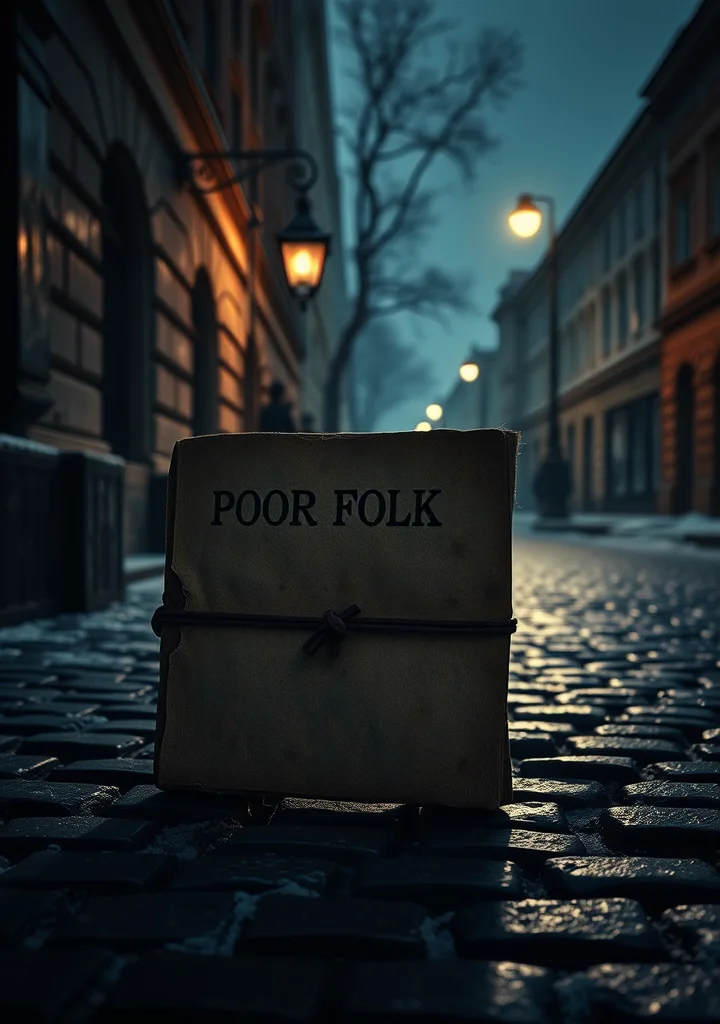
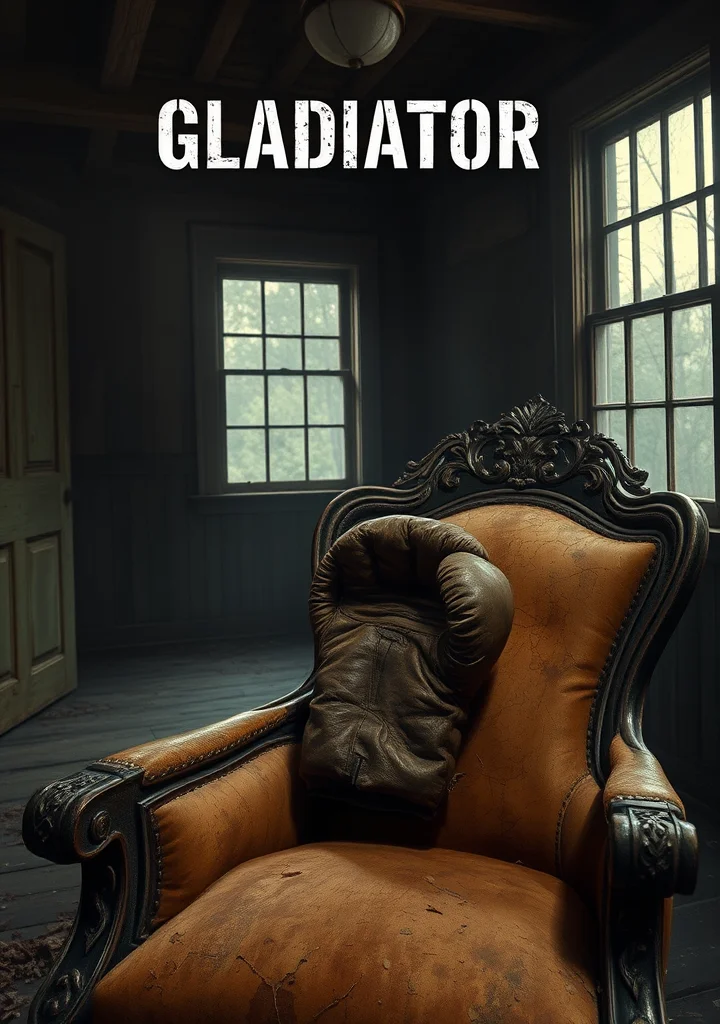
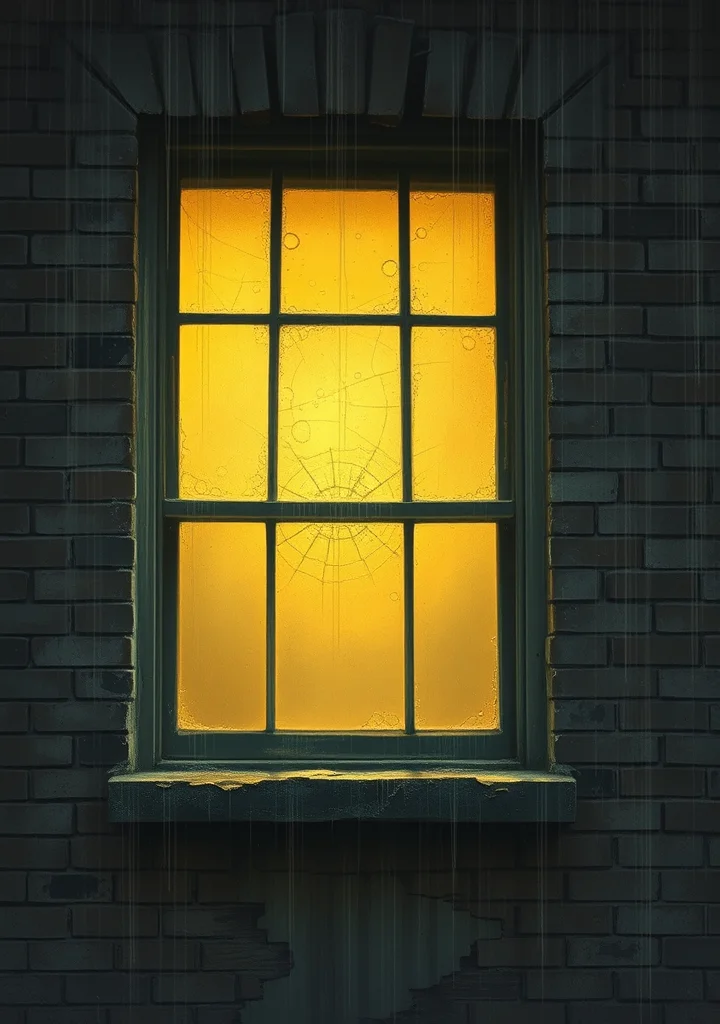
A creeping dampness clings to the brick and wood of Winesburg, Ohio, a town steeped in a melancholic grey. Here, houses huddle close, exhaling secrets into the fog that coils around their eaves. Each window holds a fractured glimpse of lives stunted, desires curdled, and ambitions choked by the weight of small-town existence. The air smells of stale rain and forgotten meals.
The narrative drifts between souls—men haunted by loneliness, women withered by unfulfilled longing—their stories unfolding not as grand events, but as quiet, insidious decays. There’s a pervasive unease, a sense of something unseen pressing against the glass of each room. The light itself seems to dim with each confession, each failed reaching for connection.
Walls whisper with the ghosts of unarticulated needs. The very architecture feels oppressive, mirroring the internal fractures of those trapped within its borders. A sense of rot permeates everything—not of physical decay, but of the spirit, a slow crumbling of hope under the weight of unspoken desires. The silences between conversations are the loudest voices in Winesburg, echoing with the weight of what remains unsaid, and the lingering scent of lives half-lived. It's a town where the shadows stretch long and cold, and the heart beats a little slower with each passing hour.
Copyright: Public Domain
This license allows anyone to use your story for any purpose, including printing, selling, or adapting it into a film freely.
This license allows anyone to use your story for any purpose, including printing, selling, or adapting it into a film freely.
Chapter List
-
« Winesburg, Ohio »📖 Continue Reading
-
« Introduction »
-
« Chapter_4 »
-
« Winesburg, Ohio »
-
« The Book of the Grotesque »
-
« Hands »
-
« Paper Pills »
-
« Mother »
-
« The Philosopher »
-
« Nobody Knows »
-
« Godliness »
-
« PartI »
-
« PartII »
-
« Surrender »
-
« Terror »
-
« A Man of Ideas »
-
« Adventure »
-
« Respectability »
-
« The Thinker »
-
« Tandy »
-
« The Strength of God »
-
« The Teacher »
-
« Loneliness »
-
« An Awakening »
-
« “Queer” »
-
« The Untold Lie »
-
« Drink »
-
« Death »
-
« Sophistication »
-
« Departure »
30
-
« Winesburg, Ohio »
-
« Introduction »
-
« Chapter_4 »
-
« Winesburg, Ohio »
-
« The Book of the Grotesque »
-
« Hands »
-
« Paper Pills »
-
« Mother »
-
« The Philosopher »
-
« Nobody Knows »
-
« Godliness »
-
« PartI »
-
« PartII »
-
« Surrender »
-
« Terror »
-
« A Man of Ideas »
-
« Adventure »
-
« Respectability »
-
« The Thinker »
-
« Tandy »
-
« The Strength of God »
-
« The Teacher »
-
« Loneliness »
-
« An Awakening »
-
« “Queer” »
-
« The Untold Lie »
-
« Drink »
-
« Death »
-
« Sophistication »
-
« Departure »
More like this