
-
Read 704
-
0
-
Part 60
Completed, First published Mar 02, 2026
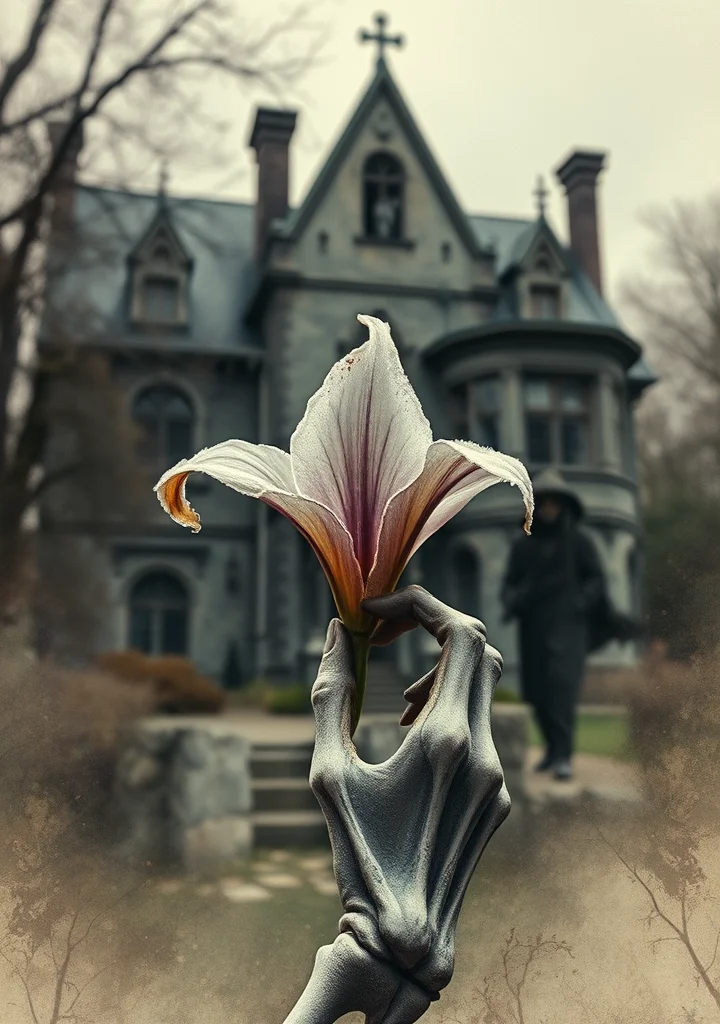
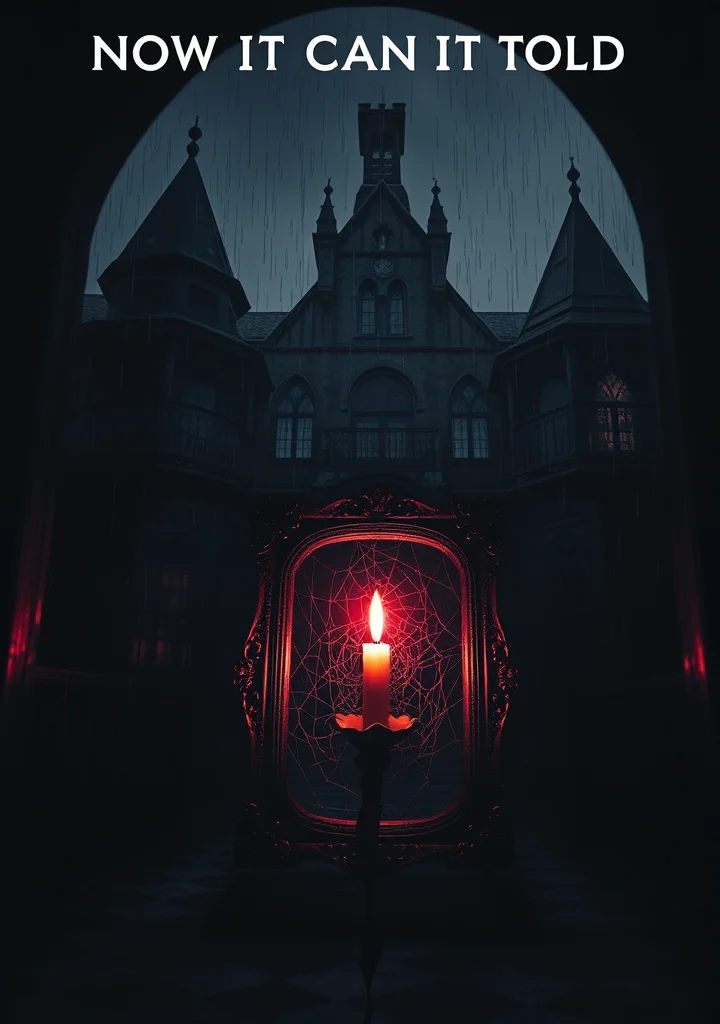
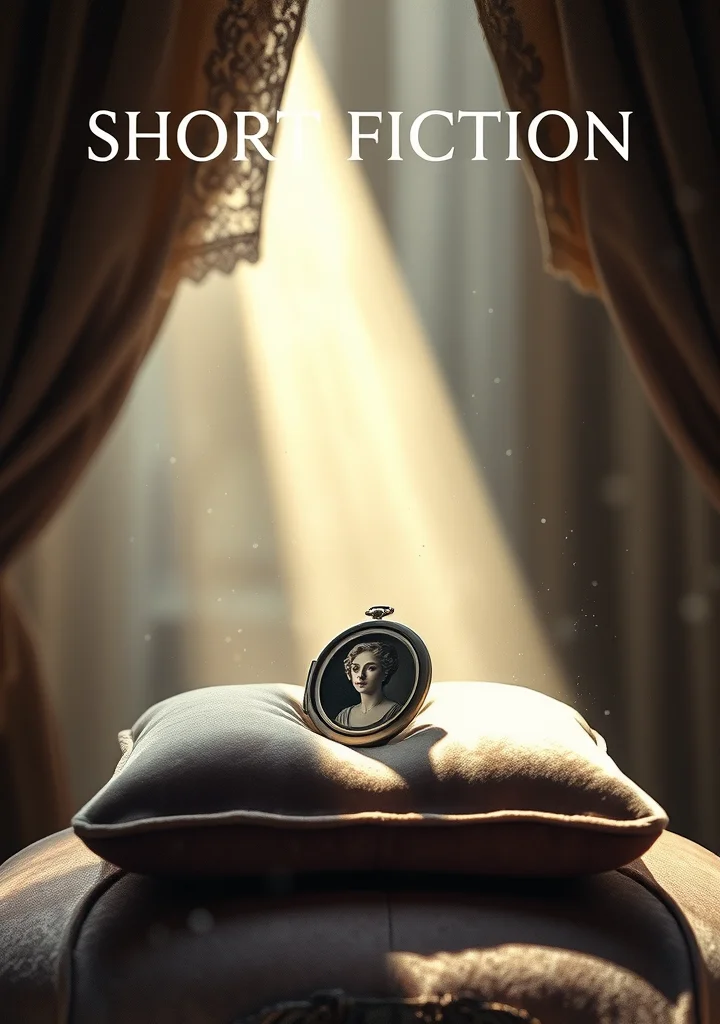
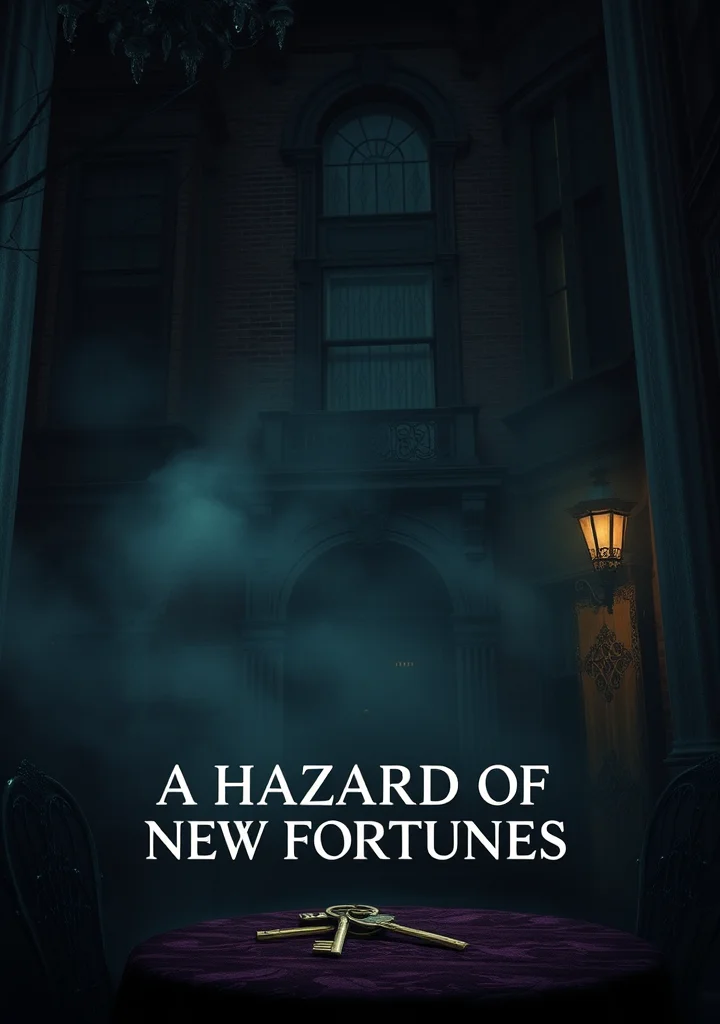
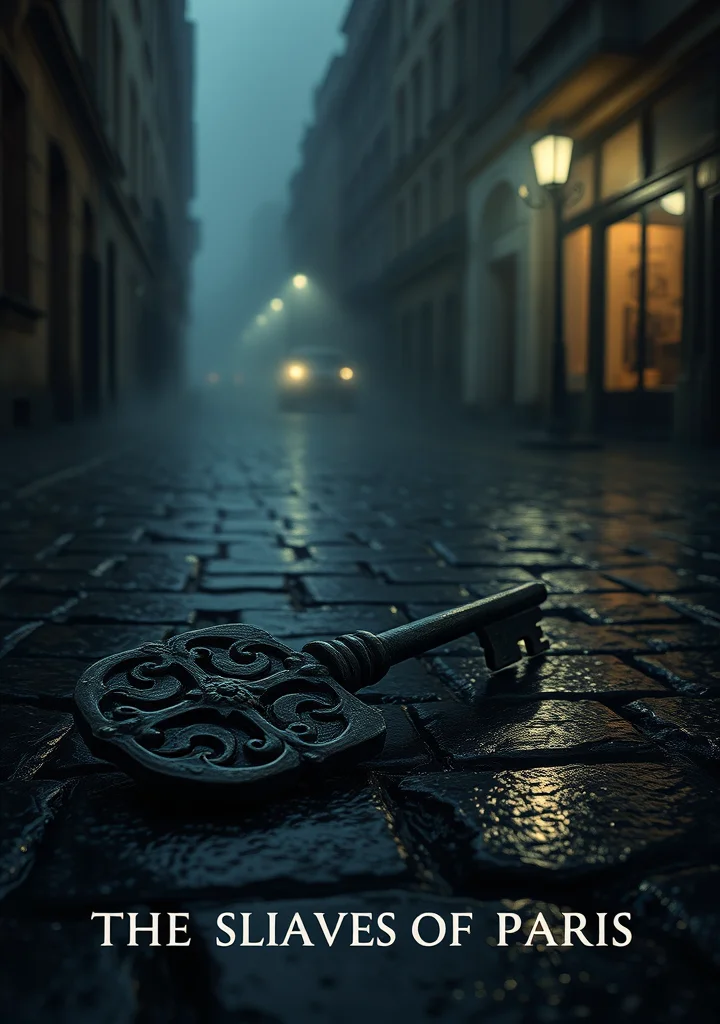
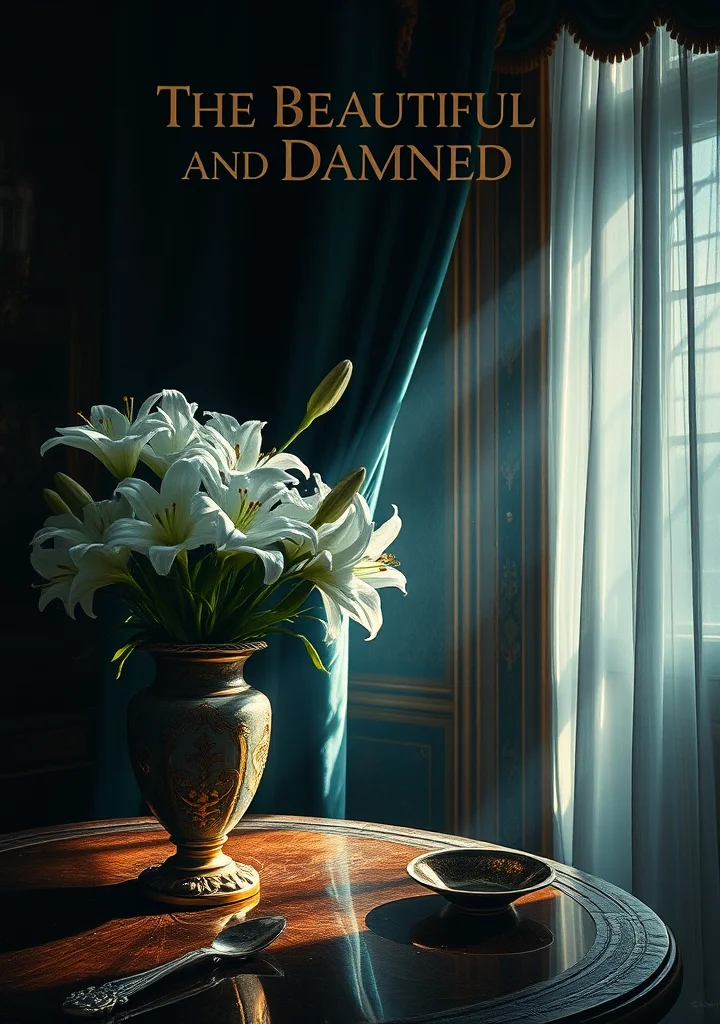
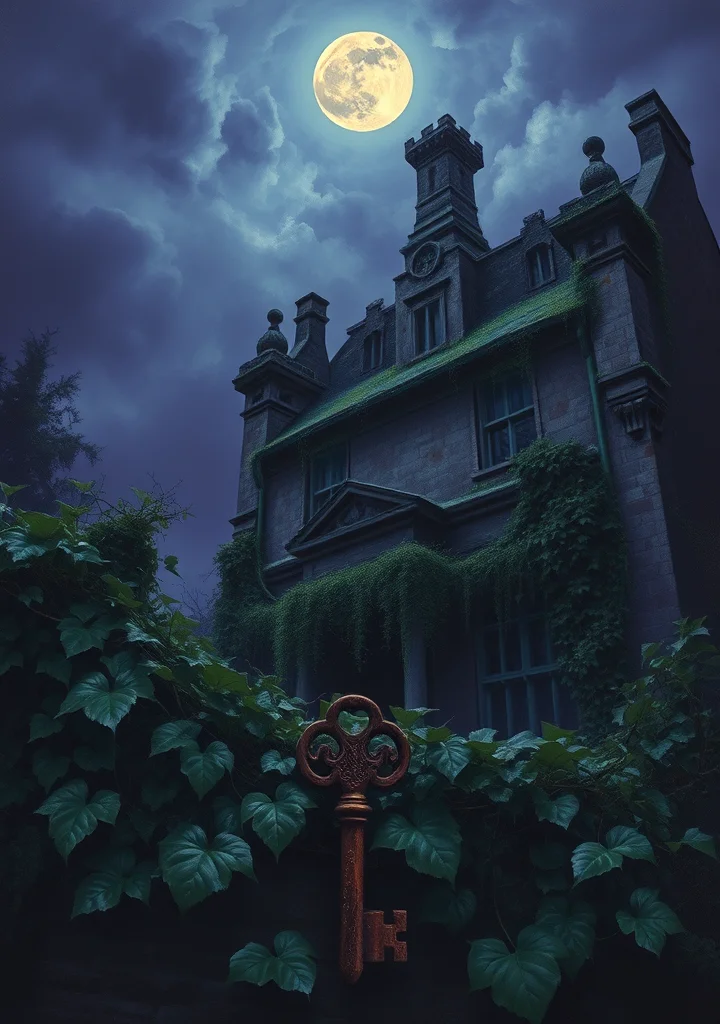
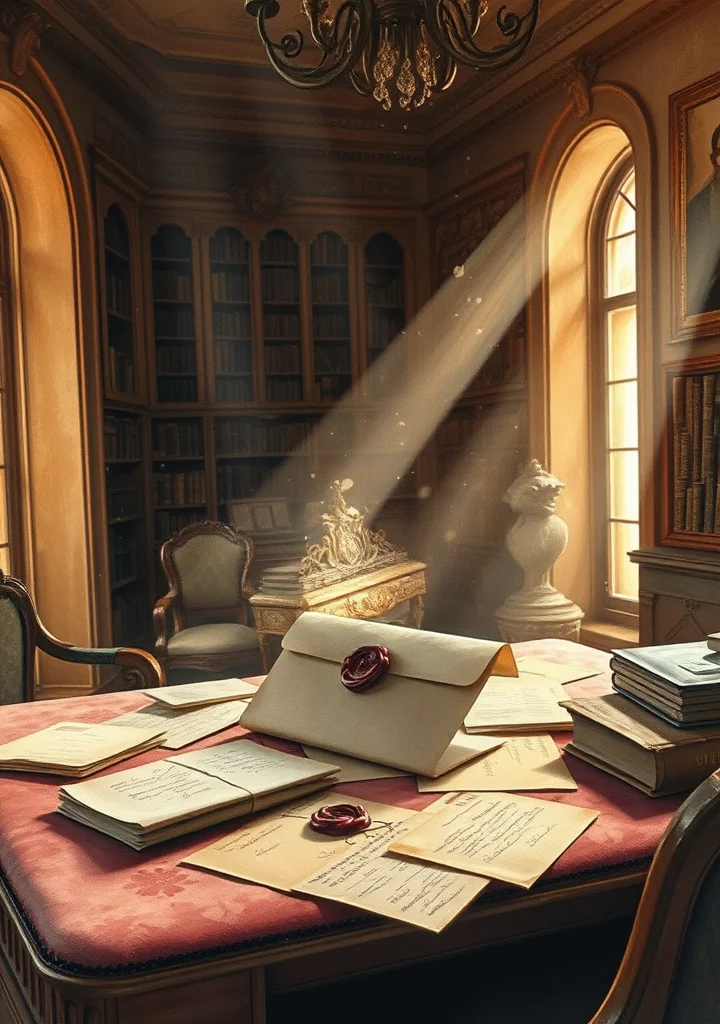
Dust motes dance in the fading light of provincial chateaux, mirroring the slow decay of ambition and the brittle fragility of hope. These letters, unearthed from forgotten bureaux and damp attics, whisper of two women bound by circumstance and the suffocating weight of societal expectation. One, a bride purchased for lineage, haunted by the spectral echoes of a loveless marriage. The other, a bride of convenience, her youth traded for the preservation of a crumbling estate.
The narrative unfolds not in grand pronouncements, but in the tremor of a penned word, the bleed of ink mirroring the slow erosion of their spirits. Each missive is a fragment of a fractured life, stained with the bitter residue of betrayal, the chill of isolation, and the gnawing desperation for a love that exists only in the shadowed corners of their dreams.
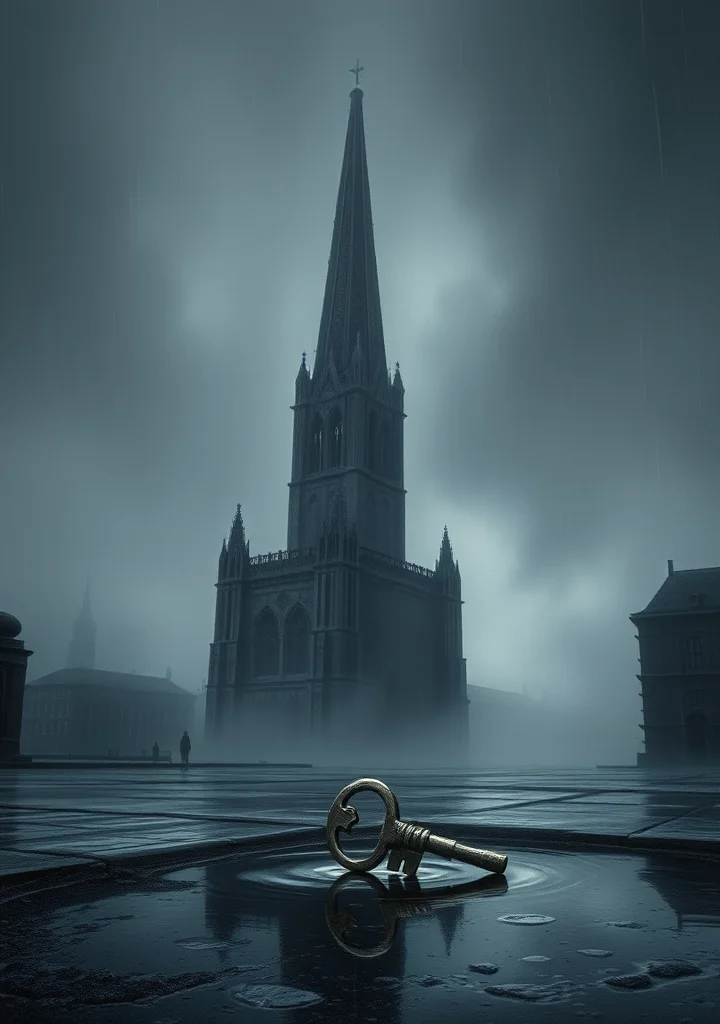
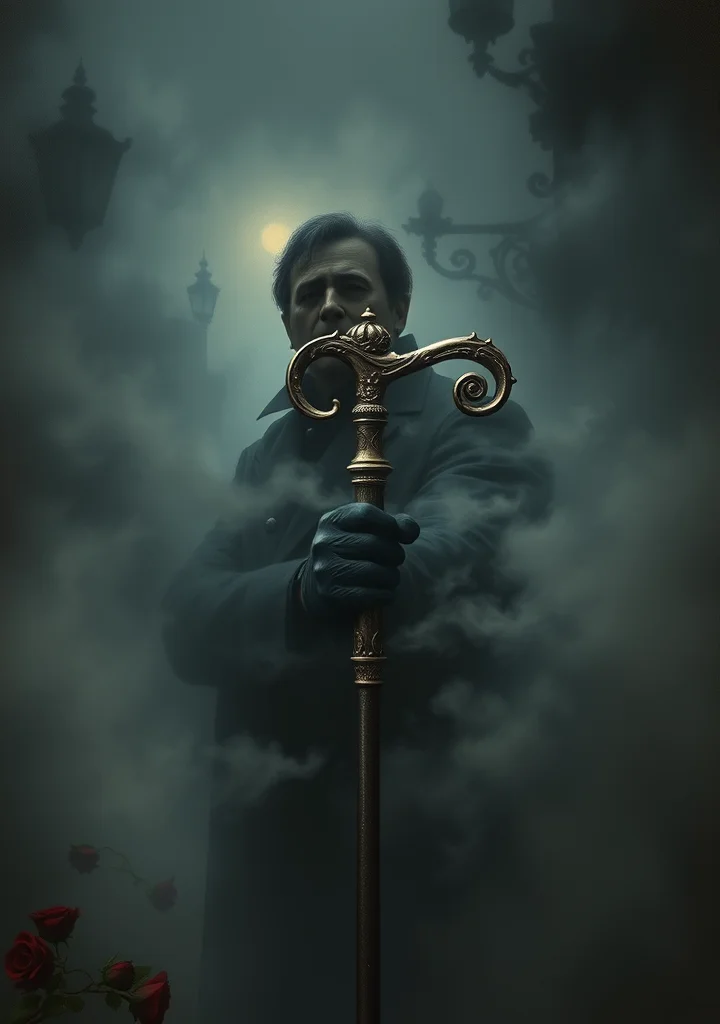
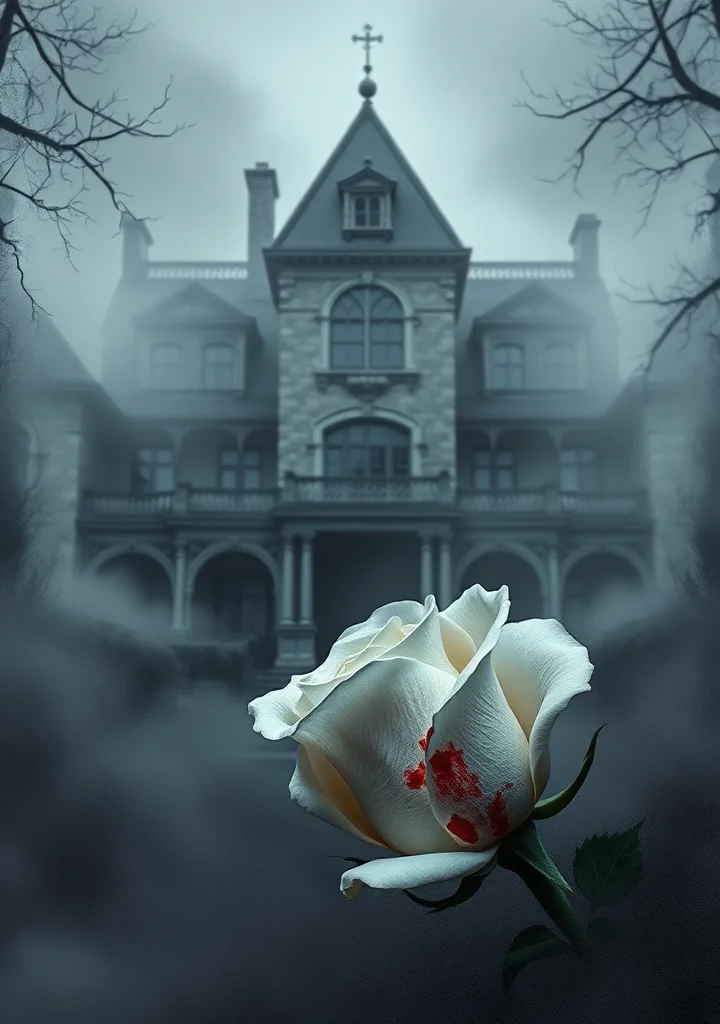
A pervasive melancholy clings to the pages, thick as the fog that shrouds the ancestral homes. The air hangs heavy with the scent of dying roses and the unspoken resentments that fester beneath layers of silk and lace. The landscapes—bleak vineyards, crumbling manors, and the oppressive silence of shadowed forests—become extensions of the women's internal landscapes: barren, desolate, and haunted by the ghosts of promises broken. The letters themselves are not merely communication, but desperate pleas cast into a void, each echoing with the chilling realization that they are trapped within a labyrinth of obligation and despair, their fates inextricably intertwined with the decaying grandeur of a bygone era.
Copyright: Public Domain
This license allows anyone to use your story for any purpose, including printing, selling, or adapting it into a film freely.
This license allows anyone to use your story for any purpose, including printing, selling, or adapting it into a film freely.
Chapter List
-
« Letters of Two Brides »📖 Continue Reading
-
« Chapter_3 »
-
« Letters from Two Brides »
-
« I »
-
« II »
-
« III »
-
« IV »
-
« V »
-
« VI »
-
« VII »
-
« VIII »
-
« IX »
-
« X »
-
« XI »
-
« XII »
-
« XIII »
-
« XIV »
-
« XV »
-
« XVI »
-
« XVII »
-
« XVIII »
-
« XIX »
-
« XX »
-
« XXI »
-
« XXII »
-
« XXIII »
-
« XXIV »
-
« XXV »
-
« XXVI »
-
« XXVII »
-
« XXVIII »
-
« XXIX »
-
« XXX »
-
« XXXI »
-
« XXXII »
-
« XXXIII »
-
« XXXIV »
-
« XXXV »
-
« XXXVI »
-
« XXXVII »
-
« XXXVIII »
-
« XXXIX »
-
« XL »
-
« XLI »
-
« XLII »
-
« XLIII »
-
« XLIV »
-
« XLV »
-
« XLVI »
-
« XLVII »
-
« XLVIII »
-
« XLIX »
-
« L »
-
« LI »
-
« LII »
-
« LIII »
-
« LIV »
-
« LV »
-
« LVI »
-
« LVII »
60
-
« Letters of Two Brides »
-
« Chapter_3 »
-
« Letters from Two Brides »
-
« I »
-
« II »
-
« III »
-
« IV »
-
« V »
-
« VI »
-
« VII »
-
« VIII »
-
« IX »
-
« X »
-
« XI »
-
« XII »
-
« XIII »
-
« XIV »
-
« XV »
-
« XVI »
-
« XVII »
-
« XVIII »
-
« XIX »
-
« XX »
-
« XXI »
-
« XXII »
-
« XXIII »
-
« XXIV »
-
« XXV »
-
« XXVI »
-
« XXVII »
-
« XXVIII »
-
« XXIX »
-
« XXX »
-
« XXXI »
-
« XXXII »
-
« XXXIII »
-
« XXXIV »
-
« XXXV »
-
« XXXVI »
-
« XXXVII »
-
« XXXVIII »
-
« XXXIX »
-
« XL »
-
« XLI »
-
« XLII »
-
« XLIII »
-
« XLIV »
-
« XLV »
-
« XLVI »
-
« XLVII »
-
« XLVIII »
-
« XLIX »
-
« L »
-
« LI »
-
« LII »
-
« LIII »
-
« LIV »
-
« LV »
-
« LVI »
-
« LVII »
More like this