
-
Read 138
-
0
-
Part 39
Completed, First published Apr 25, 2026
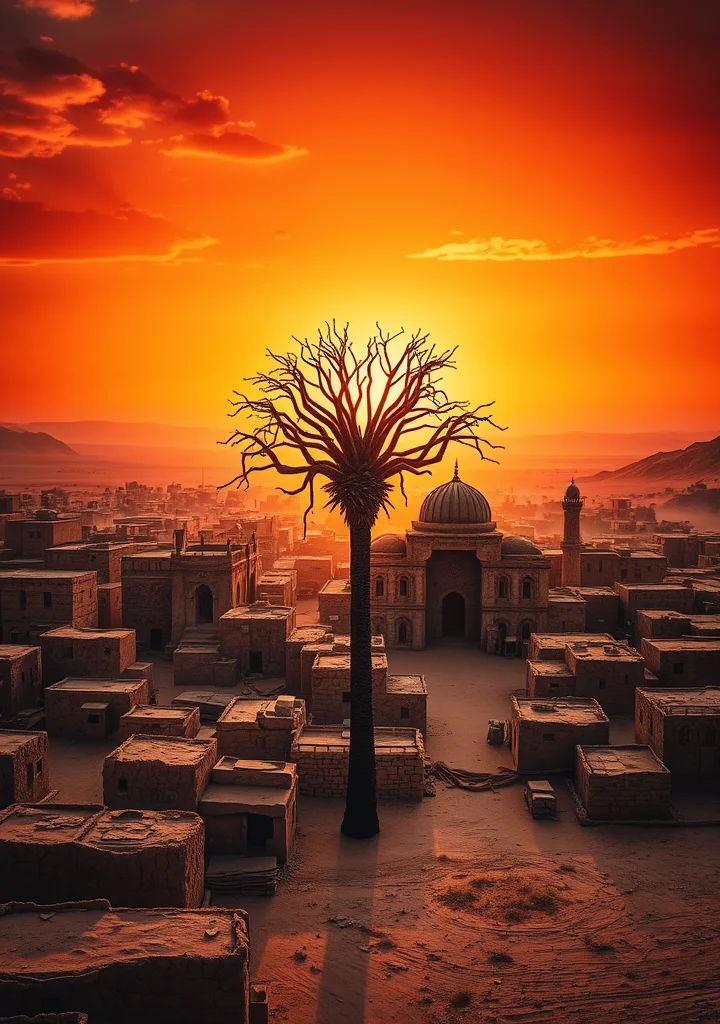
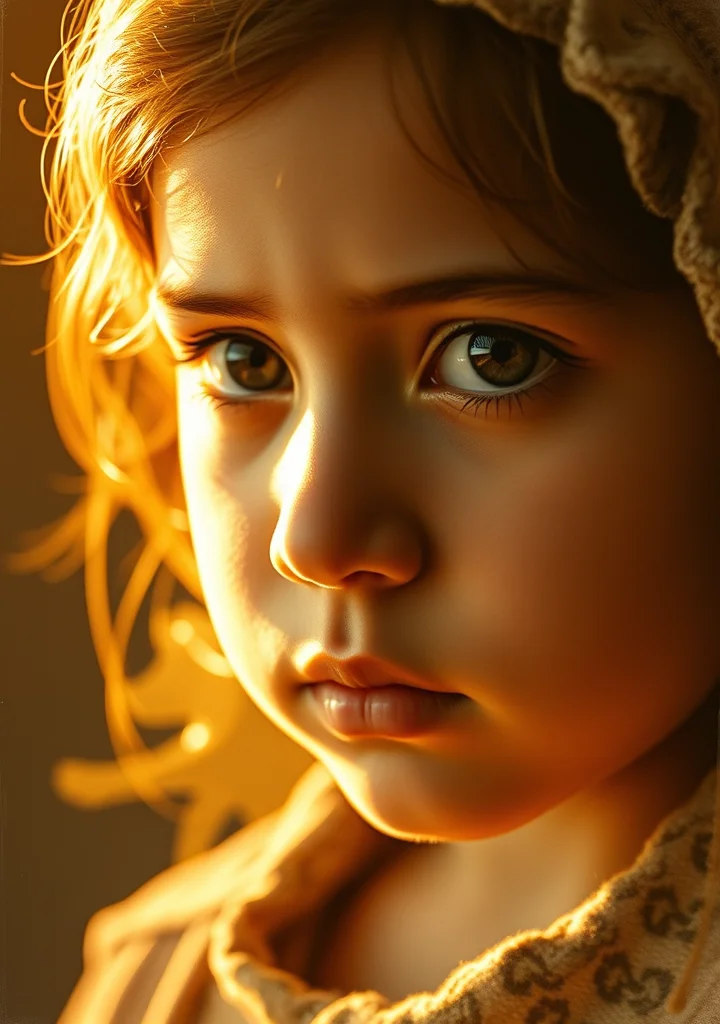
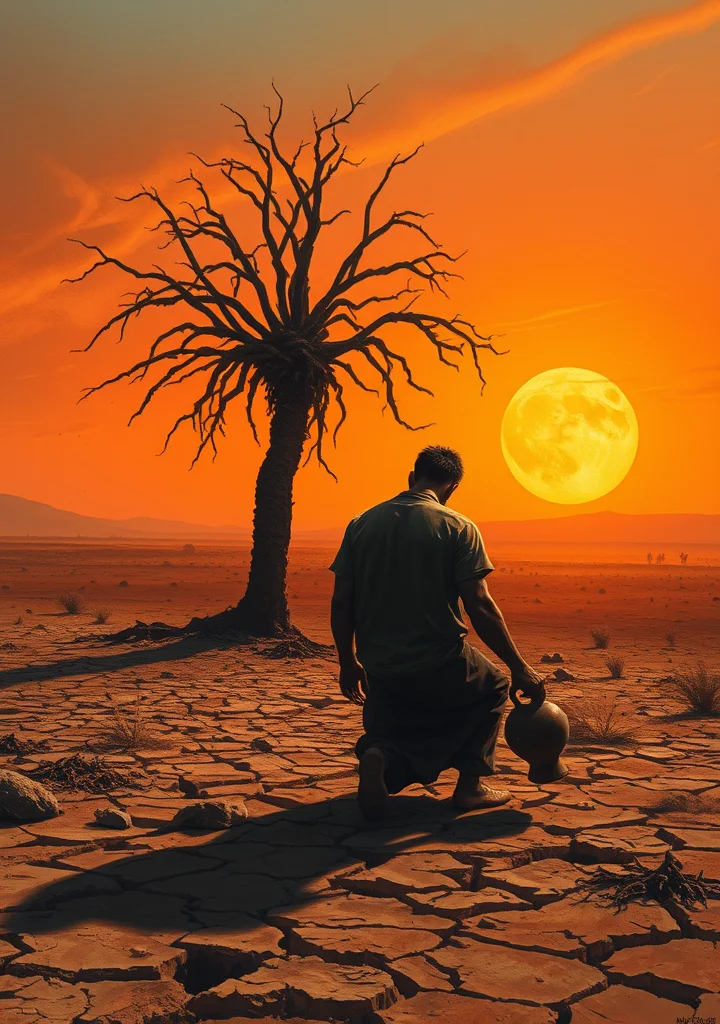
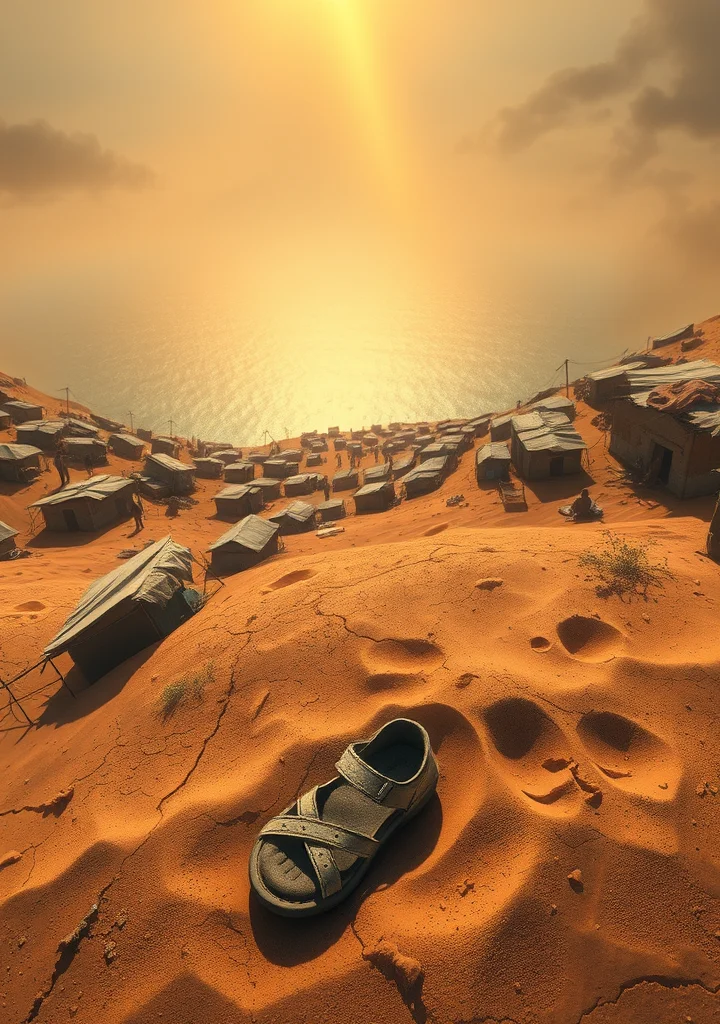
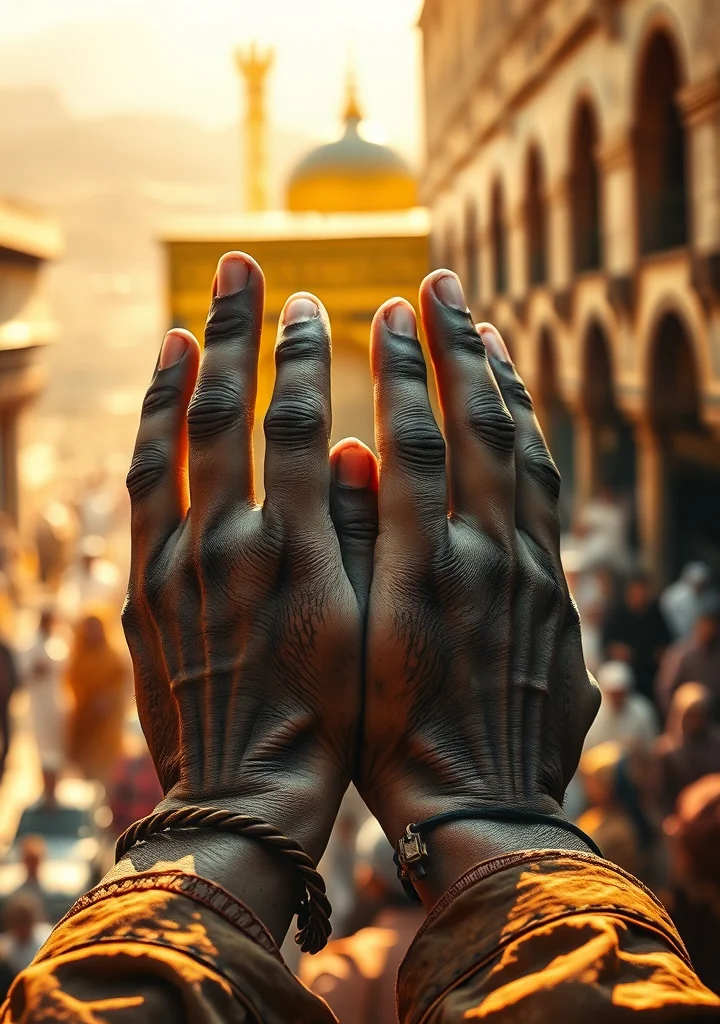
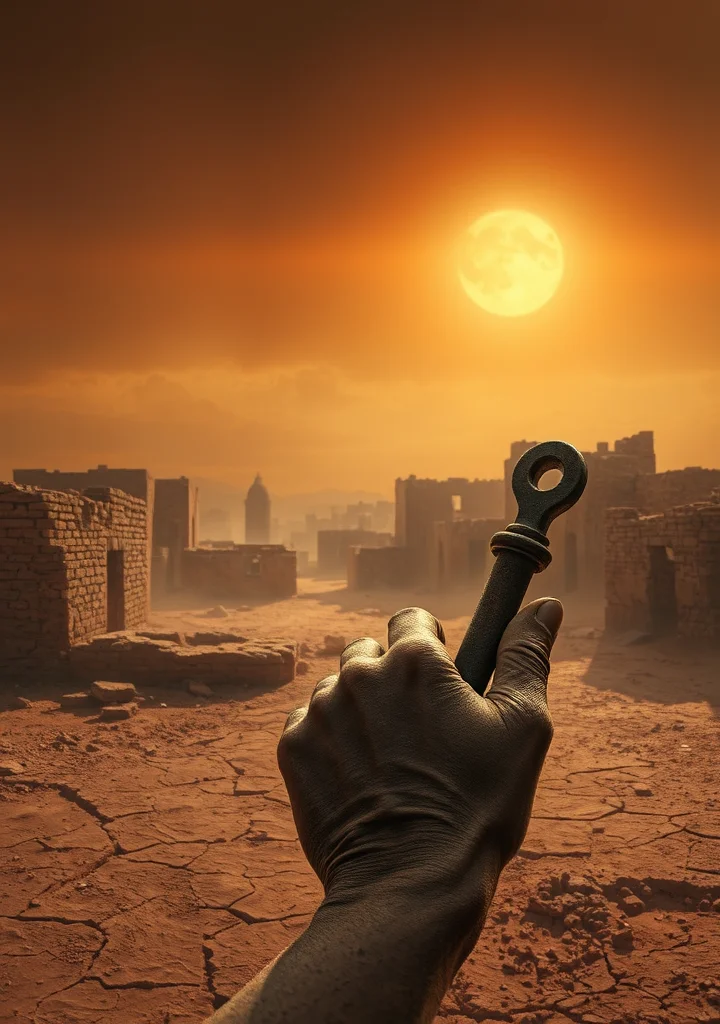
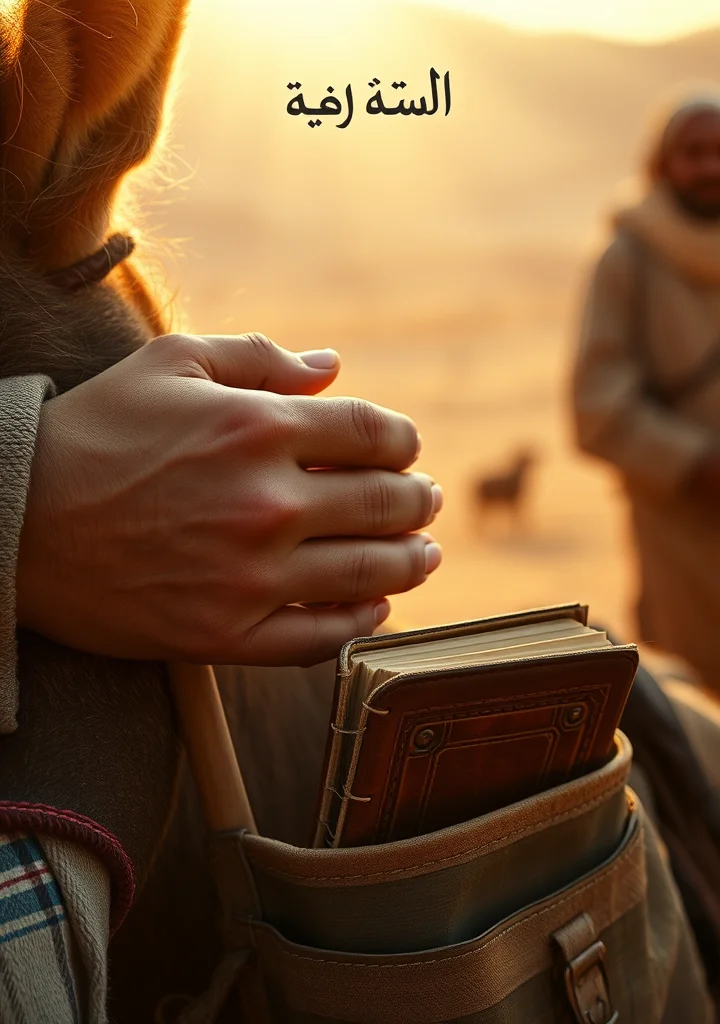
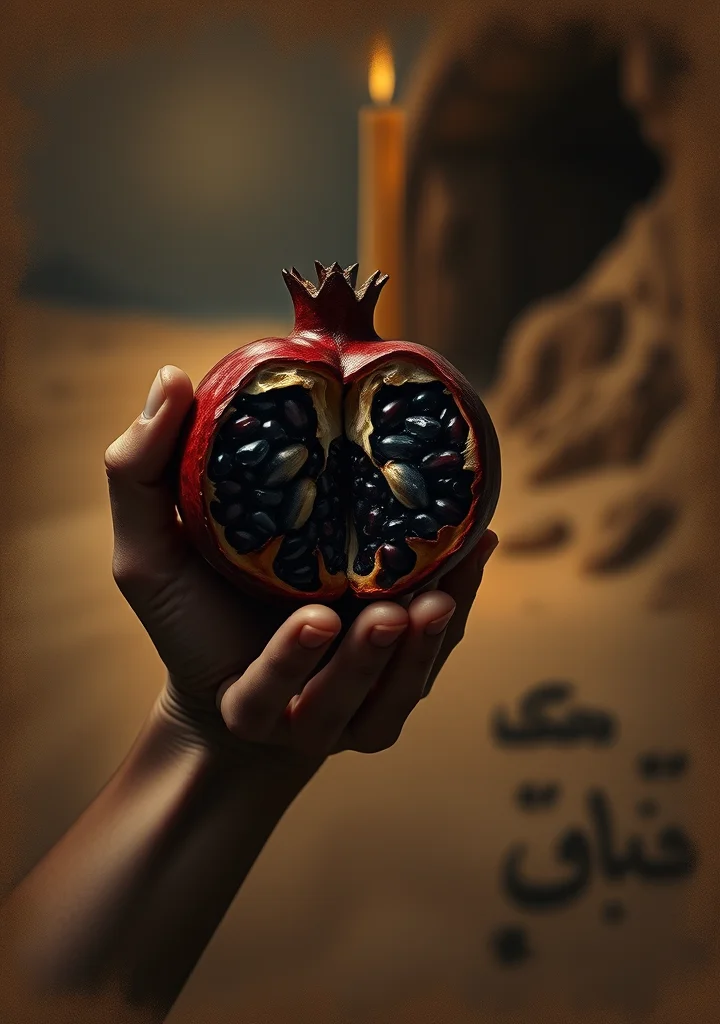
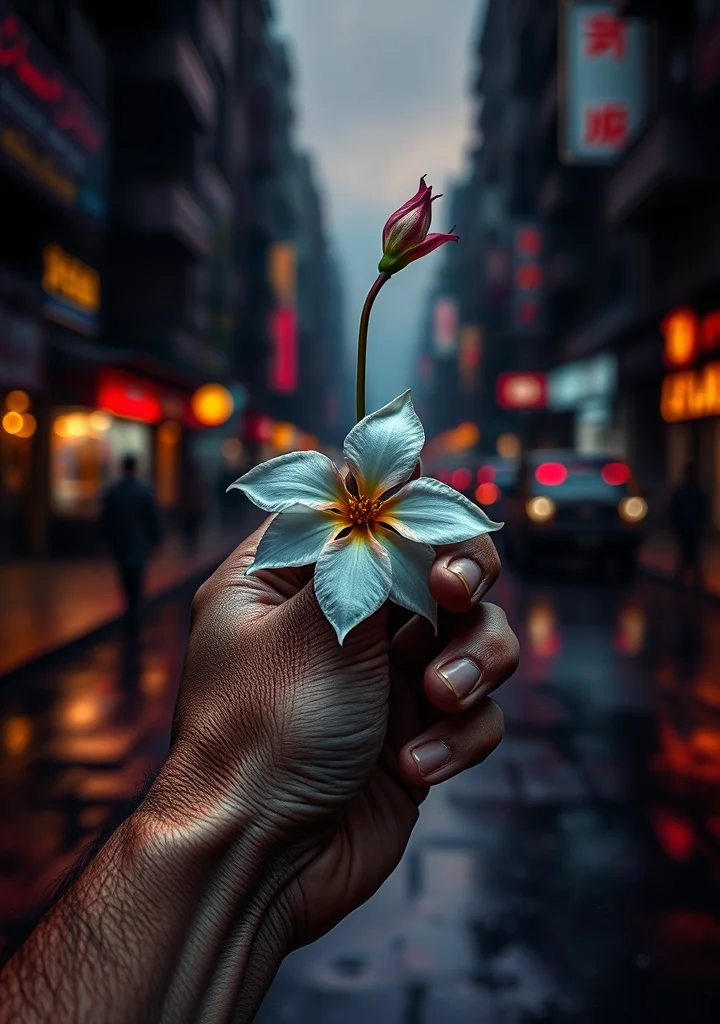
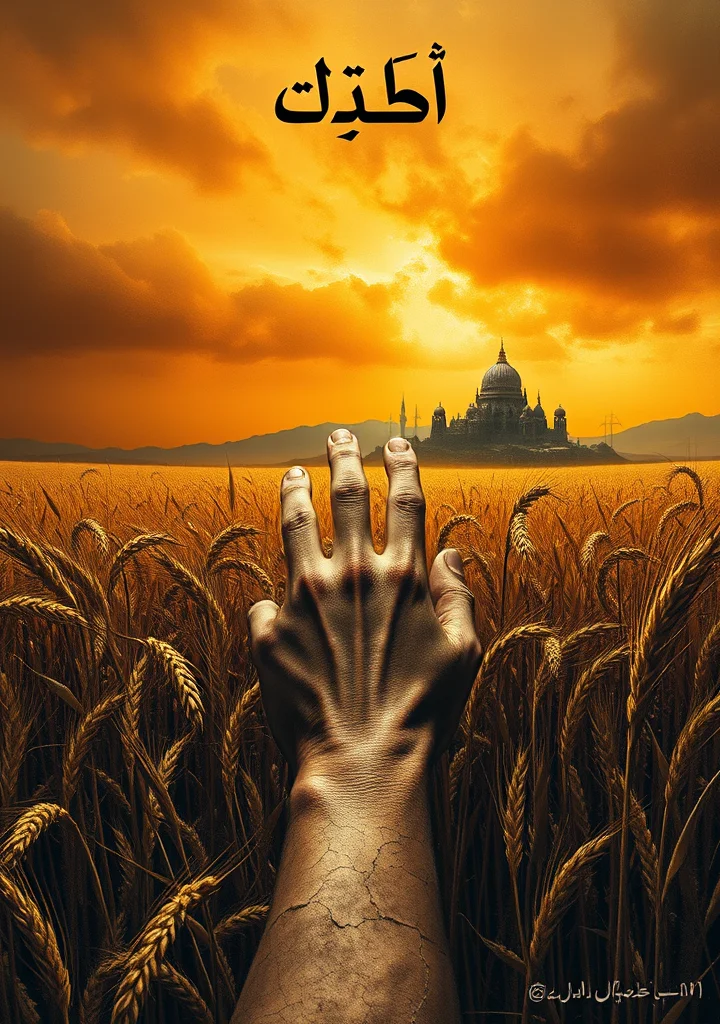
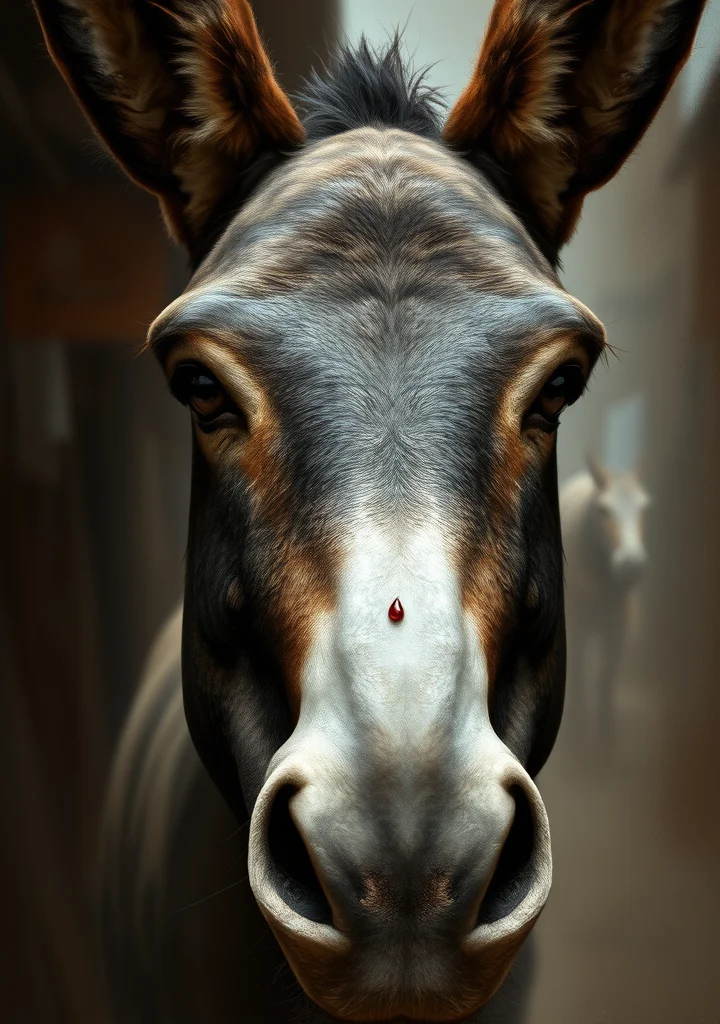
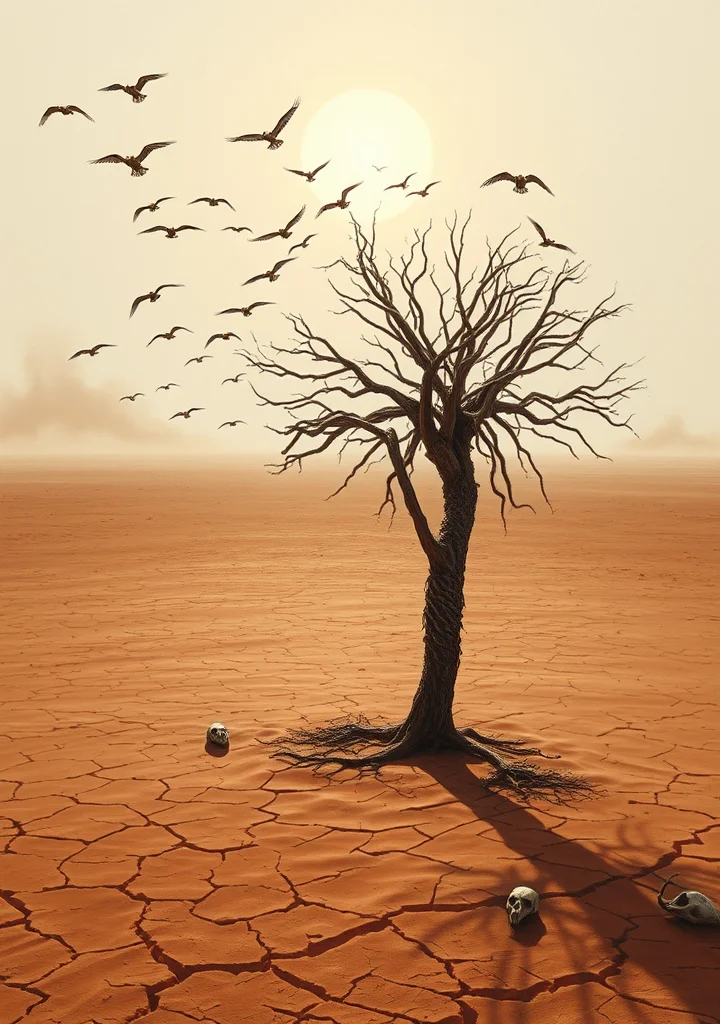
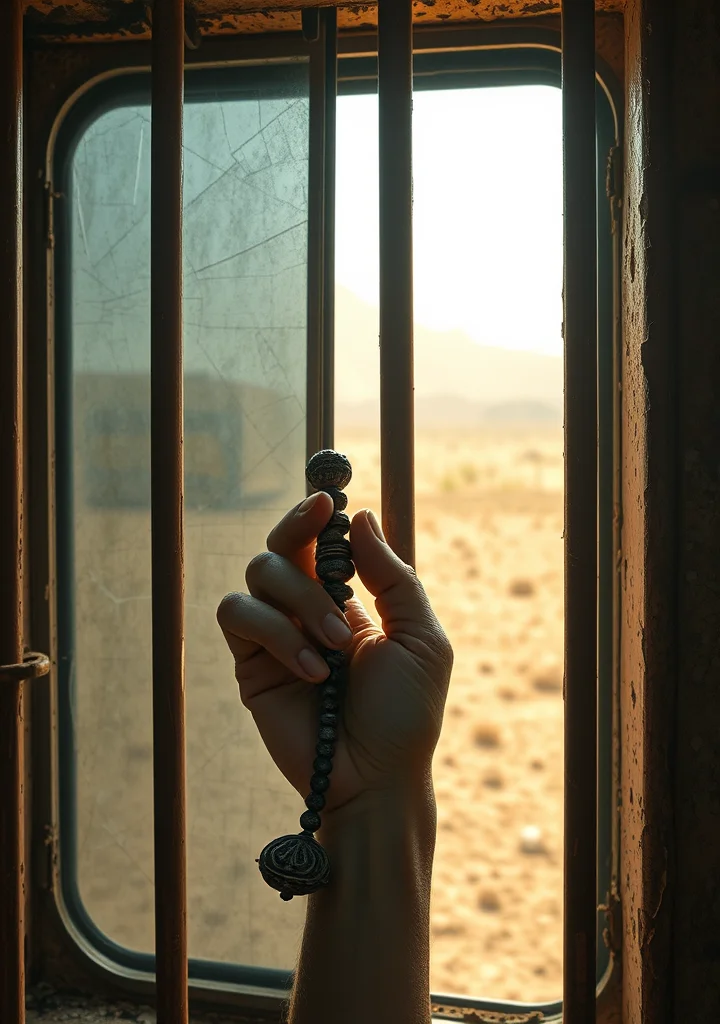
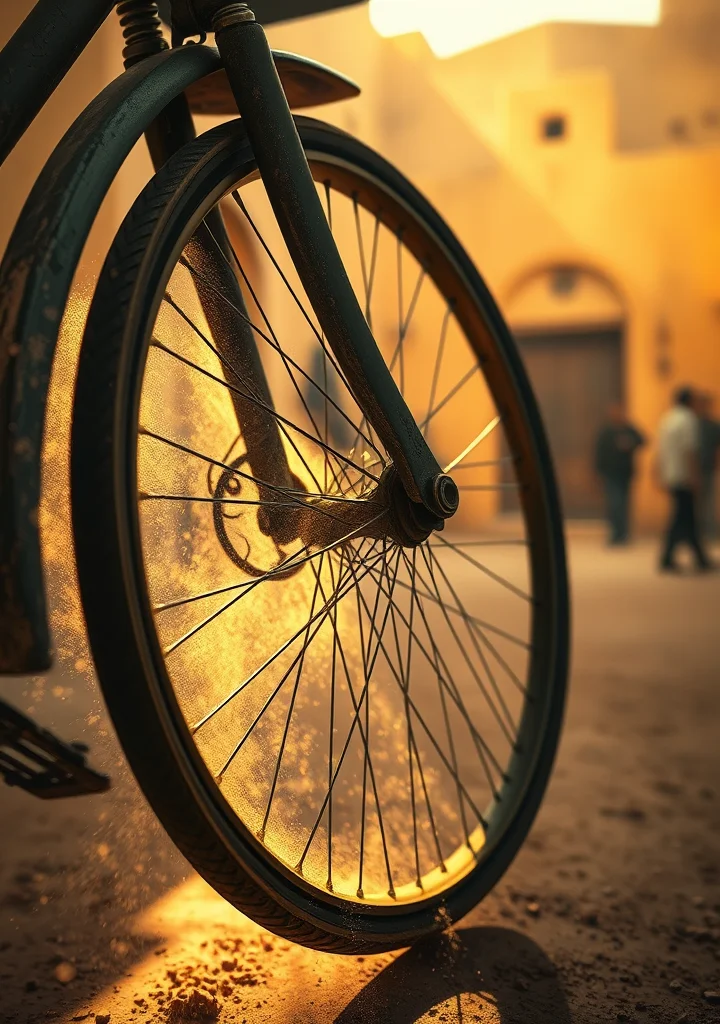
تدور الرواية حول عالمٍ يختلط فيه قلق الأمومة بتوقّعات الفتى. تتناول هذه الصفحات الأولى مشاهد من الحياة اليومية، بدءًا من ترقب قيادة الدراجة الجديدة، مرورًا بتأثير الخوف المتزايد على سلوك الأسرة في ظلّ الظروف المحيطة. كما يبرز في هذه الأجزاء فضول طفلٍ يواجه أسئلة محرمة ويتفاعل مع معلميه وأمه، ويستكشف معنى الدين والسياسة في محيطه. ينسج السرد أيضًا صورًا حنينية لأيام الجمعة في حوش العم، حيث تتجلى تفاصيل الحياة البسيطة وأصداء بائعي الصرّة والمثلجات. هذه المقتطفات وترسم صورة عن عالمٍ يتأمل ويتساءل، ويستكشف معنى الوجود في ظلّ الظروف المتغيرة.
Copyright: All Rights Reserved
No person is allowed to use, redistribute, or modify your work in any form without your explicit permission.
No person is allowed to use, redistribute, or modify your work in any form without your explicit permission.
Chapter List
-
« مقدمة »📖 Continue Reading
-
« الفصل الثالث »
-
« الفصل الرابع »
-
« الفصل الخامس »
-
« الفصل السابع »
-
« الفصل الثامن »
-
« الفصل التاسع »
-
« الفصل العاشر »
-
« الفصل الحادي عشر »
-
« الفصل الثاني عشر »
-
« الفصل الأول »
-
« الفصل الثاني »
-
« الفصل الثالث »
-
« الفصل الرابع »
-
« الفصل الخامس »
-
« الفصل السادس »
-
« الفصل السابع »
-
« الفصل الثامن »
-
« الفصل التاسع »
-
« الفصل العاشر »
-
« الفصل الحادي عشر »
-
« الفصل الثاني عشر »
-
« الفصل الثالث عشر »
-
« الفصل الرابع عشر »
-
« الفصل الخامس عشر »
-
« الفصل السادس عشر »
-
« الفصل الثاني »
-
« الفصل الثالث »
-
« الفصل الرابع »
-
« الفصل الخامس »
-
« الفصل السادس »
-
« الفصل السابع »
-
« الفصل الثامن »
-
« الفصل التاسع »
-
« الفصل العاشر »
-
« الفصل الحادي عشر »
-
« الفصل الثاني عشر »
-
« الفصل الثالث عشر »
-
« الفصل الأول »
39
-
« مقدمة »
-
« الفصل الثالث »
-
« الفصل الرابع »
-
« الفصل الخامس »
-
« الفصل السابع »
-
« الفصل الثامن »
-
« الفصل التاسع »
-
« الفصل العاشر »
-
« الفصل الحادي عشر »
-
« الفصل الثاني عشر »
-
« الفصل الأول »
-
« الفصل الثاني »
-
« الفصل الثالث »
-
« الفصل الرابع »
-
« الفصل الخامس »
-
« الفصل السادس »
-
« الفصل السابع »
-
« الفصل الثامن »
-
« الفصل التاسع »
-
« الفصل العاشر »
-
« الفصل الحادي عشر »
-
« الفصل الثاني عشر »
-
« الفصل الثالث عشر »
-
« الفصل الرابع عشر »
-
« الفصل الخامس عشر »
-
« الفصل السادس عشر »
-
« الفصل الثاني »
-
« الفصل الثالث »
-
« الفصل الرابع »
-
« الفصل الخامس »
-
« الفصل السادس »
-
« الفصل السابع »
-
« الفصل الثامن »
-
« الفصل التاسع »
-
« الفصل العاشر »
-
« الفصل الحادي عشر »
-
« الفصل الثاني عشر »
-
« الفصل الثالث عشر »
-
« الفصل الأول »
More like this