
-
Read 493
-
0
-
Part 31
Completed, First published Mar 02, 2026
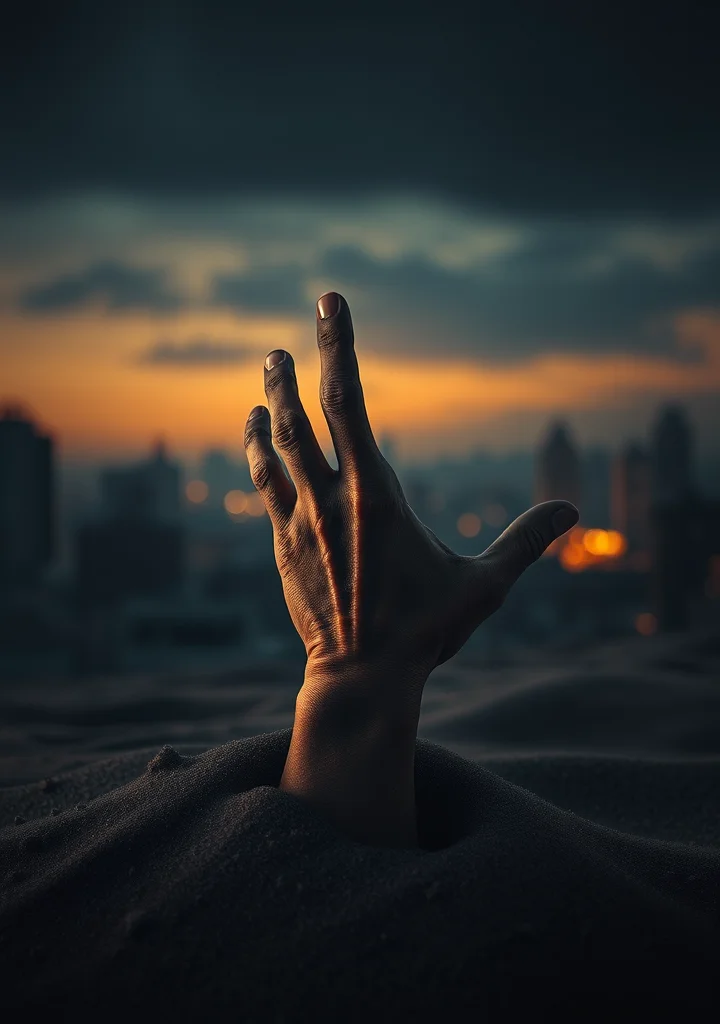
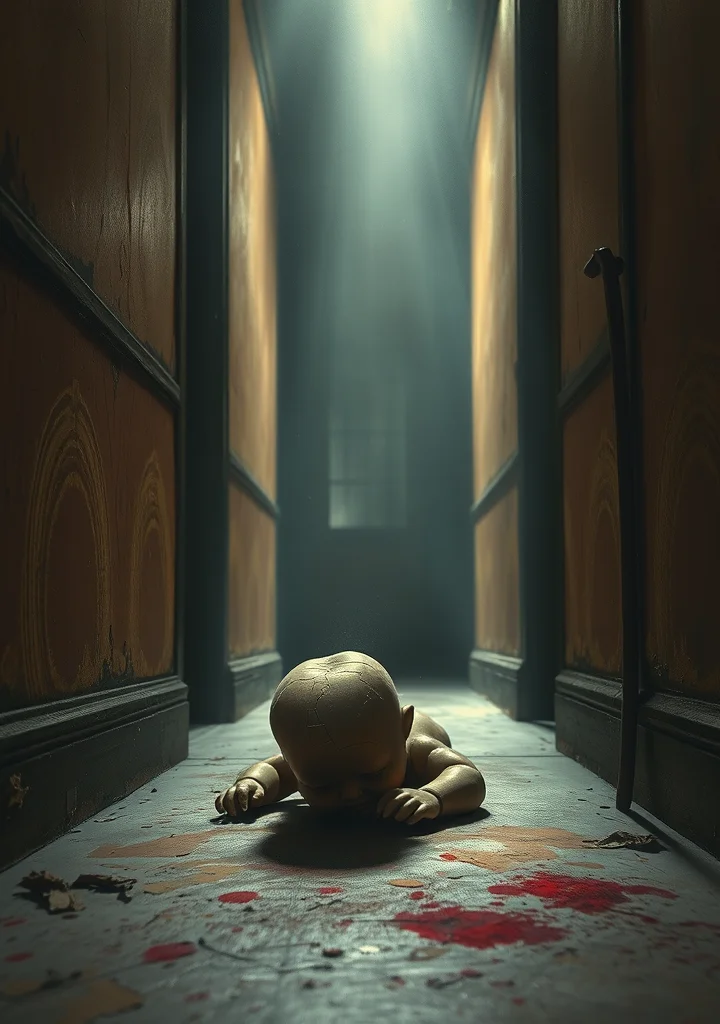
Dust motes dance in the perpetual twilight of Harlem hallways, clinging to the laughter that cracks like brittle bone. This isn’t joy, but a desperate, echoing sound rebounding off shadowed walls where dreams fray and ambitions wither. A lineage of hardship, each chuckle laced with the sting of deferred hopes, permeates the air thick with coal smoke and simmering resentments. The novel breathes with the claustrophobia of brownstone steps and the weight of promises broken on stoops. A pervasive melancholy clings to the vibrant music, to the church suppers, to the very faces etched with a weariness that belies their smiles. It’s a city steeped in a blues-tinged nostalgia, where every moment of merriment is haunted by the ghosts of what could have been, what *should* have been. The laughter itself is a fragile defense against the encroaching darkness, a flickering candle against a rising tide of disillusionment. You’ll feel the grit of the city under your fingernails, taste the bitterness on your tongue, and hear the mournful echo of unfulfilled potential in every burst of forced gaiety. It’s a slow unraveling, not of plot, but of spirit, witnessed through eyes already shadowed by the knowledge of a life lived on the margins.
Copyright: Public Domain
This license allows anyone to use your story for any purpose, including printing, selling, or adapting it into a film freely.
This license allows anyone to use your story for any purpose, including printing, selling, or adapting it into a film freely.
More like this