
McTeague
  • 187
  • 0
  • 25
  • Reads 187
  • 0
  • Part 25
Completed, First published Mar 02, 2026

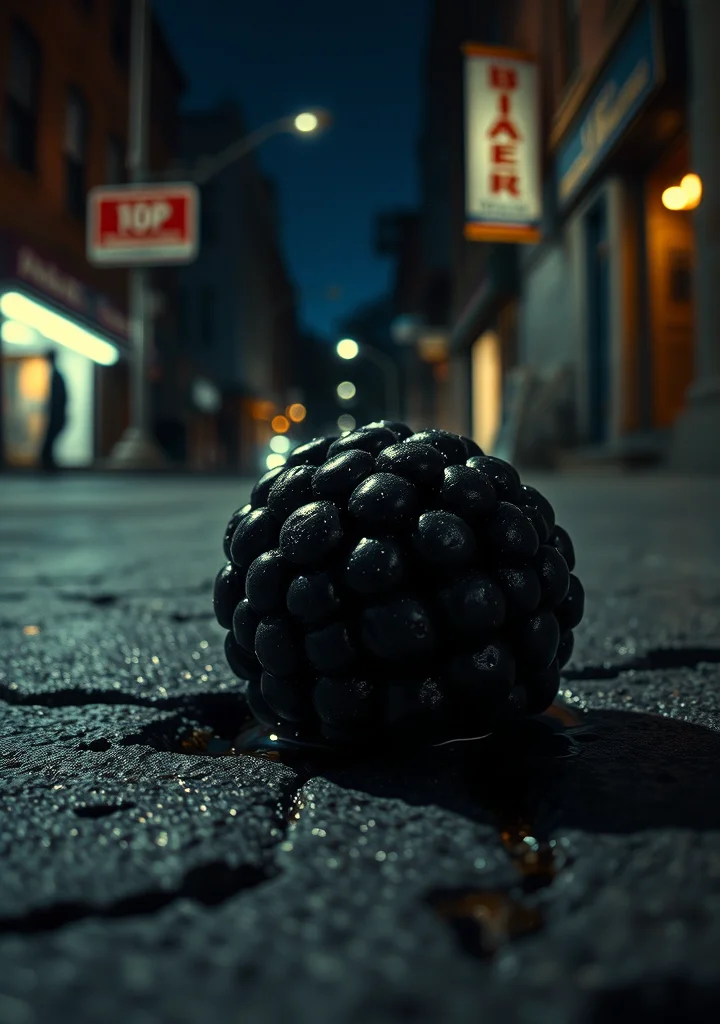
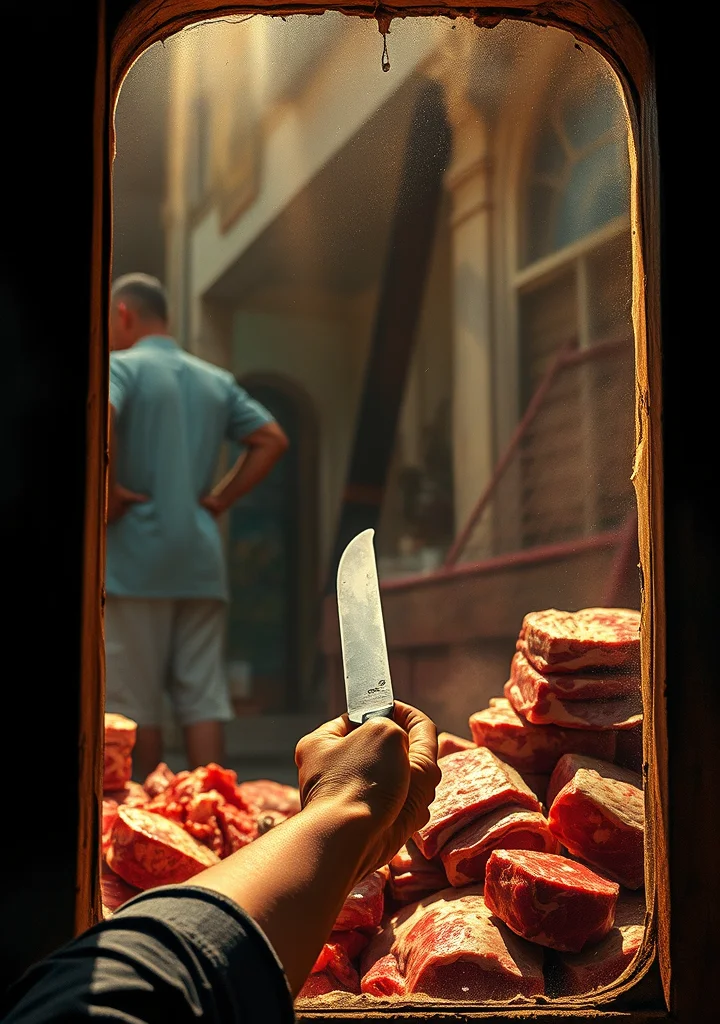
Dust motes dance in the perpetual twilight of San Francisco’s tenements, mirroring the slow decay of McTeague’s soul. The narrative clings to the city like fog, a suffocating weight of predestination where animal instinct burrows beneath the veneer of respectability. It begins with a prize-winning bull, and ends with a descent into brutal obsession—a spiraling darkness fueled by avarice and the gnawing hunger of thwarted desire. The air is thick with the scent of stale beer and sour defeat, the rooms claustrophobic with the weight of McTeague’s failures. Every chipped porcelain tooth, every stained coin, every twitch of a muscle speaks of a creeping hopelessness. A woman, fragile as a moth, becomes the focal point of a corrosive fixation, a possession that curdles into something monstrous. The streets themselves become a character, echoing with the clatter of hooves and the hushed desperation of lives lived on the periphery. The narrative doesn’t offer redemption, only the grim arithmetic of consequence. It’s a story of how easily a man, stripped of purpose, can be hollowed out by circumstance, becoming a creature of habit, of instinct, ultimately consumed by the very darkness he sought to escape. The ending isn't a climax, but a slow, agonizing erosion into the unforgiving stone of the city.
Copyright: Public Domain
This license allows anyone to use your story for any purpose, including printing, selling, or adapting it into a film freely.
Recommended for you
23 Part
Beneath a bruised, equatorial sky, where the jungle breathes with suffocating humidity, this is not the Tarzan of legend, but a descent into a fever-dream of forgotten civilizations. The familiar echoes of his apanage are warped by the discovery of a subterranean world—a hive of chitinous bodies and clicking mandibles, a kingdom carved from the earth’s decaying heart. Here, amidst phosphorescent fungi and the drip of unseen waters, the line between man and insect blurs, and the savage grace of Tarzan is tested against a horror older than the jungle itself. The air hangs thick with the scent of decay and something acridly sweet, a perfume of living rot. Ancient, cyclopean structures rise from the darkness, their surfaces crawling with a silent, insidious life. This is a realm of perpetual twilight, where shadows twist into monstrous shapes and the whispers of the ant-men carry on currents of suffocating dread. Tarzan’s strength is not enough to conquer, only to survive, as he unravels a lineage of monstrous royalty and discovers that the apes of his youth were but a pale imitation of the true masters of this green hell. A creeping paranoia blooms within him, fueled by the knowledge that every grain of sand, every drop of water, holds the potential for a million biting, stinging deaths. It is a descent into a darkness where the very soil seems to conspire against him, and where the screams of the jungle are drowned out by the relentless, chitinous chorus of the underworld.

148 Part
A creeping dread clings to the Dorset coast, a salt-laced miasma rising from the crumbling cliffs and shadowed coves. The village of Little Porthaven holds its secrets tight, woven into the very stone of its cottages and the mournful cry of the gulls. Old Man Tremaine, they say, died of the bread – not the eating of it, but the *making* of it. His final loaf, vast and swollen with a sickening sweetness, was found cooling on the sill, a grotesque parody of domestic comfort. But the bread wasn’t merely a final act. It was a symptom. A slow rot spreading through the Tremaine household, mirroring the insidious decay of the manor itself. Whispers of ancient pacts with the sea, of bargains struck with things best left undisturbed in the black depths, cling to the scent of yeast and flour. The new owners, the Harwoods, arrive seeking respite, unaware they’ve walked into a tomb already claimed. Each slice cut from the giant loaf seems to bleed a little more of the village’s history, staining the air with a cloying guilt. The scent of it clings to the fingers, to the linen, to the very thoughts of those who dare to taste it. It’s a flavor of loss, of forgotten gods, of a hunger that cannot be sated by mortal hands. The house itself breathes, exhaling the cold breath of something ancient and hungry. The shadows lengthen, not with the fall of dusk, but with the weight of the bread itself, pressing down on the living until they too, become part of its slow, suffocating bloom.
12 Part
Dust motes dance in the perpetual twilight of the Leblanc estate, a crumbling manor where shadows cling to velvet draperies like mourners. Within its suffocating embrace, a lineage steeped in melancholic ritual unravels with each chime of the ancestral clock—a morbid heartbeat marking eight generations consumed by a singular, insidious obsession. The narrative bleeds into the very stone of the house, a slow corruption mirroring the decline of the family’s sanity. Each stroke of the clock doesn't measure time, but the fracturing of a soul, the unraveling of a legacy built on stolen breaths and whispered bargains with the encroaching darkness. A suffocating atmosphere of decay permeates every page, thick with the scent of wormwood and regret. The story unfolds through fragmented letters, fevered diary entries, and the increasingly erratic pronouncements of a caretaker haunted by echoes of the past. The estate itself becomes a character—a labyrinth of forgotten chambers and corridors where the air hangs heavy with unspoken horrors. The reader is drawn not towards resolution, but towards a descent into the heart of a madness that breeds in isolation, where the only true company is the relentless ticking of the clock and the chilling realization that the estate doesn't merely *contain* its ghosts—it *creates* them. The prose is a tapestry of dread, woven with the delicate threads of a family slowly dissolving into the very fabric of the house, swallowed by the echoes of eight strokes that herald not the hour, but oblivion.