
Gladiator
  • 162
  • 0
  • 25
  • Reads 162
  • 0
  • Part 25
Completed, First published Mar 02, 2026

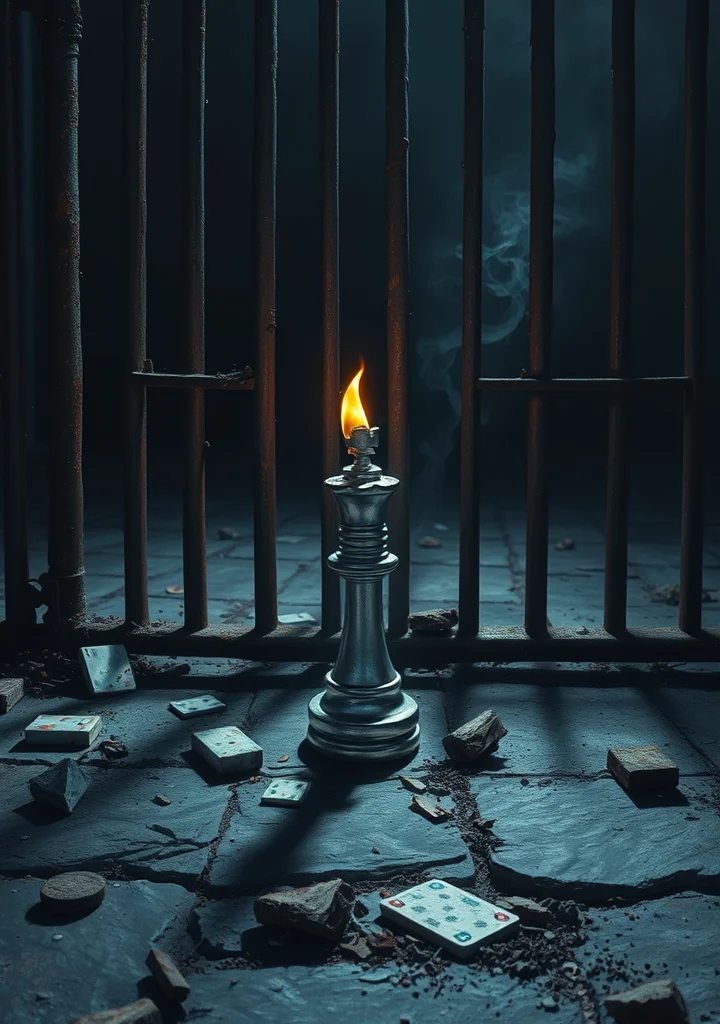
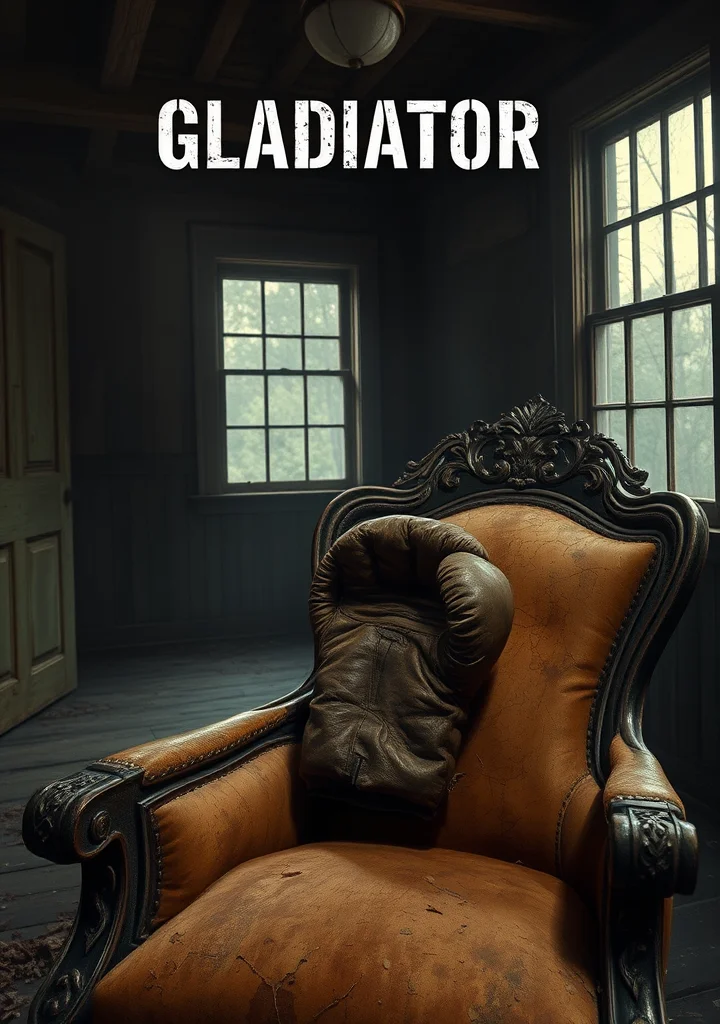
Dust motes dance in the perpetual twilight of a decaying American heartland. Wylie’s *Gladiator* doesn’t offer spectacle of the arena, but the brutal, slow-motion collapse of a man named Thorne—a man built for power, then systematically unmade. The novel breathes with the scent of oiled leather and stale ambition, echoing through cavernous, empty houses where the ghosts of fortunes lost linger. Thorne’s descent isn’t a fall from grace, but a corrosion, a peeling away of the veneer of civic virtue to reveal the raw, animal hunger beneath. The atmosphere is one of relentless, humid pressure—a world where every handshake feels like a claim, every silence a threat. There’s a creeping dread woven into the narrative, a sense that Thorne isn’t merely *defeated*, but *consumed* by the very forces he sought to command. The narrative clings to the shadows, mirroring Thorne's isolation as he is driven, almost surgically, from the circles of influence he once dominated. It's a story of quiet, agonizing disintegration, a chilling testament to the fragility of even the most imposing structures—both within a man, and within the American dream itself. The echoes of violence aren’t found in open wounds, but in the subtle fractures that splinter a life, leaving behind only the hollow shell of a once formidable figure.
Copyright: Public Domain
This license allows anyone to use your story for any purpose, including printing, selling, or adapting it into a film freely.

Recommended for you
70 Part
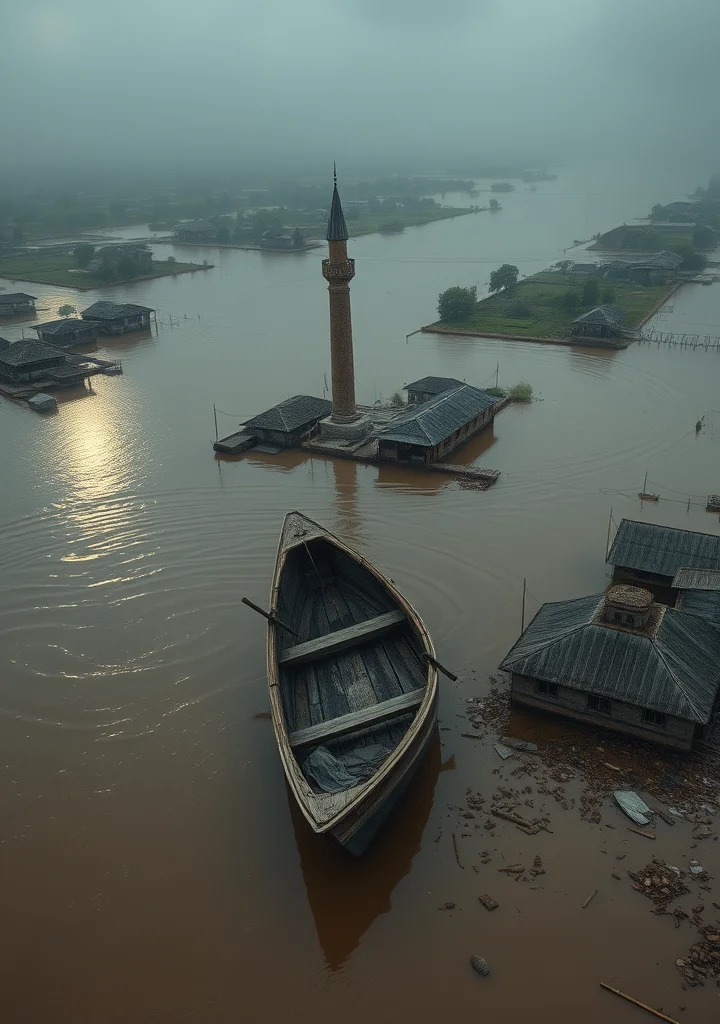
A creeping dread settles over the marshlands of Anglia, mirroring the slow rot within the bones of its last kings. Morris weaves a tale not of glorious battle, but of a world drowning—not in water alone, but in the melancholic decay of forgotten gods and the venomous whispers of those who would usurp them. The narrative clings to the peat bogs like a clinging mist, smelling of salt and brine, of drowned things and the iron tang of blood. Villages vanish beneath encroaching tides, their stone foundations swallowed by the relentless grey, while within crumbling halls, the remnants of a fractured kingdom barter with shadow-things for survival. Each chapter feels like a descent into a waterlogged grave, the prose thick with the weight of loss and the insidious bloom of fungal blooms on rotting timbers. The sun, when it dares to appear, casts no warmth, only long, skeletal shadows stretching across the drowned fields. A sense of inevitable collapse permeates every line; not a heroic struggle against fate, but a mournful acceptance of its glacial, crushing embrace. The flood isn’t merely a rising water level, but a fracturing of the world itself, revealing the skeletal truths of a land consumed by its own melancholic past. The voices that linger are not those of the living, but the drowned echoes of kings, lovers, and children, murmuring from beneath the surface, beckoning the reader to join them in the cold, suffocating embrace of the sundering flood.

24 Part
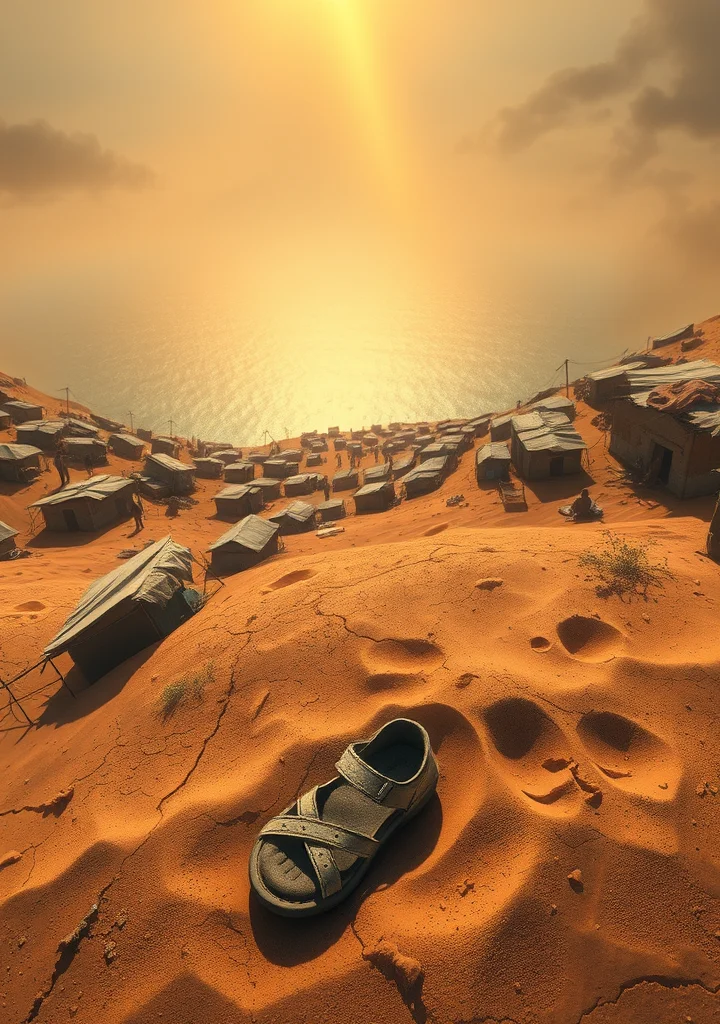
The salt-crusted stones of Sardinia bear witness to a grief older than the granite they’re carved from. Here, where the wind tastes of brine and regret, a woman named Agata is not merely unbound from her marriage, but *unmade* by it. The aftermath isn’t freedom, but a slow, creeping dissolution into the landscape’s own desolate heart. Her house, once a haven, becomes a hollow echo of her former life, each room breathing with the ghost of a husband lost to the sea and a daughter consumed by a feverish, silent grief. Days bleed into nights under a bruised, plum-colored sky, mirroring Agata’s descent into a melancholic trance. The scent of myrtle and decay clings to everything, a suffocating sweetness that masks the bitterness of her solitude. The villagers whisper of curses and ill-omens, claiming the house itself mourns alongside Agata, absorbing her sorrow into its very foundations. But there’s a deeper current beneath the surface - a haunting awareness of the sea's cold embrace, a primal fear that her husband’s fate isn’t merely watery oblivion, but a claiming by something ancient and hungry. It’s a world where the lines between the living and the dead blur with the rising mist, and Agata’s unraveling is less a story of heartbreak than a surrender to the island's shadowed dominion. Every creak of the floorboards, every cry of the seabirds, feels like a warning – a chilling promise that even in letting go, she is irrevocably bound to the ghosts of her past.