
-
Read 123
-
0
-
Part 19
Completed, First published Apr 25, 2026
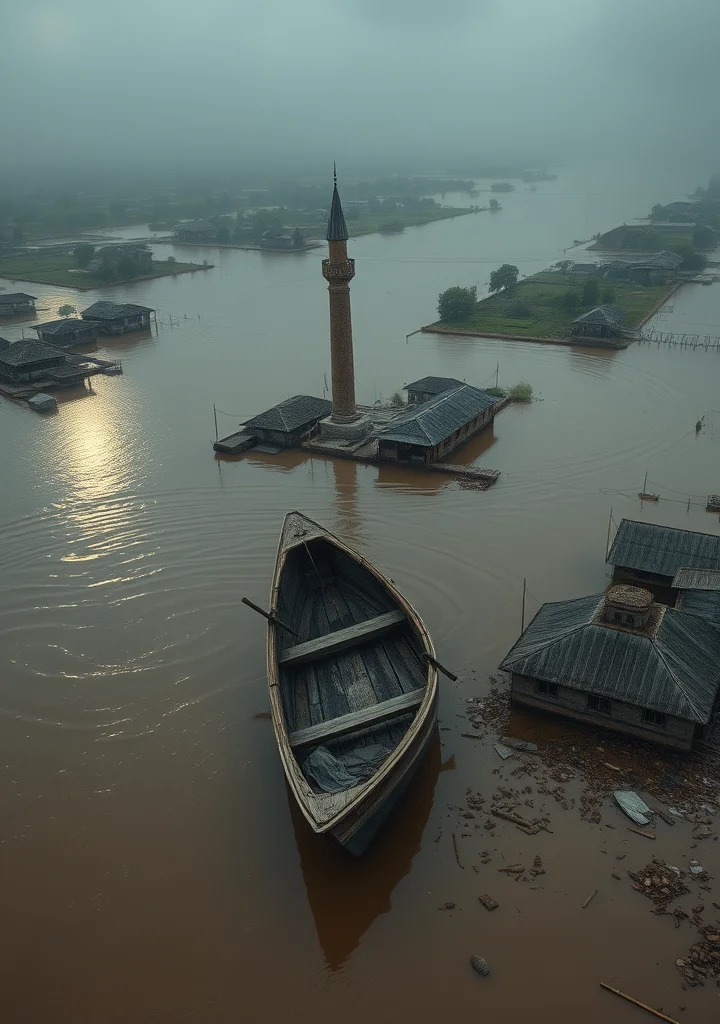
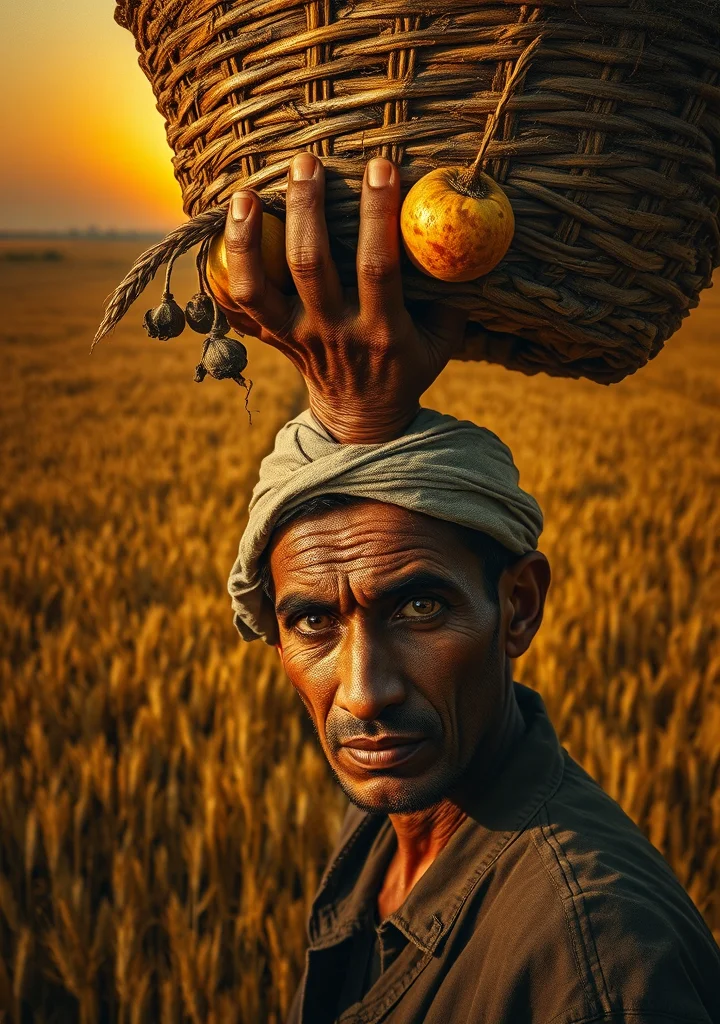
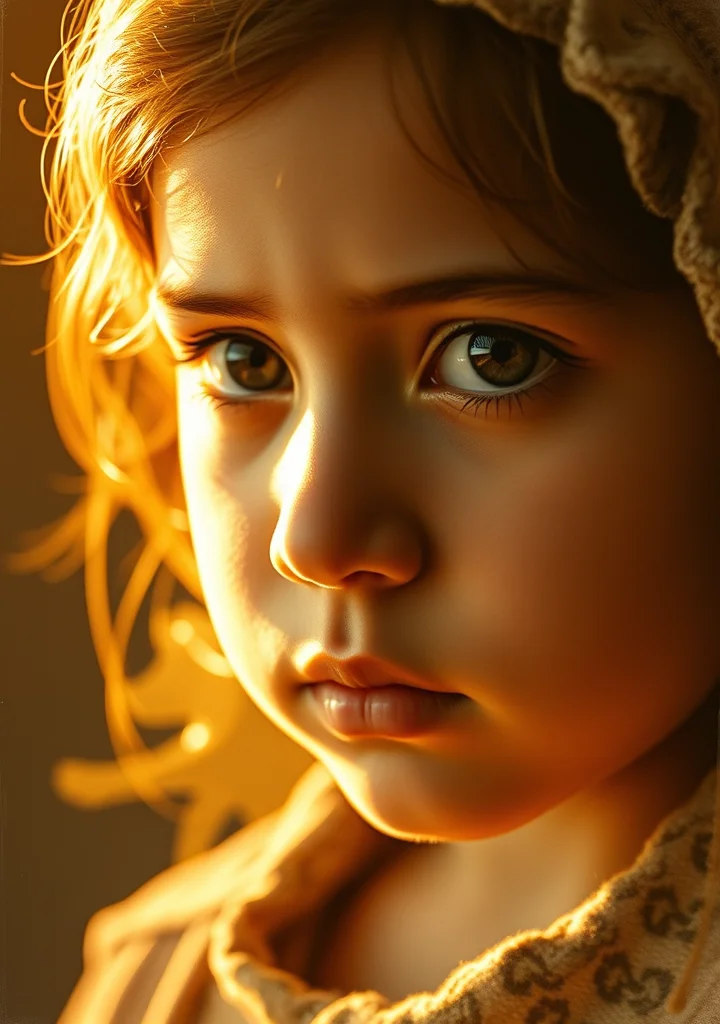
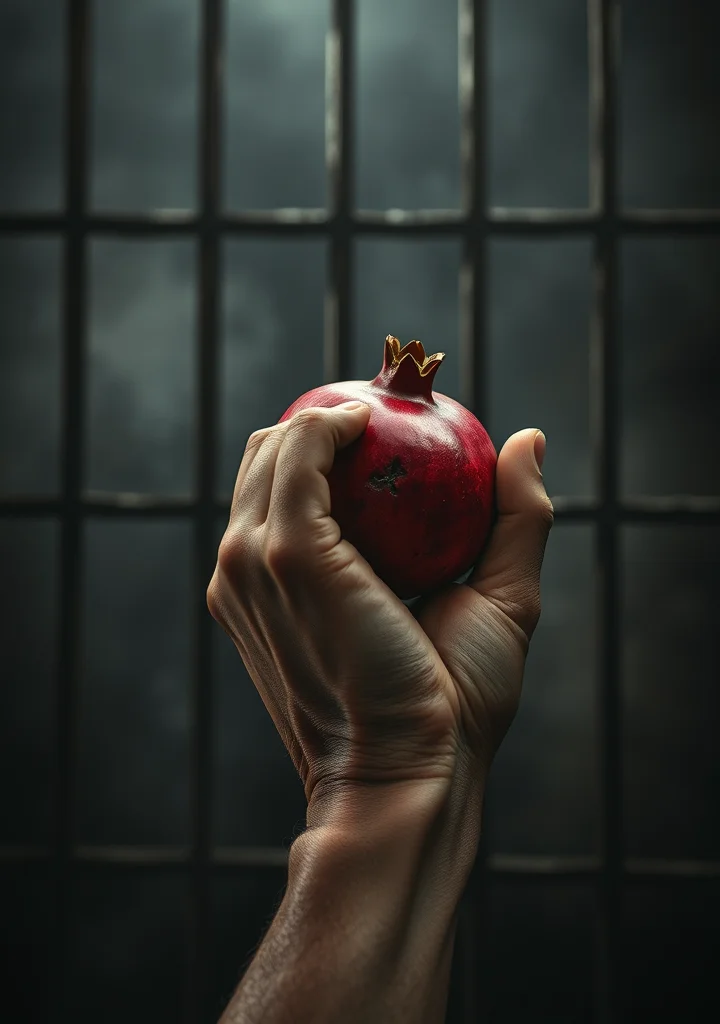
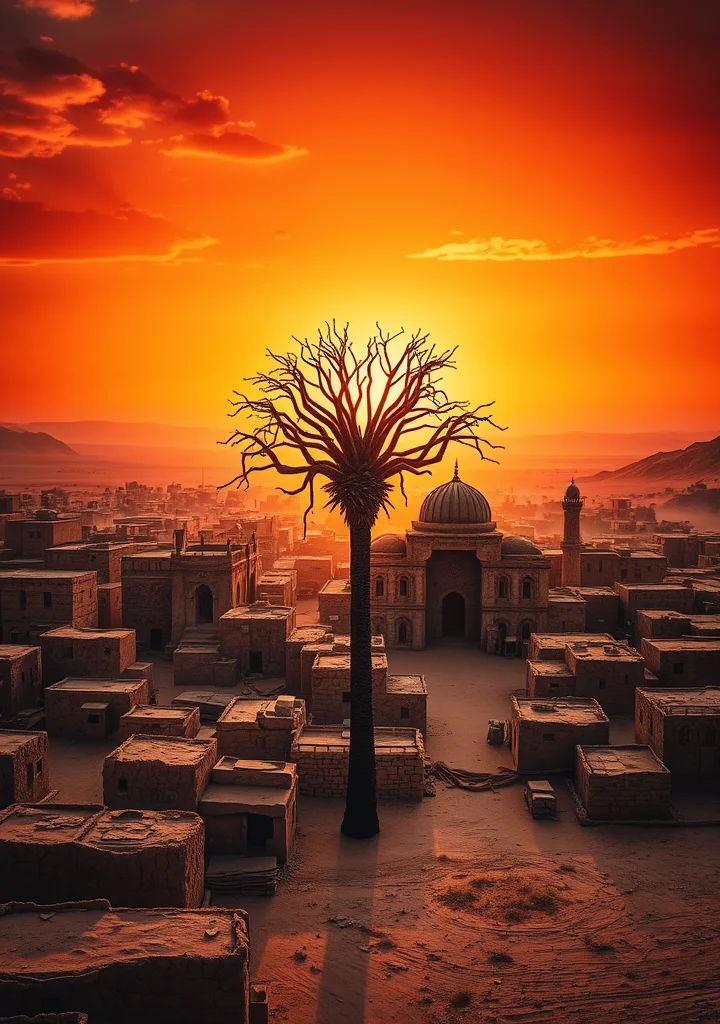
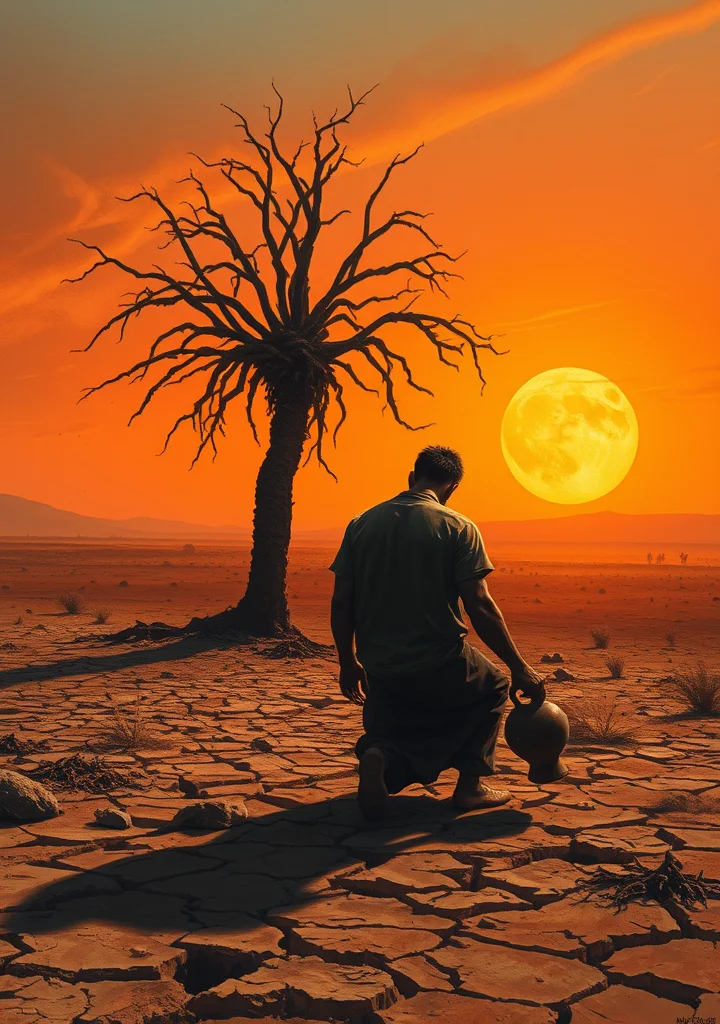
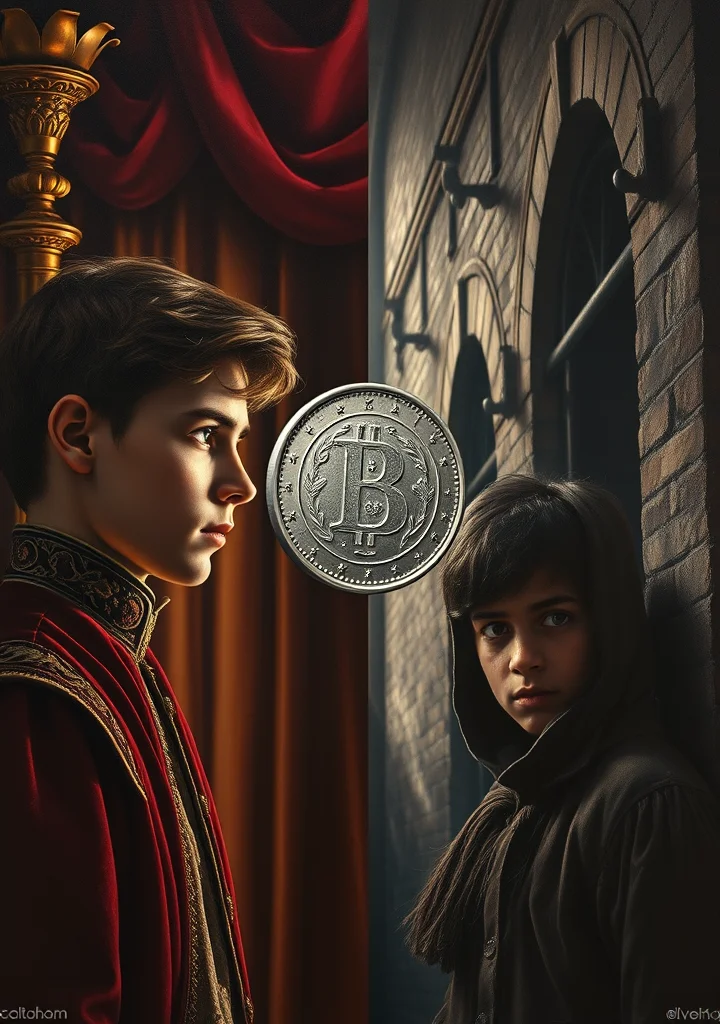
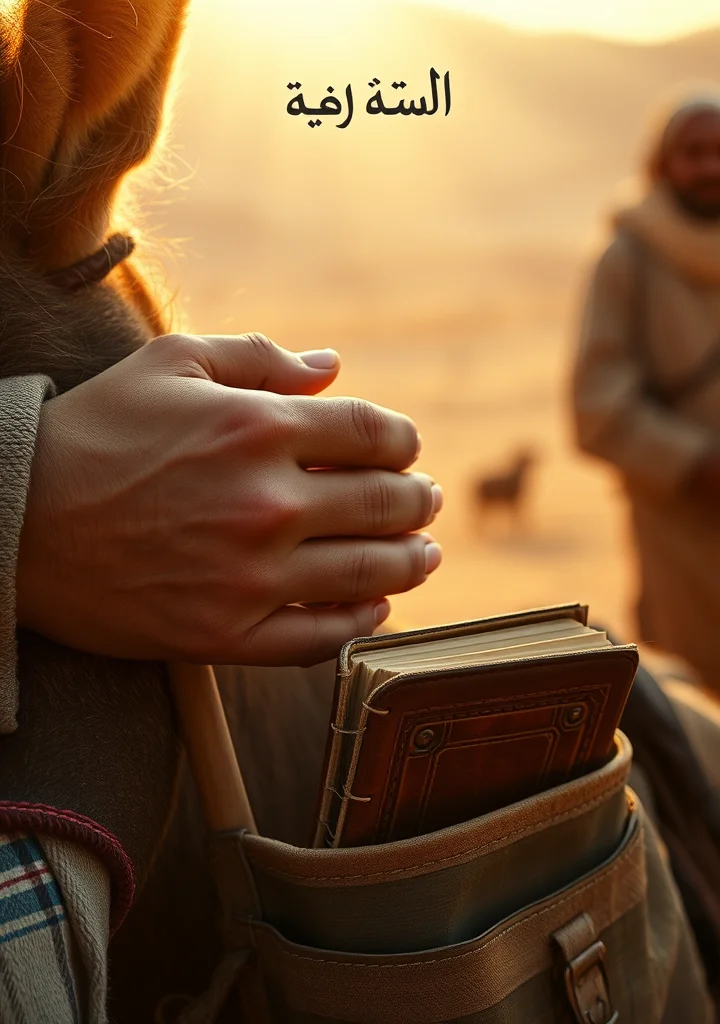
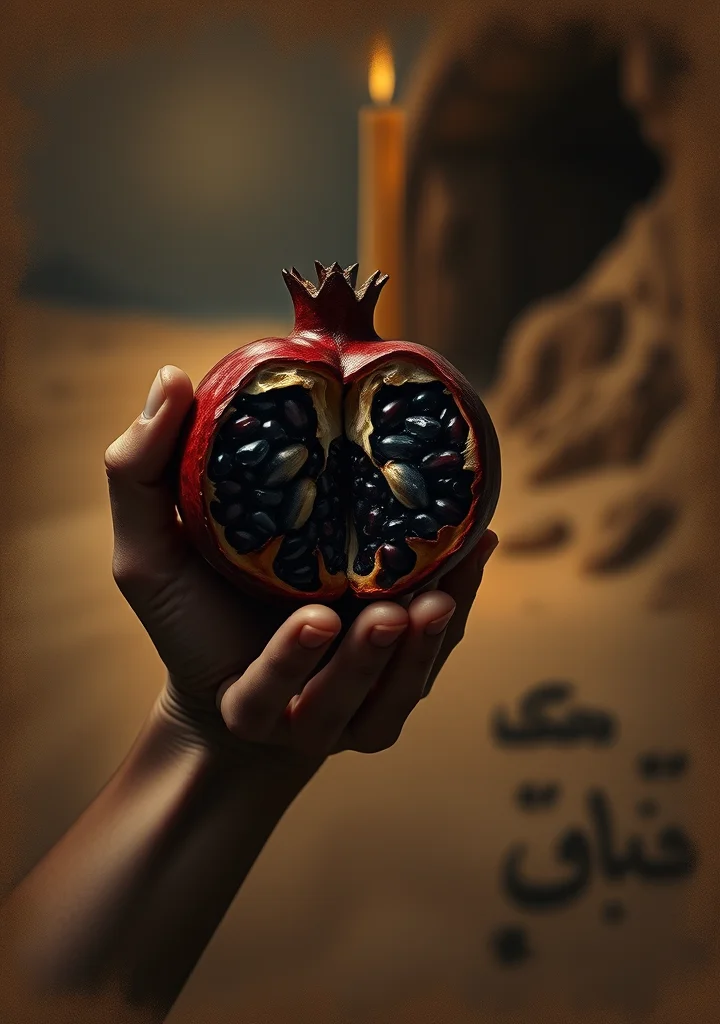
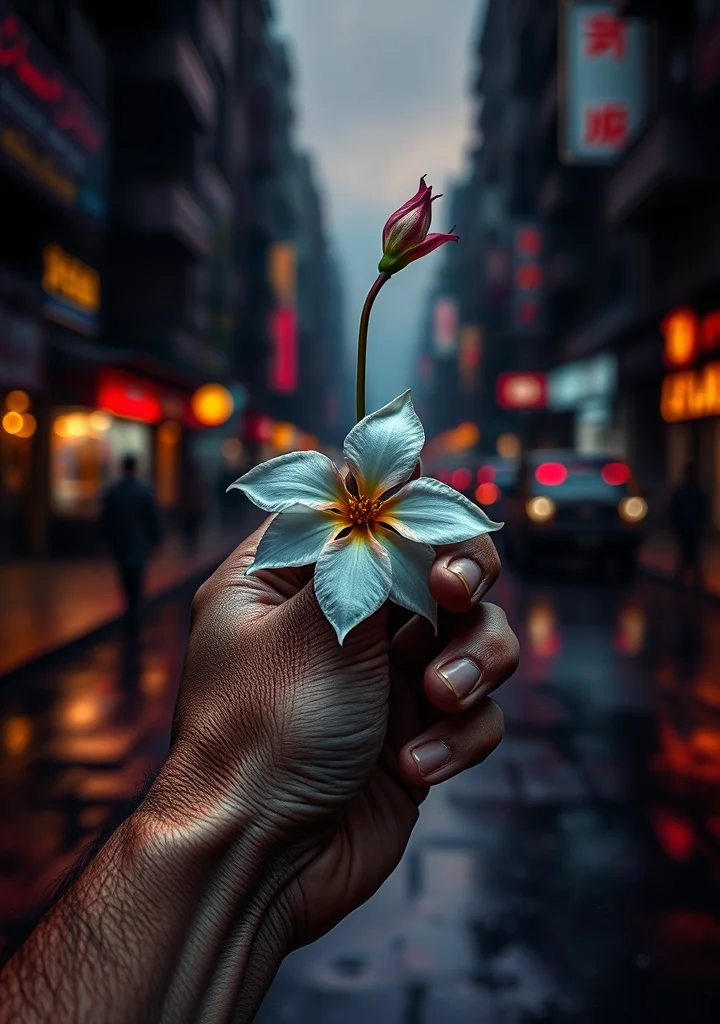
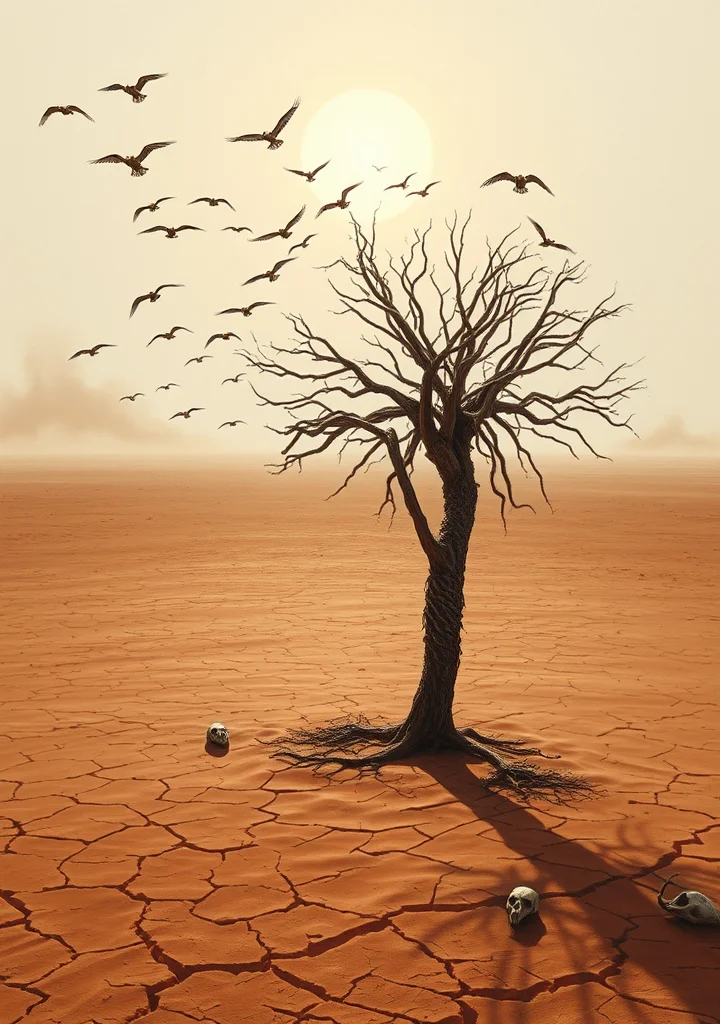
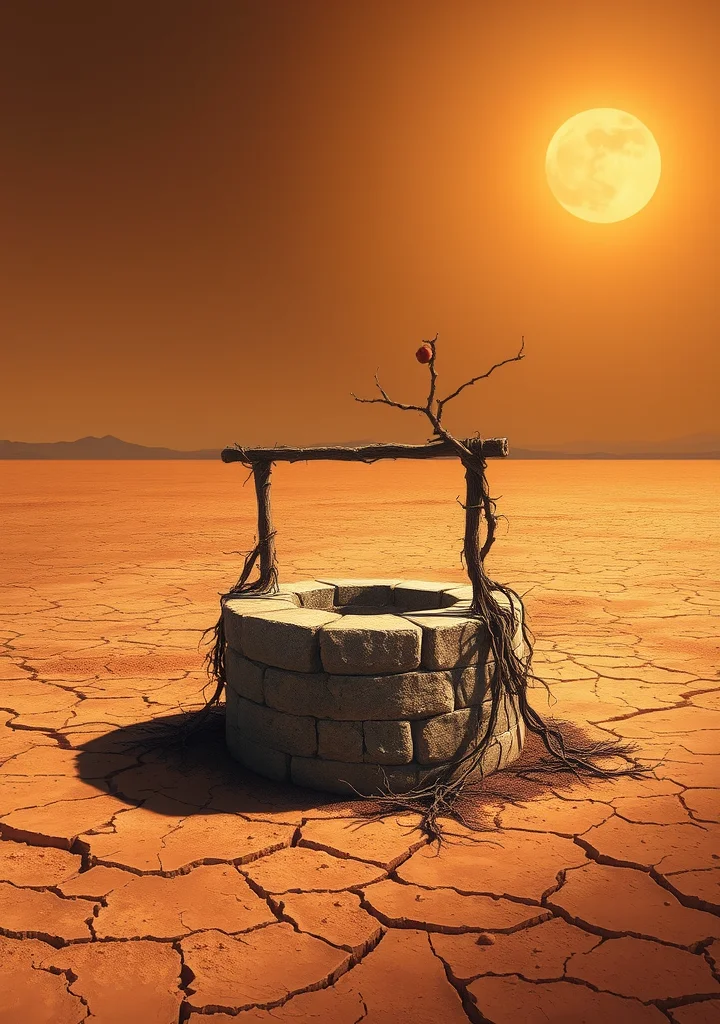
تدور الرواية حول عالم ريفي يعاني من شح المياه، حيث يتبادل المزارعون الهمس حول احتكار النبع من قبل رزوق. تتكشف في هذه الصفحات تفاصيل الحياة اليومية، من حوارات الأبناء مع آبائهم حول مصير المحاصيل، إلى تبادل الزوجات حديثهن عن قلقهن من هذا العوز. ينسج السرد عالمًا من التوتر الاجتماعي، حيث تتصاعد الخلافات حول إدارة البساتين وتوزيع المياه، وتظهر تنافسات خفية على السلطة والنفوذ. يختتم النص بوصف ليل البساتين وأصوات الحيوانات، معبرًا عن حنين إلى طبيعة كانت ذات يوم مصدرًا للرخاء. ووترسم هذه الصفحات صورة عن صراع على الموارد وتأثيره على العلاقات الإنسانية.
Copyright: All Rights Reserved
No person is allowed to use, redistribute, or modify your work in any form without your explicit permission.
No person is allowed to use, redistribute, or modify your work in any form without your explicit permission.
Chapter List
-
« مقدمة »📖 Continue Reading
-
« الفصل الأول »
-
« الفصل الثاني »
-
« الفصل الثالث »
-
« الفصل الرابع »
-
« الفصل الخامس »
-
« الفصل السادس »
-
« الفصل السابع »
-
« الفصل الثامن »
-
« الفصل التاسع »
-
« الفصل العاشر »
-
« الفصل الحادي عشر »
-
« الفصل الثاني عشر »
-
« الفصل الثالث عشر »
-
« الفصل الرابع عشر »
-
« الفصل الخامس عشر »
-
« الفصل السادس عشر »
-
« الفصل السابع عشر »
-
« الفصل الثامن عشر »
19
-
« مقدمة »
-
« الفصل الأول »
-
« الفصل الثاني »
-
« الفصل الثالث »
-
« الفصل الرابع »
-
« الفصل الخامس »
-
« الفصل السادس »
-
« الفصل السابع »
-
« الفصل الثامن »
-
« الفصل التاسع »
-
« الفصل العاشر »
-
« الفصل الحادي عشر »
-
« الفصل الثاني عشر »
-
« الفصل الثالث عشر »
-
« الفصل الرابع عشر »
-
« الفصل الخامس عشر »
-
« الفصل السادس عشر »
-
« الفصل السابع عشر »
-
« الفصل الثامن عشر »
More like this