
Growth of the Soil
  • 173
  • 0
  • 35
  • Reads 173
  • 0
  • Part 35
Completed, First published Mar 02, 2026

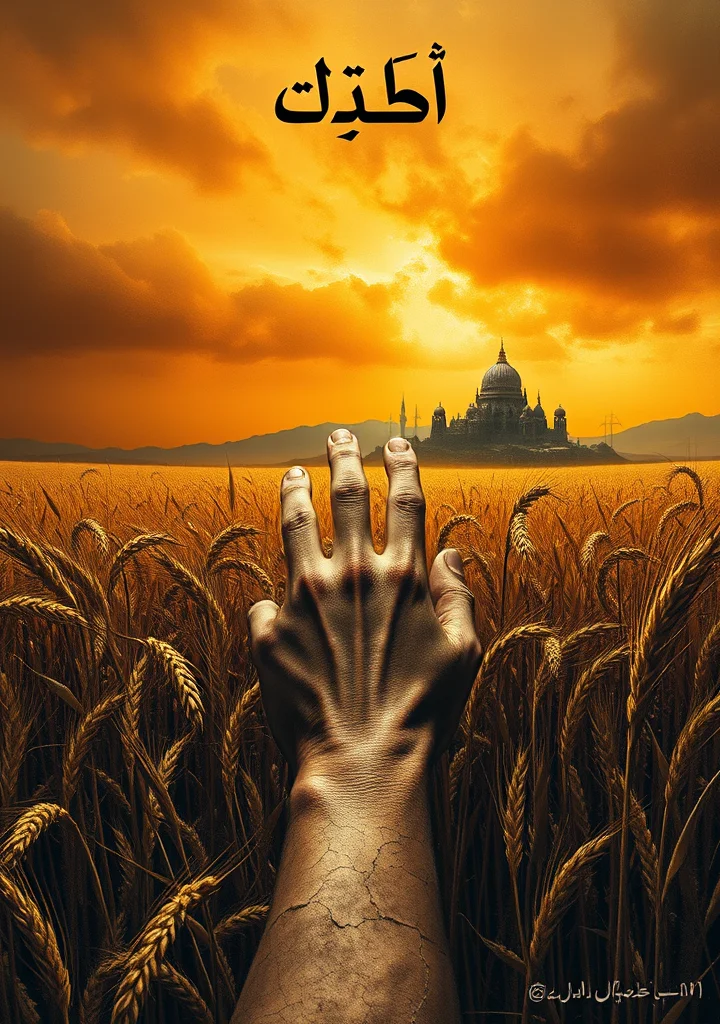
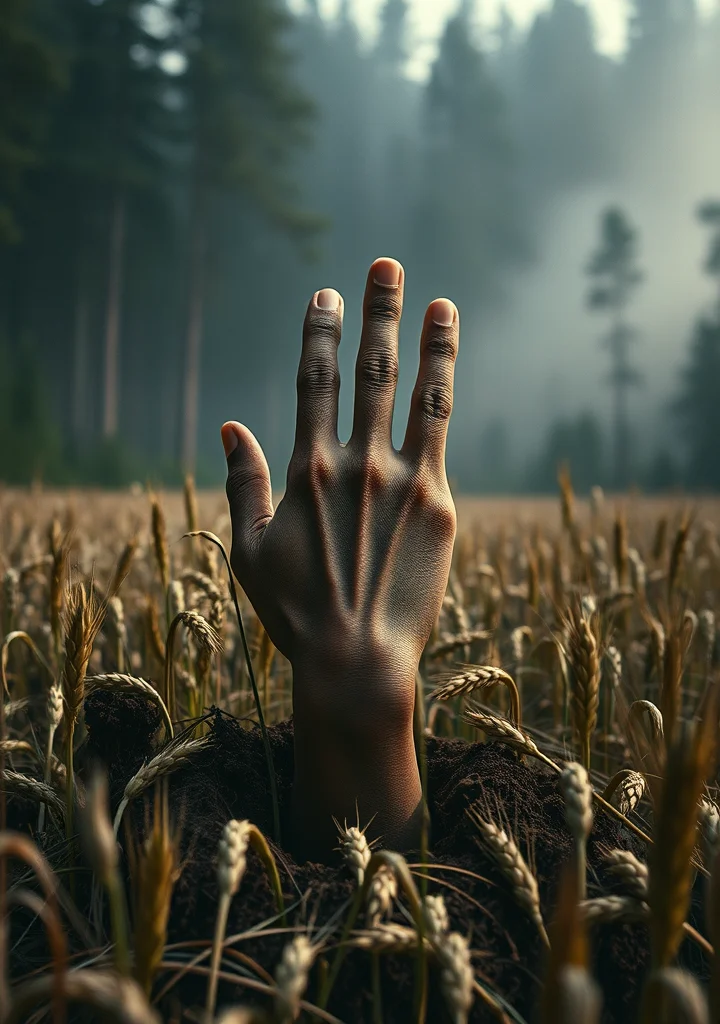
The scent of turned earth clings to every page, a primal musk rising from the Norwegian wilderness. This is not a story of heroes or villains, but of a slow, relentless claiming of land, a communion with the soil so absolute it borders on the pagan. A man, Isak, emerges from the shadowed forests, not with ambition, but with an instinct to *become* the land itself. He builds not with grand design, but with the bone-weariness of a creature rooted to the earth, his existence echoing the silent, brutal growth of the pines. The novel breathes with the damp chill of perpetual twilight, the light filtering through branches like the memory of forgotten gods. A creeping sense of isolation permeates the narrative, not of loneliness, but of an ancient, untamed solitude. The arrival of Inger, a woman fractured by dreams of a gilded life, is a splinter of ice in the heart of the burgeoning farm. Her restlessness, her discontent, festers like rot within the new-turned sod. The prose itself is a thing of shadows and whispers, mirroring the long, dark winters and the brief, feverish summers. It is a story of possession – not of property, but of being possessed *by* the land, by the cyclical rhythms of harvest and decay. A creeping dread settles over the reader, a sense that this is not merely a chronicle of farming, but a witnessing of something ancient and unyielding awakening in the heart of the wilderness. The growth isn’t just of the soil, but something within the blood, a claiming of something wild and unholy. It is a slow, suffocating bloom of something ancient and profoundly alone.
Copyright: Public Domain
This license allows anyone to use your story for any purpose, including printing, selling, or adapting it into a film freely.

Recommended for you
92 Part
The shadows of the Revolution linger, not in barricades of stone and blood, but in the haunted chambers of a fractured aristocracy. Twenty years have passed, yet the ghosts of ’89 walk alongside those who claim to have buried them. Paris breathes a false peace, gilded with ambition and rotting beneath with the festering wounds of unresolved vengeance. This is not a tale of simple retribution, but of a darkness blossoming in the hearts of those who believed themselves victorious. The air hangs thick with regret, laced with the scent of jasmine and decay. Dust motes dance in sunbeams that fail to penetrate the perpetual twilight of decaying estates. Each stolen glance, each whispered conspiracy, is rendered in shades of grey, blurring the lines between loyalty and betrayal. A creeping dread clings to the ornate wallpaper and the cracked marble floors—a sense of being watched by the specters of a history refusing to be silenced. The novel unfolds like a slow poison, each chapter revealing a rot beneath the polished veneer of respectability. It is a world where the weight of inherited sins crushes the living, and the pursuit of justice is less a noble cause than a descent into a labyrinth of shadowed motives. Every encounter is a performance, every alliance forged in a desperate need to survive. The city itself is a character—a beautiful corpse, adorned with the jewels of a vanished age, yet riddled with the maggots of discontent. It is a story where the past doesn’t merely haunt, but *becomes* the present, a suffocating embrace of what was lost, and what will inevitably be claimed once more.


15 Part
Dust motes dance in the perpetual twilight of a London nursery, where a carpet woven with ancient symbols stirs to life. Not with thread and dye, but with the embers of forgotten djinn, bound to obey a boy’s whim. A phoenix, magnificent and terrible, unfolds from its crimson threads, a creature of scorching desire and ash-grey regret. The house itself seems to breathe with the bird’s fiery heart, shadows lengthening into monstrous shapes as the carpet’s magic pulls at the seams of reality. The scent of cinnamon and burning feathers clings to the air, thick with whispers of a past where wishes are bought with stolen sunsets. Each flight of the phoenix, each murmured command, unravels another layer of the nursery’s gilded cage, revealing a world both exhilarating and deeply, unnervingly lonely. The very floorboards groan beneath the weight of impossible journeys, echoing with the laughter of children lost in the labyrinth of their own making. A creeping dread settles amongst the velvet curtains and porcelain dolls, a premonition that the power granted is not freely given. The carpet doesn't merely transport; it *remembers*. It holds the echoes of every longing, every secret, every shadowed bargain struck within its weave. And as the phoenix circles higher, the nursery – and the lives bound within it – begin to unravel, consumed by a hunger that stretches beyond the reach of childish dreams. The air itself tastes of smoke and forgotten promises.