
-
Read 450
-
0
-
Part 32
Completed, First published Mar 02, 2026
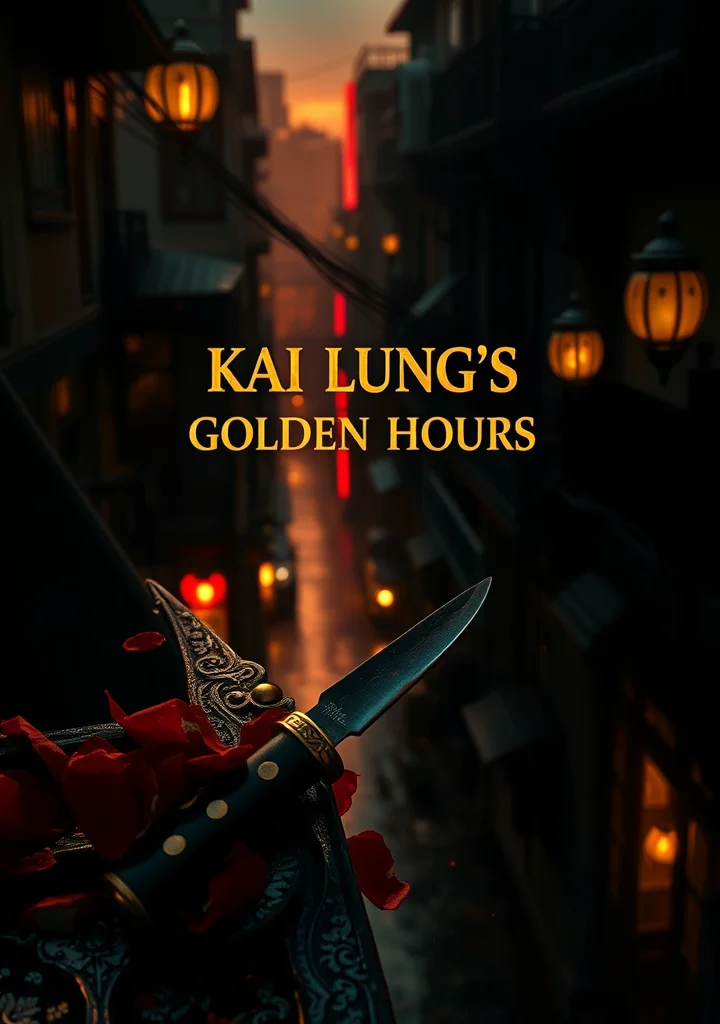
Dust motes dance in the perpetual twilight of a forgotten Shanghai, clinging to the silk-draped balconies and jade-handled knives of Kai Lung’s world. Here, shadows lengthen not with the sun, but with the telling of tales—each one a labyrinthine alleyway leading to whispers of vengeful gods, stolen fortunes, and the delicate unraveling of honor. The air hangs thick with opium smoke and the scent of jasmine, masking the rot beneath the lacquer and gold. Every transaction, every bowing head, conceals a transaction with fate itself. A fractured morality permeates these stories; justice is a flickering lamp in a monsoon, easily extinguished by ambition and the weight of ancient grievances. The reader is not merely observing these encounters, but drawn into the humid breath of the city—a slow suffocation of the soul as Kai Lung’s golden hours bleed into an endless, echoing night where even the most righteous deeds are stained with the crimson hue of consequence. The beauty of these tales is not in their clarity, but in their decay; a gilded cage of exquisite suffering.
Copyright: Public Domain
This license allows anyone to use your story for any purpose, including printing, selling, or adapting it into a film freely.
This license allows anyone to use your story for any purpose, including printing, selling, or adapting it into a film freely.
Chapter List
-
« Kai Lung’s Golden Hours »📖 Continue Reading
-
« Preface »
-
« Kai Lung’s Golden Hours »
-
« I »
-
« II »
-
« The Story of Wong Ts’in and the Willow Plate Embellishment »
-
« III »
-
« The Story of Ning, the Captive God, and the Dreams That Mark His Race »
-
« I »
-
« II »
-
« III »
-
« IV »
-
« IV »
-
« The Story of Wong Pao and the Minstrel »
-
« V »
-
« The Story of Lao Ting and the Luminous Insect »
-
« VI »
-
« The Story of Weng Cho; or, the One Devoid of Name »
-
« VII »
-
« The Story of Wang Ho and the Burial Robe »
-
« VIII »
-
« The Story of Chang Tao, Melodious Vision and the Dragon »
-
« IX »
-
« The Story of Yuen Yan, of the Barber Chou-Hu, and His Wife Tsae-Che »
-
« X »
-
« The Story of Hien and the Chief Examiner »
-
« XI »
-
« XII »
-
« I »
-
« I »
-
« II »
-
« III »
32
-
« Kai Lung’s Golden Hours »
-
« Preface »
-
« Kai Lung’s Golden Hours »
-
« I »
-
« II »
-
« The Story of Wong Ts’in and the Willow Plate Embellishment »
-
« III »
-
« The Story of Ning, the Captive God, and the Dreams That Mark His Race »
-
« I »
-
« II »
-
« III »
-
« IV »
-
« IV »
-
« The Story of Wong Pao and the Minstrel »
-
« V »
-
« The Story of Lao Ting and the Luminous Insect »
-
« VI »
-
« The Story of Weng Cho; or, the One Devoid of Name »
-
« VII »
-
« The Story of Wang Ho and the Burial Robe »
-
« VIII »
-
« The Story of Chang Tao, Melodious Vision and the Dragon »
-
« IX »
-
« The Story of Yuen Yan, of the Barber Chou-Hu, and His Wife Tsae-Che »
-
« X »
-
« The Story of Hien and the Chief Examiner »
-
« XI »
-
« XII »
-
« I »
-
« I »
-
« II »
-
« III »
More like this