
The Luck of Barry Lyndon
  • 134
  • 0
  • 23
  • Reads 134
  • 0
  • Part 23
Completed, First published Mar 02, 2026

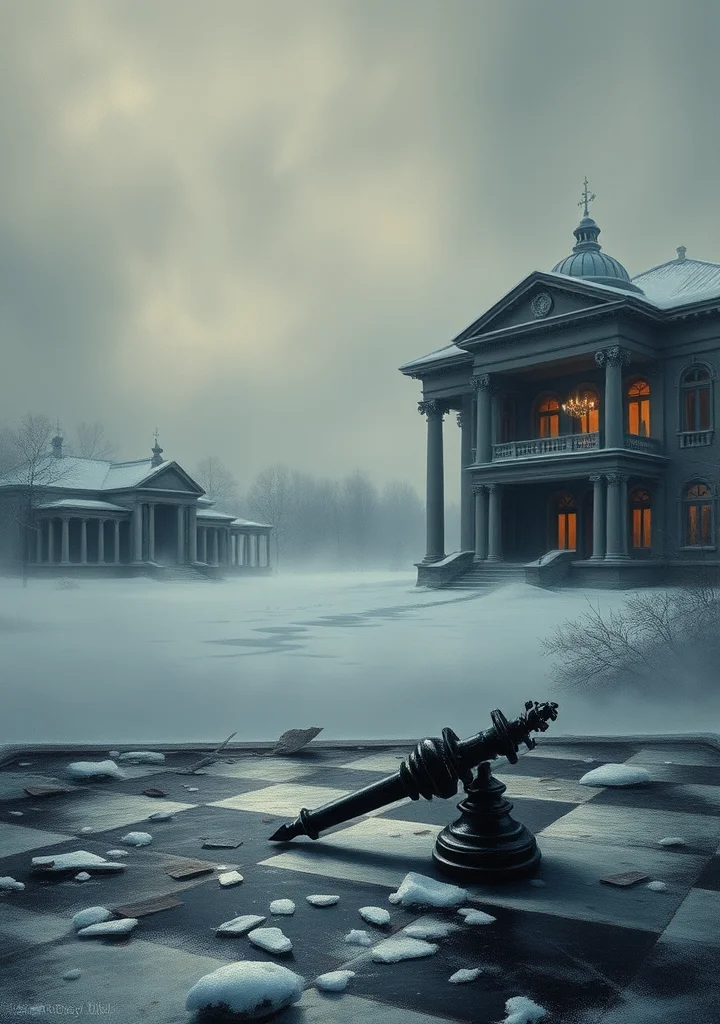
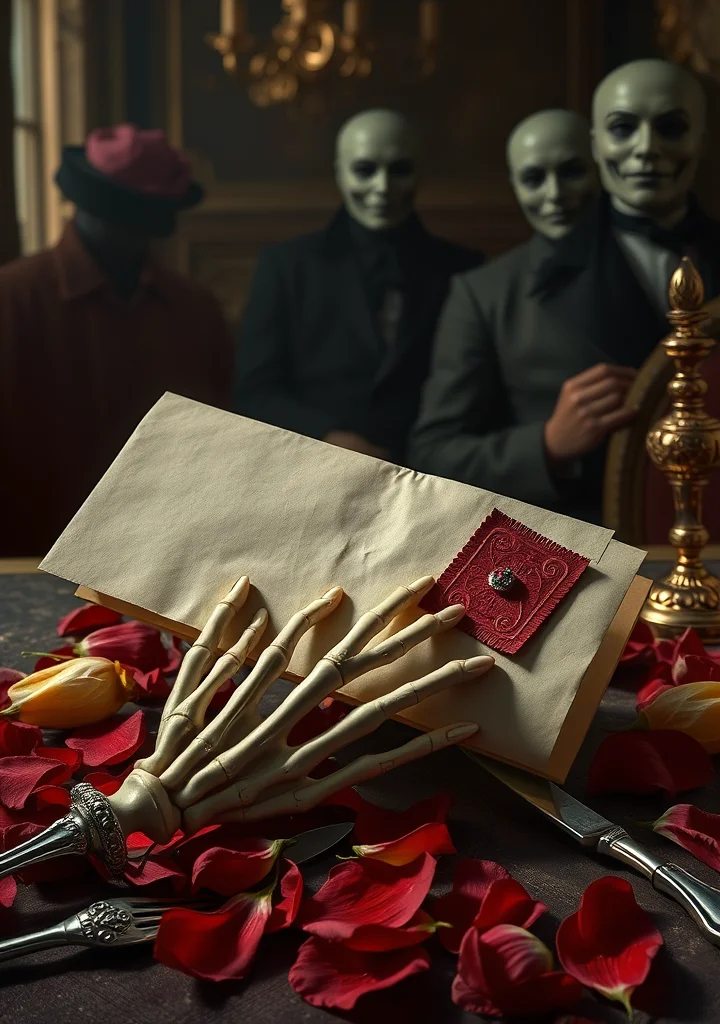
Dust motes dance in the perpetual twilight of a life built on ambition and artifice. Barry Lyndon’s ascent is not one of valor, but of cunning, a slow bleed of morality masked by the sheen of a painted portrait. The novel breathes with the chill of damp country estates and the suffocating formality of continental courts. Each carefully cultivated connection feels less like alliance and more like entanglement in a web of avarice. A pervasive sense of decay clings to the narrative, not of bodies, but of souls chipped away by relentless social climbing. The story unfolds in muted tones – the grey of Irish landscapes, the brown of worn uniforms, the sickly pallor of ambition’s fever dream. Even triumph is rendered in shades of melancholy, shadowed by the knowledge of how fragile the edifice of fortune truly is. A relentless, creeping dread permeates the text, born not of supernatural horrors but of the exquisitely rendered banality of cruelty and the enduring weight of consequence. The air itself feels thick with the scent of extinguished hopes and the ghosts of reputations lost, each turn of fortune echoing with the hollow clang of a life spent chasing a phantom’s luck. It’s a world where beauty is merely a mask for desperation, and every gilded frame hides a rot that threatens to consume all within its embrace.
Copyright: Public Domain
This license allows anyone to use your story for any purpose, including printing, selling, or adapting it into a film freely.
Recommended for you
17 Part
Dust motes dance in the perpetual twilight of ancestral halls, mirroring the slow decay of a lineage built on obsolescence. The air hangs thick with the scent of polished wood and regret, a suffocating perfume of inherited wealth and purposeless existence. Within these shadowed mansions, a subtle rot festers – not of brick and mortar, but of the human spirit, consumed by the exquisite art of doing *nothing*. A creeping dread permeates the very architecture, as the rituals of conspicuous consumption become increasingly desperate, brittle performances masking a hollow core. The narrative unfolds as a spectral autopsy of a dying aristocracy, where every idle gesture, every meticulously curated possession, is a symptom of a deeper, insidious malaise. Observe the ghostly procession of leisure, its cold elegance a shroud woven from boredom and the glittering chains of social obligation. The very foundations of civility seem to crumble with each perfectly timed sip of champagne, each languid glance across a ballroom floor. A suffocating stillness pervades, broken only by the echoing whispers of those who have become shadows of their own privilege, trapped in a gilded cage of their own making, slowly disappearing into the ornate, echoing emptiness. It is a study in sepulchral refinement, a haunting testament to the beautiful, tragic waste of a world on the brink of collapse, where the weight of history presses down like a tombstone.


72 Part
The air hangs thick with the scent of decay and damp earth within the crumbling chateau of Clerambault. Here, amidst shadowed corridors and portraits whose eyes seem to follow your every move, a man named Jean, haunted by a past he cannot escape, wages a silent war against his own fracturing mind. The estate itself is a character—a labyrinthine monument to a noble lineage crumbling under the weight of inherited madness and suffocating isolation. Rolland weaves a suffocating atmosphere of psychological torment, where the boundaries between reality and delusion blur with each echoing footstep. Jean's descent is not marked by dramatic outbursts, but by a creeping, insidious unraveling—a quiet rot consuming him from within. The oppressive weight of family history, the suffocating expectations of his ancestral home, and the insidious whispers of his own internal demons create a sense of dread that clings to the reader like a shroud. Sunlight rarely penetrates the overgrown gardens or the dust-veiled windows, lending the narrative a perpetual twilight. Every creaking floorboard, every rustle of leaves, is imbued with a sinister significance. The true horror isn’t found in specters or ghouls, but in the slow, agonizing disintegration of a man’s sanity, witnessed through the fractured lens of his own unreliable perception. It is a story steeped in the melancholic beauty of ruin, a haunting meditation on the fragility of the self, and the suffocating power of memory.