
The Mother
  • 147
  • 0
  • 20
  • Reads 147
  • 0
  • Part 20
Completed, First published Mar 02, 2026

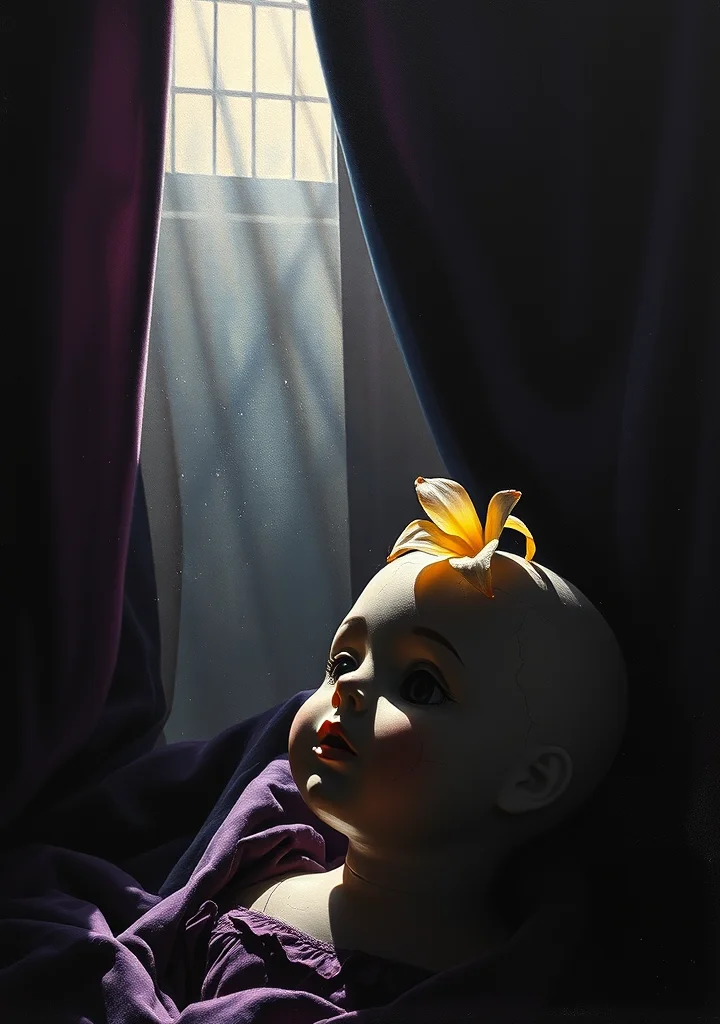
Dust motes dance in the perpetual twilight of a crumbling ancestral home, a weight of unspoken grief clinging to the stone like lichen. The air itself seems to weep with the slow, agonizing decay of a matriarch’s spirit – not death’s dominion, but a living unraveling. Within these shadowed chambers, a woman, once a pillar of fierce provincial pride, is quietly unmade by the fracturing of her sons’ lives, each betrayal a splintering shard of her own heart. The narrative clings to the damp, suffocating heat of the humid summer as secrets fester in the humid air, borne on the scent of jasmine and decay. It’s a claustrophobic descent into the suffocating grip of familial duty, where love curdles into resentment and the boundaries of sanity blur with the encroaching darkness. Every cracked tile, every faded photograph, whispers of sacrifices made and promises broken, until the very foundations of the house—and the mother’s soul—begin to crumble under the weight of unbearable, inherited sorrow. The oppressive stillness of the Southern landscape mirrors the suffocating silence that descends as the woman’s world contracts, mirroring the encroaching rot of the old house. It is a story not of grand tragedy, but of the slow, agonizing erosion of a woman’s will, devoured by the insatiable hunger of her own children’s ambition.
Copyright: Public Domain
This license allows anyone to use your story for any purpose, including printing, selling, or adapting it into a film freely.
Recommended for you
313 Part
A descent into shadowed valleys where morality itself is a crumbling edifice. The air hangs thick with the scent of decay, not of flesh, but of belief. This is a landscape carved from the obsidian of doubt, where the sun bleeds into a perpetual twilight and the echoes of forgotten gods whisper through fractured minds. It isn’t a story of villains to be vanquished, but of masks discarded, revealing the cold, magnificent indifference beneath. Each chapter unfolds like a slow unraveling—a descent not into sin, but beyond its very definition. The narrative clings to the jagged edges of reason, tracing the contours of a will to power that consumes not with fire, but with a glacial, irresistible logic. Shadows stretch from the ruins of old values, twisting into monstrous forms born of ambition and ressentiment. There are no heroes here, only climbers scaling the precipice of their own self-overcoming, their hands stained with the dust of shattered idols. The silence between the lines is a vast, echoing chasm—a void mirroring the abyss within each self-proclaimed ‘good’ man. It’s a chronicle of becoming, of forging a new dawn from the embers of a dying world, a world where the only truth is the will to create, to destroy, to *become* beyond the shackles of pity and remorse. The landscape is one of perpetual internal warfare, where the battlefield is the self, and the stakes are nothing less than the remaking of existence itself.
29 Part
Dust devils dance across a land bleached bone-white under a merciless sun, mirroring the ghosts that haunt the Oklahoma Territory. Cimarron unfolds not as a chronicle of westward expansion, but as a slow unraveling of dreams swallowed by the prairie’s vast indifference. The scent of sage and decay clings to the weathered timbers of the Ysobel family’s hacienda, a crumbling testament to a Spanish heritage decaying alongside the land itself. Each generation feels the weight of the wind’s mournful howl, the land’s relentless claim on those who dare to build upon it. The narrative is steeped in the amber light of dying embers, the shadows of ambition stretching long and skeletal across the plains. A suffocating heat rises not just from the earth, but from the simmering resentments and buried betrayals within the family. The story doesn't celebrate conquest, but the erosion of certainty, the quiet fracturing of lives against the unforgiving backdrop of a landscape that both promises and denies salvation. It's a tale of inheritance built on quicksand, where the boundaries between ownership and obsession blur until all that remains is a haunting echo of what was lost – a legacy of sun-baked desperation and the slow, creeping realization that even the most stubborn roots can be torn free by the relentless prairie wind. The silence between chapters is thick with the grit of dust and the weight of unfulfilled promises, a land breathing with the loneliness of forgotten souls.
14 Part
A creeping fog clings to the cobblestones of London, mirroring the moral murk that settles upon Major Barbara’s soul. The Salvation Army’s fiery convert, once a zealous evangelist, finds her convictions fracturing amidst the grimy machinery of industrial capitalism. Shaw’s London isn’t of grand estates and drawing-room dramas, but of match factories and the hollow-eyed children they bleed into profit. The air tastes of sulfur and desperation, thick with the stench of poverty masquerading as piety. Barbara’s transformation is a slow burn, less a fall from grace than a corrosion of faith. The narrative winds through shadowed alleys where the stench of gin mingles with the desperate prayers of the damned. Each act of charity feels less a divine act, and more a grim transaction, a gilded cage for souls starved for light. The novel breathes with the rhythmic clang of factory wheels and the mournful cries of debtors. It is a world where salvation is bartered for shillings, and the very foundations of faith crumble beneath the weight of practical concerns. The looming presence of Undershaft, a munitions magnate who claims to fund virtue through vice, casts a pall over every scene. His philosophy seeps into the narrative like a creeping poison, turning the bright promises of the Army into twisted, metallic echoes. The narrative doesn’t offer solace, but a cold, unflinching gaze at the compromises made in the pursuit of a better world, where even the most righteous find themselves stained by the grime of survival.
27 Part
A creeping rot clings to the cobblestones of this unnamed city, where shadows stretch from gas lamps to strangle the last embers of hope. Jean Grave doesn't offer grand narratives of rebellion, but rather a descent into the marrow of decay, a slow unraveling witnessed through the eyes of those already half-consumed by the void. The air itself is thick with the stench of burnt ambition and the whispered anxieties of a populace fractured not by class, but by a creeping nihilism. Every alleyway breathes with the weight of forgotten gods and the hollow laughter of those who’ve traded their souls for fleeting moments of control. There’s no explosive uprising here, only the insidious bloom of apathy, a willing surrender to the encroaching darkness. Characters drift through decaying salons and labyrinthine sewers, their faces gaunt, their desires reduced to a desperate scramble for warmth and oblivion. The prose is less a story and more a haunting echo of fractured consciousness. It's a suffocating claustrophobia of crumbling brick, the metallic tang of blood on the tongue, and the chilling realization that the true anarchy isn't *against* society, but *within* it—a silent, internal crumbling of the will to resist the inevitable. This is not a revolution; it’s a slow, deliberate drowning in the silt of despair, where the last flickering embers of humanity are extinguished one by one, swallowed by the yawning maw of nothingness. The city *is* the monster, and it feeds on the ghosts of its own making.


39 Part
Dust motes dance in the long, shadowed galleries of memory, mirroring the glacial drift of a nation’s ambition. This is not a tale of triumph, but of erosion – the slow, meticulous wearing away of a man against the granite indifference of time and progress. Henry Adams, adrift in a Boston steeped in fading grandeur, observes the brutal calculus of a world remade by steam and steel. He is a witness to the cataclysm of the American soul, where the gilded age is less a celebration and more a mausoleum of vanished dynasties. The narrative unfolds as a series of fragmented relics, a collection of portraits in shadow, each face a testament to the futility of human design against the encroaching forces of entropy. A chill permeates the salons and train cars alike, a sense of inevitability that clings to the very stone of Washington. The weight of history, the burden of an inherited past, presses down on Adams, suffocating him in the suffocating elegance of a civilization already decaying from the core. He moves through the ruins of his own lineage, haunted by the specters of fathers and their forgotten gods, as the new idols of industry rise on foundations of ash and ambition. The air is thick with regret, with the phantom scent of lost fortunes and broken promises. It is a study in decay, rendered in the cold, precise light of a man who understands that even the most magnificent structures are ultimately destined to crumble into dust.