
-
Read 869
-
0
-
Part 53
Completed, First published Mar 02, 2026
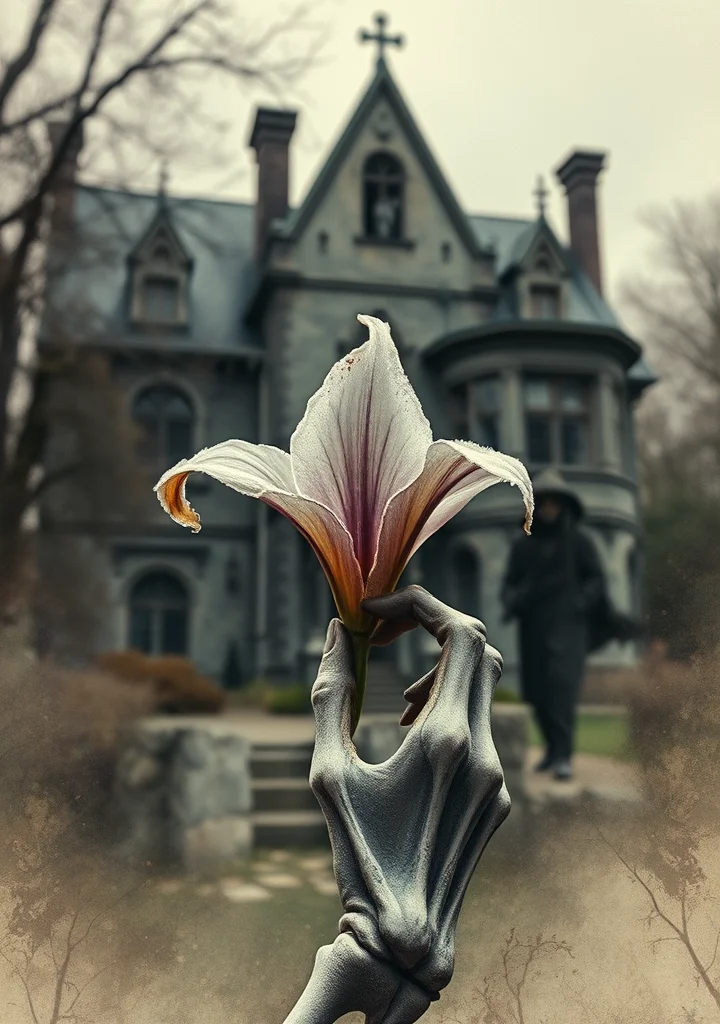
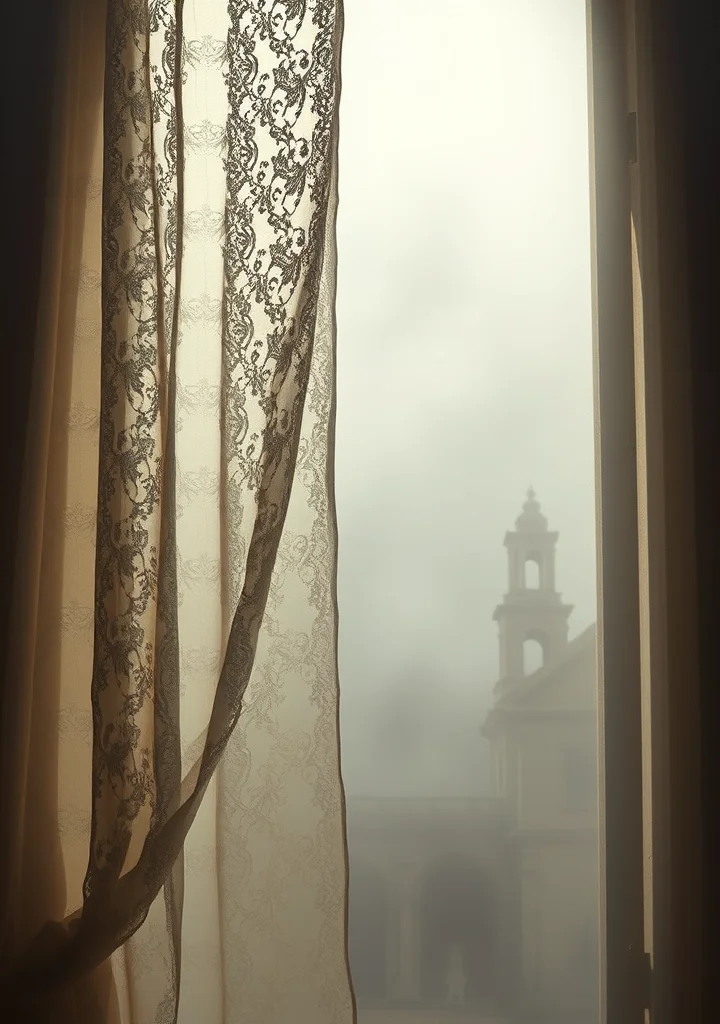
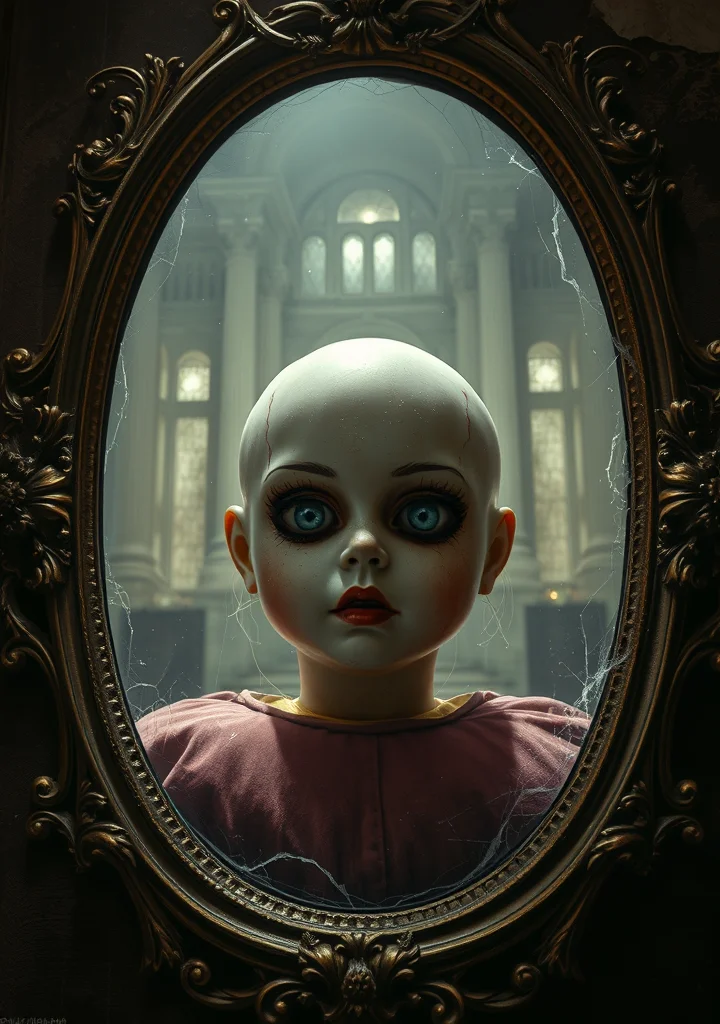
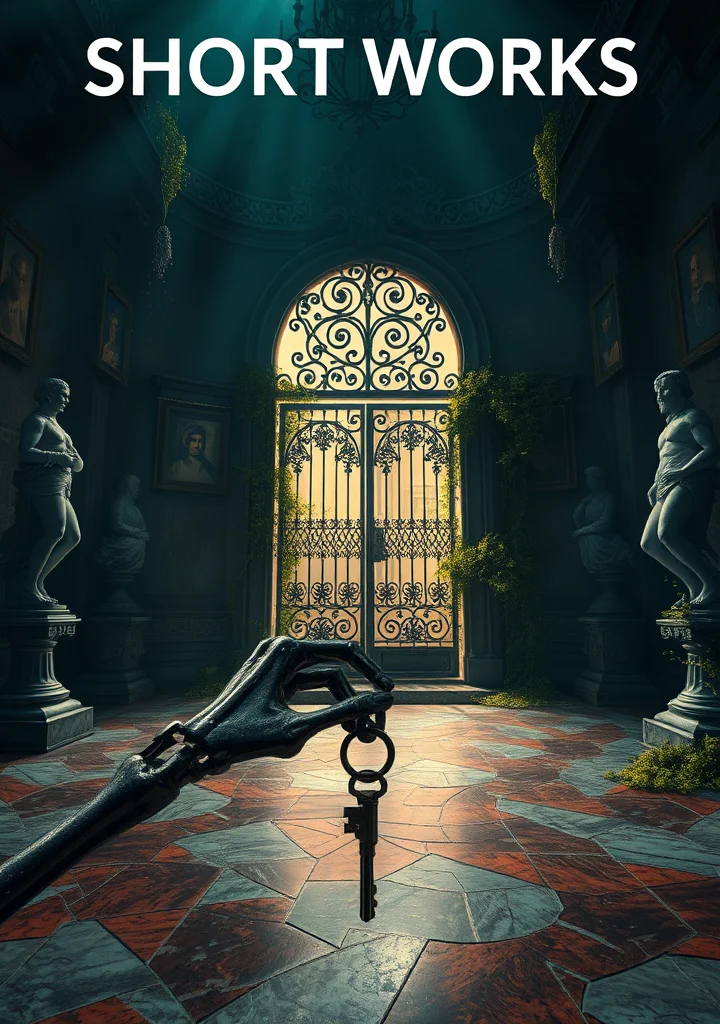
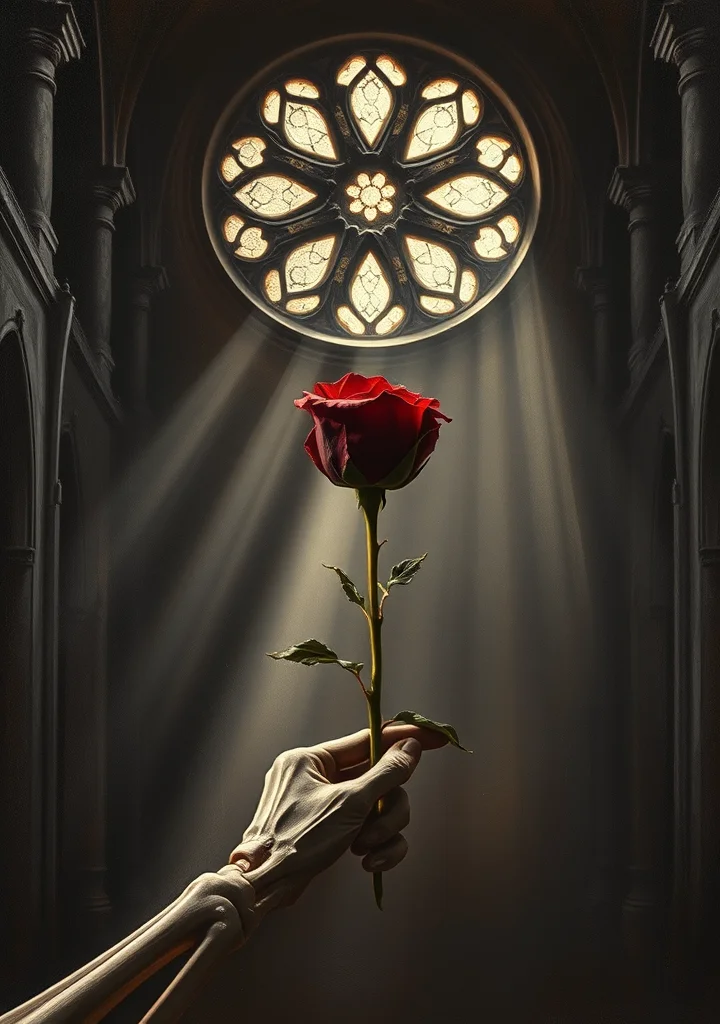
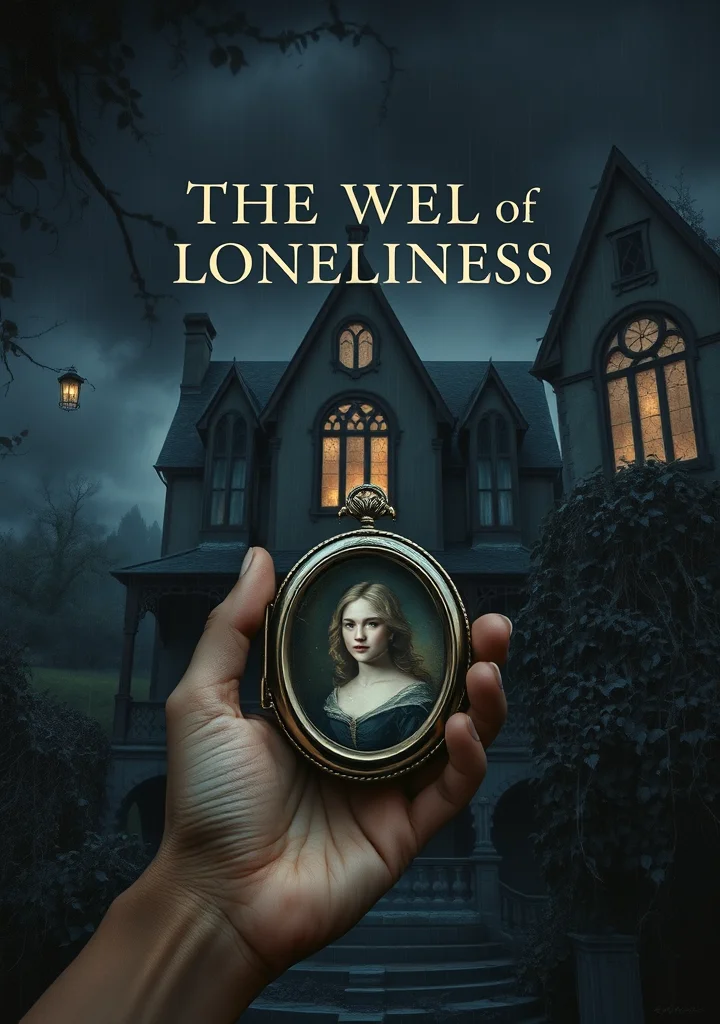
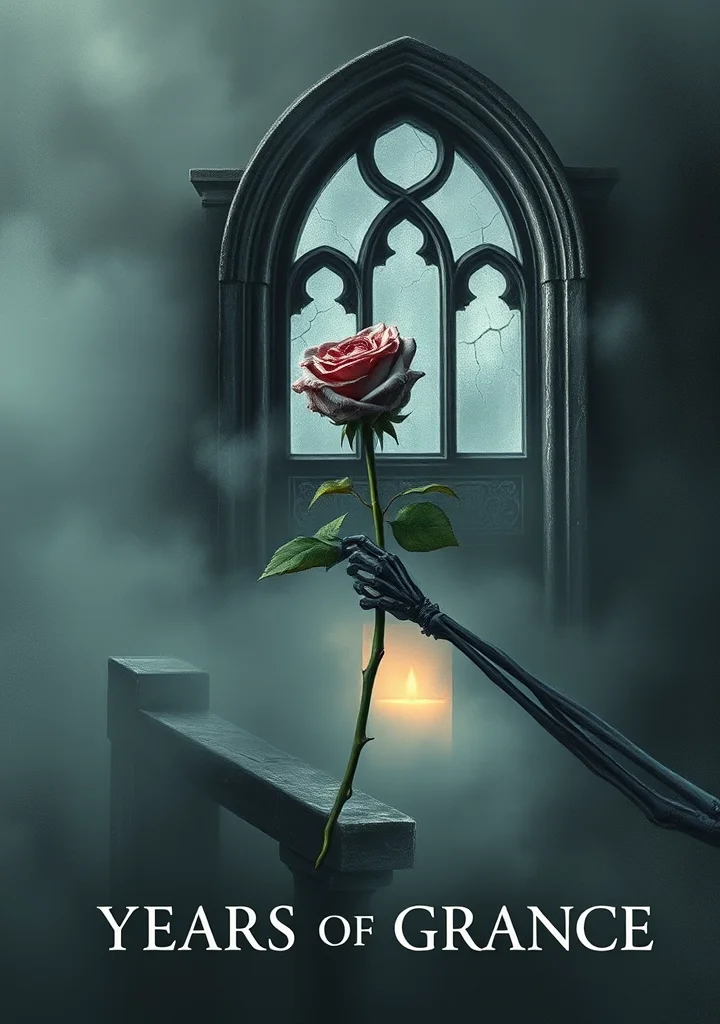
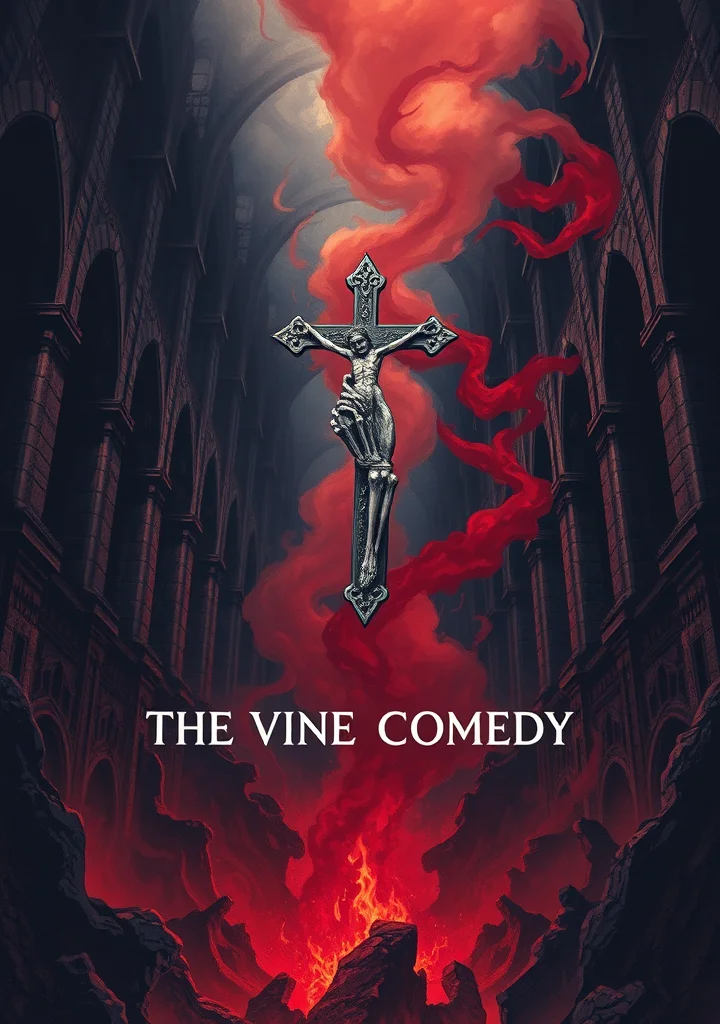
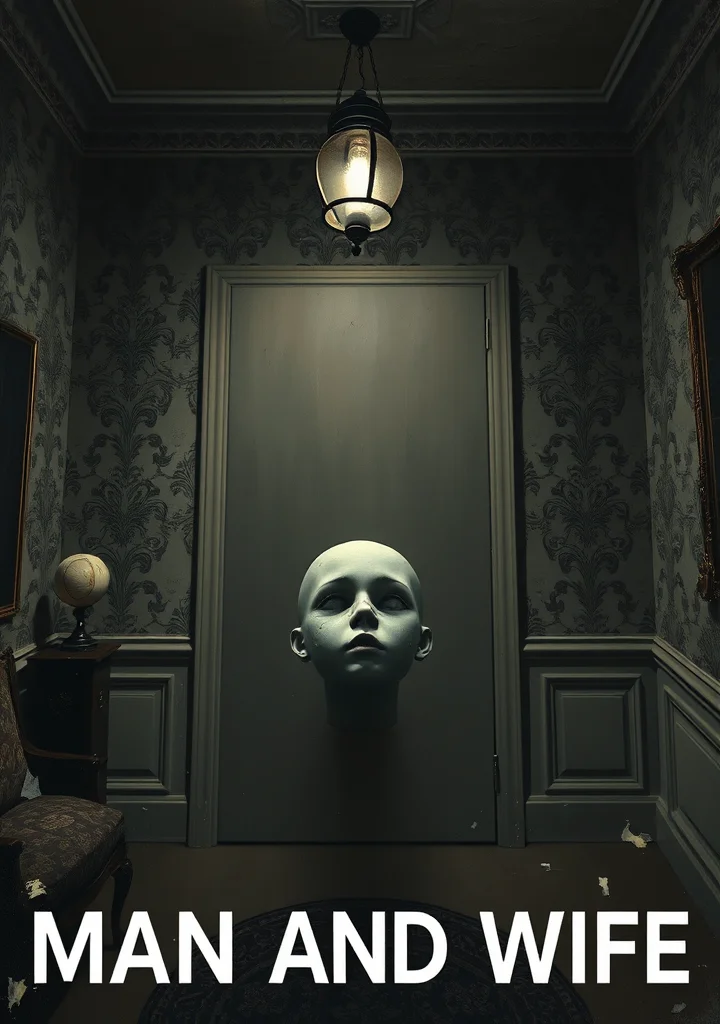
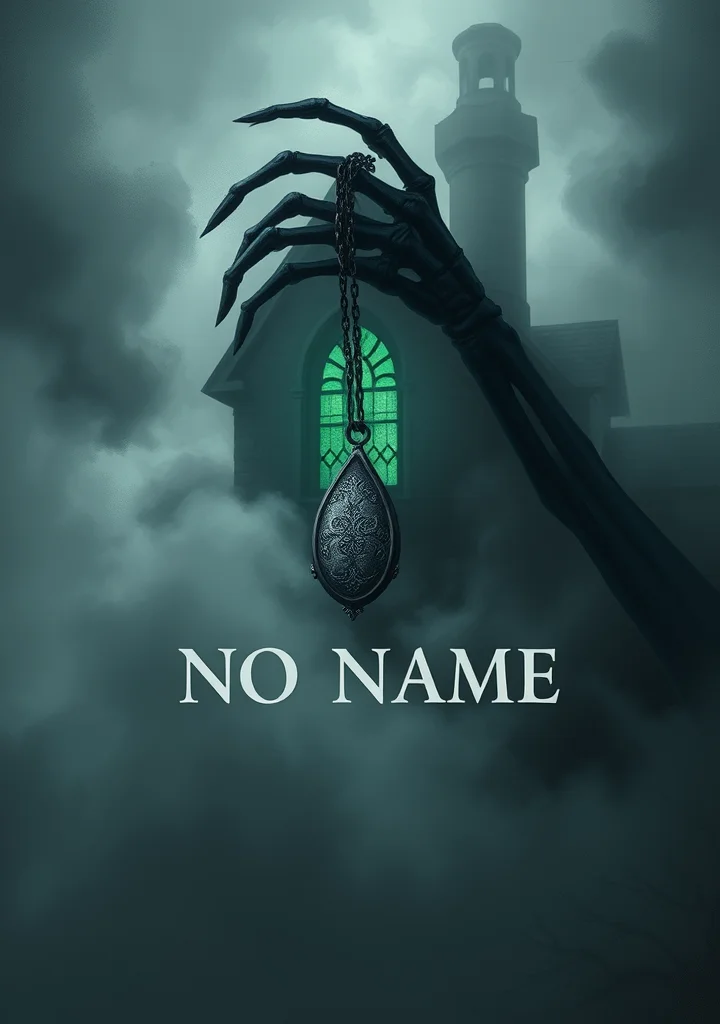
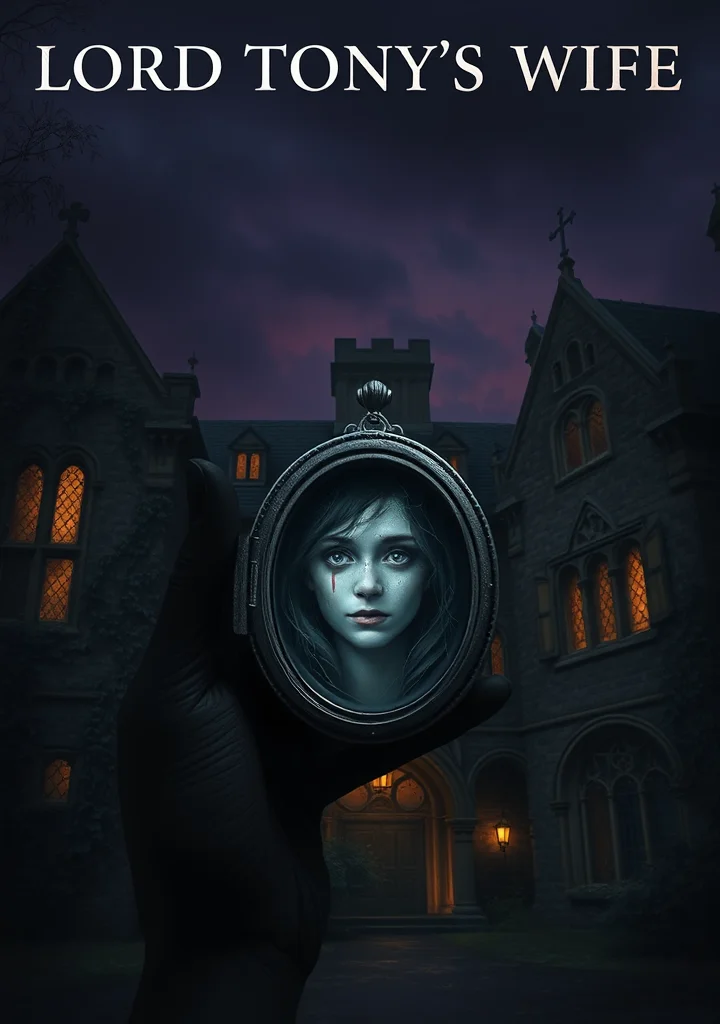
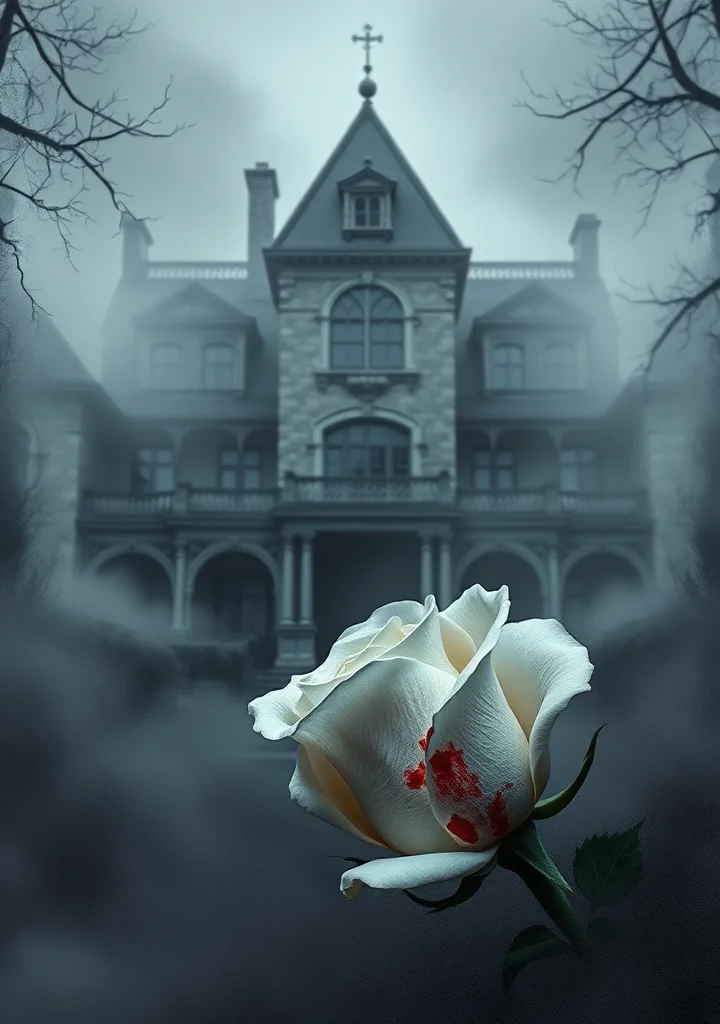
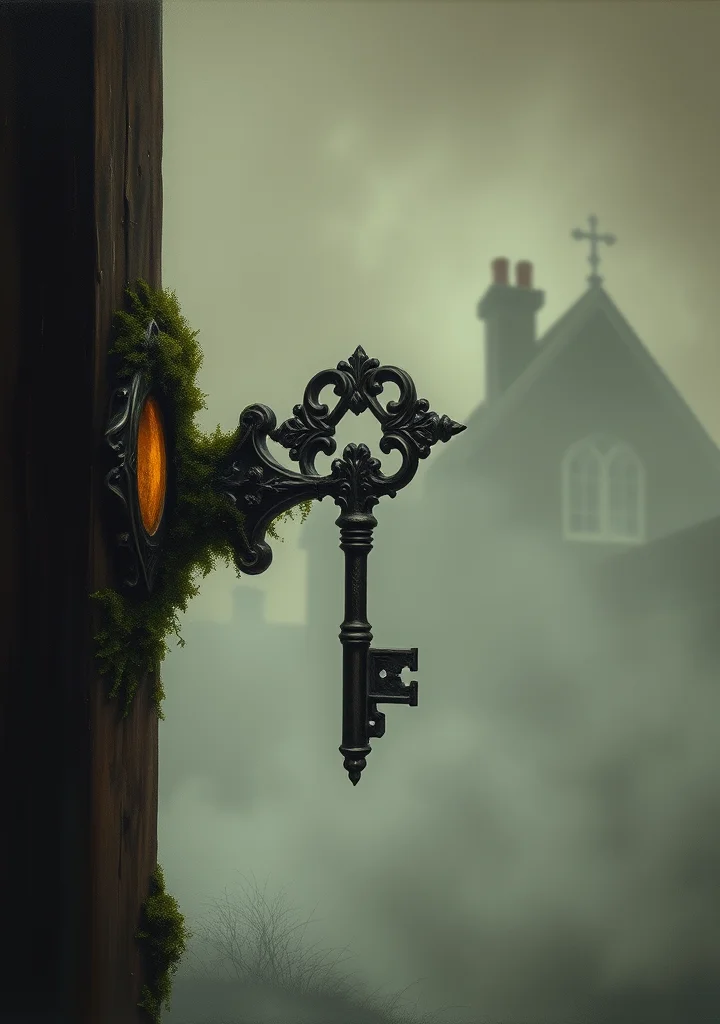
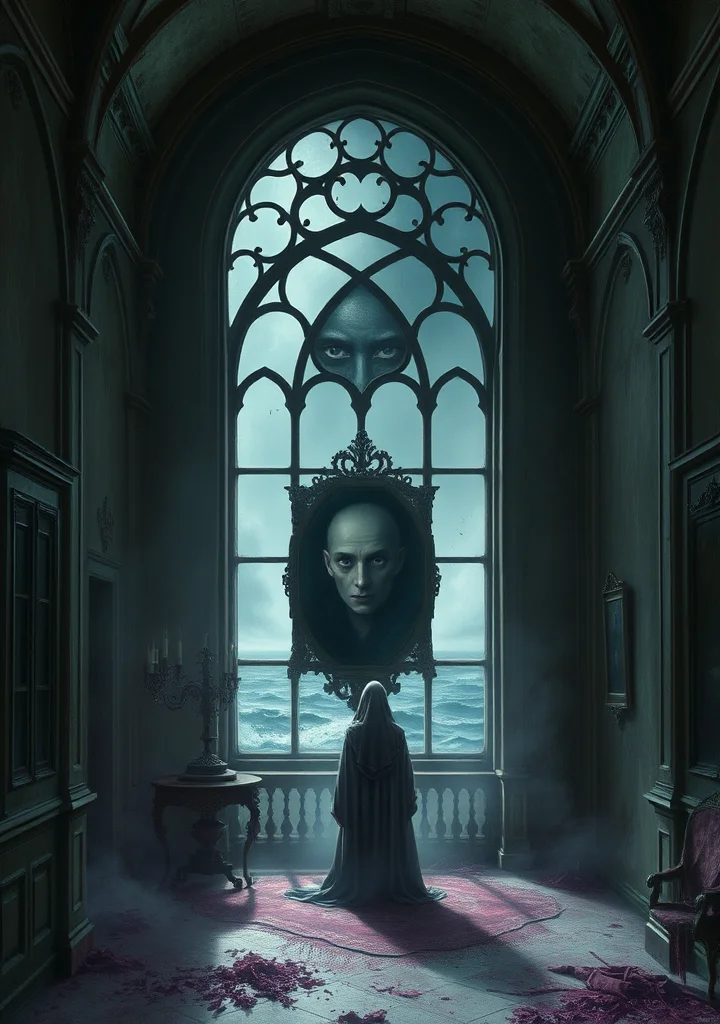
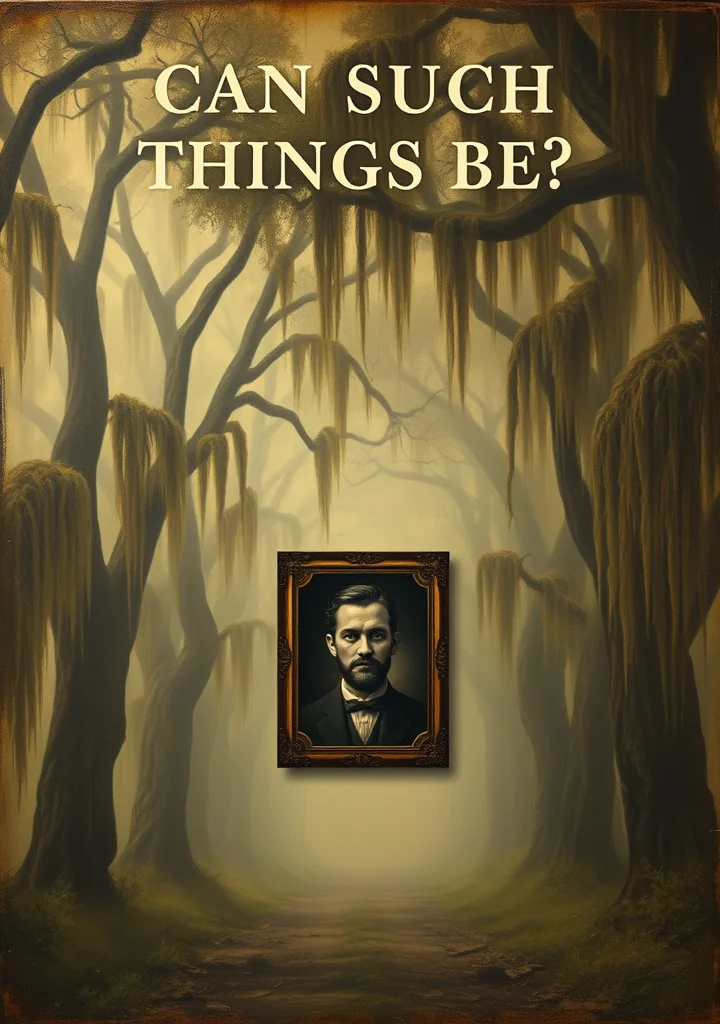
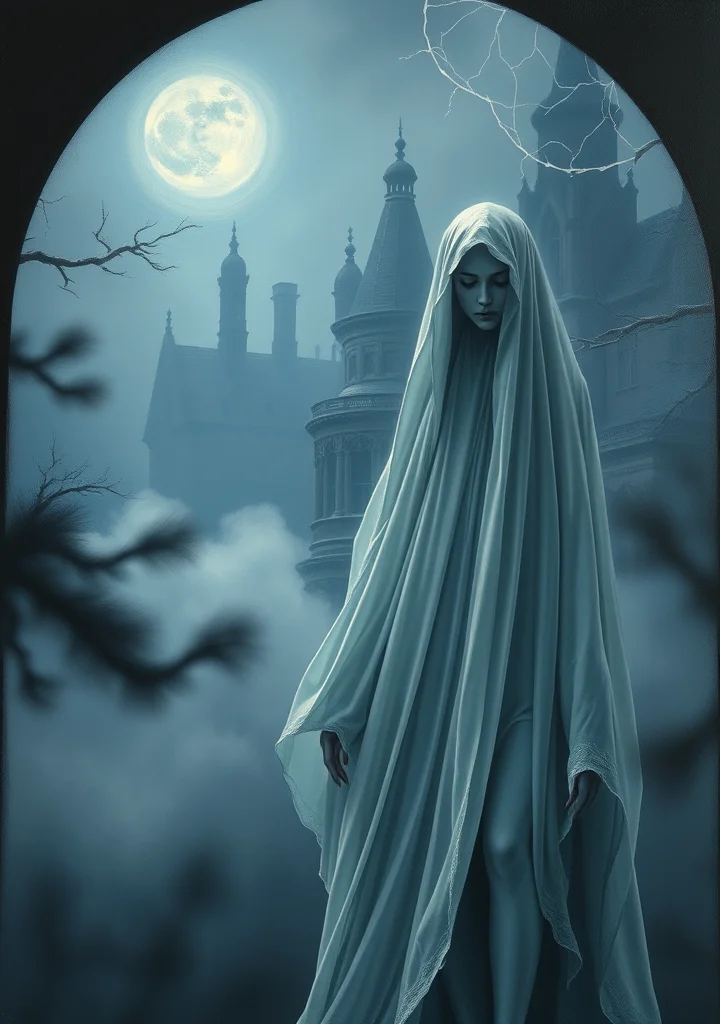
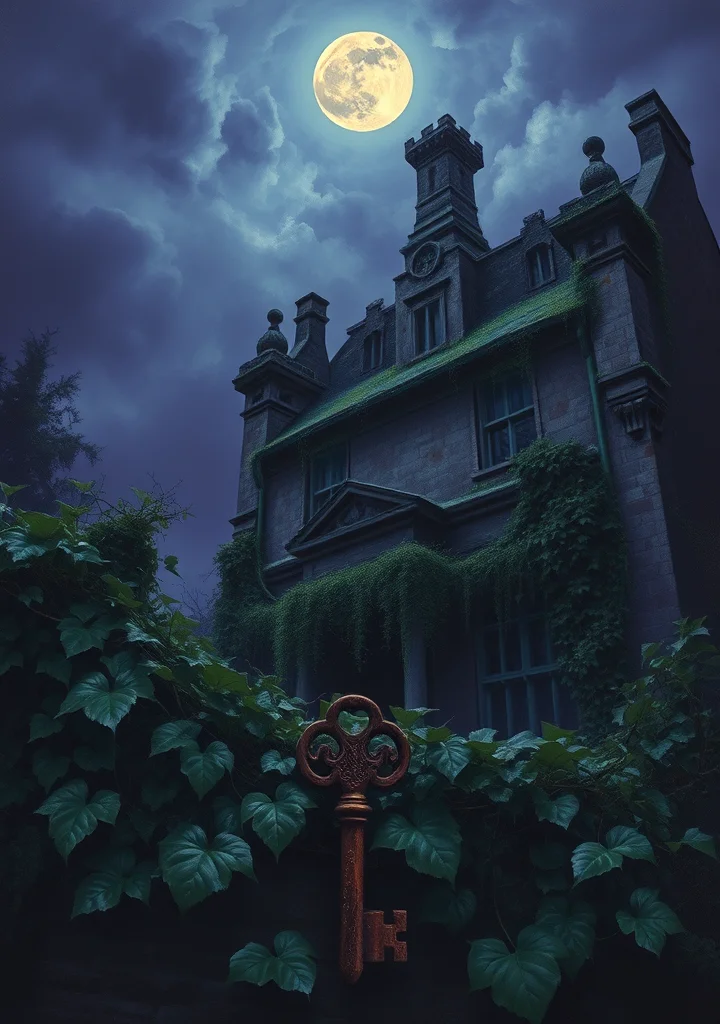
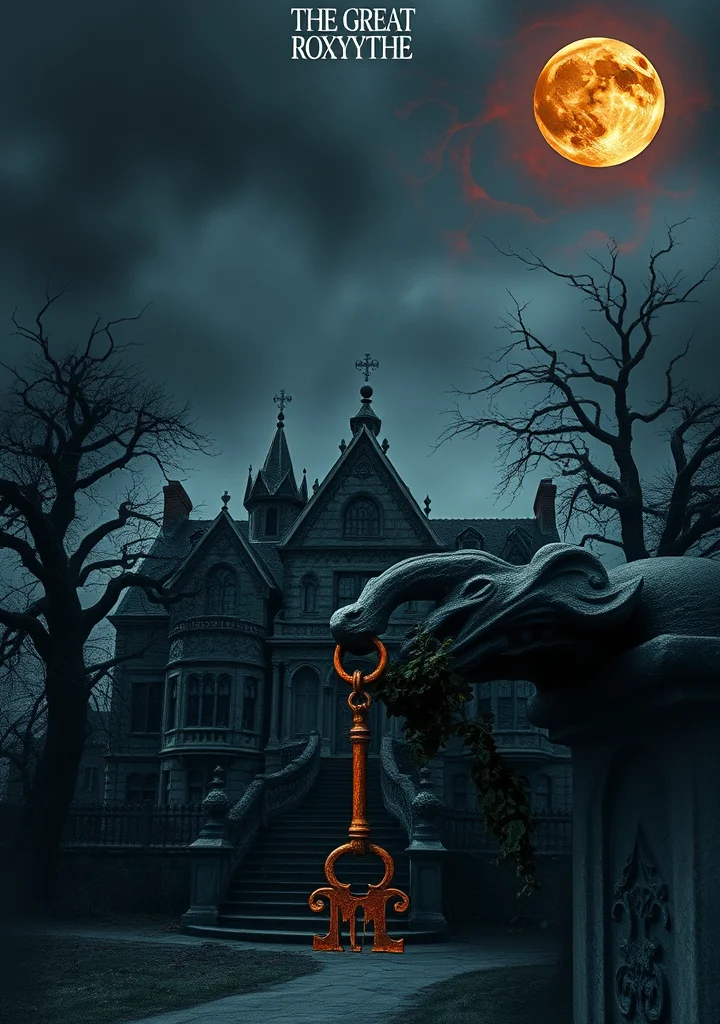
A creeping dread clings to Roxhythe Hall, a crumbling estate shadowed by ancient oaks and whispered family curses. The chill isn't merely of stone and damp; it’s woven into the very fabric of the house, a legacy of ambition and shadowed dealings. Young Philip Roxhythe, thrust into inheritance far beyond his years, finds himself entangled not in the expected duties of a landed gentleman, but in a suffocating web of secrets—a legacy of debts, a simmering resentment from those who’ve long been denied, and a desperate, grasping matriarch who will let nothing stand between her family and the fortune Philip holds. The halls themselves seem to breathe with the weight of the past, portraits watching with veiled accusations as Philip navigates a labyrinth of veiled threats and simmering desires. Each shadowed corridor promises a glimpse into a forgotten scandal, each locked room a testament to a past violence. The air hangs thick with the scent of decay, of faded grandeur and the slow, insidious rot of a dynasty built on ruthless compromise. A suffocating atmosphere of distrust and desperation permeates every encounter, where smiles mask avarice and every kindness is weighed against the cost of survival within the suffocating embrace of Roxhythe’s decaying dominion. The estate itself is a character, a silent predator waiting to swallow those who dare to uncover its secrets.
Copyright: Public Domain
This license allows anyone to use your story for any purpose, including printing, selling, or adapting it into a film freely.
This license allows anyone to use your story for any purpose, including printing, selling, or adapting it into a film freely.
Chapter List
-
« The Great Roxhythe »📖 Continue Reading
-
« Chapter_3 »
-
« Chapter_4 »
-
« The Great Roxhythe »
-
« I »
-
« II »
-
« III »
-
« IV »
-
« V »
-
« VI »
-
« VII »
-
« VIII »
-
« IX »
-
« I »
-
« II »
-
« III »
-
« IV »
-
« V »
-
« VI »
-
« VII »
-
« VIII »
-
« IX »
-
« X »
-
« XI »
-
« I »
-
« II »
-
« III »
-
« IV »
-
« V »
-
« VI »
-
« VII »
-
« VIII »
-
« IX »
-
« X »
-
« I »
-
« II »
-
« III »
-
« IV »
-
« V »
-
« VI »
-
« VII »
-
« VIII »
-
« I »
-
« II »
-
« III »
-
« IV »
-
« V »
-
« VI »
-
« VII »
-
« VIII »
-
« IX »
-
« X »
-
« XI »
53
-
« The Great Roxhythe »
-
« Chapter_3 »
-
« Chapter_4 »
-
« The Great Roxhythe »
-
« I »
-
« II »
-
« III »
-
« IV »
-
« V »
-
« VI »
-
« VII »
-
« VIII »
-
« IX »
-
« I »
-
« II »
-
« III »
-
« IV »
-
« V »
-
« VI »
-
« VII »
-
« VIII »
-
« IX »
-
« X »
-
« XI »
-
« I »
-
« II »
-
« III »
-
« IV »
-
« V »
-
« VI »
-
« VII »
-
« VIII »
-
« IX »
-
« X »
-
« I »
-
« II »
-
« III »
-
« IV »
-
« V »
-
« VI »
-
« VII »
-
« VIII »
-
« I »
-
« II »
-
« III »
-
« IV »
-
« V »
-
« VI »
-
« VII »
-
« VIII »
-
« IX »
-
« X »
-
« XI »
More like this