
The House at Pooh Corner
  • 89
  • 0
  • 14
  • Reads 89
  • 0
  • Part 14
Completed, First published Mar 02, 2026

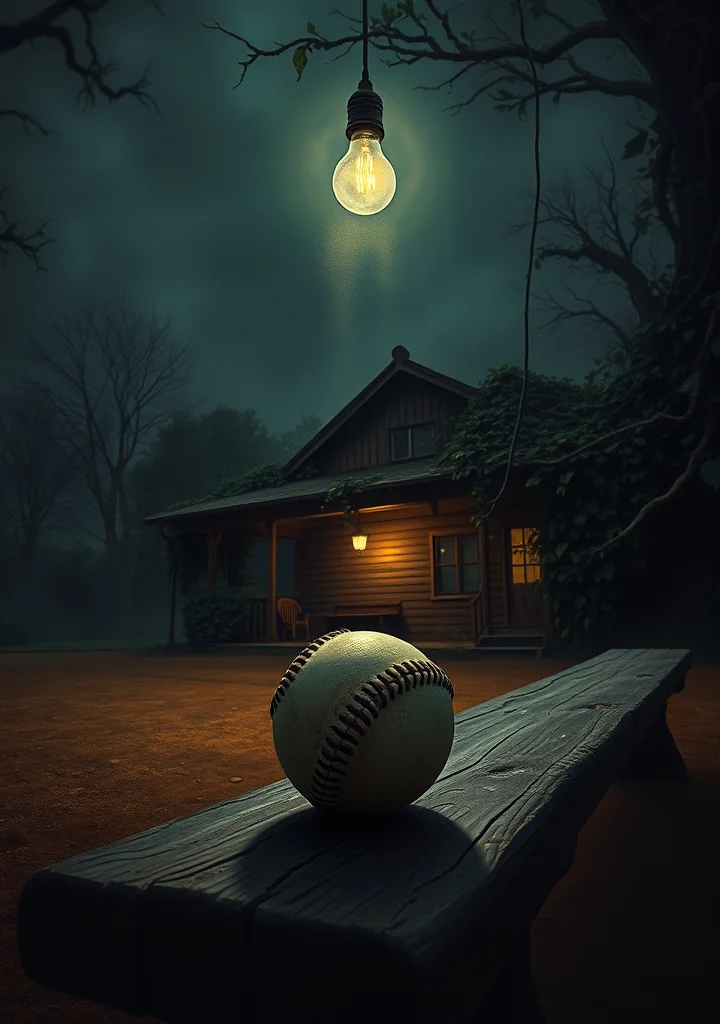
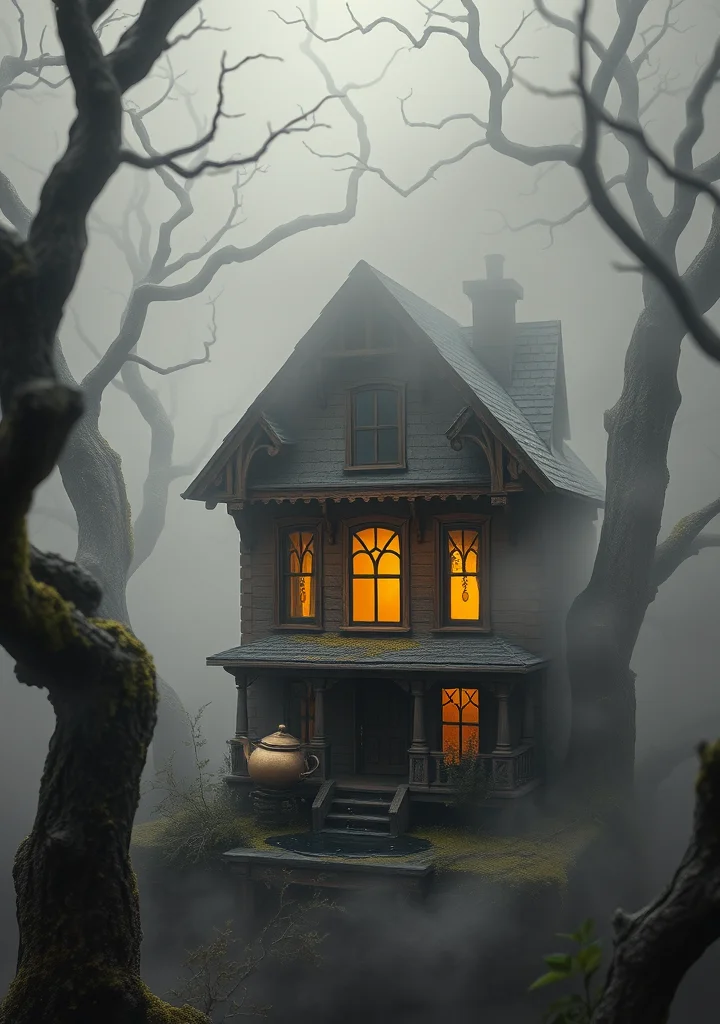
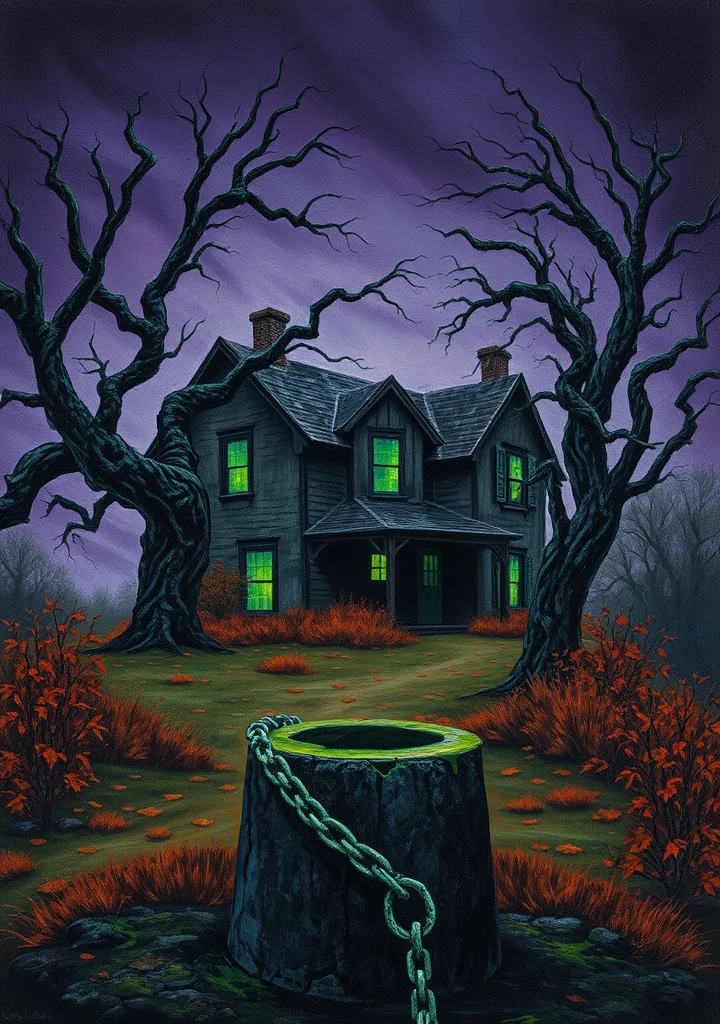
A creeping fog clings to the edges of the Hundred Acre Wood, not of mist, but of memory—a damp, suffocating recollection of childhood innocence curdled by something ancient and hollowed within the trees. Beneath the honeyed sweetness of Winnie-the-Pooh’s world, a stillness festers. The house itself, not merely a dwelling but a labyrinth of forgotten toys and shadowed corners, exhales the scent of dust and decay. Each gentle breeze whispers through the lattice of branches, carrying fragmented echoes of laughter that sour into something akin to grief. The very land seems to hold its breath, waiting for a trespass into the hollows of Pooh's world. A disquieting weight settles on the chest as the comforting shapes of Piglet, Eeyore, and Tigger become distorted in the gloom, their simple forms mirroring the long, slow unraveling of a mind. The wood is not merely a place to play, but a mausoleum of forgotten wishes, where the echoes of a lost child’s joy are slowly consumed by the encroaching darkness. A subtle dread permeates the space between the trees, a sense of something small, something loved, being irrevocably *lost* within the very fabric of this deceptively gentle realm. The scent of honey, once comforting, now clings to the back of your throat like a choking residue, and the simple act of finding Pooh's house becomes an act of unearthing a forgotten tomb.
Copyright: Public Domain
This license allows anyone to use your story for any purpose, including printing, selling, or adapting it into a film freely.

Recommended for you
42 Part
A creeping dread clings to the Irish coast, thick as the bog mire that swallows men whole. Stephens weaves a tale not of heaven or hell, but of the liminal spaces between, where the remnants of ancient, pagan deities bleed into the fractured lives of mortals. The narrative unfolds within a suffocating village steeped in superstition, where whispers of forgotten gods stir in the peat smoke and the sea’s cold breath carries the scent of something older than time. Each character is a fractured vessel—a priest haunted by visions, a woman possessed by a spectral sorrow, a boy touched by the cold hand of the otherworld. Their desires, their failures, their very breaths seem drawn from the decaying grandeur of a lost age. The world isn’t simply haunted; it *is* haunting—a slow rot of the soul mirroring the crumbling stone circles and the drowned chapels swallowed by the relentless tide. The prose itself feels like unearthed bone, brittle and cold, layered with the scent of brine and decay. Stephens doesn’t offer salvation, only a glimpse into the echoing emptiness where the gods once walked, leaving behind only echoes of their power and the lingering stain of their absence. It’s a world where the boundaries between reality and nightmare blur, where every shadow holds a watchful eye, and the very earth seems to breathe with a mournful, forgotten hunger. The air tastes of salt and regret, and the story unfolds like a slow, inexorable drowning in the grey light of a dying world.
48 Part
A creeping dread clings to the Scottish Highlands, mirroring the chill that settles over Alistair Grant as he returns to his ancestral estate. Not a homecoming, but a summons – a veiled plea from a crumbling manor steeped in generations of shadowed secrets. The air itself tastes of decay and whispered accusations, the stone walls breathing with the ghosts of those who vanished within its labyrinthine halls. Each sunrise feels less a dawn of hope and more a slow exposure of rot, revealing fissures not just in the stone, but within the very fabric of Grant’s family. The moorland stretches like a bruised landscape, mirroring the bruising of Alistair’s spirit as he unravels a legacy of ambition, betrayal, and the cold calculus of inheritance. The estate isn’t merely a place; it's a predator, drawing in those desperate to claim its fractured power. The narrative unfolds as a slow bleed of suspicion, each character a silhouette against a dying fire, their motives obscured by the encroaching fog. The narrative isn’t about what’s *seen*, but what lingers in the periphery - the scent of damp earth, the rustle of unseen wings, the weight of eyes watching from darkened windows. A sense of being watched permeates every page, a growing unease that settles like frost on the heather. It is a story of men consumed by their own histories, bound to a land that demands a reckoning for sins long buried. The Courts of the Morning aren’t merely a place of judgment, but a stage for a final, desperate act of penance – or revenge.
80 Part
Dust motes dance in the sun-bleached ruins of expectation. A brittle, ironic heat hangs over the Mediterranean, mirroring the slow decay of American idealism. These are not pilgrims seeking salvation, but specters adrift in a land of ancient shadows, their grand tour a procession of naive collisions with the ghosts of empires past. The air itself seems to mock their earnest inquiries, whispering of forgotten gods and the corrosive weight of history. Each meticulously chronicled observation, each well-intentioned jest, is a chipped tile in a crumbling mosaic of delusion. A creeping unease settles amongst the travelers as the landscape bleeds into their souls—a sickness of wonder and disappointment. The catacombs breathe secrets onto their faces, the Roman ruins echo with the laughter of long-dead emperors at their folly, and the very stones of Jerusalem seem to judge their presumptions. They are haunted by the silence of centuries, the weight of stone, and the hollow echo of their own unfulfilled desires. The Innocents, adrift on a sea of expectation, find themselves mirrored in the hollow eyes of ancient statues—each a testament to the futility of human ambition. The sun scorches not only the earth but also the fragile veneer of their optimism, revealing the creeping rot beneath the polished surfaces of their faith. This journey is not a revelation, but an excavation of the heart’s own barren landscape. It is a slow descent into the sepulcher of lost innocence, where the only monuments are the ruins of their own making.
72 Part
The Cornish coast breathes chill as a shroud, clinging to the crumbling stones of Sker House. A perpetual twilight bleeds from the grey cliffs into the churning sea, mirroring the half-forgotten sorrows trapped within the manor’s walls. This is a tale steeped in the brine of legend, where the echoes of ancient Welsh songs tangle with the desperate cries of a family fractured by pride and spectral longing. The air itself is thick with the scent of salt and decay, clinging to the damp velvet of forgotten chambers. A young man, driven by a shadowed past, finds himself entangled with the ghostly figure of Jinny, a maid claimed by the sea and bound to Sker by a curse of unfulfilled love. But her presence isn’t one of gentle sorrow; it’s a haunting that seeps into the very timbers of the house, twisting the minds of those who linger too long. Every wave that crashes against the shore feels like a mournful confession, and the cries of gulls carry whispers of betrayal. The narrative unravels not through bold action, but through the slow, insidious creep of dread. It’s a descent into a labyrinth of ancestral grief, where the boundary between the living and the dead is blurred by the relentless, mournful ache of the sea, and the secrets held within Sker House threaten to drown all who dare to uncover them. The moorland wind carries not just a chill, but the weight of centuries, pressing down on the heart until only the echo of Jinny’s lament remains.