
-
Read 498
-
0
-
Part 44
Completed, First published Mar 02, 2026
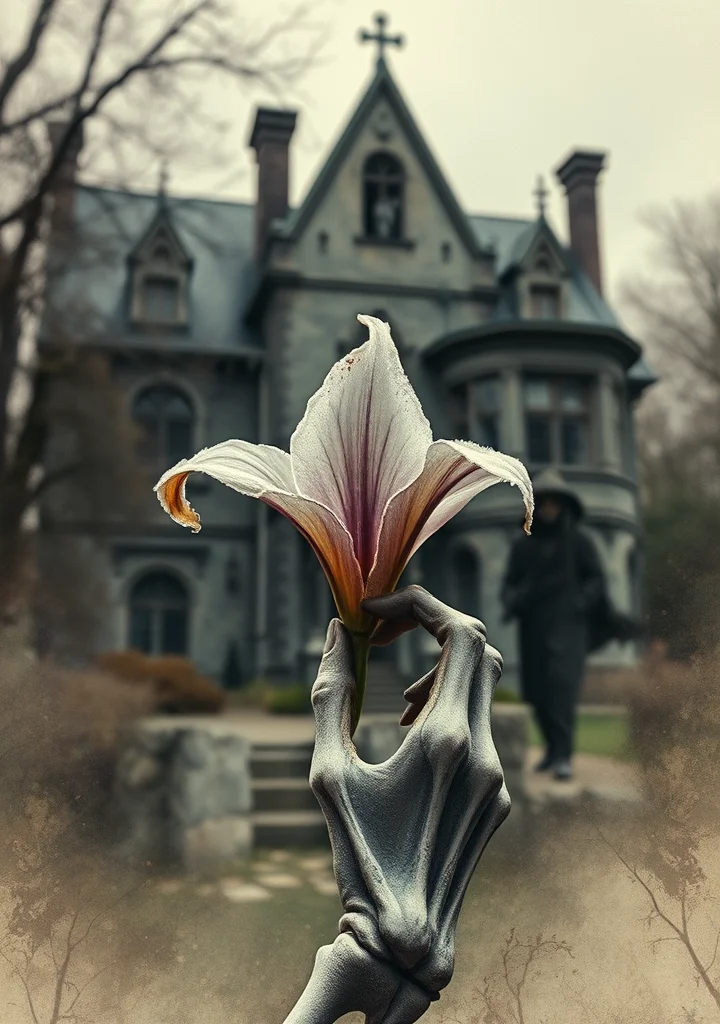
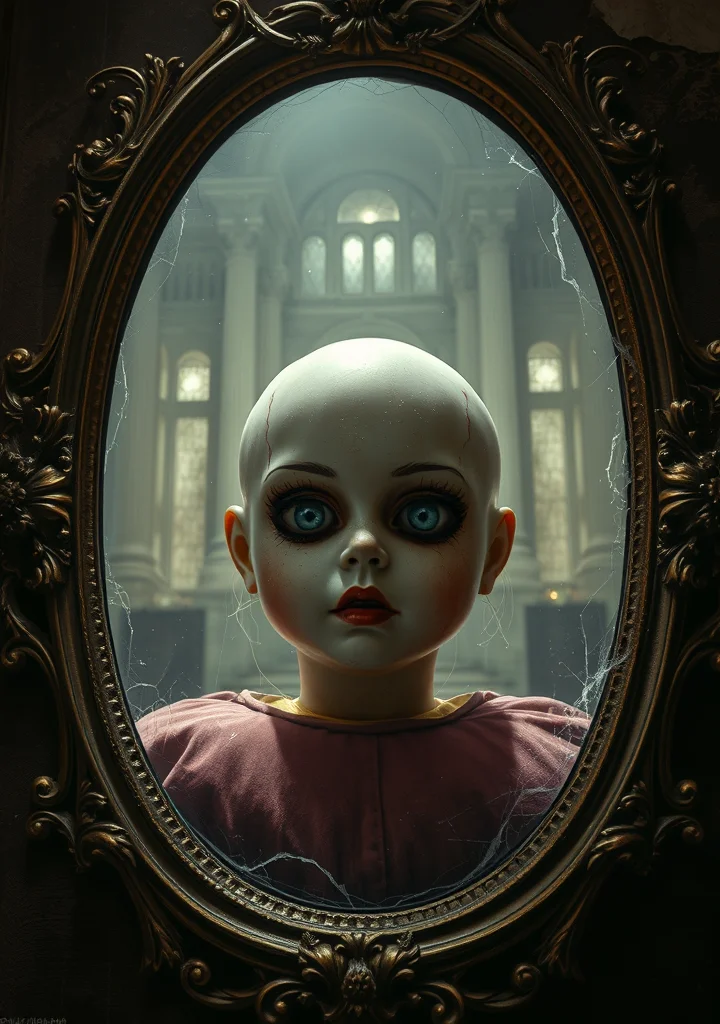
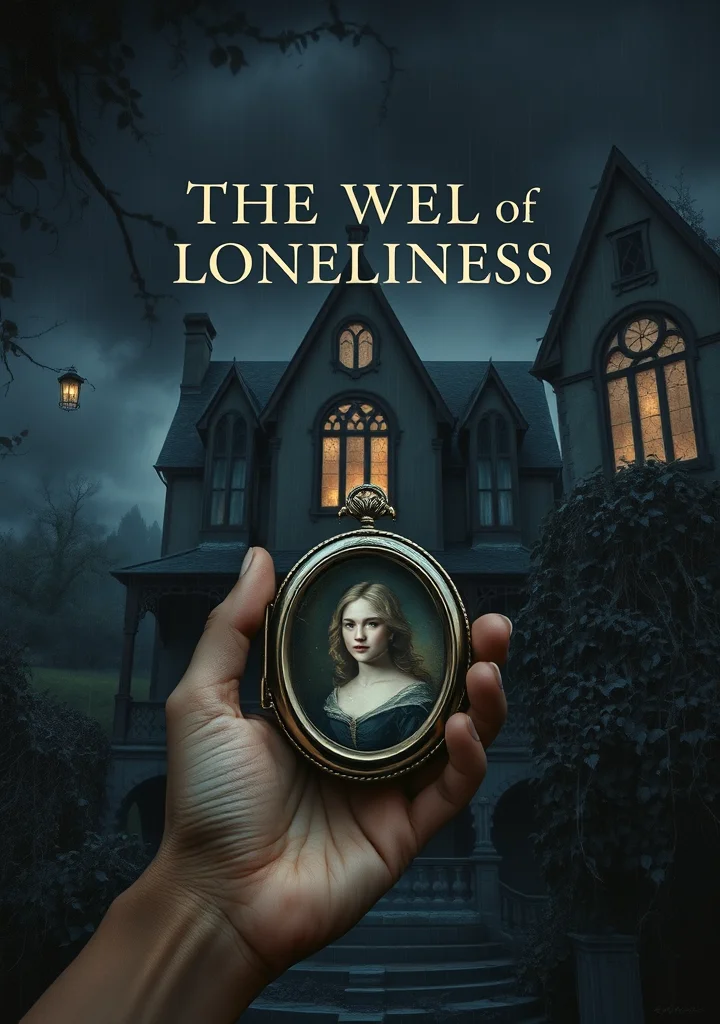
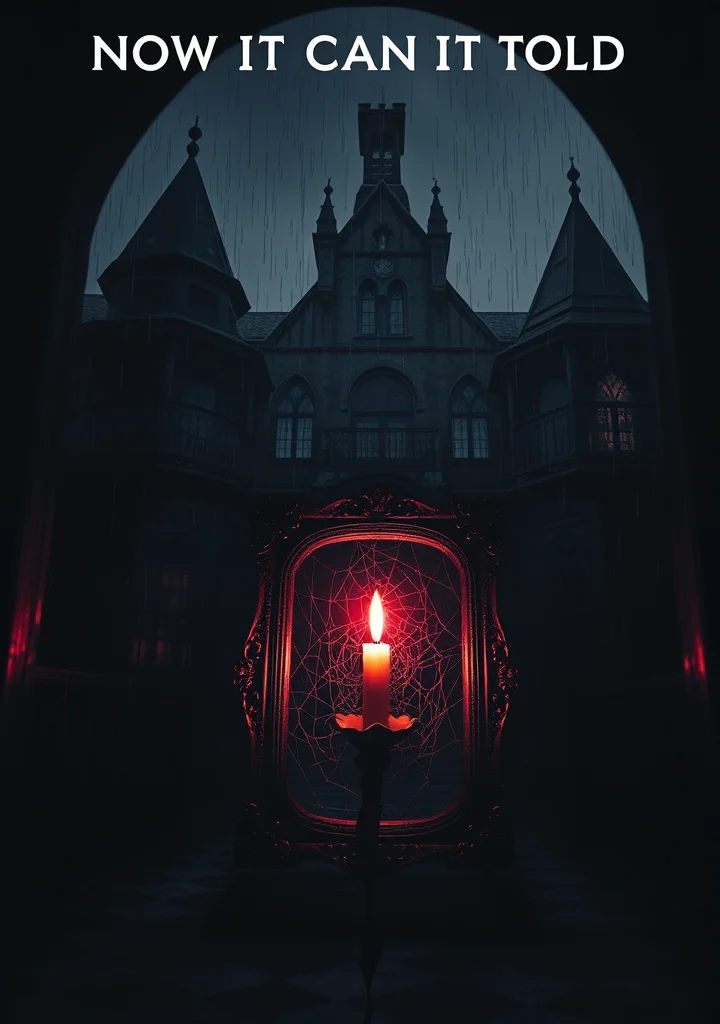
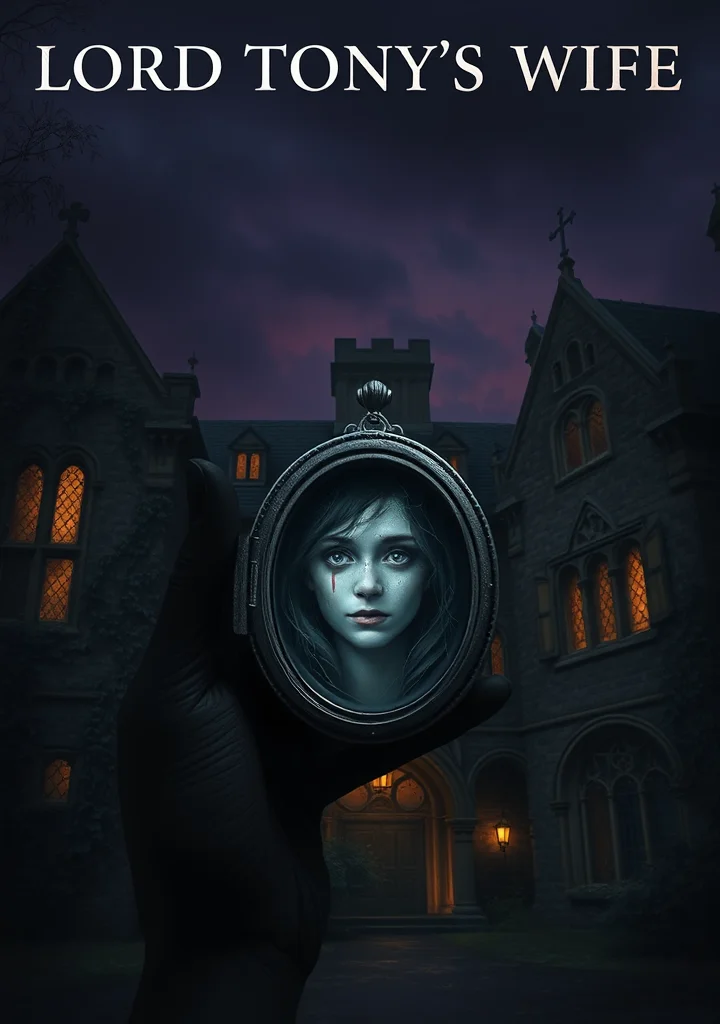
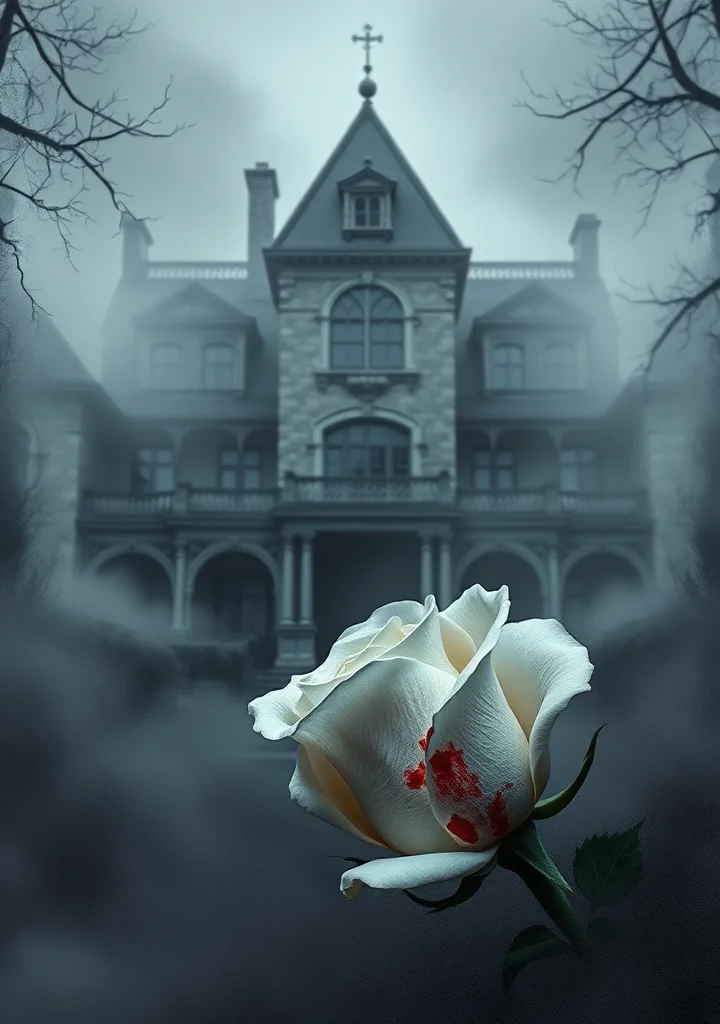
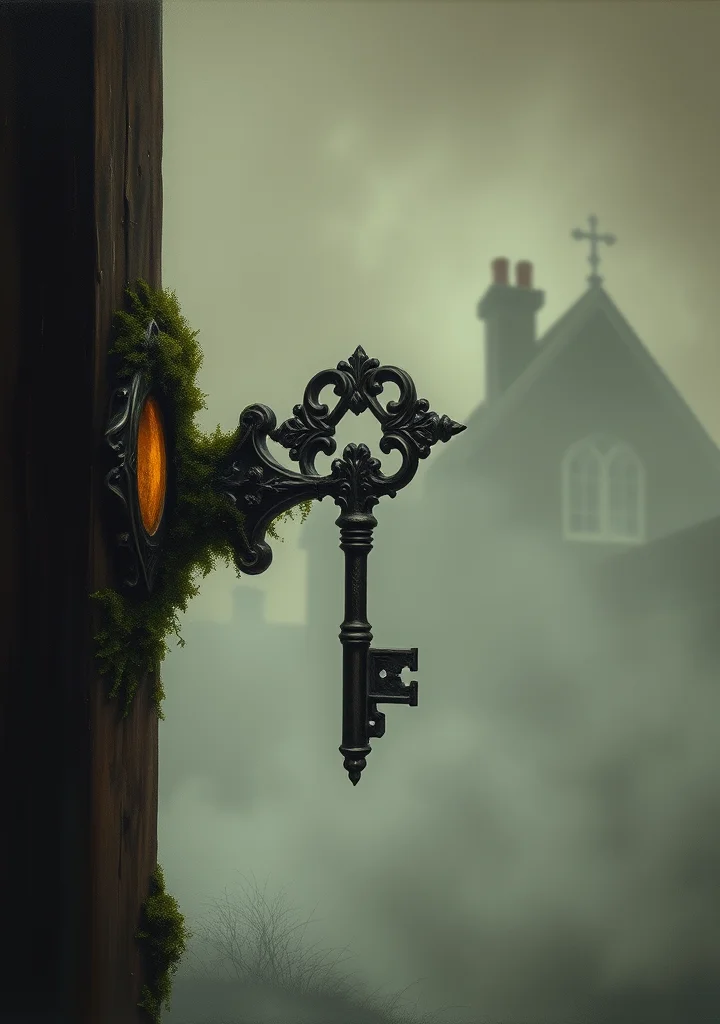
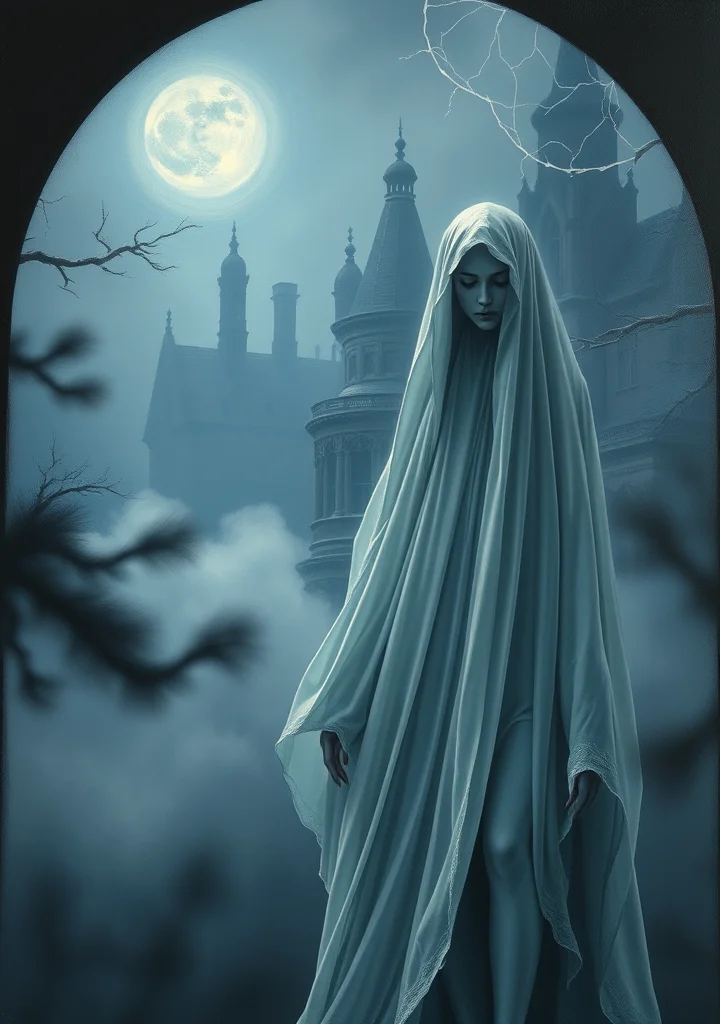
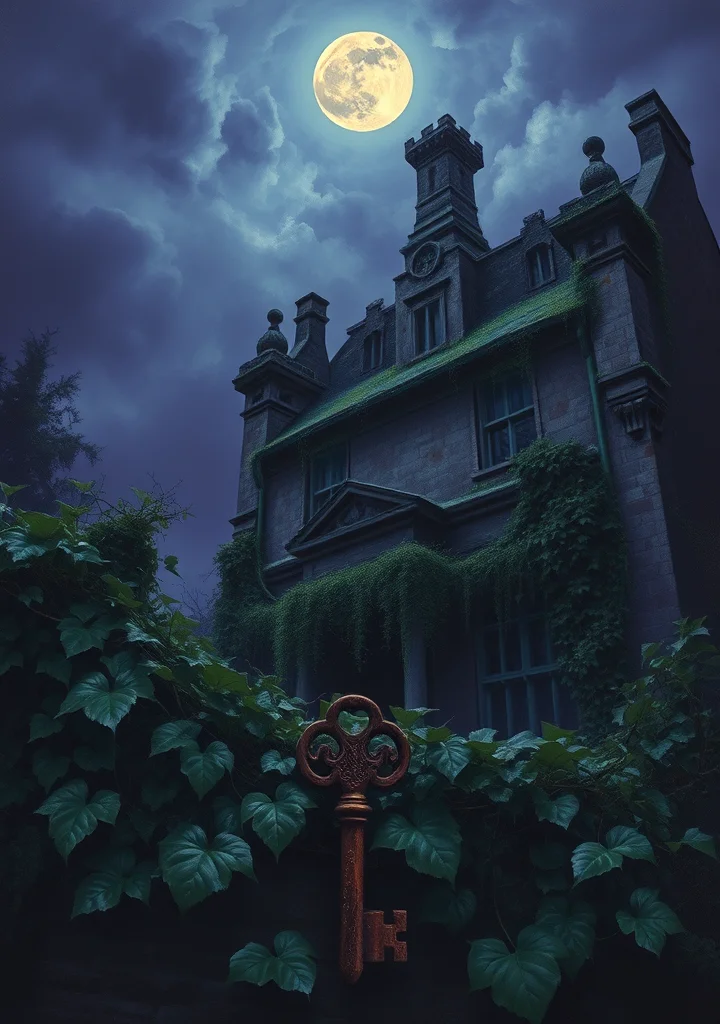
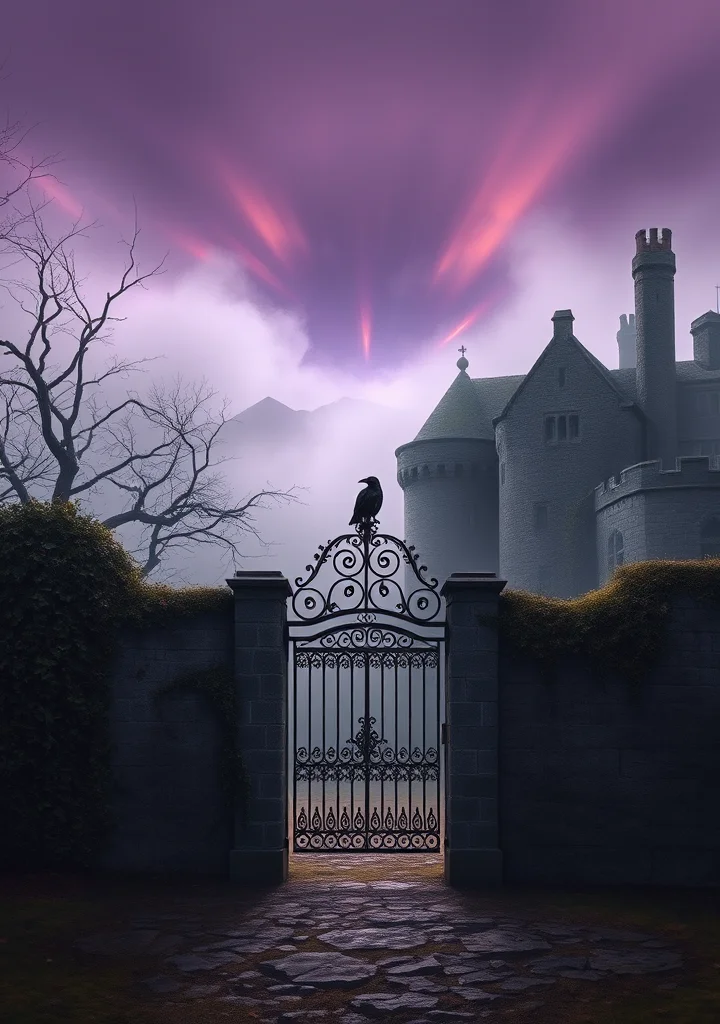
A creeping dread clings to the Scottish Highlands, mirroring the chill that settles over Alistair Grant as he returns to his ancestral estate. Not a homecoming, but a summons – a veiled plea from a crumbling manor steeped in generations of shadowed secrets. The air itself tastes of decay and whispered accusations, the stone walls breathing with the ghosts of those who vanished within its labyrinthine halls. Each sunrise feels less a dawn of hope and more a slow exposure of rot, revealing fissures not just in the stone, but within the very fabric of Grant’s family.
The moorland stretches like a bruised landscape, mirroring the bruising of Alistair’s spirit as he unravels a legacy of ambition, betrayal, and the cold calculus of inheritance. The estate isn’t merely a place; it's a predator, drawing in those desperate to claim its fractured power. The narrative unfolds as a slow bleed of suspicion, each character a silhouette against a dying fire, their motives obscured by the encroaching fog.
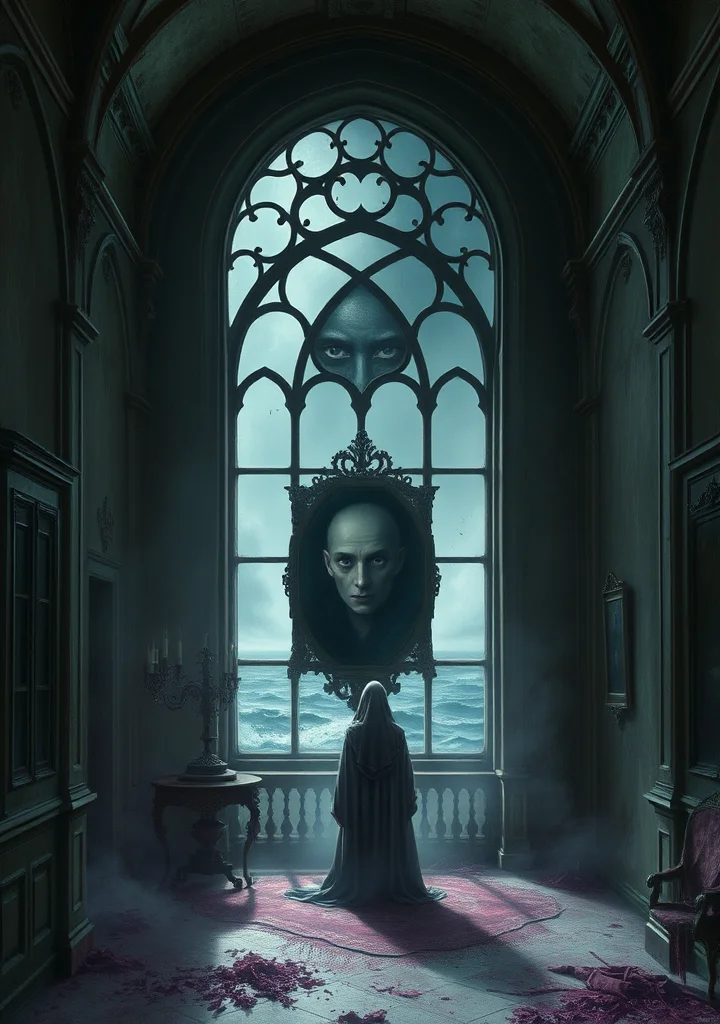
The narrative isn’t about what’s *seen*, but what lingers in the periphery - the scent of damp earth, the rustle of unseen wings, the weight of eyes watching from darkened windows. A sense of being watched permeates every page, a growing unease that settles like frost on the heather. It is a story of men consumed by their own histories, bound to a land that demands a reckoning for sins long buried. The Courts of the Morning aren’t merely a place of judgment, but a stage for a final, desperate act of penance – or revenge.
Copyright: Public Domain
This license allows anyone to use your story for any purpose, including printing, selling, or adapting it into a film freely.
This license allows anyone to use your story for any purpose, including printing, selling, or adapting it into a film freely.
Chapter List
-
« The Courts of the Morning »📖 Continue Reading
-
« Chapter_3 »
-
« The Courts of the Morning »
-
« Prologue by Sir Richard Hannay »
-
« I »
-
« II »
-
« III »
-
« I »
-
« II »
-
« III »
-
« IV »
-
« V »
-
« VI »
-
« VII »
-
« VIII »
-
« IX »
-
« X »
-
« XI »
-
« XII »
-
« XIII »
-
« I »
-
« II »
-
« III »
-
« IV »
-
« V »
-
« VI »
-
« VII »
-
« VIII »
-
« IX »
-
« X »
-
« XI »
-
« XII »
-
« XIII »
-
« XIV »
-
« I »
-
« II »
-
« III »
-
« IV »
-
« V »
-
« VI »
-
« VII »
-
« VIII »
-
« IX »
-
« Epilogue »
44
-
« The Courts of the Morning »
-
« Chapter_3 »
-
« The Courts of the Morning »
-
« Prologue by Sir Richard Hannay »
-
« I »
-
« II »
-
« III »
-
« I »
-
« II »
-
« III »
-
« IV »
-
« V »
-
« VI »
-
« VII »
-
« VIII »
-
« IX »
-
« X »
-
« XI »
-
« XII »
-
« XIII »
-
« I »
-
« II »
-
« III »
-
« IV »
-
« V »
-
« VI »
-
« VII »
-
« VIII »
-
« IX »
-
« X »
-
« XI »
-
« XII »
-
« XIII »
-
« XIV »
-
« I »
-
« II »
-
« III »
-
« IV »
-
« V »
-
« VI »
-
« VII »
-
« VIII »
-
« IX »
-
« Epilogue »
More like this