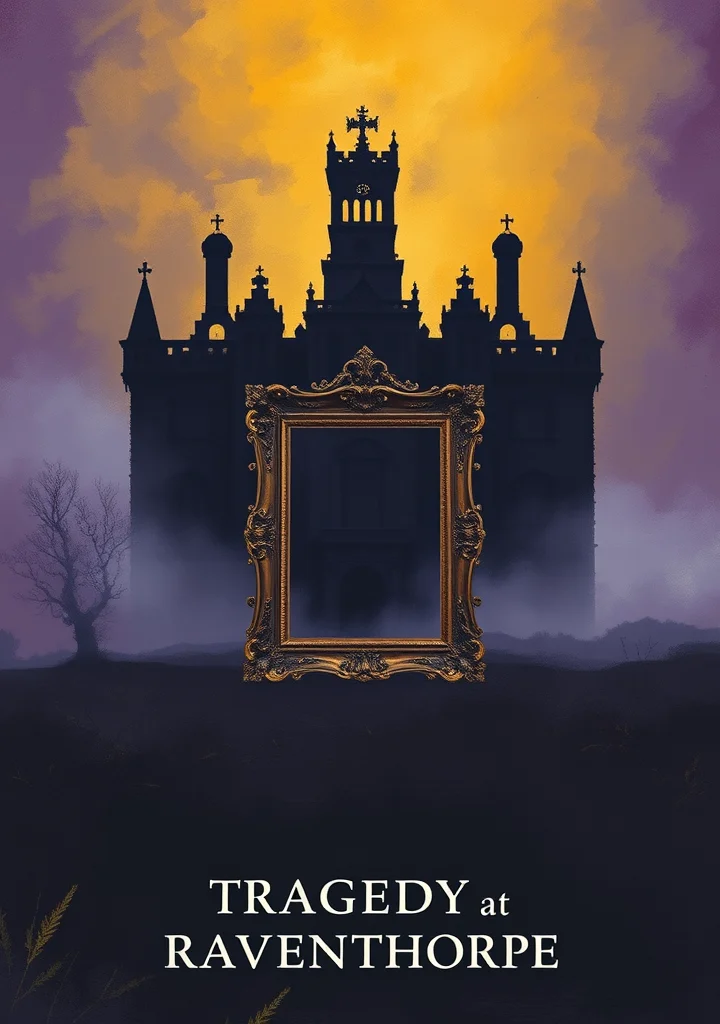

Tragedy at Ravensthorpe
  • 185
  • 0
  • 16
  • Reads 185
  • 0
  • Part 16
Completed, First published Mar 02, 2026

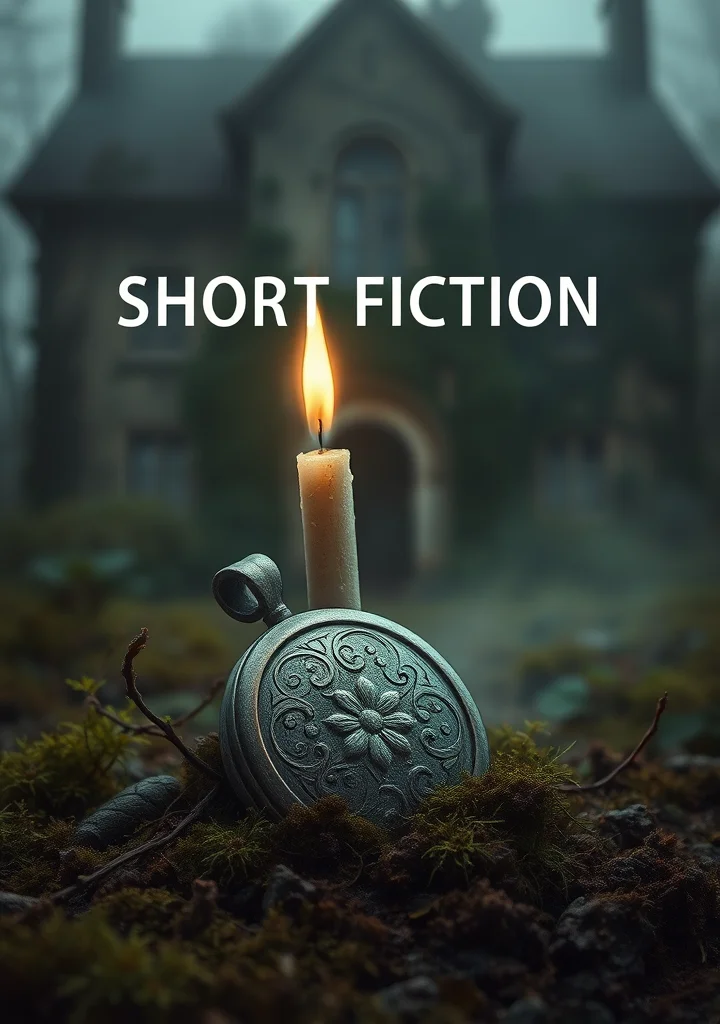
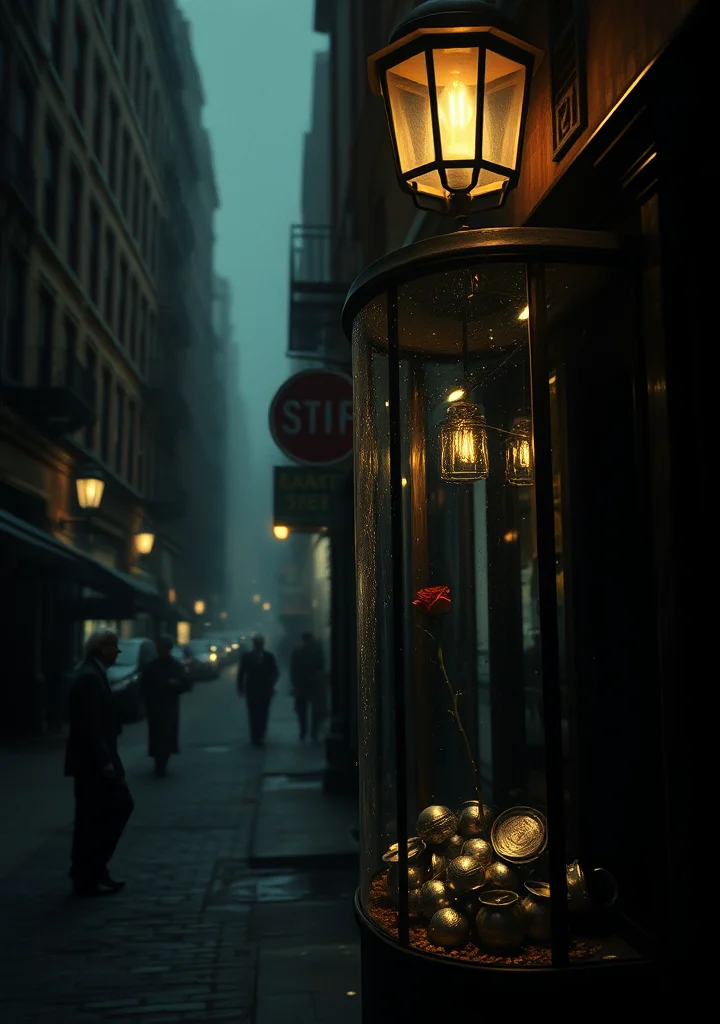
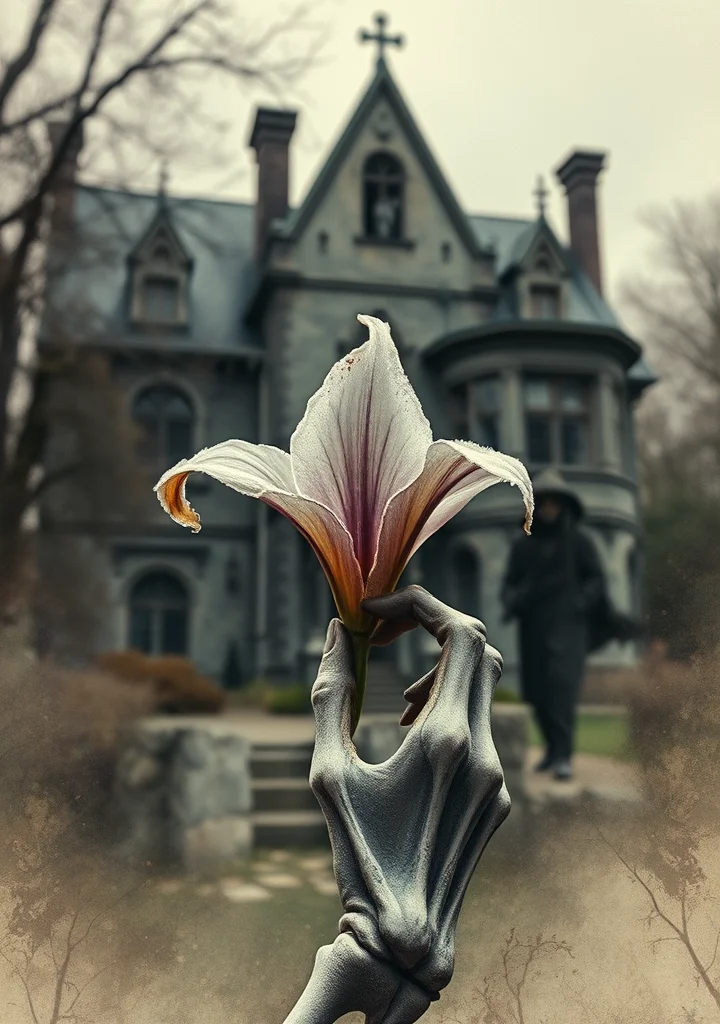
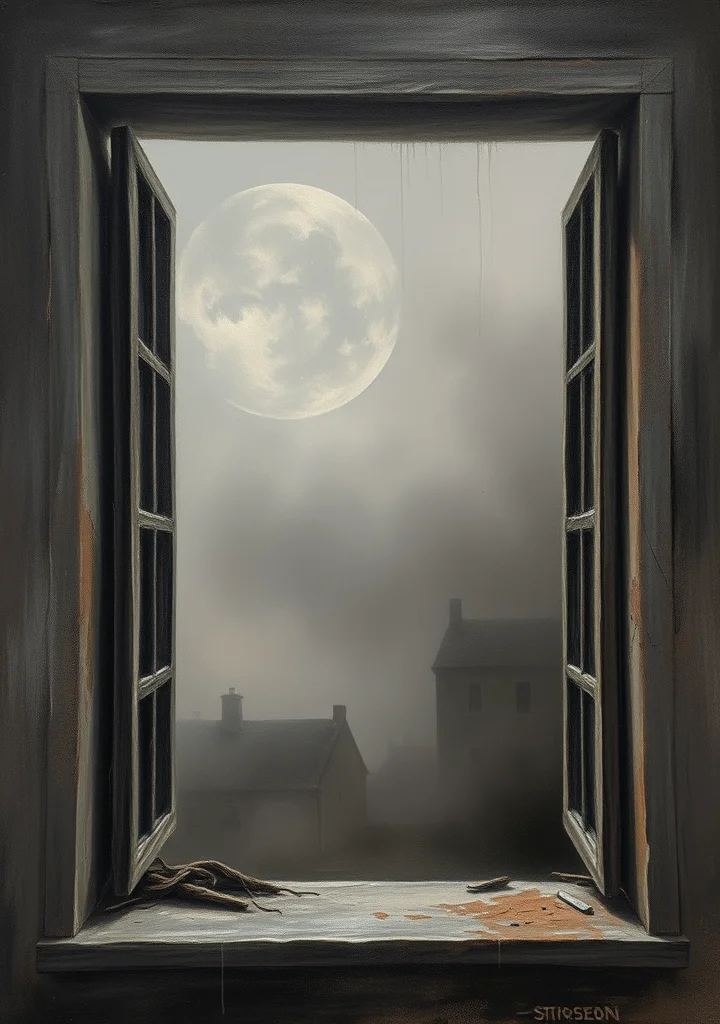
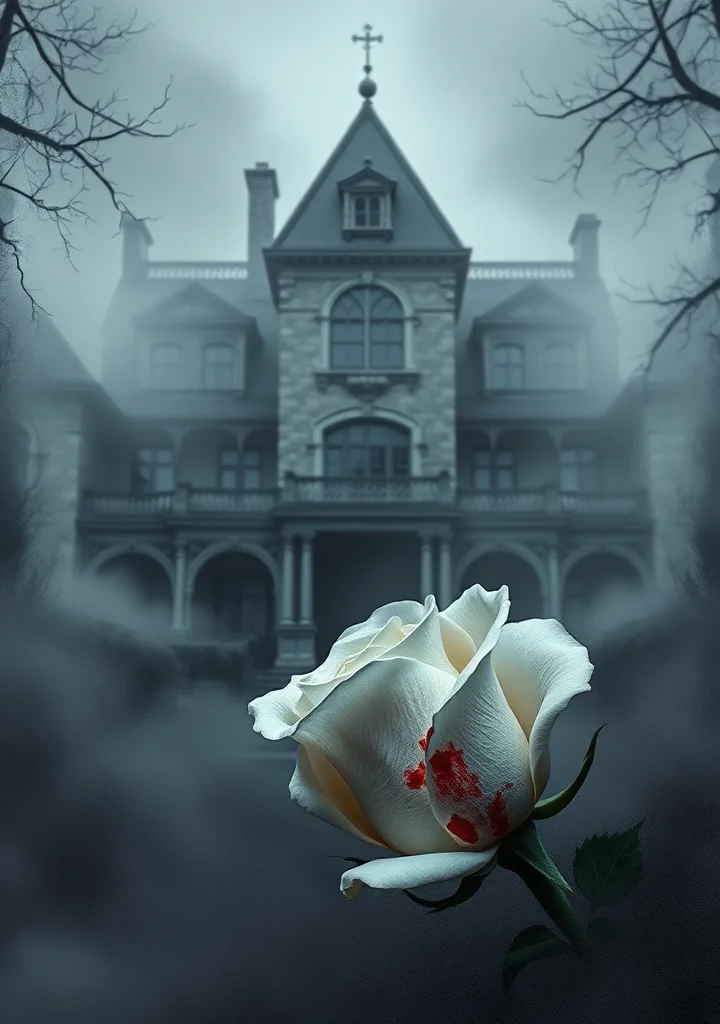
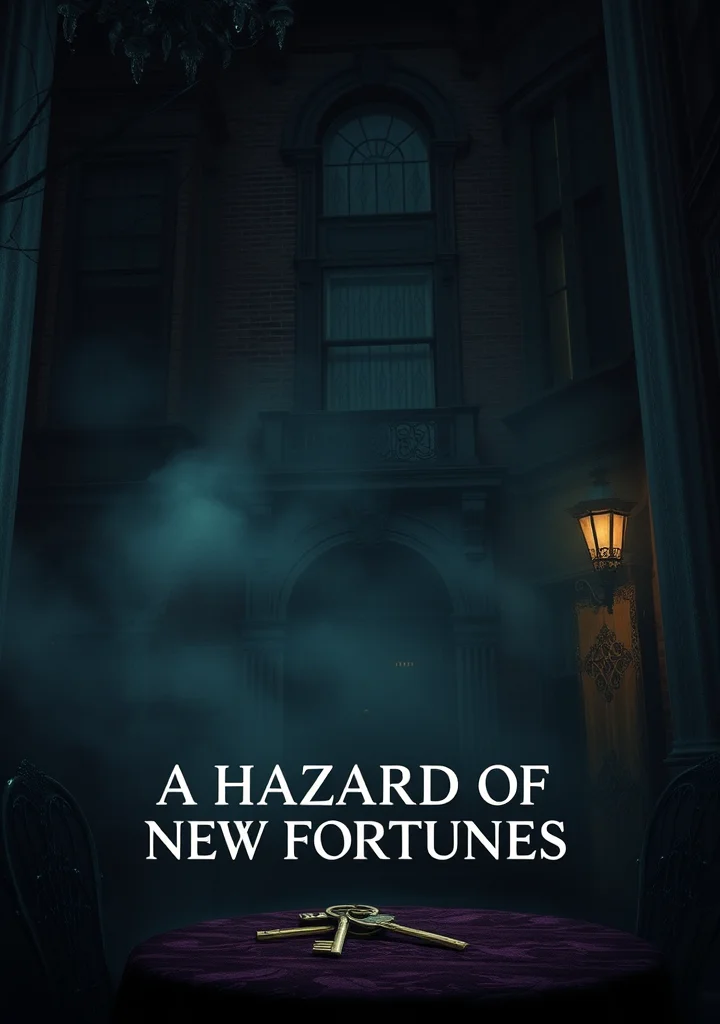
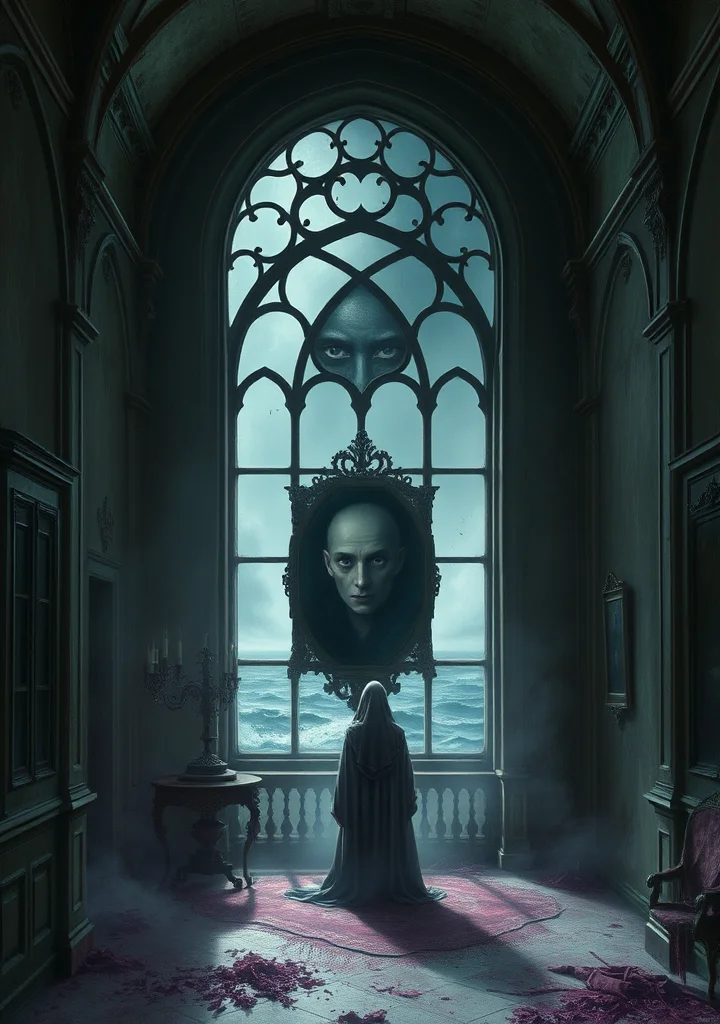
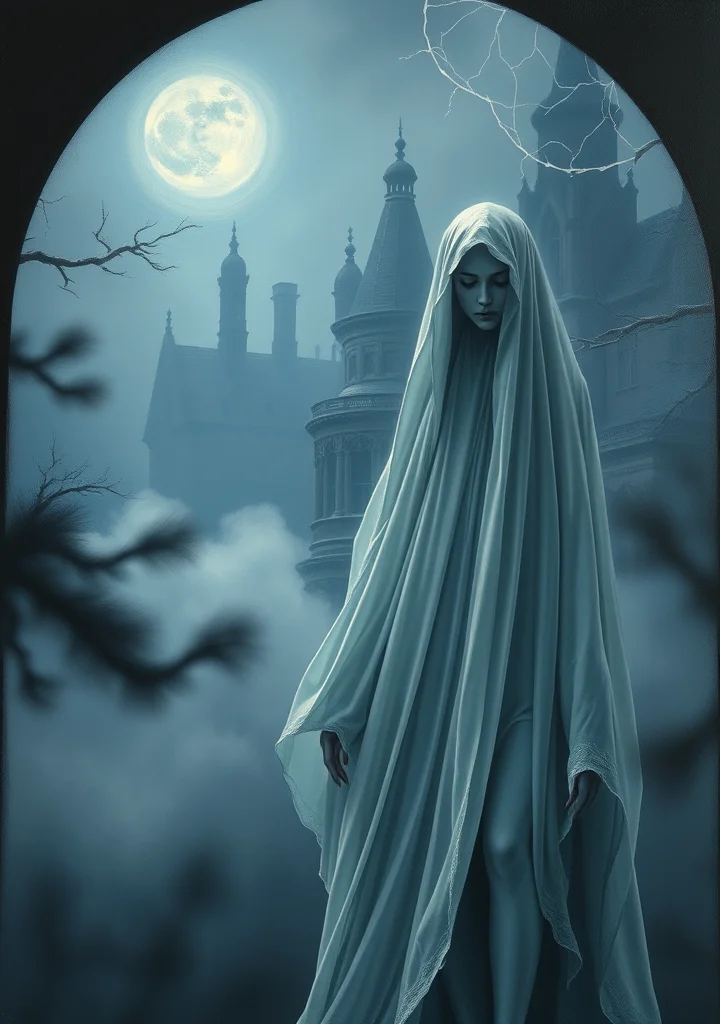
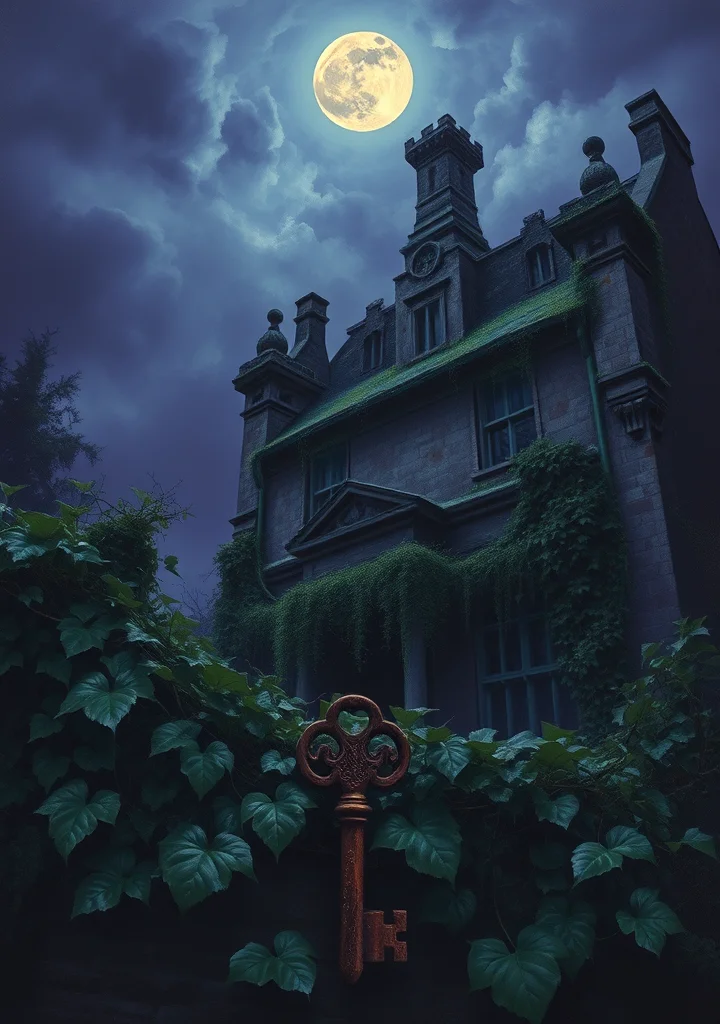
A creeping dread clings to the Yorkshire moors, mirroring the decay within Ravensthorpe Manor. The estate, a skeletal silhouette against perpetual twilight, holds a silence thicker than the November fog—a silence punctuated only by the frantic whispers of servants and the brittle coughs of its ailing master, Sir Alistair. He is a man haunted by shadows, both real and imagined, obsessed with uncovering a family curse tied to a missing heir and a portrait whose eyes seem to follow every movement. The narrative unfolds through fragmented diary entries and feverish accounts from those trapped within Ravensthorpe’s stone embrace. Each revelation unravels not a solution, but another layer of suffocating grief and ancestral guilt. The scent of damp earth and dying roses permeates every room, clinging to the velvet drapes and tarnished silver. A suffocating claustrophobia settles over the reader as the investigation descends into a labyrinth of secret passages, forgotten crypts, and the chilling echoes of past tragedies. The manor itself is a character, breathing with a malevolent history. Rain lashes against the leaded windows, mirroring the tempest brewing within the hearts of those who dare to seek the truth. But the truth, when it finally surfaces, is not a grand revelation, but a splintering of sanity, a descent into the madness that has always festered within Ravensthorpe’s walls. It is a tragedy not merely witnessed, but inhaled—a slow, insidious poisoning of the soul.
Copyright: Public Domain
This license allows anyone to use your story for any purpose, including printing, selling, or adapting it into a film freely.
Recommended for you
61 Part
A perpetual twilight clings to the shadowed halls of Udolpho, where innocence is tested by the suffocating weight of ancestral secrets. The narrative unfolds within a labyrinth of crumbling castles and sunless forests, mirroring the fractured psyche of its heroine, Emily St. Aubert. Every echoing corridor whispers of past betrayals, every darkened chamber breathes with the icy presence of unspoken fears. A suffocating dread permeates the Italian landscape, born not of overt horror, but of insidious suspicion and the slow unraveling of sanity. The oppressive grandeur of Udolpho itself becomes a character, its vastness mirroring the boundless anxieties that consume Emily. The air is thick with the scent of decaying grandeur, and the story unfolds with the deliberate pace of a nightmare, punctuated by stolen glances, intercepted letters, and the chilling resonance of distant screams. It is a world where the boundaries between reality and hallucination blur, where the imagination, fueled by isolation and paranoia, conjures terrors far more potent than any visible threat. A creeping sense of helplessness pervades as Emily is drawn deeper into a web of familial intrigue, shadowed by the looming specter of a tyrannical uncle and the veiled machinations of those who would claim her inheritance. The narrative is steeped in a melancholic beauty, a haunting symphony of vulnerability and veiled menace, forever lingering in the half-light between revelation and despair.
13 Part
A suffocating dread clings to the stone of Calvary, not of Christ’s ascent, but of a family’s descent into inherited madness. The chateau breathes with the rot of generations, each gilded room echoing with the ghosts of ambition and decay. Here, the de Juvigny lineage festers, consumed by a legacy of brutal land-grabbing, military glory bought with the lives of men, and a morbid obsession with lineage that curdles into a grotesque parody of piety. The air is thick with the scent of damp earth, decaying flowers, and the bitter tang of arsenic, whispered to be the family’s favored tonic. Shadows dance in the crumbling corridors, mirroring the unraveling sanity of the patriarch, a man carved from granite and haunted by the phantom victories of his father. His sons, twisted reflections of his own brutal ambition, circle like carrion birds, each desperate to claim the crumbling estate as their own. A suffocating claustrophobia grips the reader as the narrative burrows deeper into the poisoned roots of the de Juvigny bloodline. The very walls seem to weep with the weight of unspeakable deeds. It is a world where beauty is a fragile veneer masking a core of rot, where devotion is a suffocating ritual, and where the soil itself is stained crimson with the secrets of a dynasty’s savage hunger. The narrative doesn't merely unfold; it *bleeds* into the reader's consciousness, leaving behind a residue of cold stone, whispered curses, and the chilling realization that Calvary is not a place of redemption, but a monument to the enduring power of darkness.
13 Part
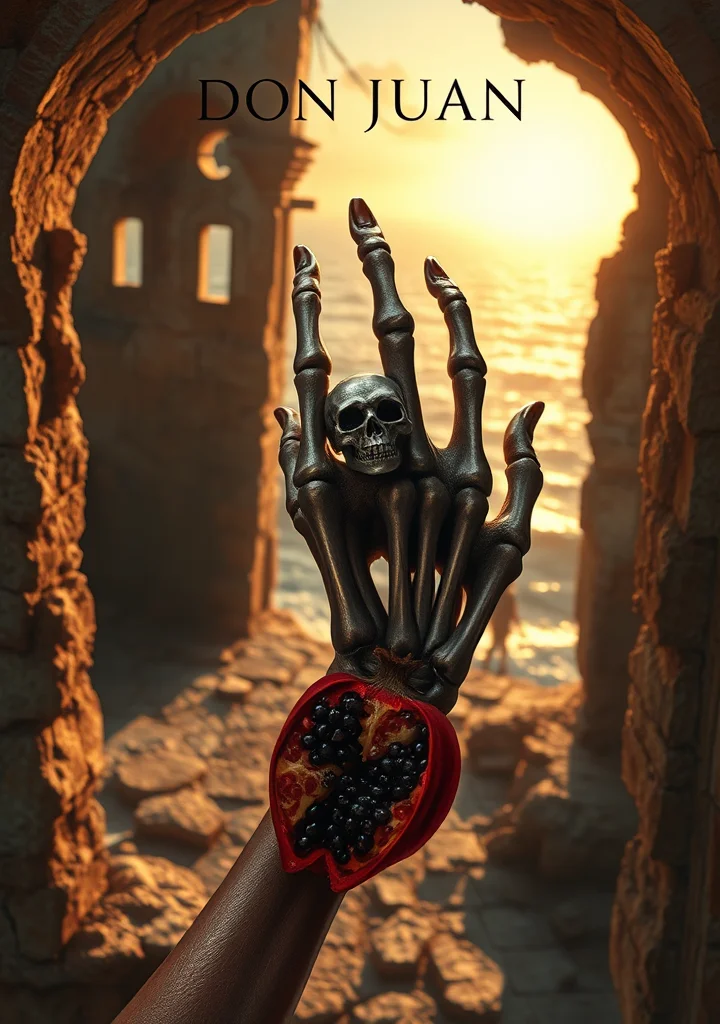
Dust motes dance in the perpetual twilight of the Algerian Sahara, clinging to the crumbling adobe walls of a forgotten fortress. Here, amidst shifting dunes and whispers of ancient Berber lore, lies Khaled, a man bound by a pact with djinn and shadowed by a legacy of blood and sand. The air itself tastes of regret, thick with the scent of myrrh and the phantom cries of generations consumed by the desert’s hunger. Crawford weaves a narrative steeped in the oppressive heat, where loyalty is a brittle thing, and the line between the living and the damned blurs with each scorching sunrise. Khaled isn’t merely a man, but a vessel for a history of violence, haunted by the spirits of those he’s sworn to protect – or to betray. The fortress becomes a suffocating tomb, echoing with the weight of forgotten oaths and the slow decay of stone. Every shadow conceals a betrayal, every whisper carries the threat of a reckoning. The landscape itself becomes a character, mirroring the fractured soul of the man at its heart. Expect not grand spectacle, but the creeping dread of isolation, the suffocating weight of tradition, and the unnerving realization that the true monsters are not those lurking in the darkness, but those born from the sun-scorched earth and the silences between breaths. The story unfolds like a slow poison, seeping into the marrow of your bones until you, too, feel the weight of Khaled’s burden, the desert’s curse, and the chilling promise of oblivion.
56 Part
A creeping dread clings to the shadowed corners of Jurgen’s world, a land steeped in the melancholic decay of ancient magic. The tale unfolds as a descent into a half-remembered nightmare, where the boundaries between dream and reality blur with each echoing chime of distant bells. Jurgen himself, a man of humble origins, is swept into a labyrinth of perverse desires and forgotten gods. His journey is not one of heroism, but of insidious corruption, a slow unraveling of innocence amidst courts of spectral royalty and monstrous appetites. The air hangs thick with the scent of moldering tapestries and the rustle of unseen things. Forests breathe with a sentience both alluring and terrifying, and the laughter of faeries carries the chilling promise of stolen souls. Every encounter feels less like progress and more like a tightening coil around the heart. A pervasive sense of loneliness permeates the narrative; Jurgen is always just beyond reach, a phantom glimpsed through fogged windows. The story breathes with a morbid elegance, a decadent rot blossoming beneath a veneer of polite society. It’s a world where kindness is a curse, and every act of love is shadowed by a looming, unspeakable price. The landscapes themselves seem to weep, mirroring the slow, agonizing erosion of Jurgen’s spirit as he becomes irrevocably entangled in the web of his own making. It’s a descent into a darkness that promises not oblivion, but a twisted, eternal mockery of life.