
-
Read 323
-
0
-
Part 7
Completed, First published Mar 02, 2026
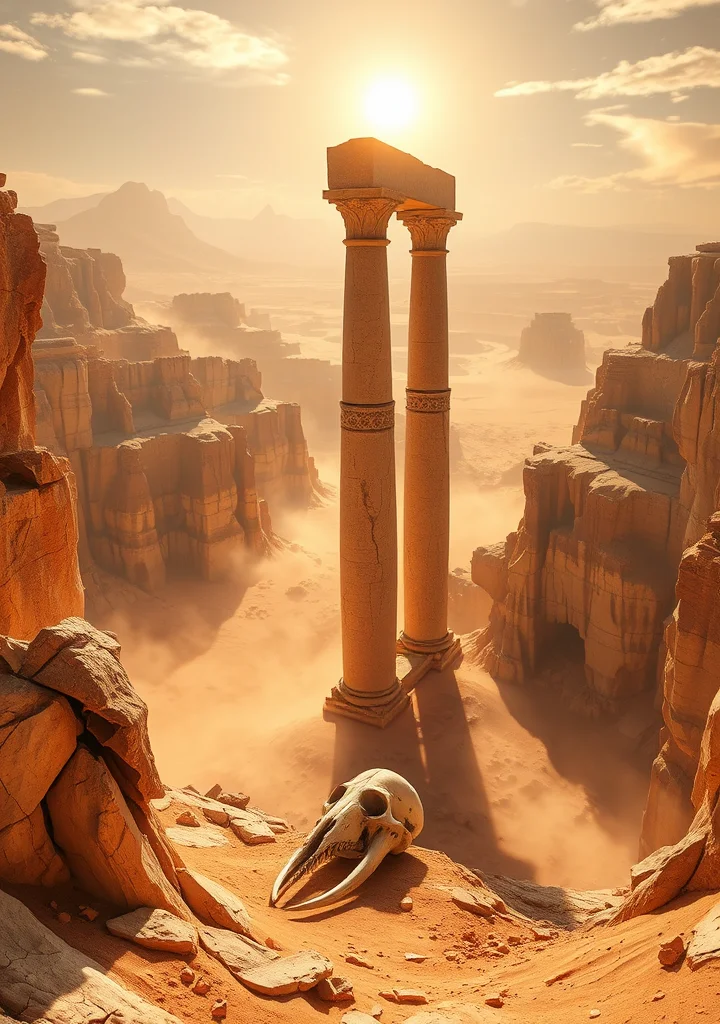
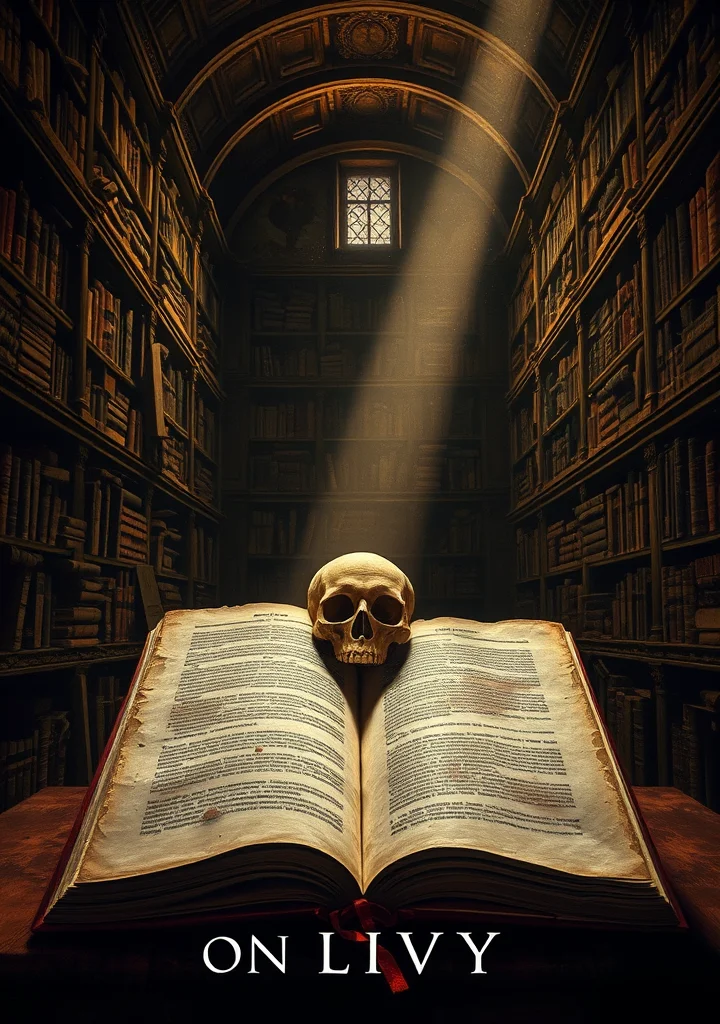
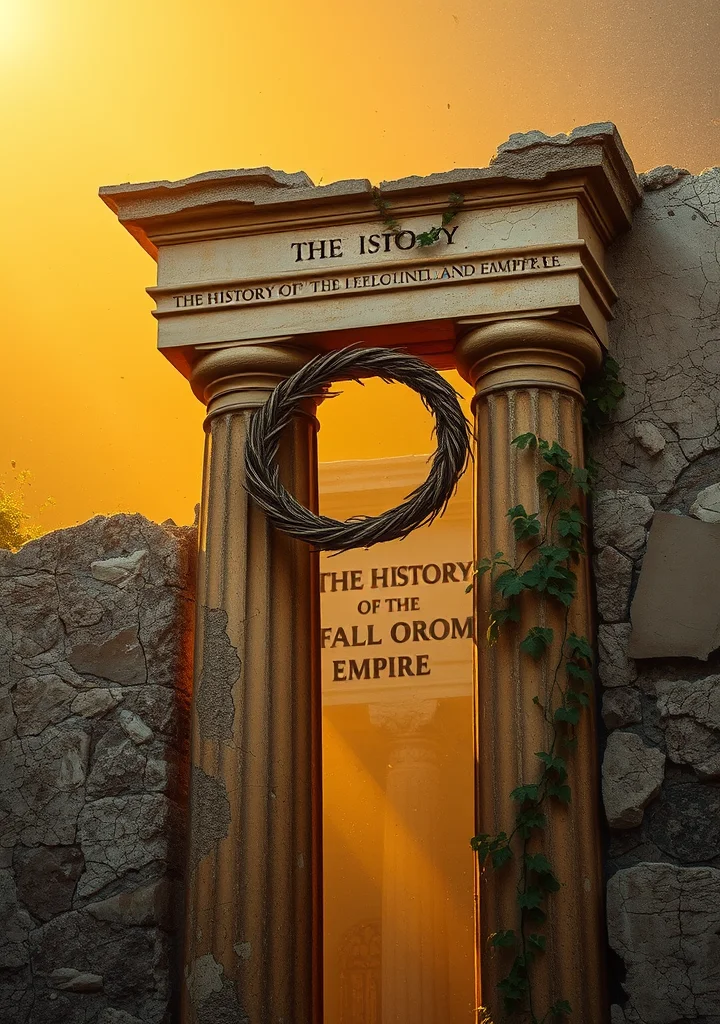
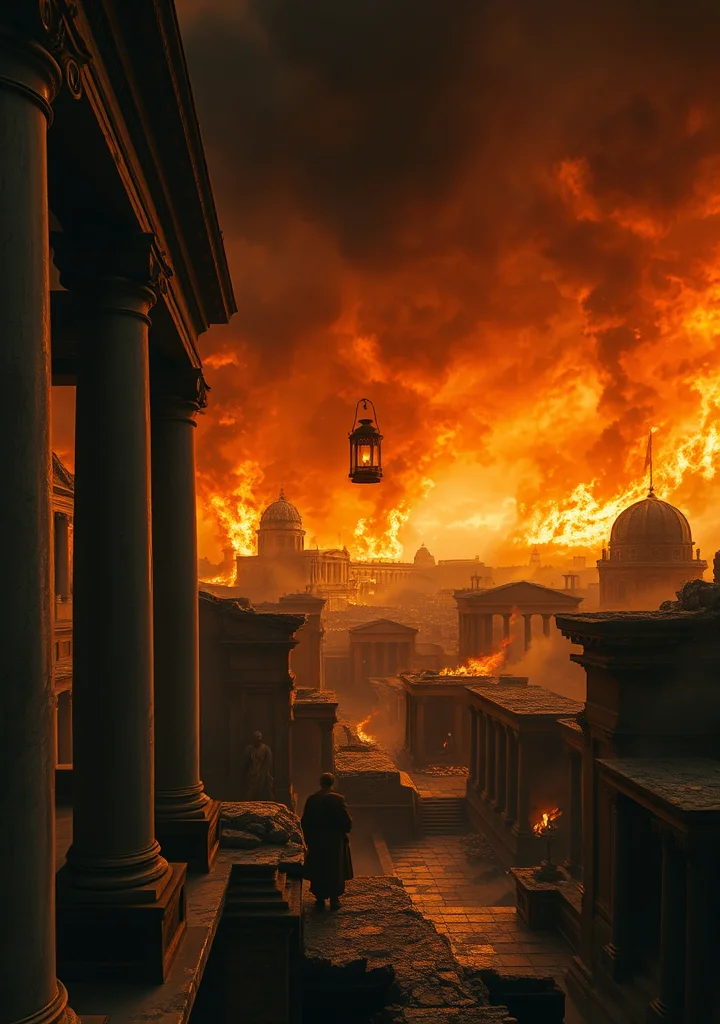
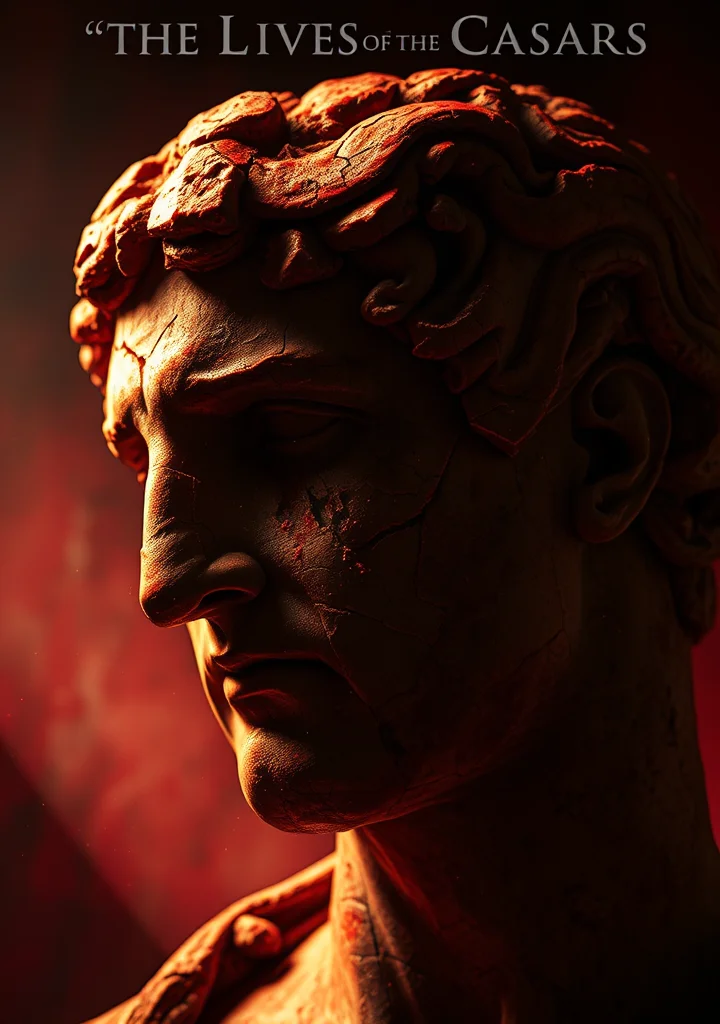
Dust motes dance in the perpetual twilight of imperial Rome, clinging to whispers of madness and ambition. These are not histories carved in stone, but fever dreams bleeding from the mouths of informers and eunuchs. Each life unravels like a silken shroud, stained with poison, paranoia, and the suffocating weight of divinity. Palaces become tombs lined with gold, echoing with the screams of betrayed lovers and the stifled plots of courtiers. A creeping dread permeates every gilded chamber, born of a power so absolute it devours its wielders. Suetonius doesn't chronicle emperors; he dissects the rot at the heart of empire. The stench of incense and decay clings to every page, a suffocating perfume that clings to the skin long after the book is closed. Every secret uncovered feels like a violation, the cold touch of marble on a corpse. Beware the gilded cage, for within lies not glory, but a slow, exquisite unraveling of the soul. The Caesars themselves are ghosts haunting the very foundations of Rome, their legacies built on bones and fueled by the darkness that festers beneath the veneer of civilization.
Copyright: Public Domain
This license allows anyone to use your story for any purpose, including printing, selling, or adapting it into a film freely.
This license allows anyone to use your story for any purpose, including printing, selling, or adapting it into a film freely.
More like this