
Phineas Redux
  • 349
  • 0
  • 81
  • Reads 349
  • 0
  • Part 81
Completed, First published Mar 02, 2026

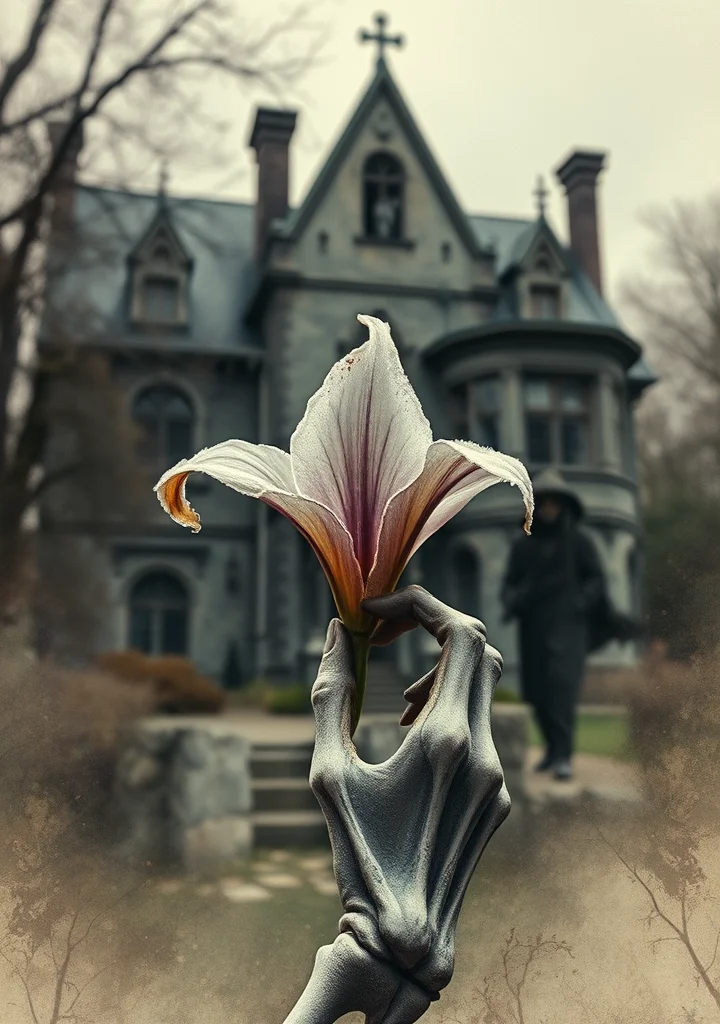
A creeping dread settles over the ancient houses of Silverpershade, mirroring the return of Phineas Finn. Not a triumphant homecoming, but a spectral revisiting of debts paid and loves lost. The air hangs thick with the scent of decaying ambition, each shadowed room a mausoleum for shattered ideals. Finn's reappearance doesn’t stir joy, but a subtle unraveling of composure amongst those he once held dear. His presence is less a man returning, more a haunting echo, stirring the dust of forgotten betrayals. The very gardens seem to mourn with a melancholic sigh as he treads familiar paths, each step a reminder of promises broken and fortunes gambled away. A suffocating politeness masks a venomous undercurrent, a brittle civility threatening to shatter with each forced smile. The narrative coils like ivy around a crumbling manor, feeding on whispered accusations and the suffocating weight of societal expectation. The novel isn't about what Phineas *does*, but the insidious decay he embodies—a creeping darkness that consumes the gilded cages of Victorian society, leaving only hollow shells and the taste of ash on the tongue. It is a slow, deliberate poisoning, a gothic unraveling witnessed through rain-streaked windows and the lengthening shadows of regret.
Copyright: Public Domain
This license allows anyone to use your story for any purpose, including printing, selling, or adapting it into a film freely.
Chapter List

81

Recommended for you
26 Part
A creeping dread emanates from the snow-blinded peaks surrounding the Castle, a fortress not of stone and mortar but of suffococating bureaucracy and fractured logic. The protagonist, nameless and adrift, is drawn into its labyrinthine corridors not by invitation, but by an insidious compulsion, a need to understand its impossible laws. Each attempt to reach its masters, the unseen Archduke and his attendants, is met with echoing silence, mirrored by the villagers who speak of the Castle only in hushed, fearful whispers. The landscape itself is a character – a perpetual twilight descends, smothering the world in a gray, suffocating weight. Rooms stretch into impossible distances, hallways twist into mirroring repetitions, and the very architecture seems designed to frustrate comprehension. The air is thick with the scent of damp stone and decaying paper, a testament to decades of unfulfilled petitions. A pervasive sense of futility clings to every interaction. The Castle’s inhabitants, pale and withdrawn, engage in rituals of pointless administration, their faces etched with a hollow resignation. Hope is not extinguished, but slowly eroded, replaced by a gnawing awareness of one’s own insignificance within a system that exists solely to perpetuate its own obscurity. The narrative unfolds as a descent into a waking nightmare, a prison built not of bars, but of endless, incomprehensible protocols. The Castle isn’t merely a location; it’s a symptom of a deeper, unknowable malaise, an infection of the soul.
8 Part
A suffocating stillness clings to the Gabler estate, a mausoleum of inherited wealth and decaying ambition. Within its shadowed parlors, Hedda, a bride newly returned, breathes a discontent that curdles the air. Not a tale of spectral hauntings, but of a hollowness that consumes from within. The scent of withered blooms and unsent letters permeates every room, mirroring the slow rot of Hedda’s spirit. A suffocating marriage, a stifled legacy—these become the bars of her gilded cage. The narrative unfolds as a slow bleed of frustration, a poisonous flowering of cruelty masked by polite society’s veneer. Each conversation, a brittle exchange of veiled threats and unspoken desires. A creeping dread settles with the dusk, fueled by whispered secrets and the echoes of past tragedies. The estate itself becomes a character, its oppressive architecture mirroring Hedda’s constriction, the scent of decay clinging to her every action. The air thickens with the weight of unfulfilled longing, a perverse obsession with control blooming in the shadows of her discontent. A sense of inevitable collapse permeates the story, not through grand catastrophe, but through the quiet, agonizing unraveling of a woman suffocated by expectation, driven to desperate measures within the suffocating confines of her own making. The ending lingers not as a resolution, but as a chilling residue—a cold, elegant despair that seeps into the very foundations of the house and the reader’s soul.
70 Part
A creeping dread settles over the marshlands of Anglia, mirroring the slow rot within the bones of its last kings. Morris weaves a tale not of glorious battle, but of a world drowning—not in water alone, but in the melancholic decay of forgotten gods and the venomous whispers of those who would usurp them. The narrative clings to the peat bogs like a clinging mist, smelling of salt and brine, of drowned things and the iron tang of blood. Villages vanish beneath encroaching tides, their stone foundations swallowed by the relentless grey, while within crumbling halls, the remnants of a fractured kingdom barter with shadow-things for survival. Each chapter feels like a descent into a waterlogged grave, the prose thick with the weight of loss and the insidious bloom of fungal blooms on rotting timbers. The sun, when it dares to appear, casts no warmth, only long, skeletal shadows stretching across the drowned fields. A sense of inevitable collapse permeates every line; not a heroic struggle against fate, but a mournful acceptance of its glacial, crushing embrace. The flood isn’t merely a rising water level, but a fracturing of the world itself, revealing the skeletal truths of a land consumed by its own melancholic past. The voices that linger are not those of the living, but the drowned echoes of kings, lovers, and children, murmuring from beneath the surface, beckoning the reader to join them in the cold, suffocating embrace of the sundering flood.
20 Part
A creeping dread clings to the salt-laced air of Blackwood Isle, where the crumbling manor of the Virgins stands sentinel against a bruised, perpetual twilight. Old Man Hemlock, the last of the island’s keepers, speaks in whispers of eleven daughters swallowed by the sea, each vanishing on her wedding night. They say the manor demands a bride—a virgin, untouched—to feed the ravenous hunger of its stone foundations. The latest ward, Elara, arrives not as a willing sacrifice, but a desperate castaway fleeing a mainland shame. But Blackwood Isle offers no true refuge, only a slow, suffocating unraveling. Shadows twist into the shapes of drowned girls in the manor’s echoing halls. The scent of brine and decay clings to every breath, and the rhythmic crash of waves against the cliffs feels less like a natural rhythm than a heartbeat counting down to Elara’s own watery demise. Each night, the manor’s hunger swells, manifesting as phantom touches, icy currents, and the haunting scent of lilies. The portraits of the lost Virgins seem to watch Elara with vacant, accusatory eyes, their painted smiles promising not salvation, but an endless descent into the cold embrace of the sea. Is Elara fleeing a sin, or walking willingly into the jaws of Blackwood’s ancient, monstrous appetite? The truth, like the Isle itself, is shrouded in a fog of salt and sorrow, promising a chilling revelation born of salt-stained lace and the ghosts of forgotten vows.
24 Part
Across cold, star-dusted voids where empires crumble to dust and the echoes of ancient wars linger as radiation, a shadow stretches from the birth of civilization to the dawn of humanity’s dominion. The Lensmen—a fractured brotherhood bound by loyalty and the spectral light of their implanted lenses—are the last bulwark against the insidious, creeping darkness of the pre-human races. But this is no simple struggle of good against evil; it is a descent into the hollow, metallic heart of galactic politics, a labyrinth of betrayals woven with the threads of forgotten gods. The narrative unfolds not as a linear path, but as a fractured memory, glimpsed through the shifting perspectives of those touched by the Lens. Each activation, each transmission, is a fragment of a larger, terrifying design. The stations themselves—distant, isolated citadels humming with the static of forgotten transmissions—are tombs of ambition, haunted by the ghosts of failed experiments and the chilling silence of perfect obedience. The air is thick with the metallic tang of desperation, and the star-fields beyond the viewports seem to pulse with the predatory hunger of the unseen. A creeping dread clings to every page, born of the realization that the true enemy isn’t simply *out there*, but woven into the very fabric of the Lensmen’s existence, a parasitic corruption that feeds on hope and blooms in the vacuum of interstellar isolation. The narrative doesn’t promise salvation, only the slow, agonizing unraveling of a universe teetering on the edge of annihilation.