
Liberalism
  • 76
  • 0
  • 20
  • Reads 76
  • 0
  • Part 20
Completed, First published Mar 02, 2026

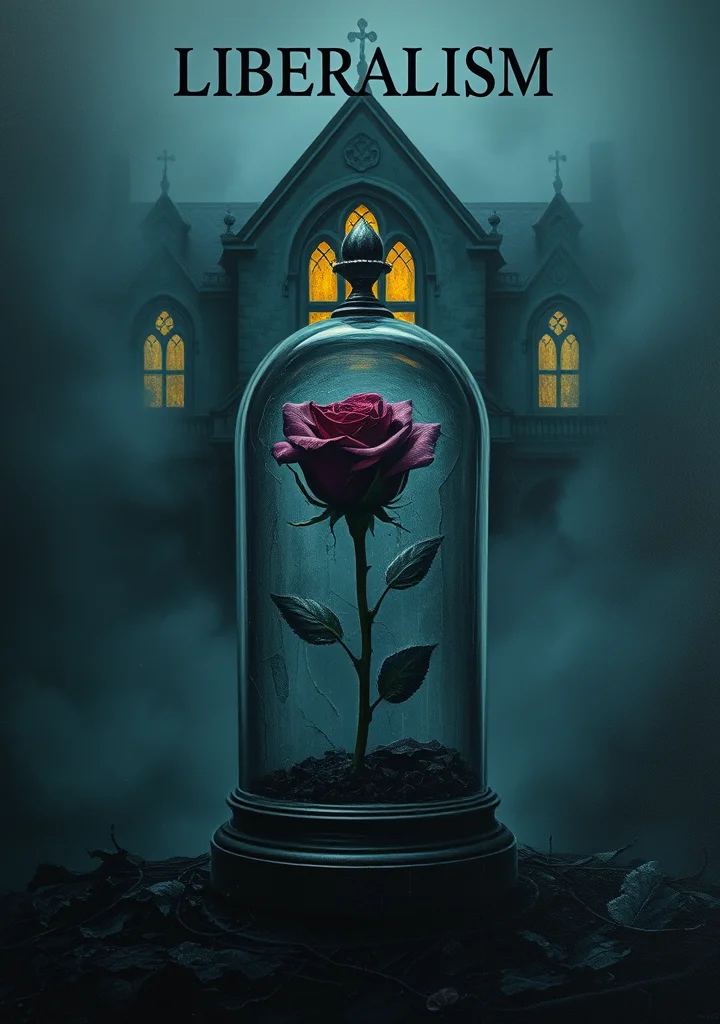
A creeping fog clings to the crumbling estates of the Hobhouse lineage, a chill that seeps not from the moorlands, but from the very stones of their decaying philosophy. Within these shadowed halls, the remnants of a once-bright creed – Liberalism – twist and rot like ivy around a dying oak. The narrative unfolds as a descent into a fractured consciousness, a fever dream of progress curdled into stagnation. Each chapter is a corridor echoing with the ghosts of good intentions, haunted by the specter of unintended consequence. The air is thick with the scent of damp wool and regret. Characters drift through dimly lit parlors, their faces obscured by inherited sorrow, endlessly debating the boundaries of their gilded cages. A suffocating politeness masks a predatory hunger for control, the subtle unraveling of empathy disguised as reasoned discourse. The novel doesn’t explode in dramatic fire, but rather dissolves in a slow, agonizing corrosion – a relentless dampening of the spirit, a quiet erosion of the soul. The true horror lies not in what is openly declared, but in the suffocating weight of what is left unsaid, the suffocating silence of a liberalism haunted by its own contradictions, and the decaying grandeur of a world built on brittle foundations. It’s a story of inheritance, not of wealth, but of decay; a gothic rot blossoming within the heart of supposed enlightenment.
Copyright: Public Domain
This license allows anyone to use your story for any purpose, including printing, selling, or adapting it into a film freely.
Recommended for you
23 Part
Dust motes dance in the perpetual twilight of a forgotten counting house, where the scent of old paper and decaying ambition clings to the shadowed walls. This is not a tale of simple acquisition, but a descent into the gilded rot of obsession. Barnum’s ‘Art’ unfolds as a fever dream of speculation—a labyrinthine city built on whispers and the crumbling facades of fortunes won and lost. Each chapter breathes with the chill of calculated risk, the suffocating velvet of confidence schemes, and the gnawing hunger for more than mere sustenance. The narrative is less a how-to manual and more a confession, scrawled in the blood of broken men and the hollow echoes of empty vaults. It’s a story of mirrors, reflecting not wealth, but the monstrous desires that feed it. A spectral ledger appears to haunt the pages, detailing not sums, but the slow unraveling of morality. The air thickens with the rustle of unseen contracts, the phantom touch of grasping hands, and the cold, clinical precision of a man dissecting the very heart of human need. Shadows lengthen as the author’s voice, a spectral auctioneer, relentlessly catalogues the currency of delusion. It is a grim spectacle, where every transaction leaves a residue of ash, and the final price paid is not in gold, but in the erosion of the soul itself. The book doesn’t promise riches—it promises a haunting, a glimpse into the abyss where avarice becomes a consuming god.
48 Part
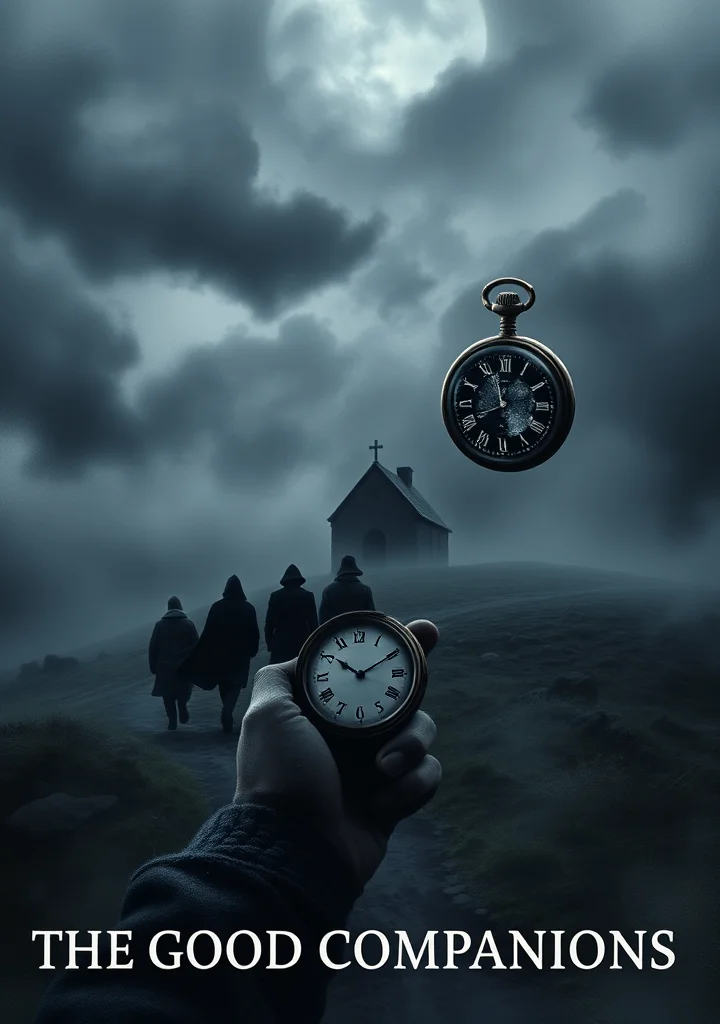
A creeping dread clings to the Scottish Highlands, mirroring the chill that settles over Alistair Grant as he returns to his ancestral estate. Not a homecoming, but a summons – a veiled plea from a crumbling manor steeped in generations of shadowed secrets. The air itself tastes of decay and whispered accusations, the stone walls breathing with the ghosts of those who vanished within its labyrinthine halls. Each sunrise feels less a dawn of hope and more a slow exposure of rot, revealing fissures not just in the stone, but within the very fabric of Grant’s family. The moorland stretches like a bruised landscape, mirroring the bruising of Alistair’s spirit as he unravels a legacy of ambition, betrayal, and the cold calculus of inheritance. The estate isn’t merely a place; it's a predator, drawing in those desperate to claim its fractured power. The narrative unfolds as a slow bleed of suspicion, each character a silhouette against a dying fire, their motives obscured by the encroaching fog. The narrative isn’t about what’s *seen*, but what lingers in the periphery - the scent of damp earth, the rustle of unseen wings, the weight of eyes watching from darkened windows. A sense of being watched permeates every page, a growing unease that settles like frost on the heather. It is a story of men consumed by their own histories, bound to a land that demands a reckoning for sins long buried. The Courts of the Morning aren’t merely a place of judgment, but a stage for a final, desperate act of penance – or revenge.