
-
Read 629
-
0
-
Part 49
Completed, First published Mar 02, 2026
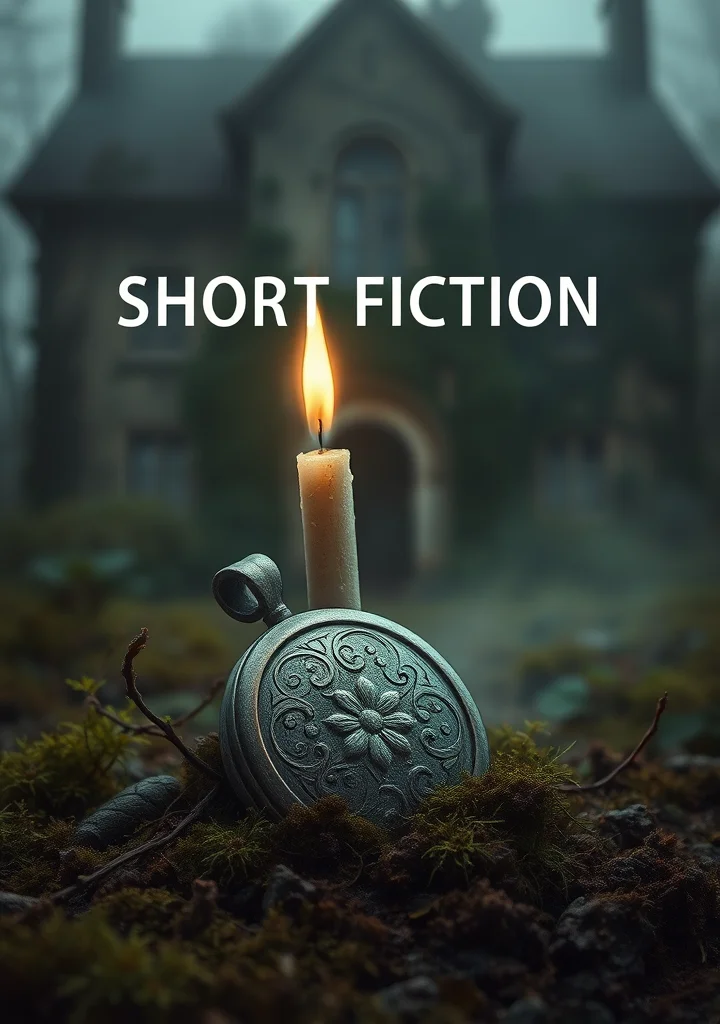
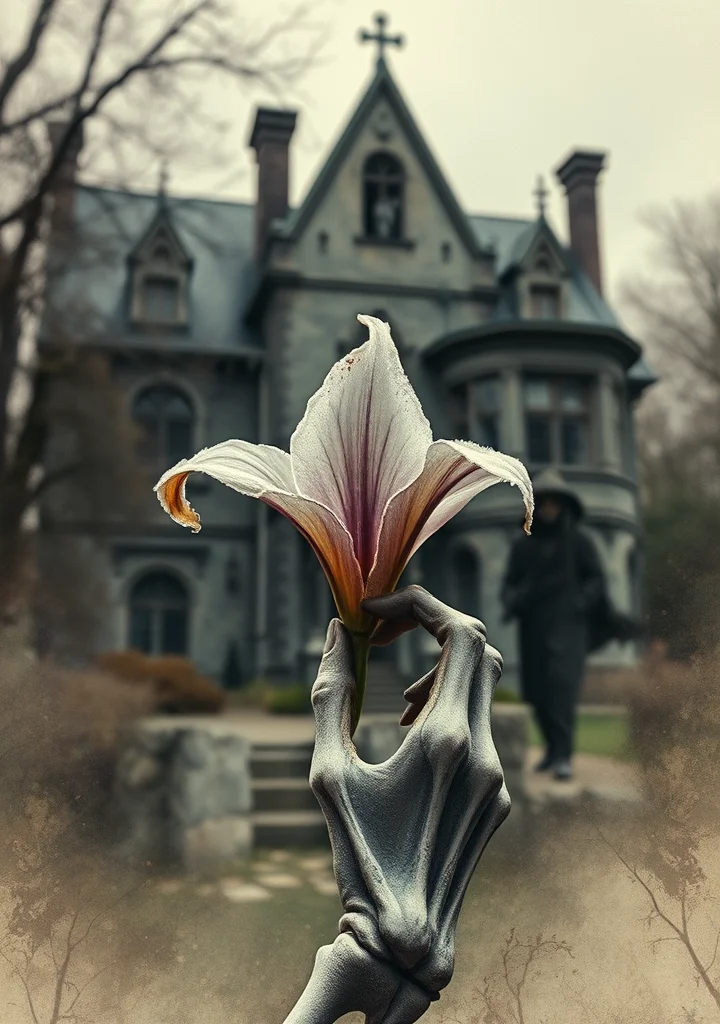
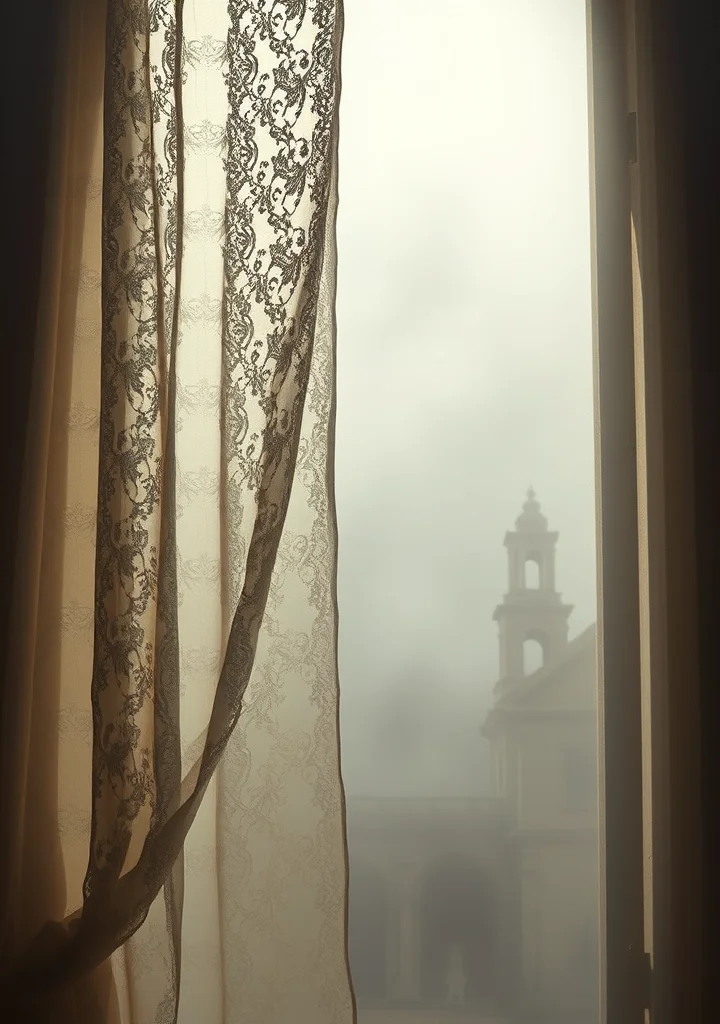
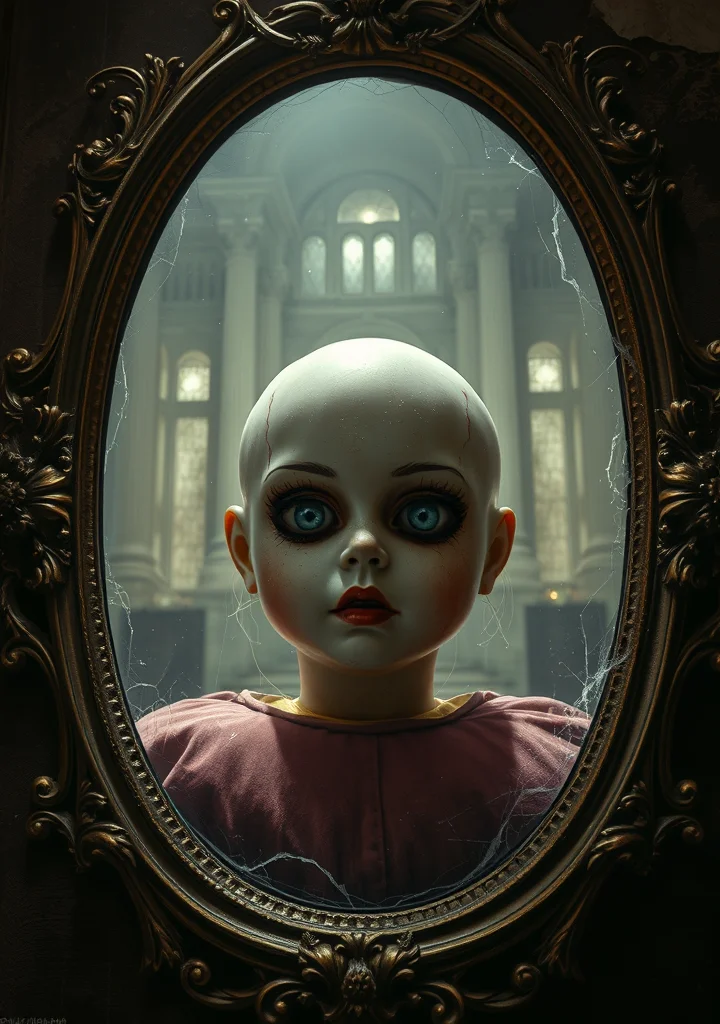
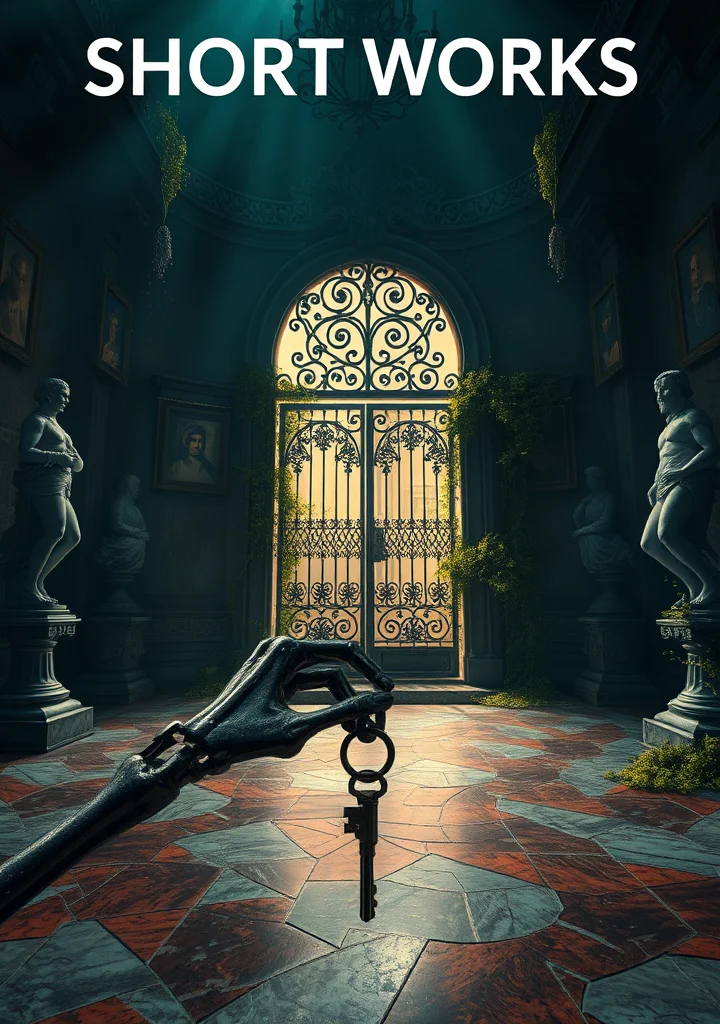
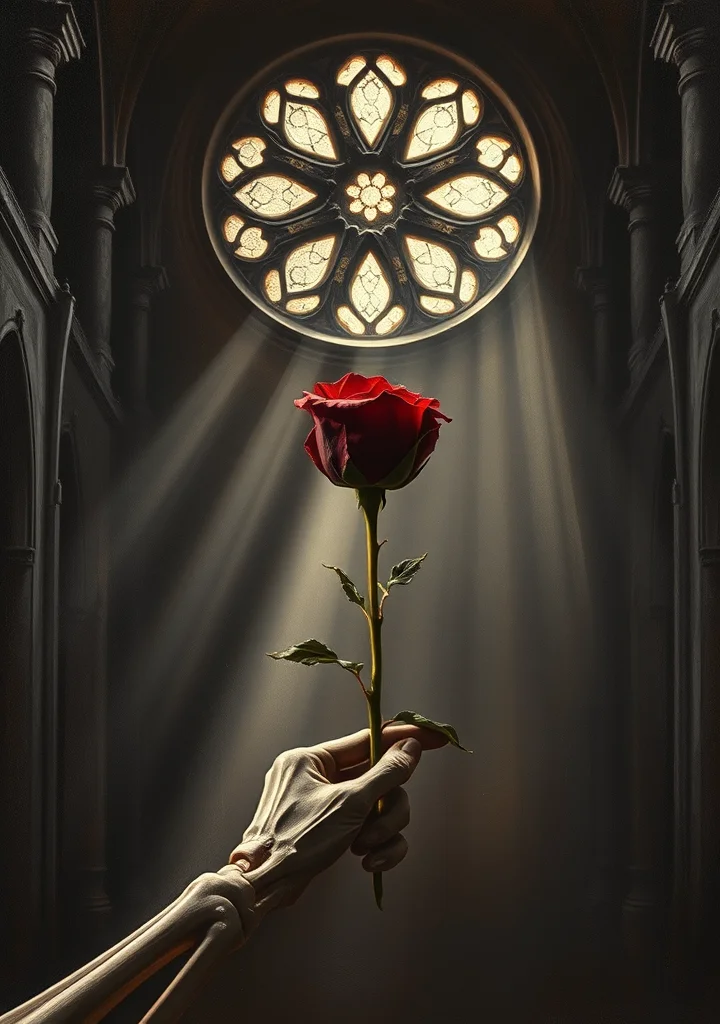
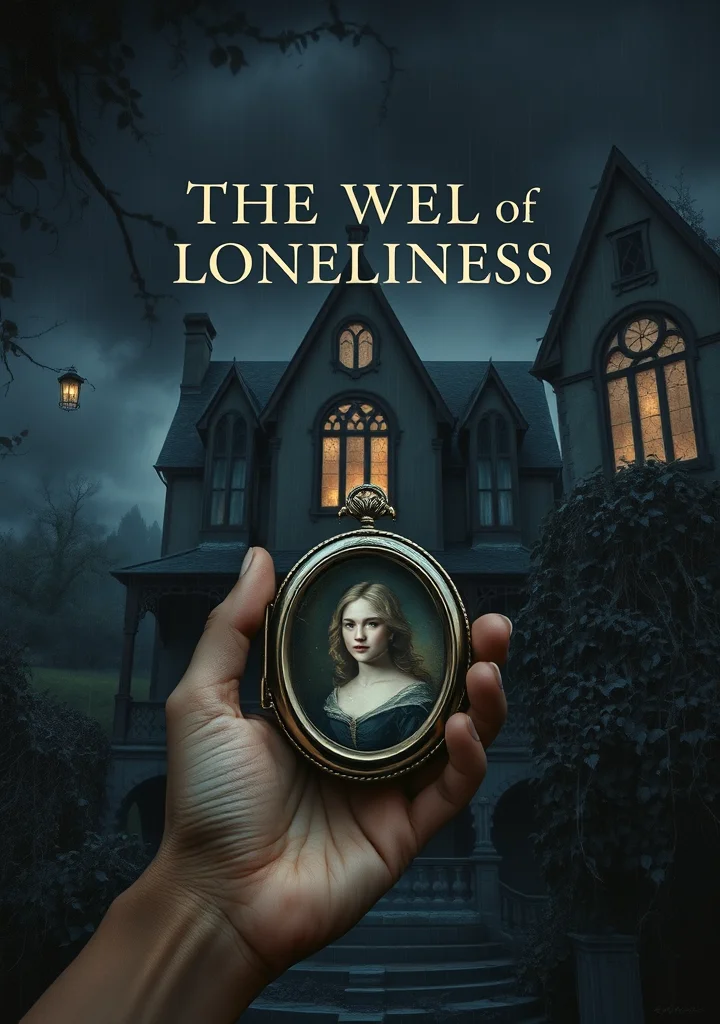
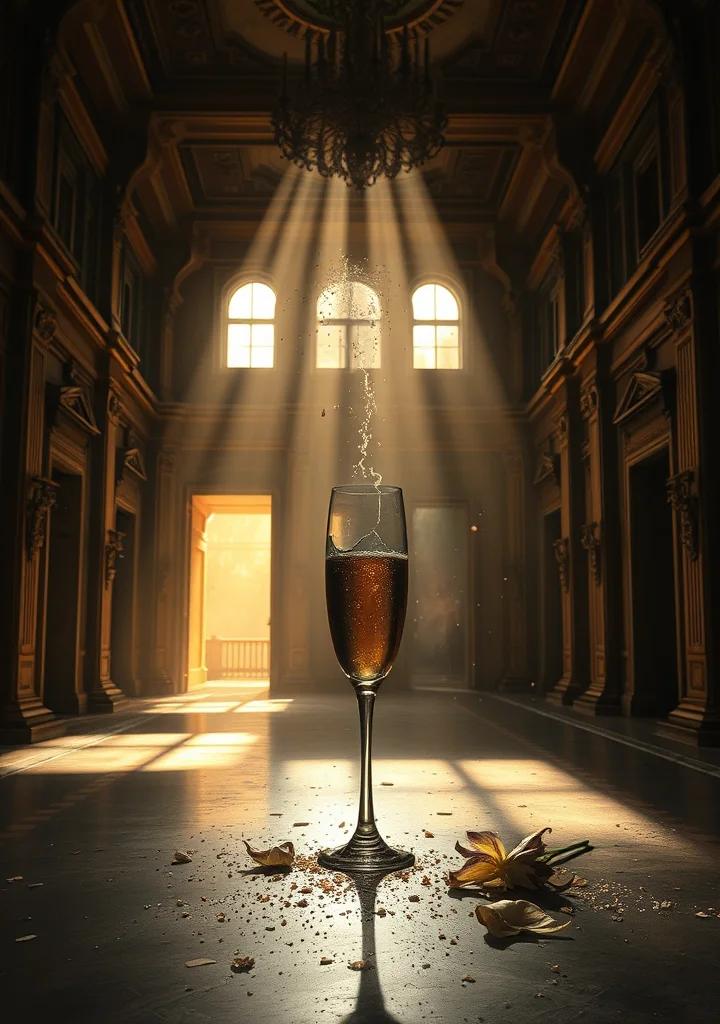
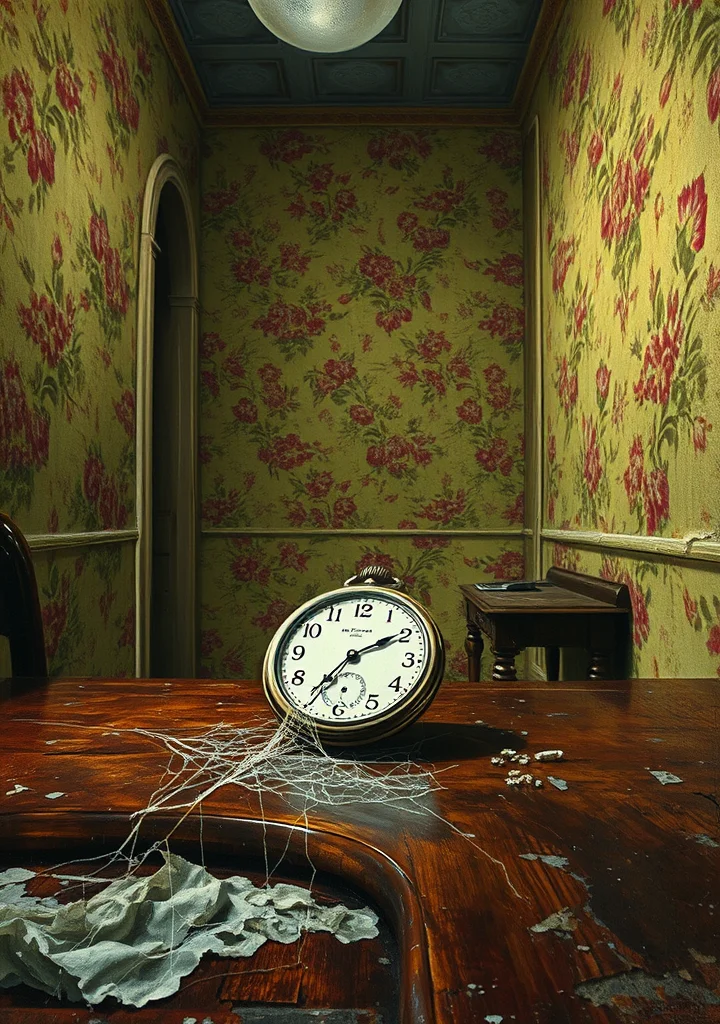
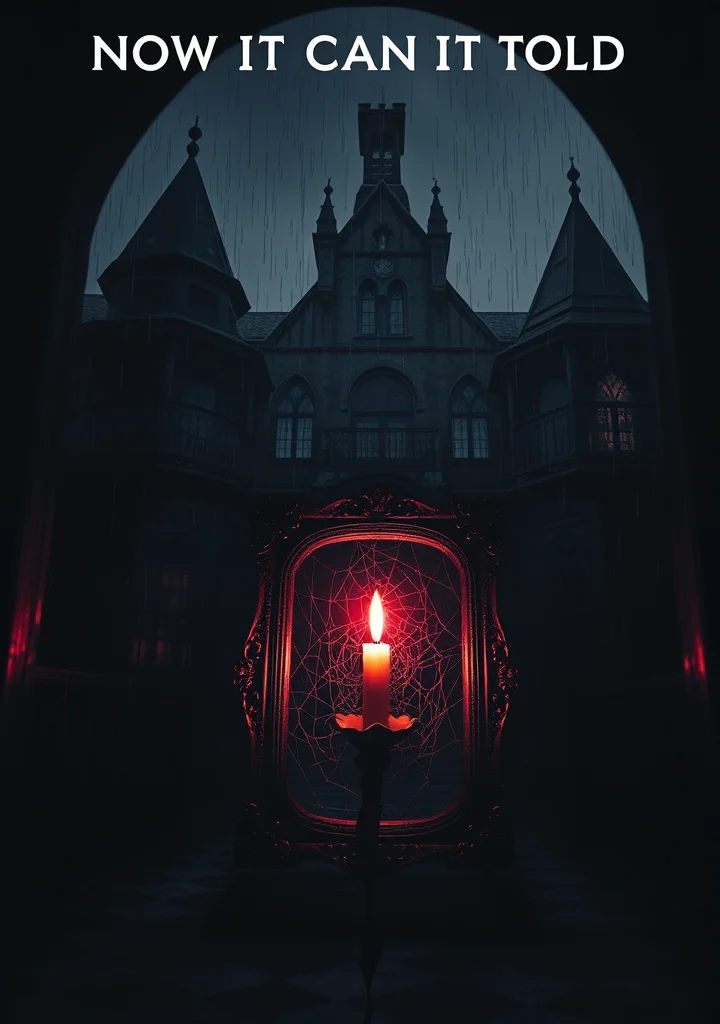
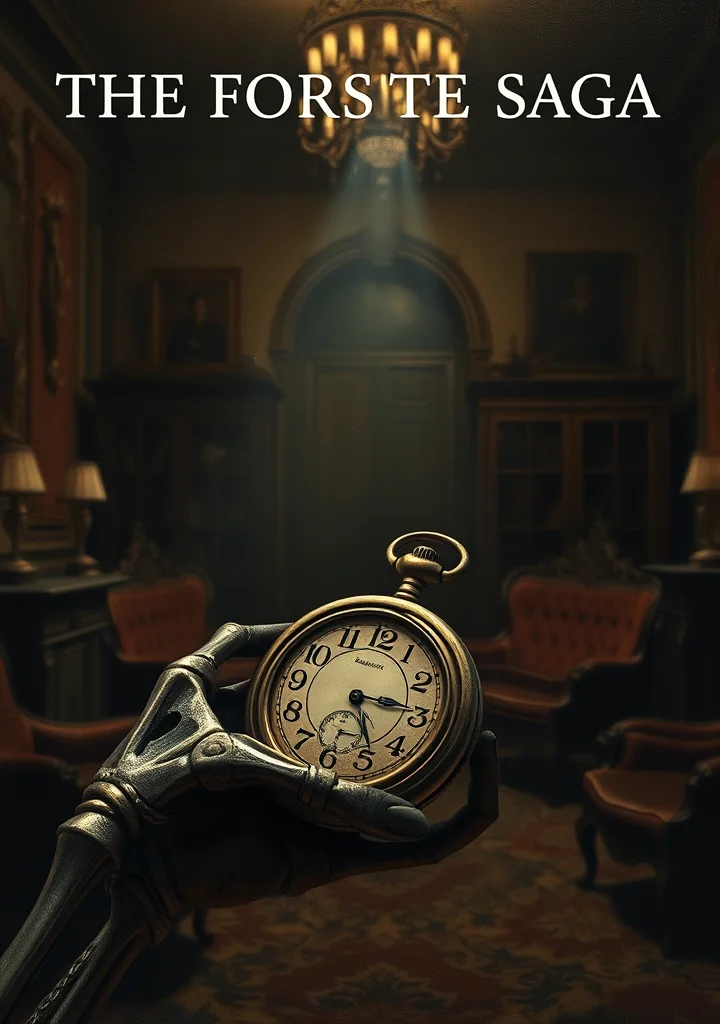
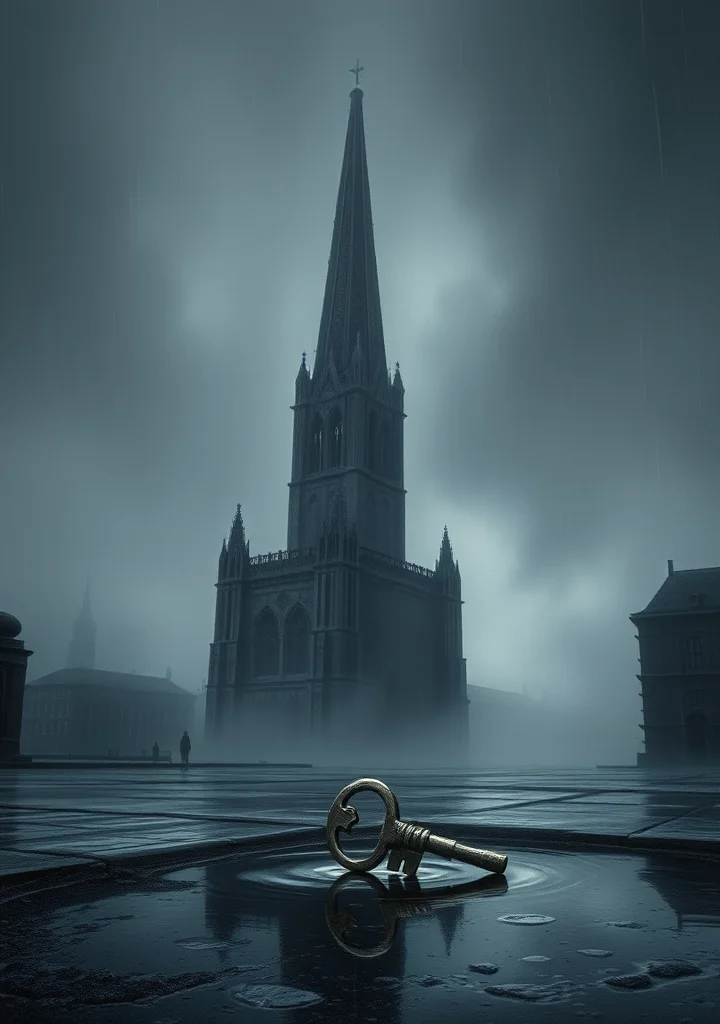
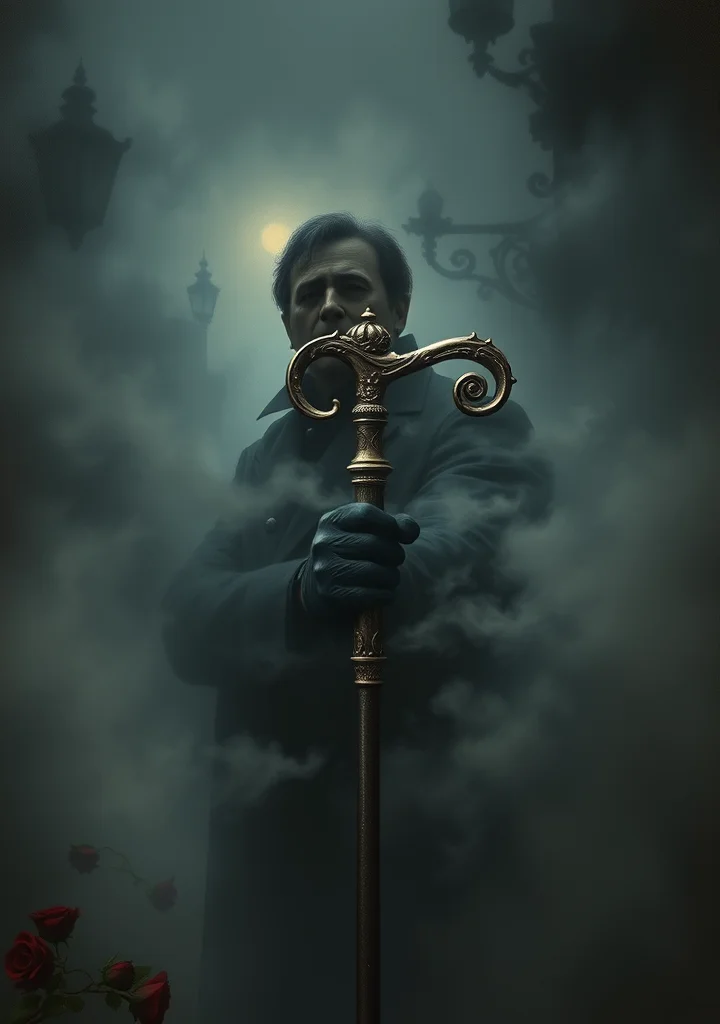
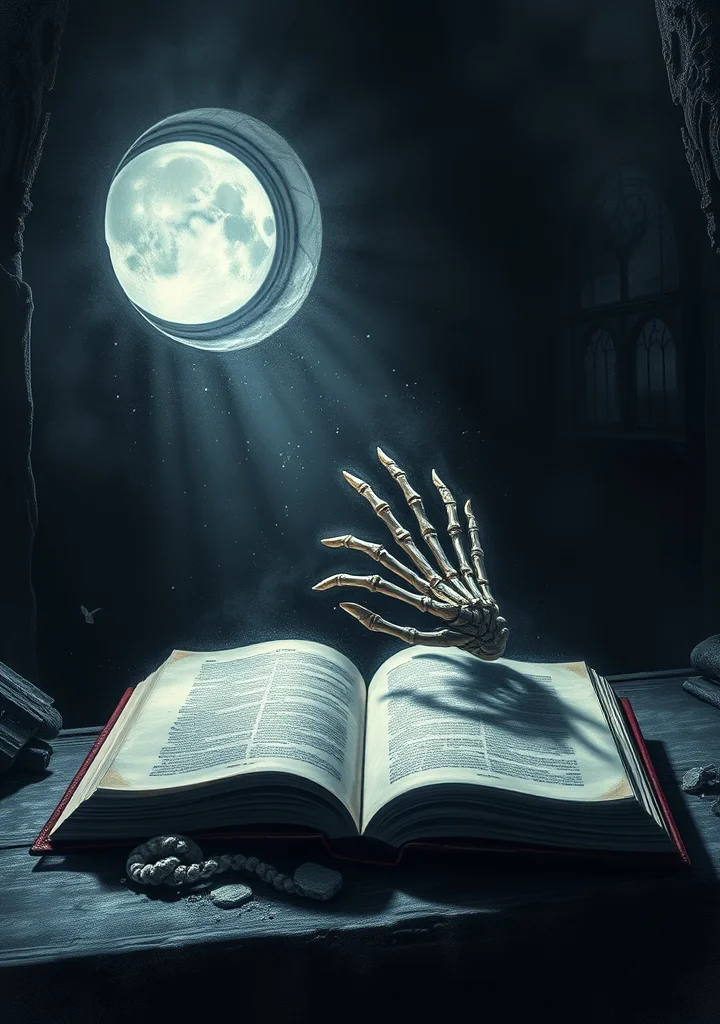
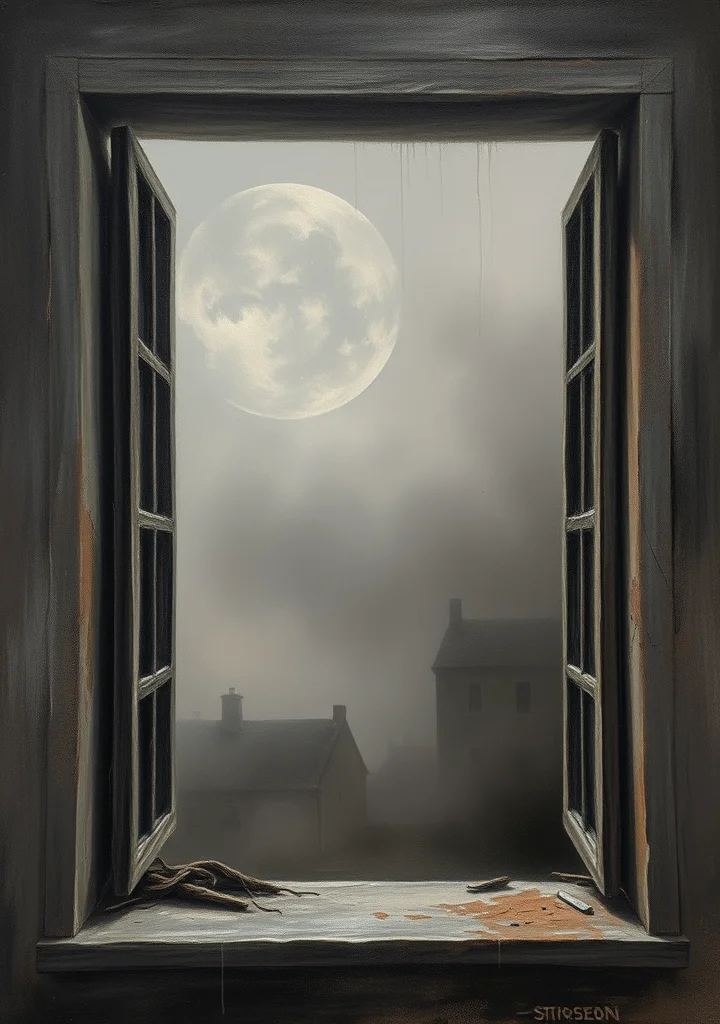
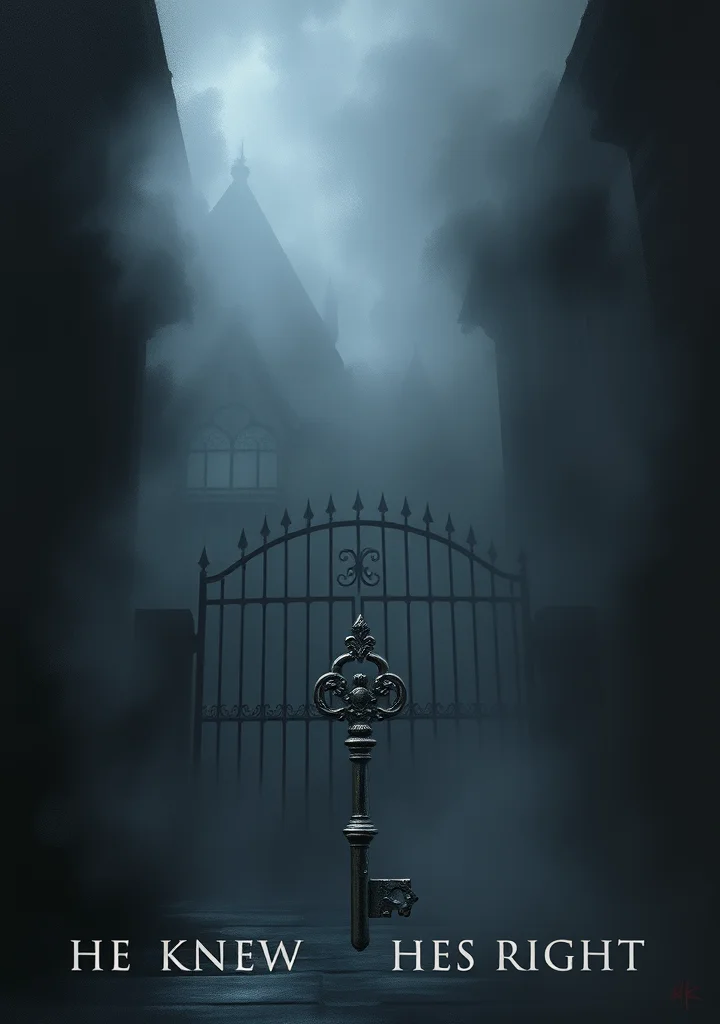
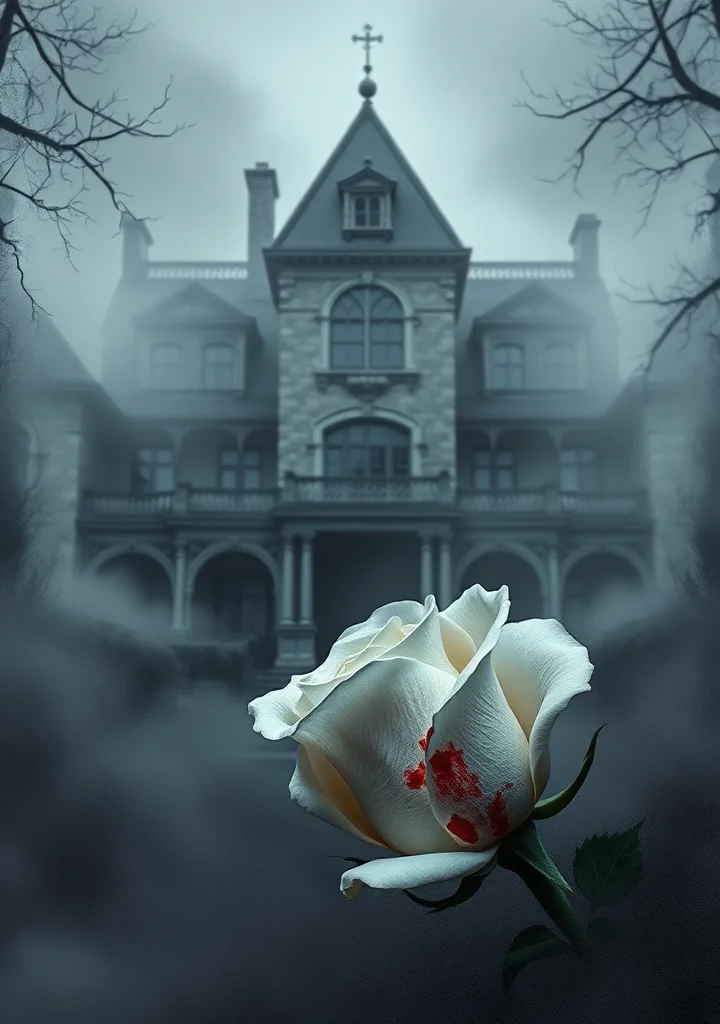
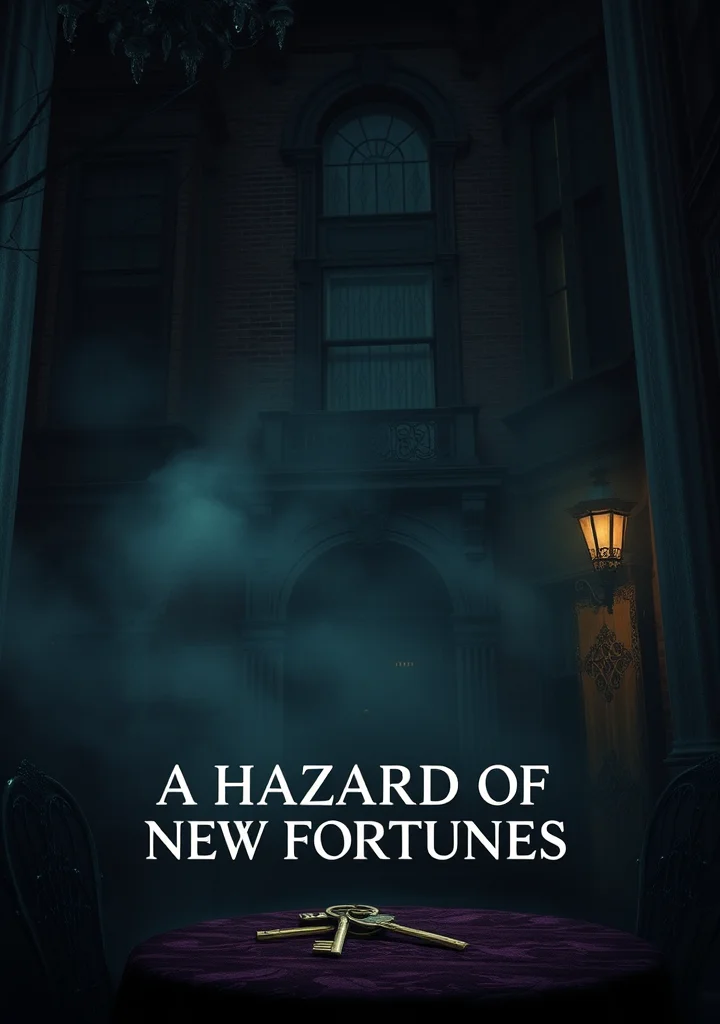
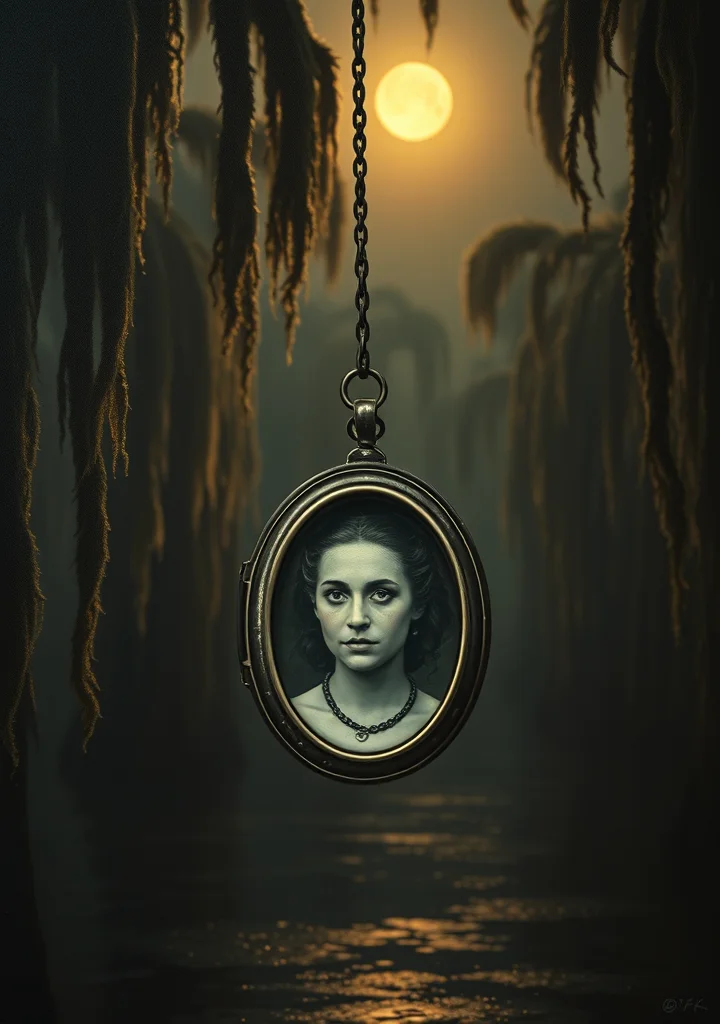
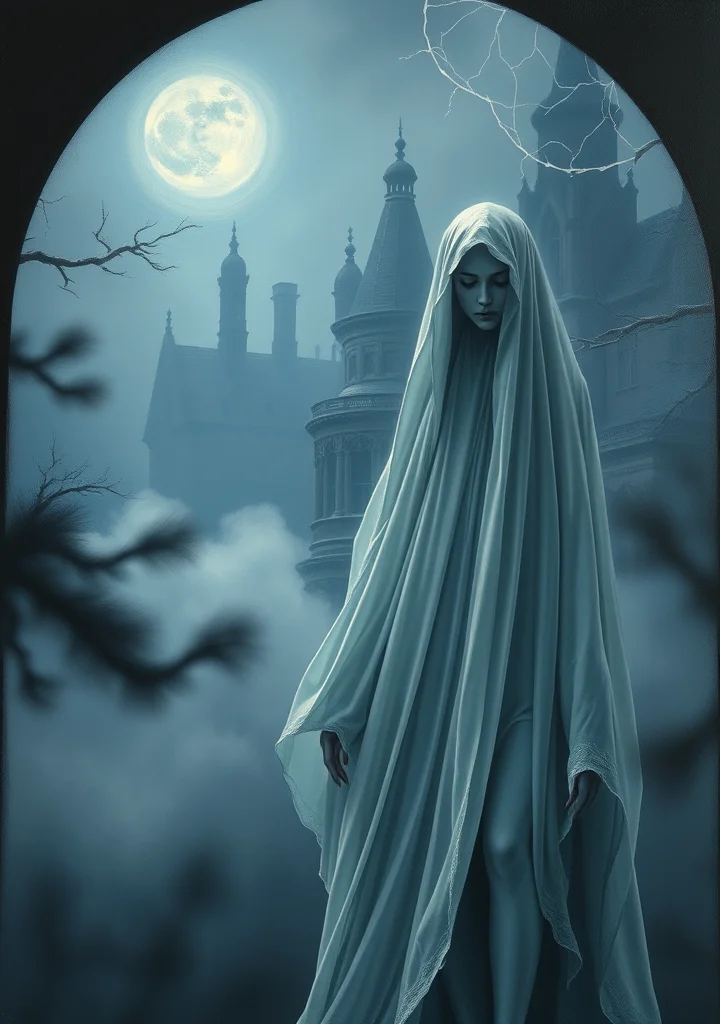
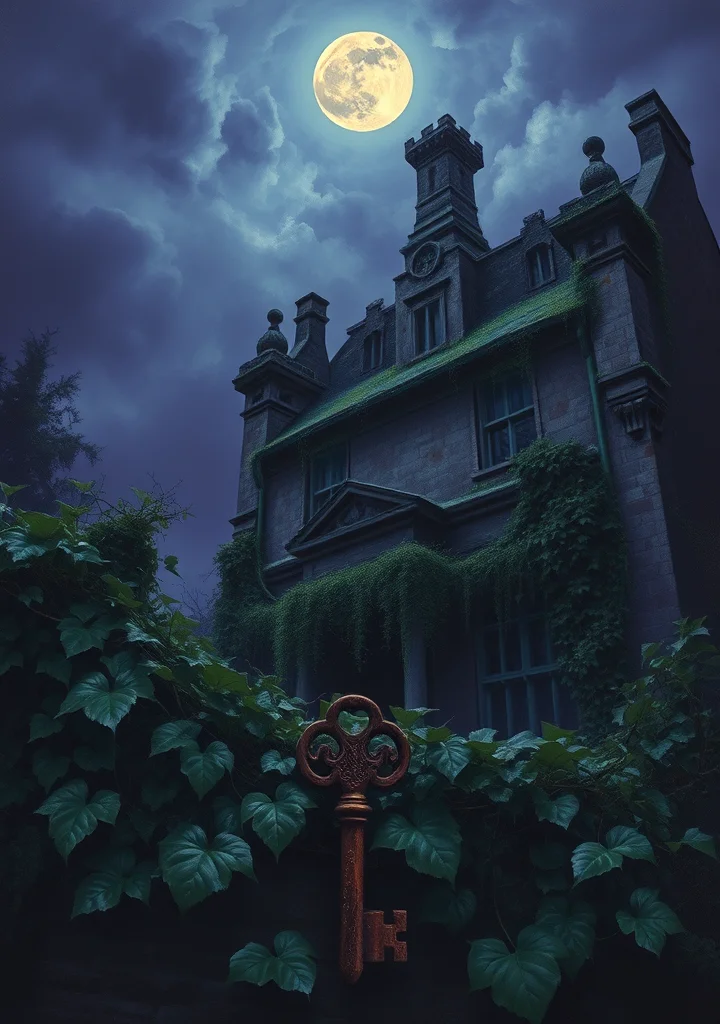
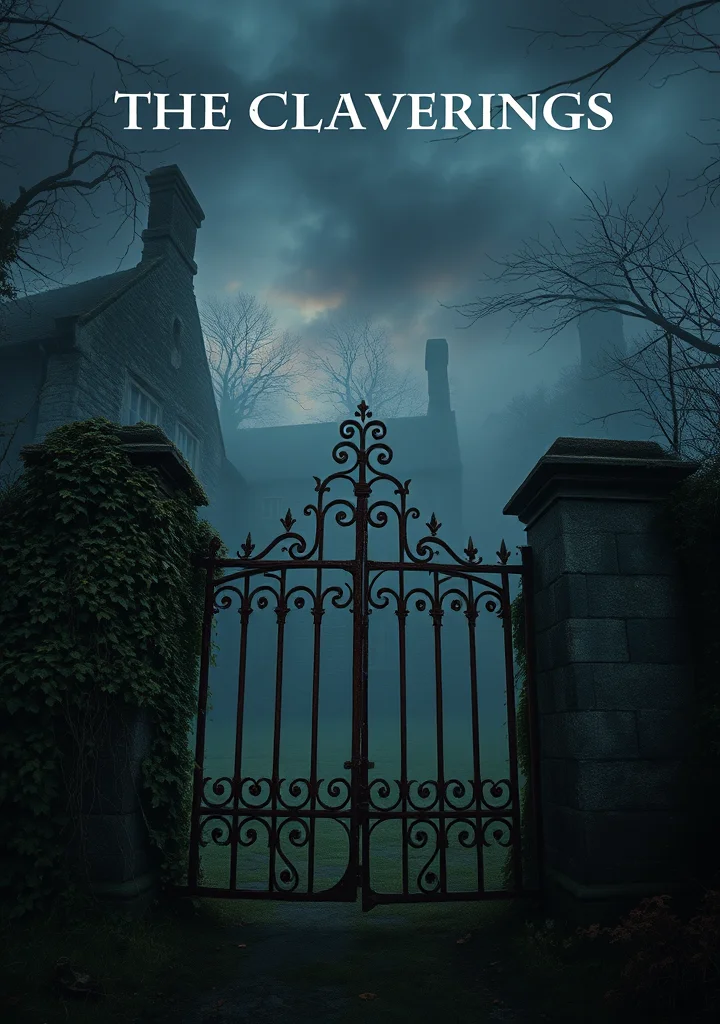
A creeping damp clings to the stone of Claverings, a manor steeped not in grandeur, but in a slow, insidious decay. The narrative unfolds like a fog rolling in from the fenlands, obscuring motives and intentions until they become indistinguishable from the rot that permeates the estate. Here, inheritance isn’t a boon, but a tightening noose around the necks of those who claim it. The air is thick with unspoken resentments, the weight of generations bearing down on the present. Shadows stretch long from the crumbling brickwork, mirroring the fractured lives within. A pervasive melancholy seeps into every room, clinging to the velvet curtains and dust-motes dancing in the fading light. It's a world where the quiet rustle of skirts and the clink of silverware mask a simmering desperation, where the smallest acts of kindness feel like concessions to a darkness that threatens to consume all. The Claverings themselves are ghosts haunting their own inheritance, bound to a fate as bleak and unyielding as the stone that shelters them. Expect a slow unraveling, not of plot, but of the spirit, as the very foundations of their world crumble under the weight of ambition and regret. A stillness hangs over everything, broken only by the whispers of those who’ve come before, forever trapped within the manor’s suffocating embrace.
Copyright: Public Domain
This license allows anyone to use your story for any purpose, including printing, selling, or adapting it into a film freely.
This license allows anyone to use your story for any purpose, including printing, selling, or adapting it into a film freely.
Chapter List
-
« The Claverings »📖 Continue Reading
-
« I »
-
« II »
-
« III »
-
« IV »
-
« V »
-
« VI »
-
« VII »
-
« VIII »
-
« IX »
-
« X »
-
« XI »
-
« XII »
-
« XIII »
-
« XIV »
-
« XV »
-
« XVI »
-
« XVII »
-
« XVIII »
-
« XIX »
-
« XX »
-
« XXI »
-
« XXII »
-
« XXIII »
-
« XXIV »
-
« XXV »
-
« XXVI »
-
« XXVII »
-
« XXVIII »
-
« XXIX »
-
« XXX »
-
« XXXI »
-
« XXXII »
-
« XXXIII »
-
« XXXIV »
-
« XXXV »
-
« XXXVI »
-
« XXXVII »
-
« XXXVIII »
-
« XXXIX »
-
« XL »
-
« XLI »
-
« XLII »
-
« XLIII »
-
« XLIV »
-
« XLV »
-
« XLVI »
-
« XLVII »
-
« XLVIII »
49
-
« The Claverings »
-
« I »
-
« II »
-
« III »
-
« IV »
-
« V »
-
« VI »
-
« VII »
-
« VIII »
-
« IX »
-
« X »
-
« XI »
-
« XII »
-
« XIII »
-
« XIV »
-
« XV »
-
« XVI »
-
« XVII »
-
« XVIII »
-
« XIX »
-
« XX »
-
« XXI »
-
« XXII »
-
« XXIII »
-
« XXIV »
-
« XXV »
-
« XXVI »
-
« XXVII »
-
« XXVIII »
-
« XXIX »
-
« XXX »
-
« XXXI »
-
« XXXII »
-
« XXXIII »
-
« XXXIV »
-
« XXXV »
-
« XXXVI »
-
« XXXVII »
-
« XXXVIII »
-
« XXXIX »
-
« XL »
-
« XLI »
-
« XLII »
-
« XLIII »
-
« XLIV »
-
« XLV »
-
« XLVI »
-
« XLVII »
-
« XLVIII »
More like this