
-
Read 194
-
0
-
Part 12
Completed, First published Mar 02, 2026
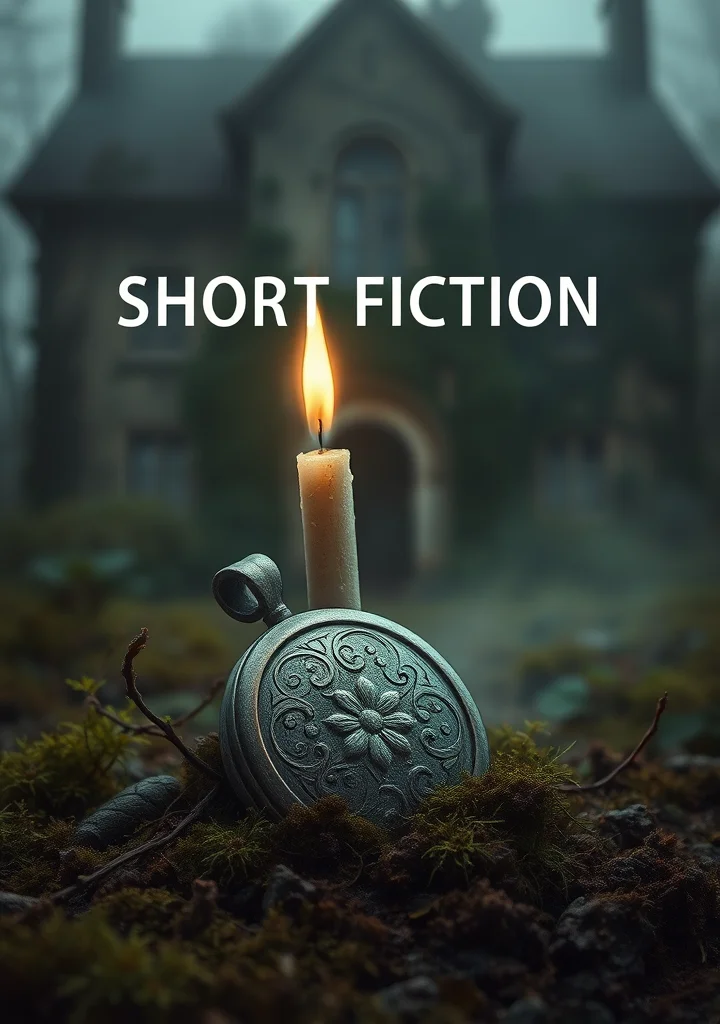
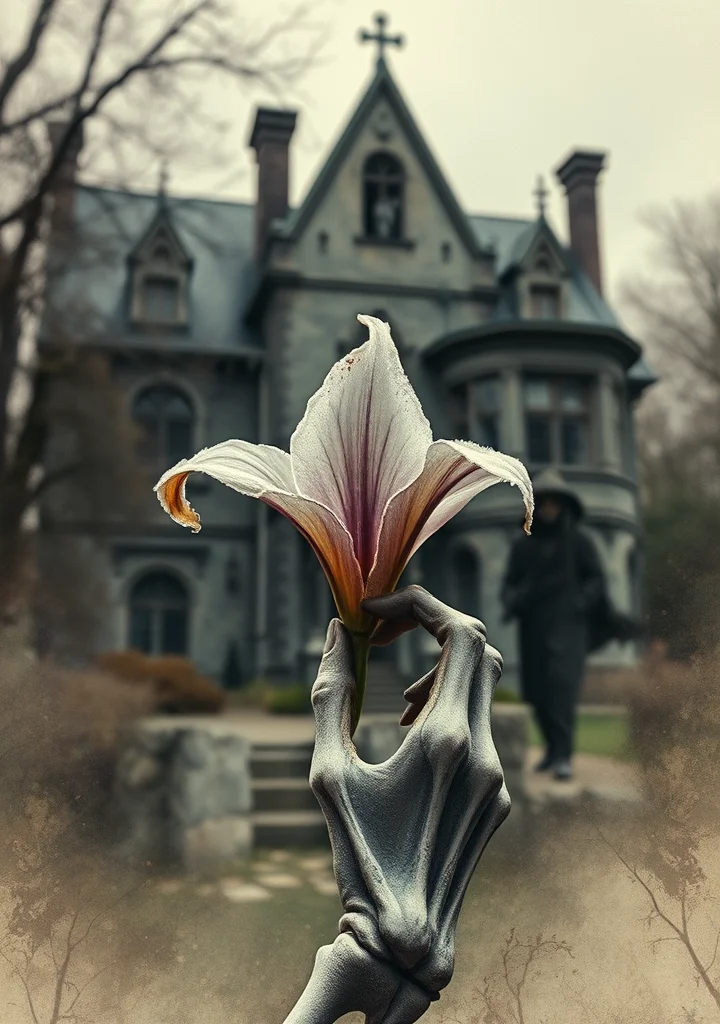
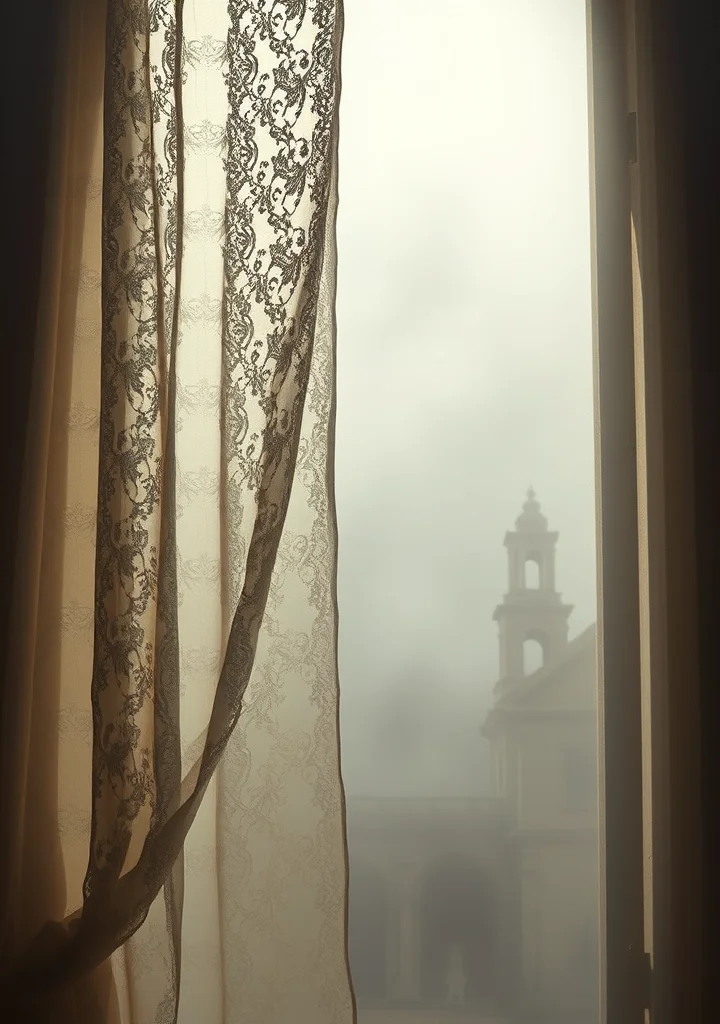
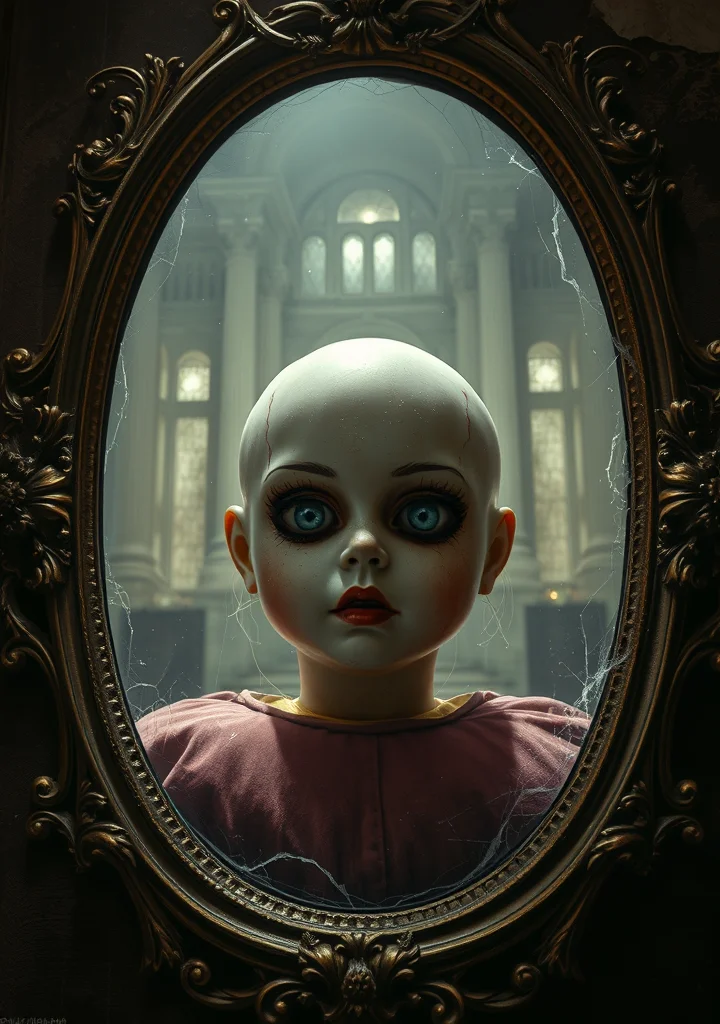
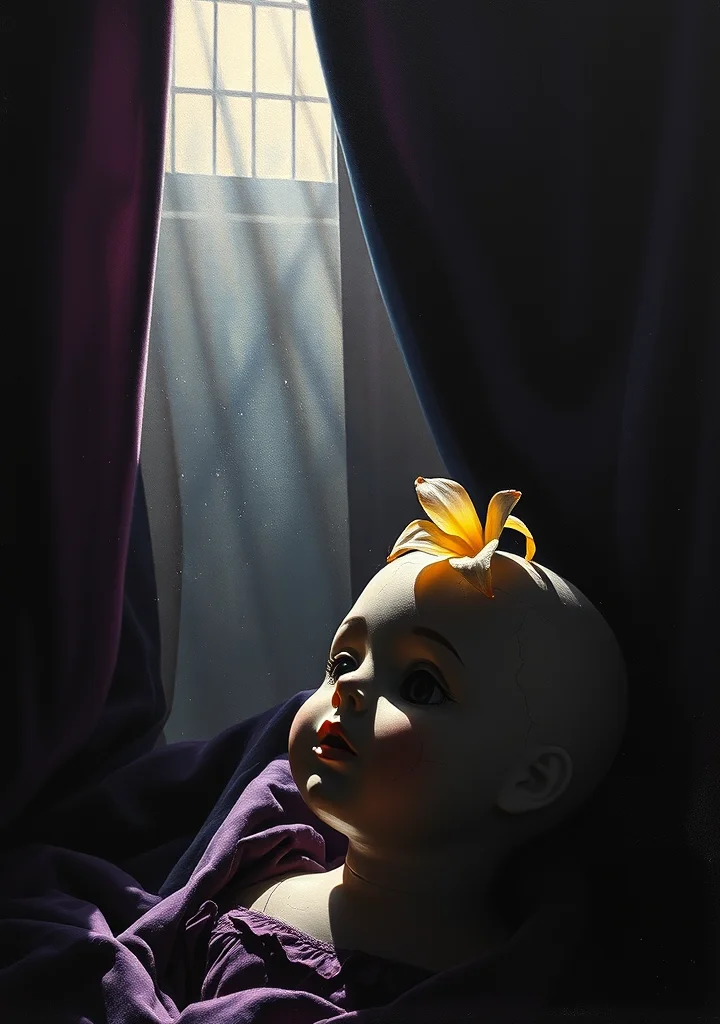
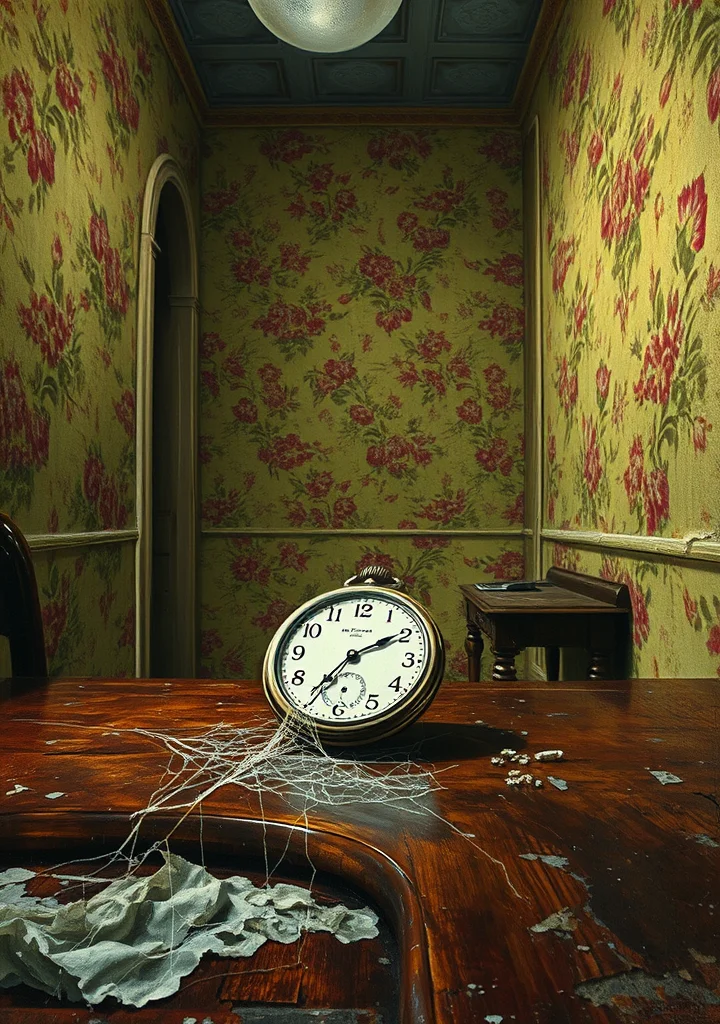
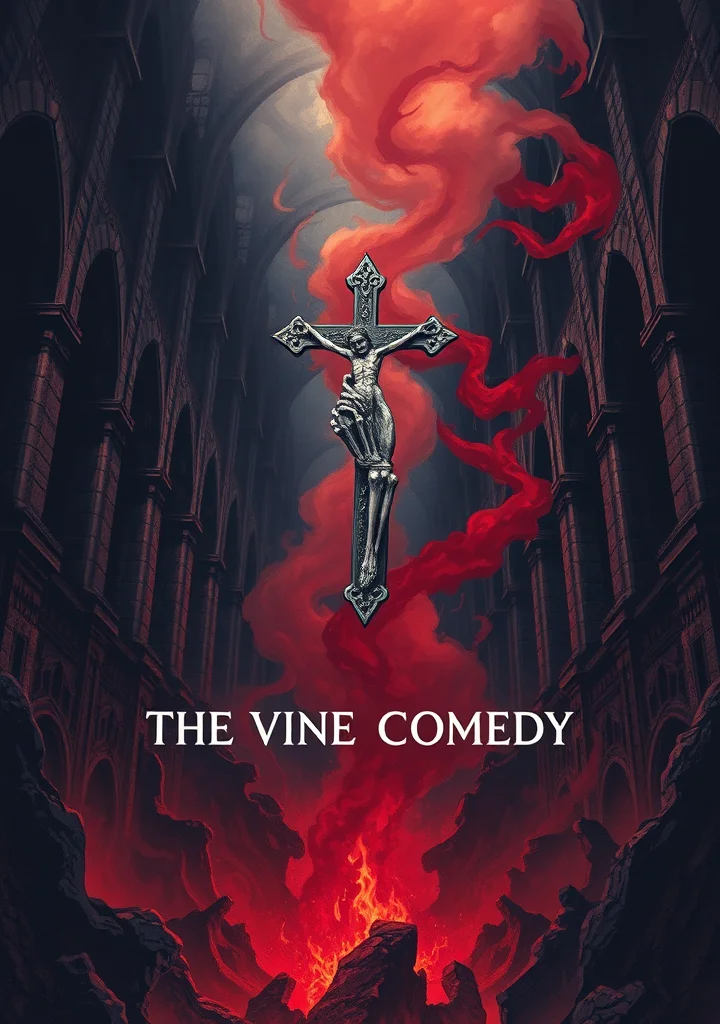
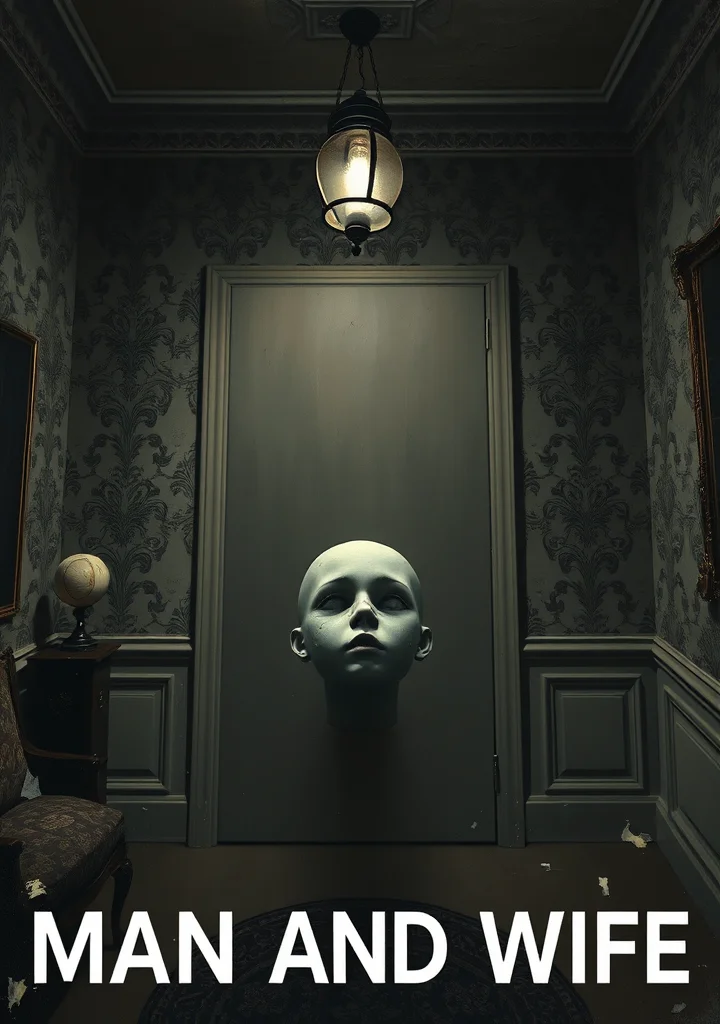
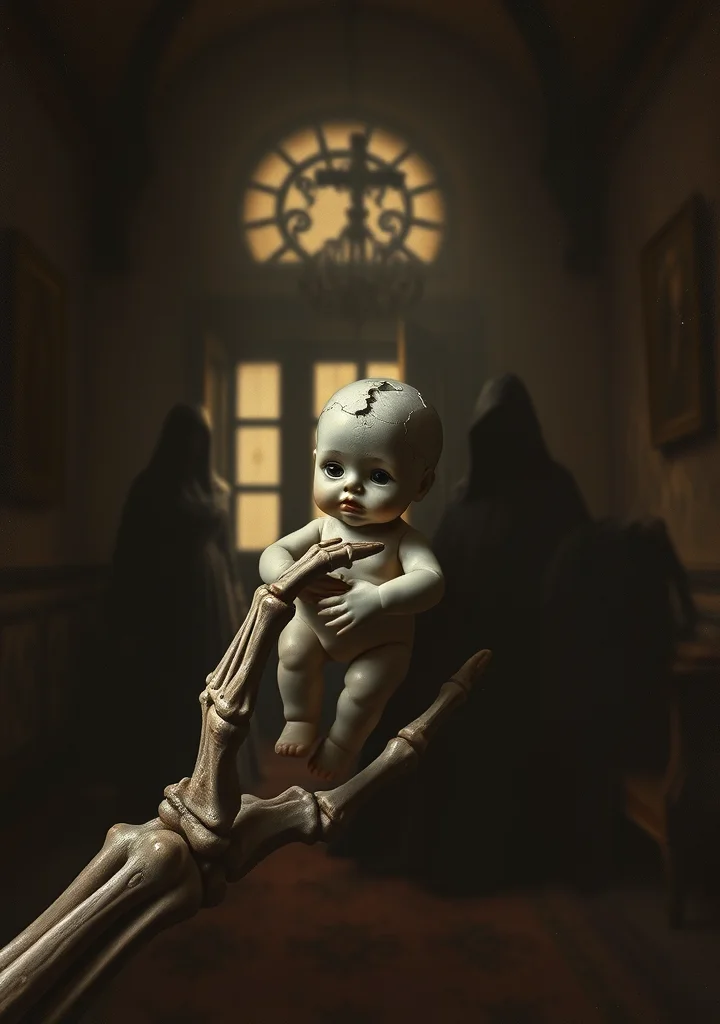
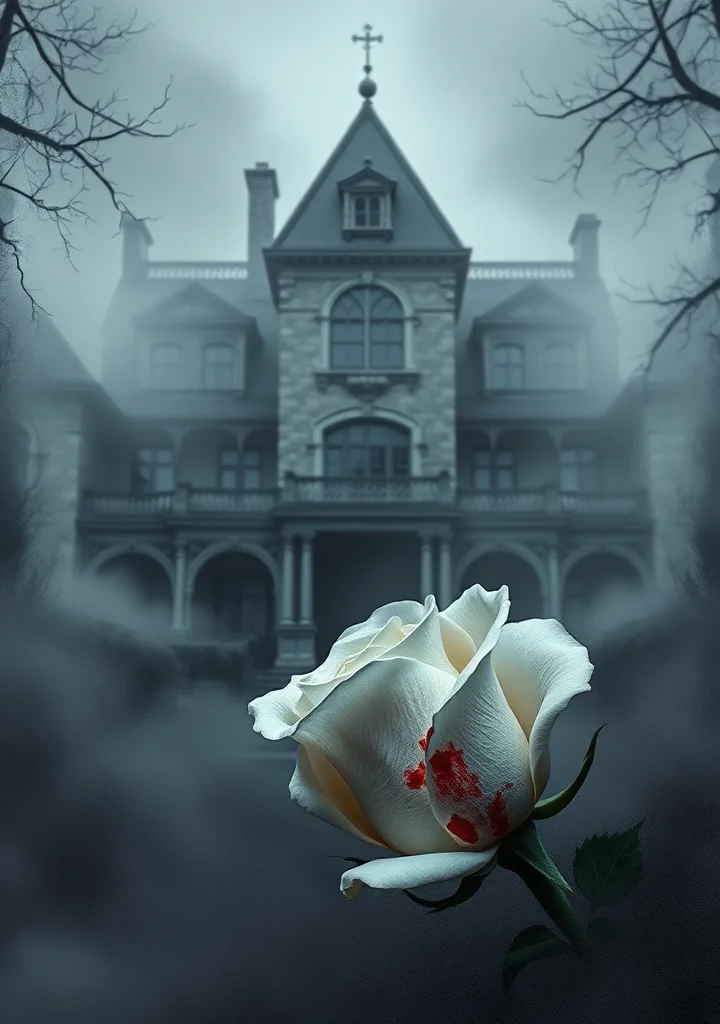
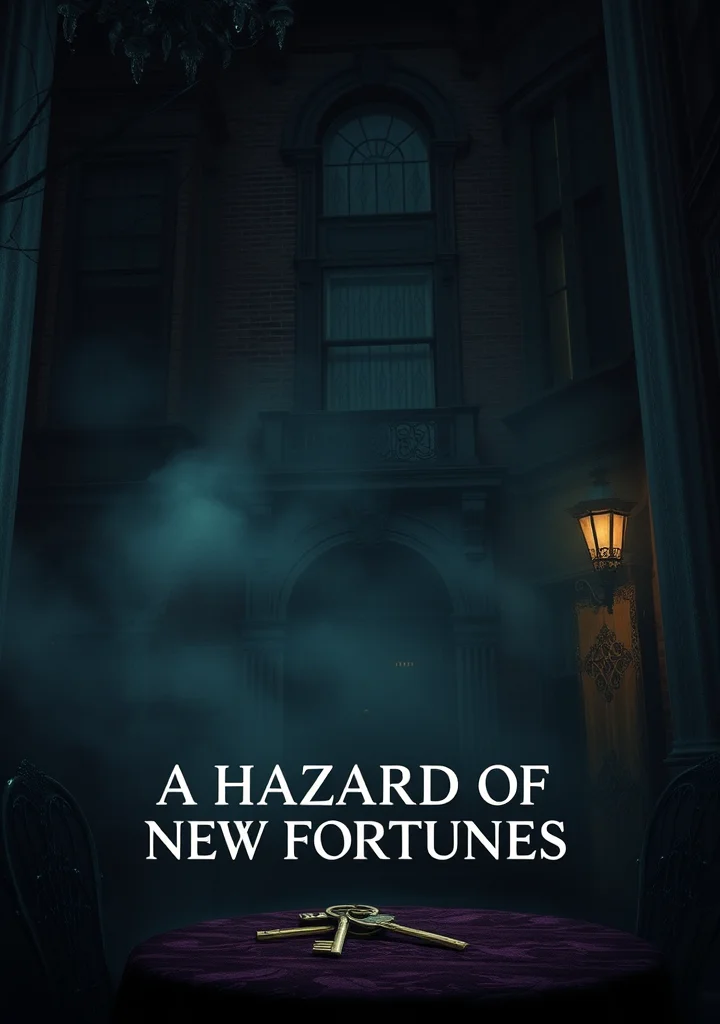
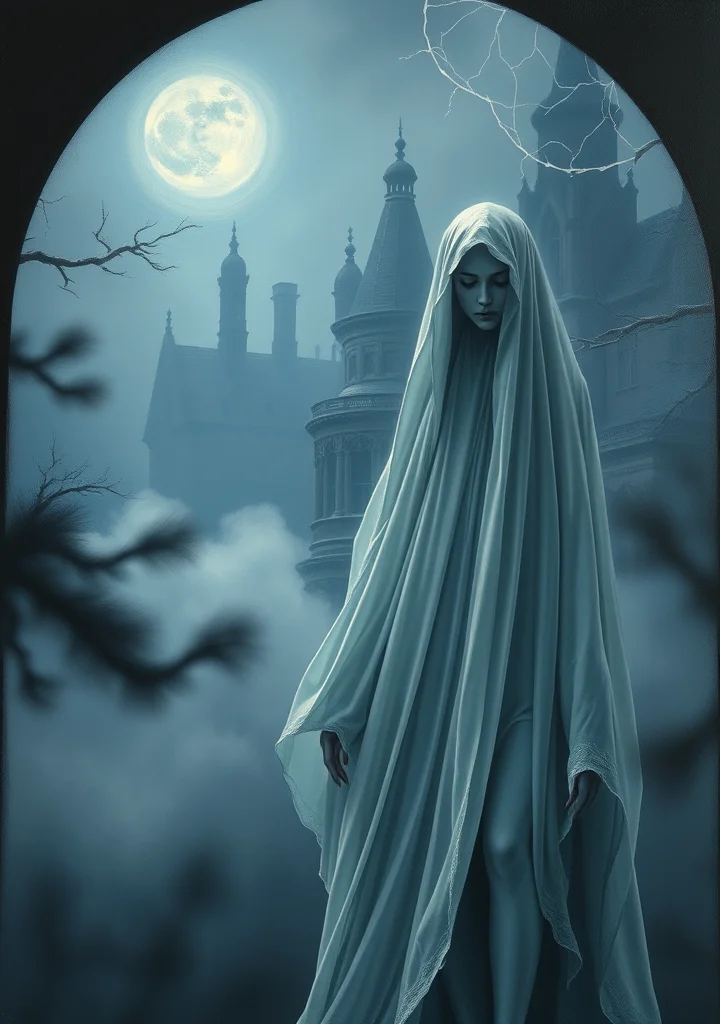
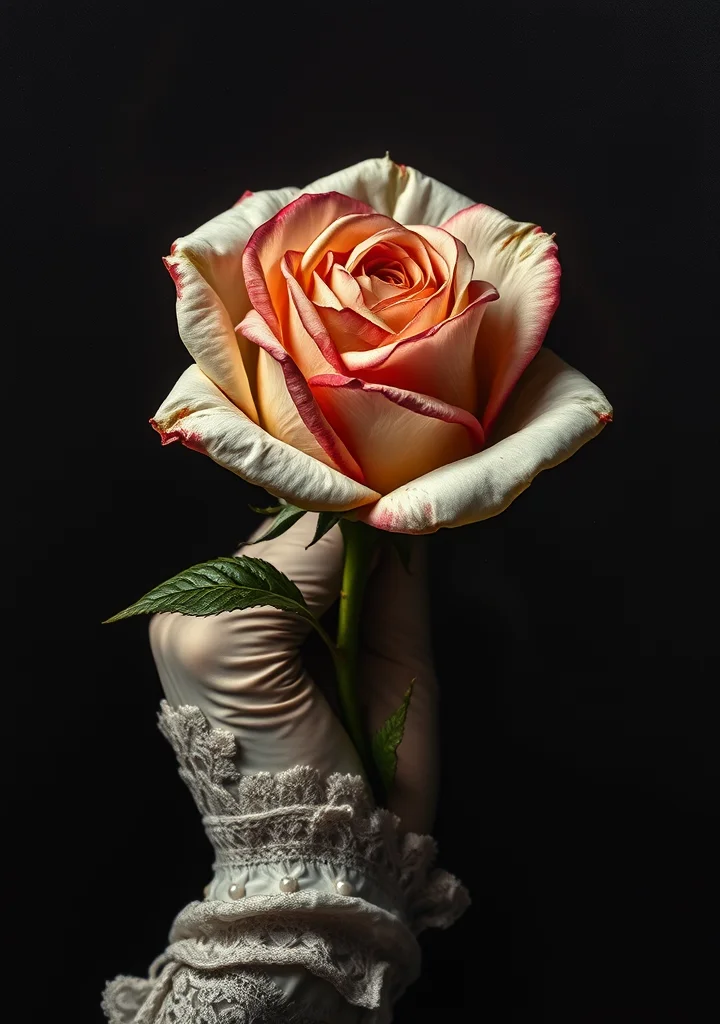
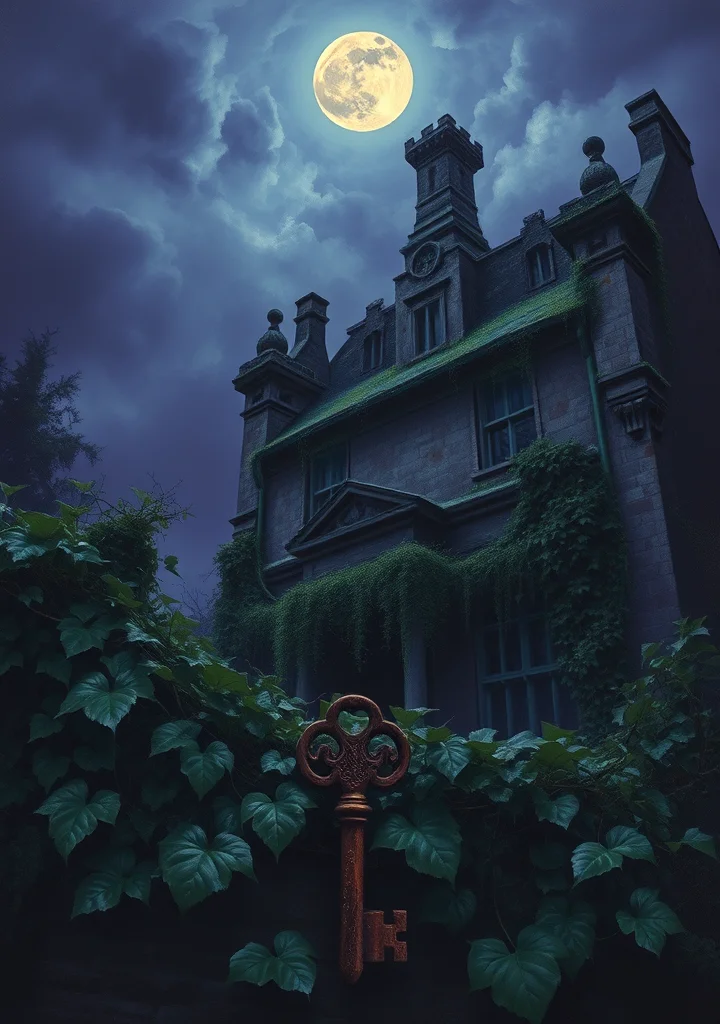
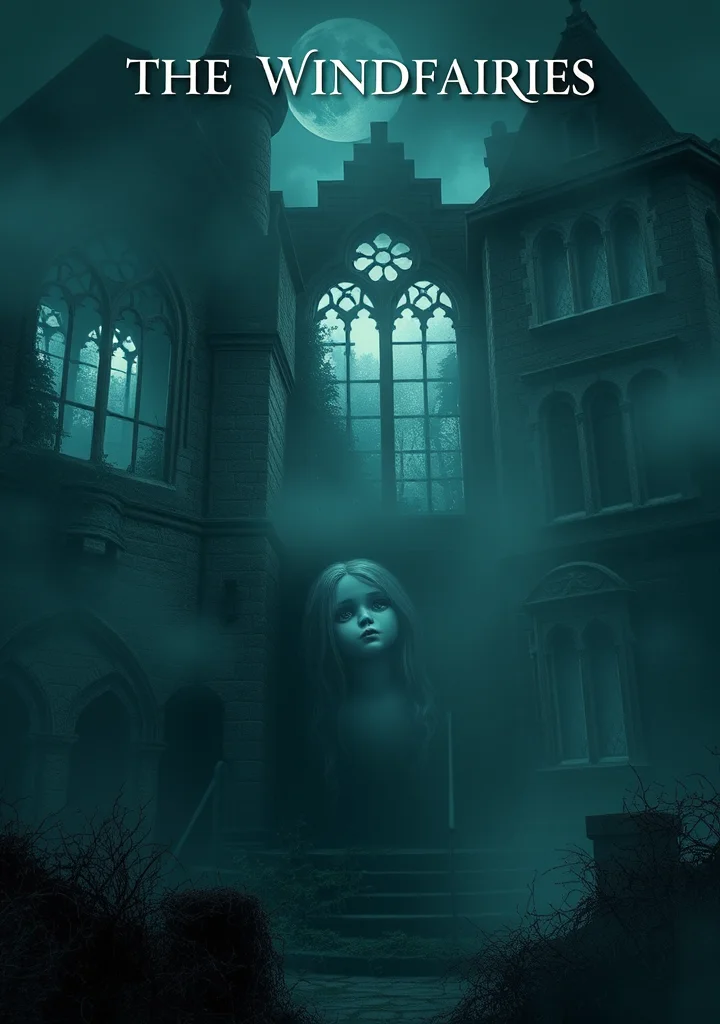
A creeping mist clings to the moorland edges, mirroring the decay within the ancient manor house of the Windfairies. This is a story breathed from the hollows of childhood dreams, yet laced with the chill of adult despair. The narrative unravels as a fragile, porcelain doll of a tale—a young woman, Elfrida, tethered to a decaying lineage and haunted by whispers of ancestral bargains struck with the unseen. The manor itself breathes with a mournful sentience, its stone walls echoing with the laughter of children long vanished, and the rustling of wings—not of birds, but of beings born of twilight and regret.
Each chapter descends further into a shadowed realm where the boundary between memory and madness blurs. The wind itself is a character here, carrying fragmented voices, and stirring the dust of forgotten rituals. A suffocating sense of predetermination pervades, as if Elfrida is not living *into* a destiny, but being *unwound* by one. Sunlight feels like a trespass here, and the shadows hold a tangible weight. The scent of damp earth, withered roses, and something ancient, something *unfolding* within the manor’s heart, clings to every page. It’s a story not of monsters leaping from darkness, but of a slow, beautiful erosion of sanity, a haunting melody played on the strings of grief and the hollow bones of forgotten gods.
Copyright: Public Domain
This license allows anyone to use your story for any purpose, including printing, selling, or adapting it into a film freely.
This license allows anyone to use your story for any purpose, including printing, selling, or adapting it into a film freely.
More like this