
American Indian Stories
  • 184
  • 0
  • 38
  • Reads 184
  • 0
  • Part 38
Completed, First published Mar 02, 2026

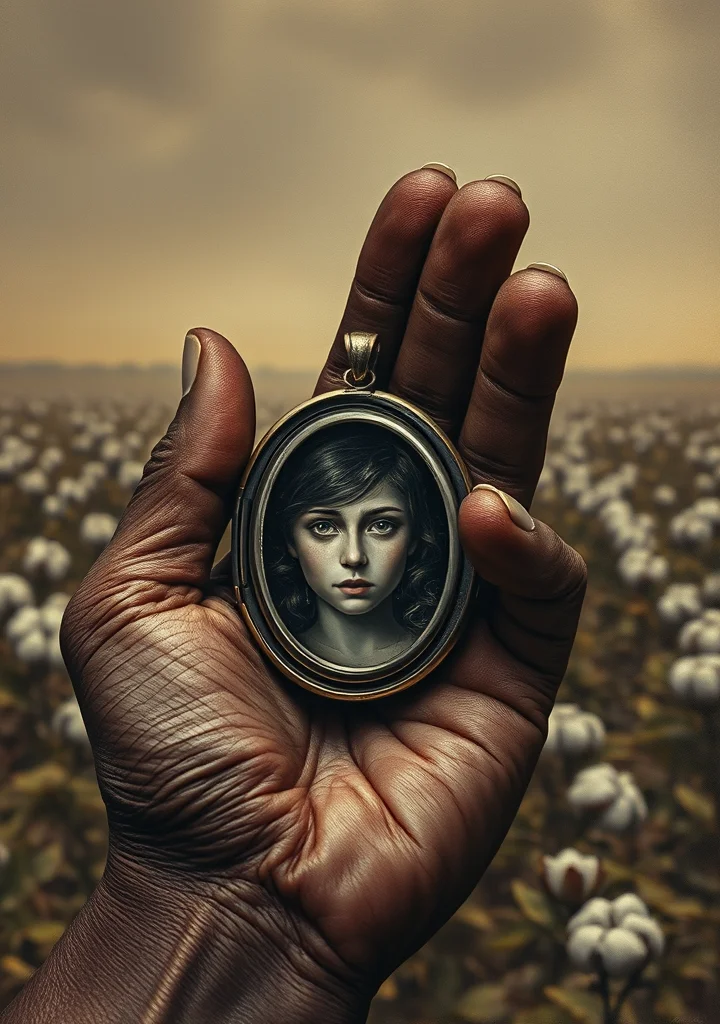
Dust motes dance in the fading light of prairie sunsets, mirroring the fractured spirits within these tales. A wind whispers through the tall grasses, carrying fragments of a lost world – the ceremonial lodge, the echoing hunt, the woman’s heart torn between two paths. Here, the weight of tradition presses like a suffocating shawl, while the iron grip of assimilation chills the blood. Shadows stretch long from the boarding school’s stark walls, swallowing children whole, stripping them of name and heritage. Each story breathes with the scent of sage and decay, of stolen laughter and unwept tears. A creeping dread clings to the land itself, a grief born of broken treaties and fractured identities. The air tastes of woodsmoke and despair, laced with the phantom touch of ancestral hands reaching out from the encroaching darkness. It is a haunting landscape where the boundaries between the living and the dead blur, where the heartbeat of a dying culture echoes in the hollow spaces of the American West.
Copyright: Public Domain
This license allows anyone to use your story for any purpose, including printing, selling, or adapting it into a film freely.
Recommended for you
35 Part
Dust motes dance in the perpetual twilight of Procopius’s *The Secret History*, a novel steeped in the scent of decaying parchment and the chill of forgotten crypts. The narrative unfolds not as a chronicle of events, but as a slow erosion of sanity within the crumbling walls of a secluded manor—Blackwood Hall—where shadows cling to every surface and whispers coil like serpents in the corridors. A family, fractured by generations of inherited madness and a pact with something ancient and hungry, unravels under the weight of their ancestral sins. The prose itself is a creeping vine, strangling the reader with baroque sentences and suffocating detail. Each chapter bleeds into the next, mirroring the Hall’s labyrinthine layout and the blurring of reality within its confines. A suffocating dread permeates every page, born not of overt horror, but of the insidious suggestion that the very stones of Blackwood Hall remember every atrocity committed within its walls. The story is told through fragmented diary entries, brittle letters, and the testimony of a fever-haunted caretaker—voices warped by isolation and the encroaching darkness. The air thickens with the scent of brine and rot, with the distant tolling of unseen bells and the faint, rhythmic dripping of water—always water—from somewhere deep within the Hall’s foundations. It is a history not of kings and conquests, but of rot and ruin, a testament to the suffocating power of silence, and the monstrous legacy left to those who inherit the weight of secrets better left undisturbed. The reader is left to wander the echoing chambers alongside the doomed characters, breathing in the same poisoned air, and ultimately, to question if Blackwood Hall has claimed not just its inhabitants, but a piece of their own soul as well.
48 Part
Dust motes dance in the perpetual twilight of a forgotten monastery clinging to the precipice of the Eastern mountains. The air hangs thick with the scent of incense and decay, a miasma of regret clinging to the stone walls. This is a tale not of heroes, but of shadows—the creeping doubt that gnaws at the heart of a hermit saint, Barlaam, and the restless yearning of Ioasaph, a prince turned penitent. The narrative unfolds as a slow unraveling, a descent into the labyrinth of the soul. Each chapter is a stone rolled away from a crypt, revealing not flesh and bone, but the fragile architecture of belief. Sunlight feels like a violation here, exposing the rot beneath the gilded icons. The prose is a whisper of wind through skeletal branches, laced with the chill of unyielding stone. It breathes with the claustrophobia of caves carved into the living rock, where the echoes of Ioasaph’s questions—questions that fracture faith—reverberate for centuries. This is a story steeped in the melancholy of conversion, the weight of renunciation. It's a landscape of barren faith where the only true company is the gnawing emptiness that blooms within the hollowed shell of a life surrendered to the void. The narrative isn’t driven by plot, but by the insidious erosion of certainty, leaving behind a landscape of bone-white despair. The final revelation, like the last breath of a dying candle, offers not light, but the chilling realization of a darkness that dwells within us all.
21 Part
From shadowed fjords and ice-haunted coasts rises a tale of kings and sorcery steeped in the ancient North. Eddison’s *Styrbiorn the Strong* breathes with the chill of forgotten gods and the clang of steel on frost-rimed shields. A land gripped by the creeping dread of the Nerathi—a race of spectral warriors born from the blackest winters—awaits a champion. Styrbiorn, a giant of a man, forged in the crucible of brutal winters and haunted by ancestral echoes, is that answer. But this is not a simple saga of heroism. The very stones of the North weep with the weight of a dying age, and Eddison’s prose weaves a tapestry of decaying grandeur. Palaces crumble beneath the weight of encroaching ice, while the halls of kings echo with the whispers of ambition and betrayal. A creeping darkness seeps from the desolate bogs, a sickness of the soul mirroring the decay of the land. The air is thick with the scent of brine, woodsmoke, and something older—something woven from the runes carved into glacial ice. Each clash of arms, each whispered curse, feels etched in the very bedrock of the world. *Styrbiorn* is a descent into a twilight world where honor is measured in blood and shadows hold the keys to both salvation and oblivion. It is a world where the line between the living and the dead is blurred by the perpetual twilight of the North, and where even victory tastes of ash and regret. A slow, deliberate unraveling of light, consumed by the encroaching darkness.