
White Fang
  • 88
  • 0
  • 31
  • Reads 88
  • 0
  • Part 31
Completed, First published Mar 02, 2026

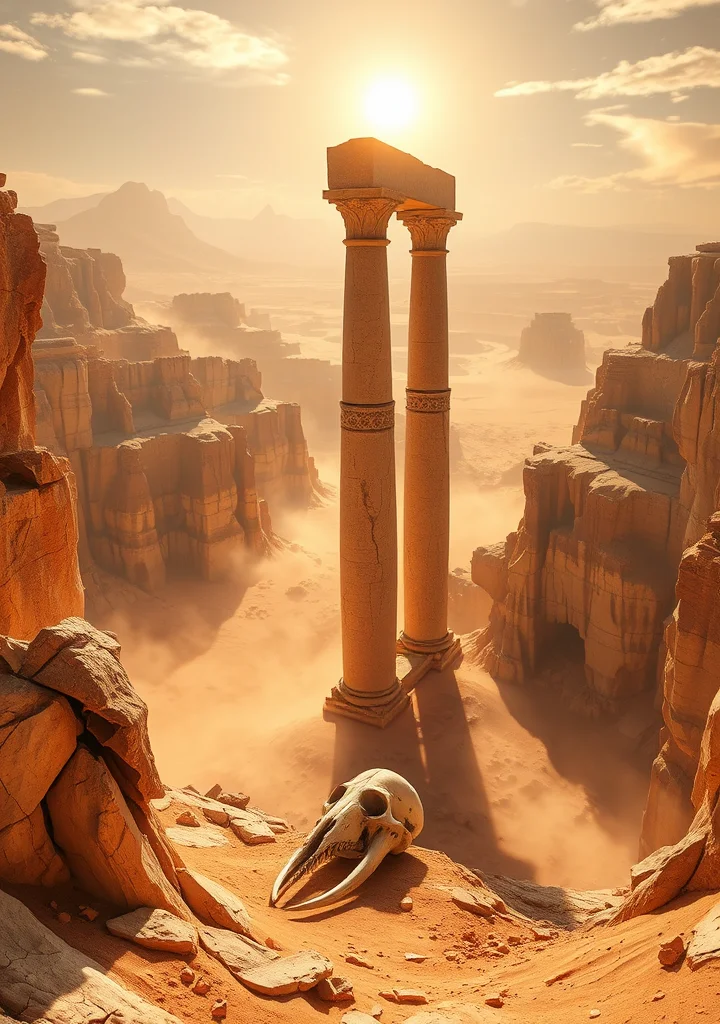
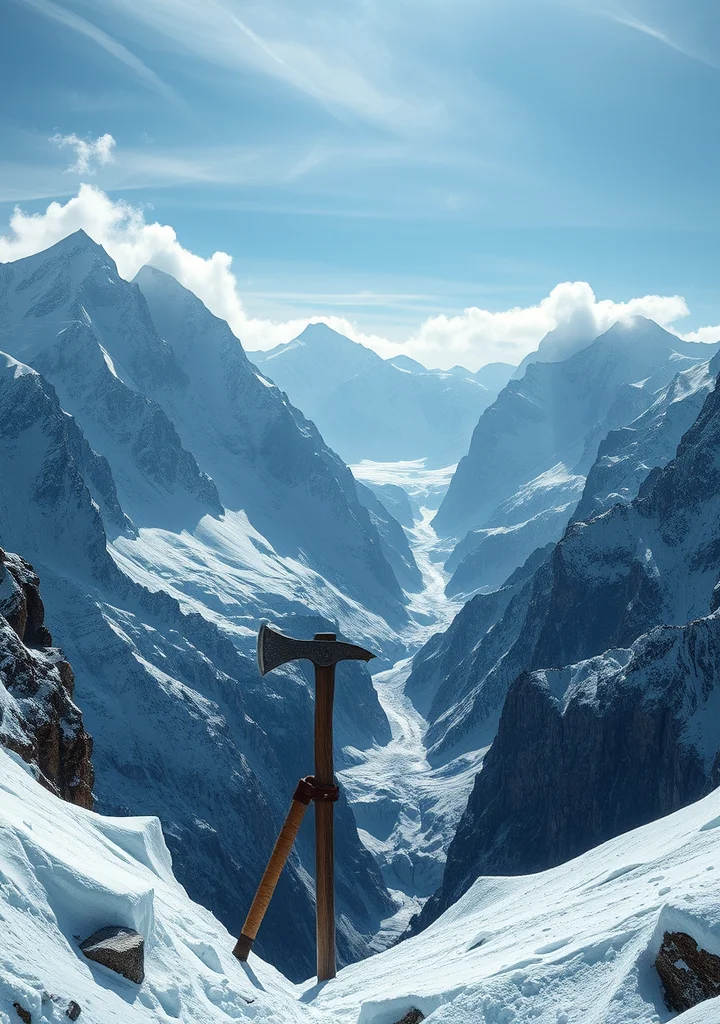
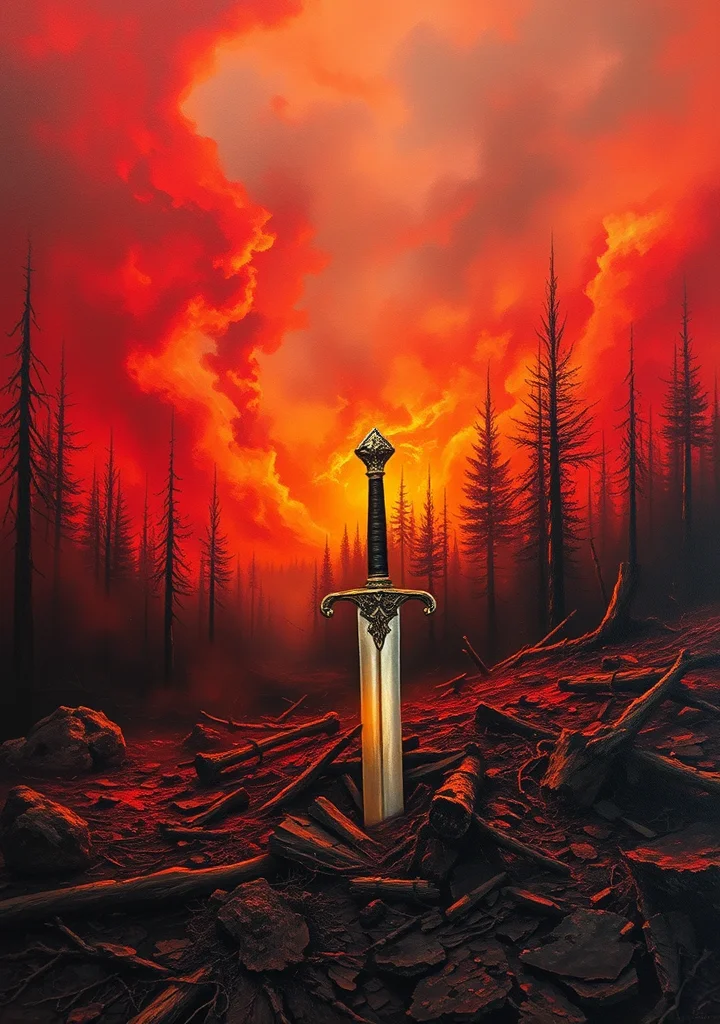
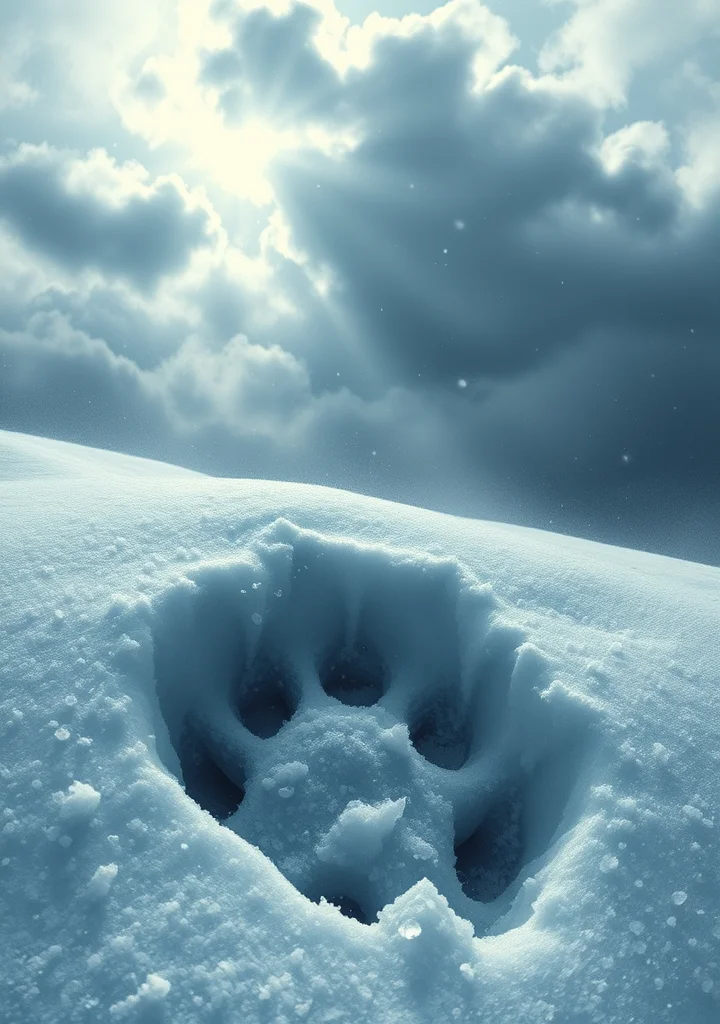
The Alaskan wilderness breathes a glacial sorrow into every page. A white silence clings to the bones of wolves and men alike, where hunger is a constant shadow and survival a brutal, icy scripture. Here, in the shadowed territories beyond the reach of law, a creature born of wolf and dog grapples with a primal inheritance. It isn't merely a story of animal cunning, but a descent into the heart of a cold dominion. Each snowfall muffles the cries of the dying, each frozen breath reveals the desperate calculus of tooth and claw. The scent of pine and blood hangs heavy, a perfume of the inevitable. White Fang’s journey is not a triumph, but a weathering, a carving of spirit against a landscape that doesn’t care for its making. He embodies the wilderness’s cruel elegance – beautiful, terrible, and utterly indifferent to the human gaze. The darkness within him mirrors the long night of the north, a chilling echo of the savagery that sleeps in us all. The weight of his story settles like frost on the windowpane, leaving a lingering chill long after the last page is turned.
Copyright: Public Domain
This license allows anyone to use your story for any purpose, including printing, selling, or adapting it into a film freely.
Recommended for you
28 Part
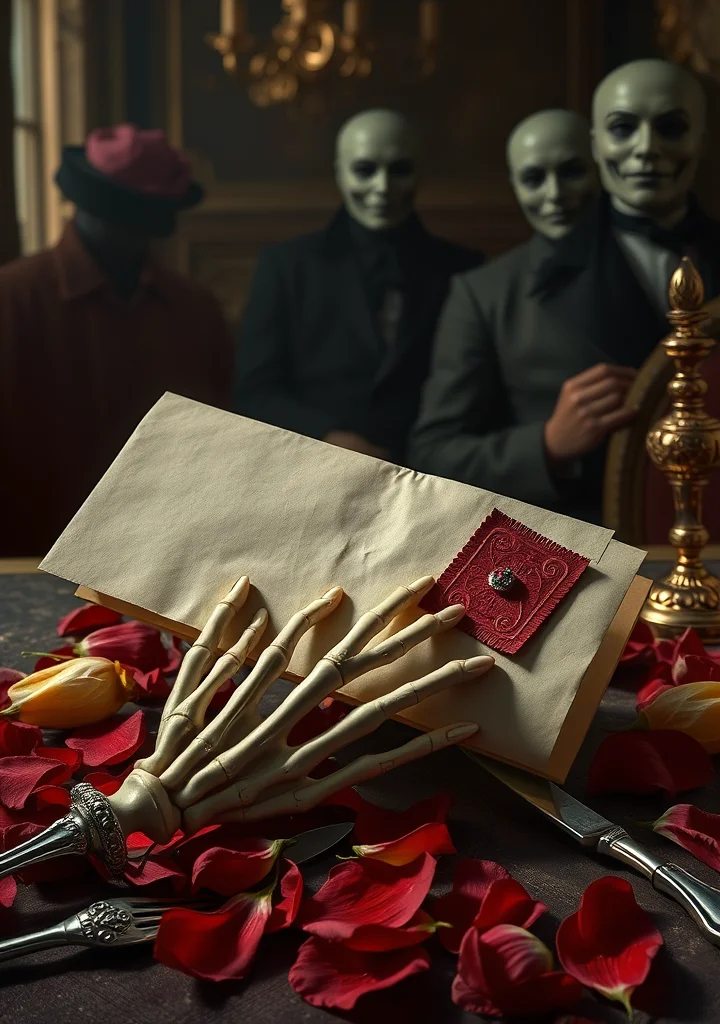
Dust motes dance in the perpetual twilight of Mackenzie’s *Journals*, a collection bound in leather smelling faintly of brine and decay. The narrative unfolds not as a story, but as an unraveling – a slow, deliberate erosion of sanity documented in cramped, spidery script. Each entry is a fragment wrested from the encroaching darkness, detailing the slow, suffocating bloom of dread within a remote coastal manor. The sea itself is a character here, a grey, hungry maw that whispers of forgotten gods and the things they drag from the depths. The journals detail a descent into obsession with the manor’s previous inhabitants, a lineage plagued by melancholia and shadowed by ritual. Rooms breathe with the weight of past sorrows, their shadows stretching into grotesque shapes that mimic the author’s growing paranoia. The prose is laced with a creeping claustrophobia, mirroring the manor's labyrinthine corridors and the suffocating weight of inherited grief. There are no grand horrors here, only the exquisite torment of being watched by something unseen, the slow realization that the walls themselves listen. The scent of mildew and rot clings to every page, a tangible residue of despair. The journals are not merely *read*; they are *absorbed*, leaving the reader shivering in the cold, salt-laced air of a forgotten coastline, haunted by the echo of Mackenzie’s fracturing mind. They are a testament to the rot that blossoms not just in wood and stone, but within the very core of the self.
15 Part
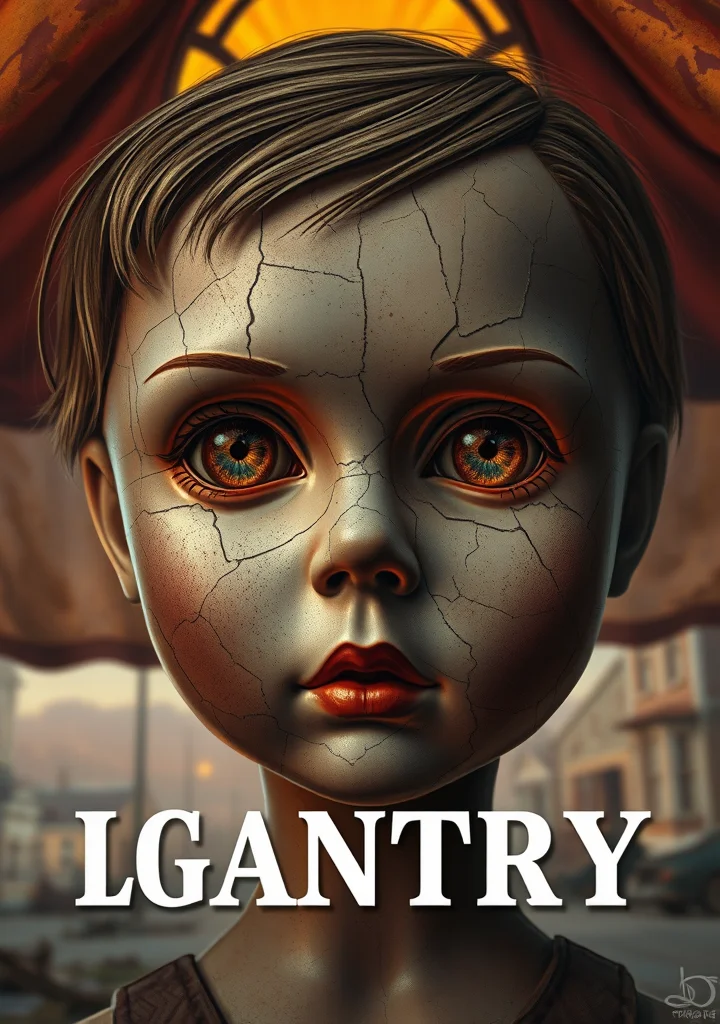
A suffocating mist clings to the crumbling stone of Wollaston’s world, a landscape haunted by the ghosts of reason abandoned. This is not a tale of spectral apparitions, but of a rot within the very bone of existence, where the boundaries between the natural world and the fracturing psyche dissolve. The narrative unfolds like a slow poisoning, tracing the decay of a man’s faith not through divine revelation, but through the cold, clinical dissection of the world’s mechanics. Every wildflower dissected, every star’s trajectory charted, feels less a discovery and more an incision – revealing not the hand of God, but the gaping void where devotion once resided. A pervasive dread settles not in grand, theatrical horrors, but in the meticulous observation of decay. The prose mirrors the era’s obsession with precision, yet each measured sentence feels like a tightening noose. Sunlight here is not a promise of warmth, but a harsh glare exposing the barrenness of a landscape stripped of all comfort. It is a study in isolation, not of hermits in remote cabins, but of a consciousness slowly entombed within the suffocating rationality of its own design. The silence isn’t emptiness, but the stifled scream of a soul observing its own extinction. The air itself tastes of ash and the scent of dried herbs, hinting at a morbid alchemy where the pursuit of natural law becomes a ritual of self-annihilation. One reads not to understand a religion, but to witness the unraveling of one man’s mind as he methodically charts his descent into the barren, unforgiving wilderness of a godless universe.