
-
Read 583
-
0
-
Part 35
Completed, First published Mar 02, 2026
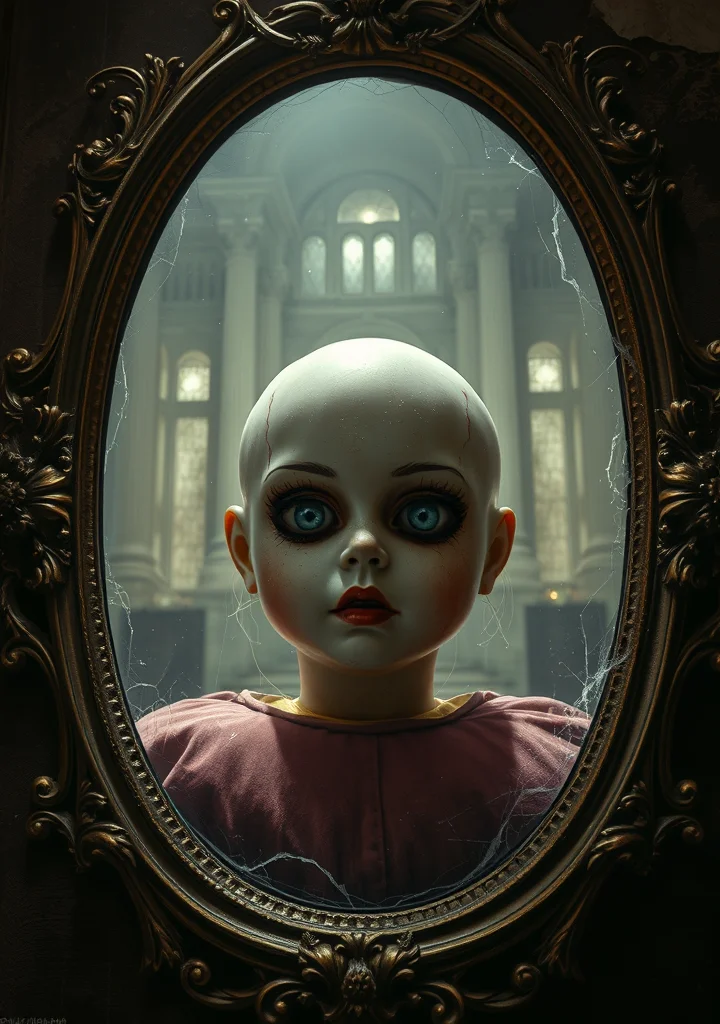
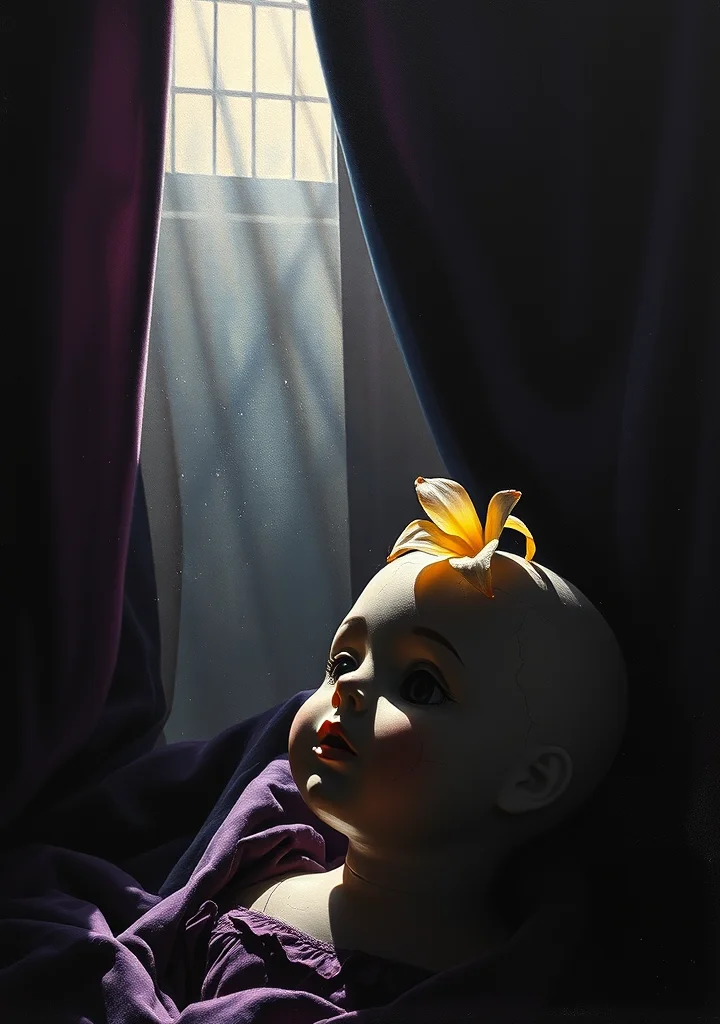
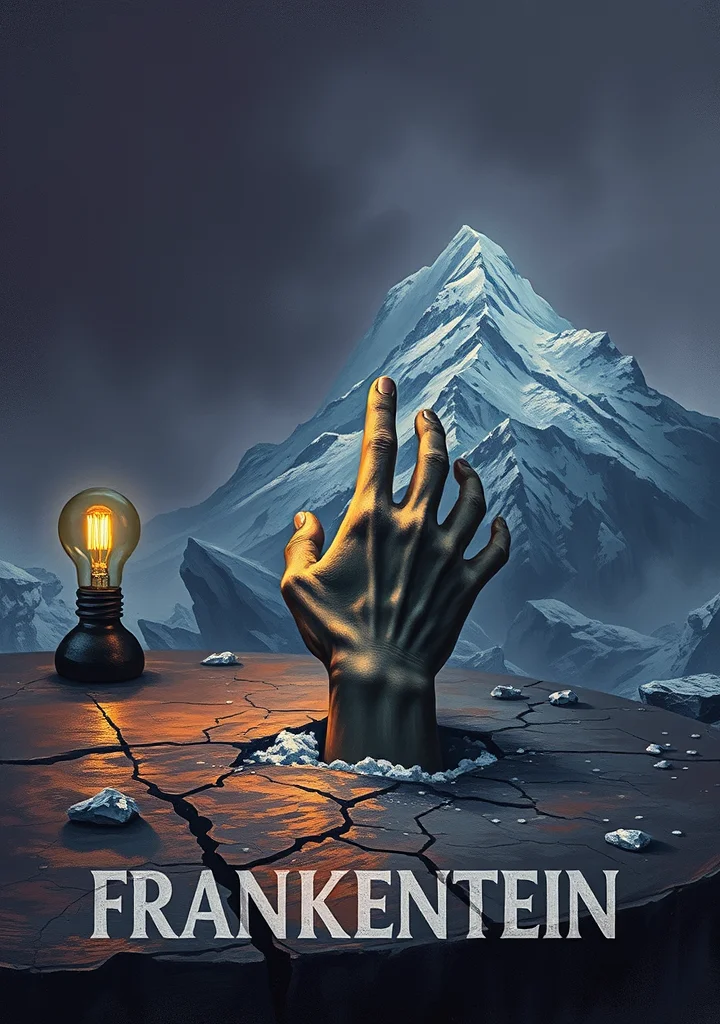
A creeping dread clings to the icy slopes of the Alps, mirroring the chilling ambition that birthed a monster. This is a tale woven from the threads of hubris and despair, where the pursuit of forbidden knowledge unravels not into triumph, but into a desolate, echoing grief. The narrative exhales with the frigid breath of graveyards and shadowed laboratories, haunted by the pallid luminescence of stolen life. Each chapter is a descent into a fractured psyche, mirroring the creature’s own fragmented existence. Expect to be enveloped by a suffocating atmosphere of isolation—not merely physical, but a loneliness that festers within the very core of being. A suffocating weight of guilt and consequence presses down as the boundaries between creator and creation blur into a horrifying, indistinguishable unity. The prose itself seems to bleed with the melancholy of a world irrevocably tainted by the arrogance of man, and the lingering question of what it means to be truly, monstrously alive. This is a story where the darkness doesn’t just surround you; it seeps *into* you, leaving you shivering in the ruins of a godless ambition.
Copyright: Public Domain
This license allows anyone to use your story for any purpose, including printing, selling, or adapting it into a film freely.
This license allows anyone to use your story for any purpose, including printing, selling, or adapting it into a film freely.
Chapter List
-
« Frankenstein »📖 Continue Reading
-
« Introduction »
-
« Preface »
-
« Chapter_5 »
-
« Chapter_6 »
-
« Frankenstein »
-
« LetterI »
-
« LetterII »
-
« LetterIII »
-
« LetterIV »
-
« ChapterI »
-
« ChapterII »
-
« ChapterIII »
-
« ChapterIV »
-
« ChapterV »
-
« ChapterVI »
-
« ChapterVII »
-
« ChapterVIII »
-
« ChapterIX »
-
« ChapterX »
-
« ChapterXI »
-
« ChapterXII »
-
« ChapterXIII »
-
« ChapterXIV »
-
« ChapterXV »
-
« ChapterXVI »
-
« ChapterXVII »
-
« ChapterXVIII »
-
« ChapterXIX »
-
« ChapterXX »
-
« ChapterXXI »
-
« ChapterXXII »
-
« ChapterXXIII »
-
« ChapterXXIV »
-
« Walton,in Continuation »
35
-
« Frankenstein »
-
« Introduction »
-
« Preface »
-
« Chapter_5 »
-
« Chapter_6 »
-
« Frankenstein »
-
« LetterI »
-
« LetterII »
-
« LetterIII »
-
« LetterIV »
-
« ChapterI »
-
« ChapterII »
-
« ChapterIII »
-
« ChapterIV »
-
« ChapterV »
-
« ChapterVI »
-
« ChapterVII »
-
« ChapterVIII »
-
« ChapterIX »
-
« ChapterX »
-
« ChapterXI »
-
« ChapterXII »
-
« ChapterXIII »
-
« ChapterXIV »
-
« ChapterXV »
-
« ChapterXVI »
-
« ChapterXVII »
-
« ChapterXVIII »
-
« ChapterXIX »
-
« ChapterXX »
-
« ChapterXXI »
-
« ChapterXXII »
-
« ChapterXXIII »
-
« ChapterXXIV »
-
« Walton,in Continuation »
More like this