
-
Read 445
-
0
-
Part 19
Completed, First published Mar 02, 2026
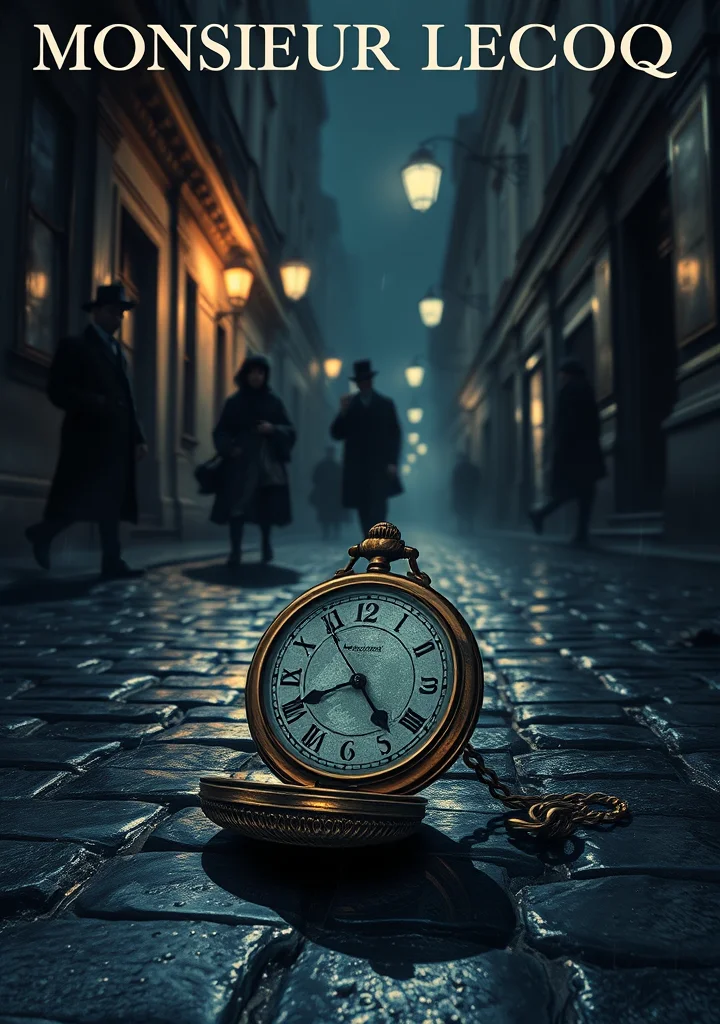
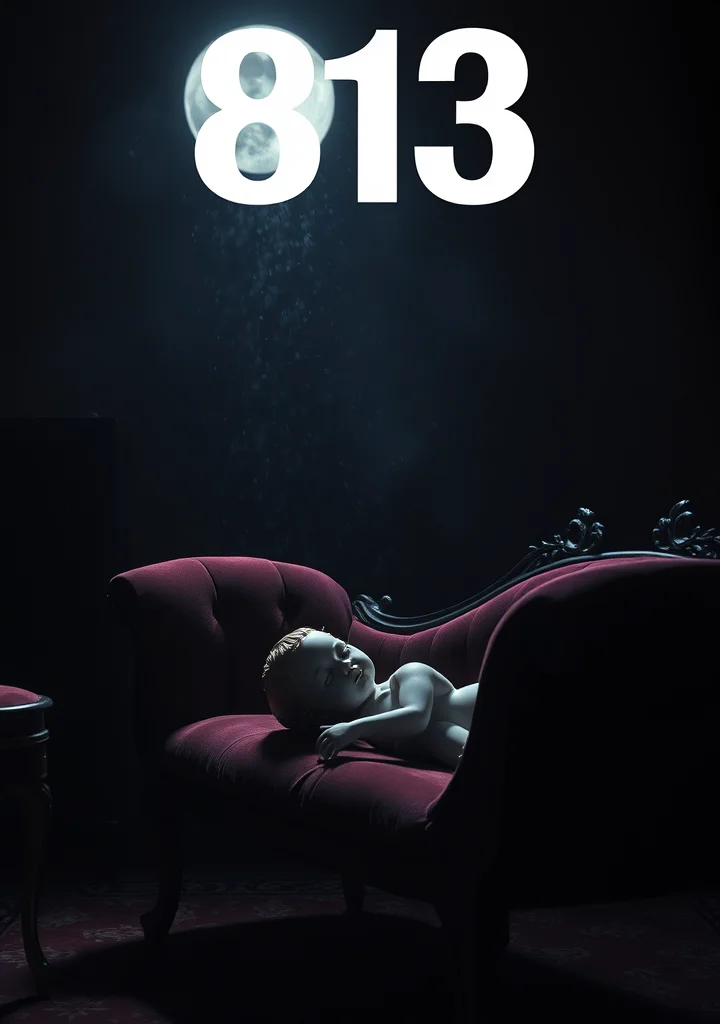
A creeping dread clings to the shadowed streets of Paris, mirroring the decay within the aging heart of Monsieur Leblanc’s protagonist. The number 813—a room, a cipher, a haunting presence—becomes the locus of a labyrinthine investigation, not for stolen jewels, but for fragments of a shattered psyche. Dust motes dance in the gloom of abandoned apartments, each one a whispered accusation. The air hangs thick with the scent of stale absinthe and regret, clinging to the velvet drapes and tarnished silver frames. A suffocating claustrophobia pervades, born not of physical confinement but of a spiraling descent into obsession. The narrative unfolds as a slow bleed of sanity, where the lines between hunter and hunted blur within the gaslit haze. Each discovery—a forgotten photograph, a coded letter, a single crimson stain—unearths not answers, but echoes of a forgotten tragedy. The city itself becomes a character, a mausoleum of secrets breathing down the neck of a man unraveling the threads of his own doom. It is a story steeped in the melancholy of lost loves and the suffocating weight of inherited sins, a darkness that clings to the soul long after the final page is turned.
Copyright: Public Domain
This license allows anyone to use your story for any purpose, including printing, selling, or adapting it into a film freely.
This license allows anyone to use your story for any purpose, including printing, selling, or adapting it into a film freely.
More like this