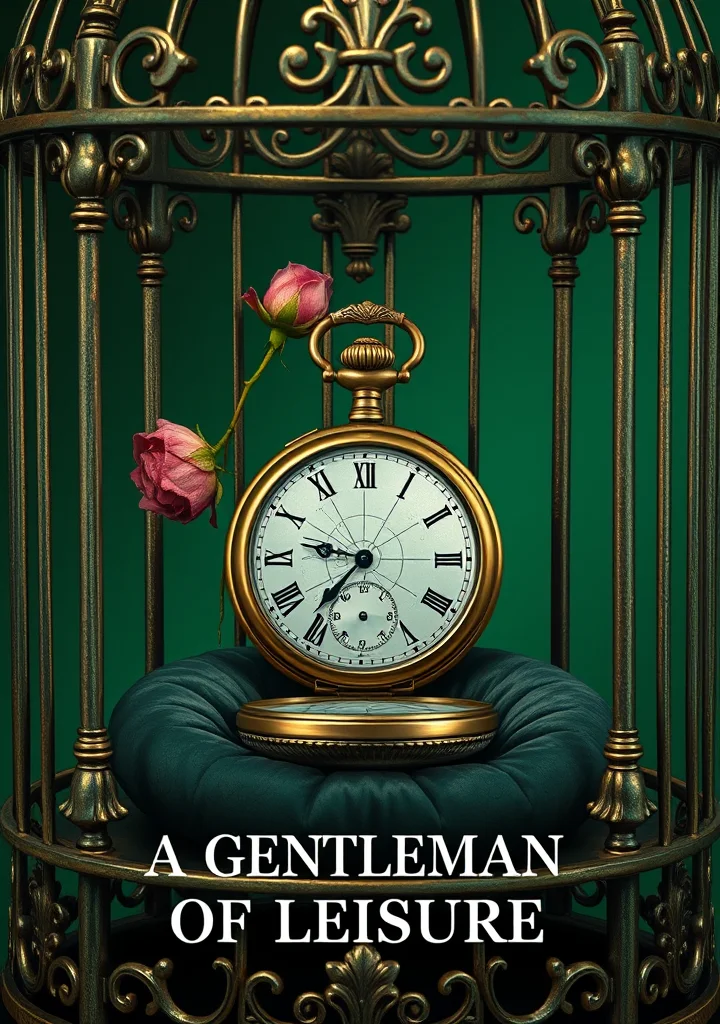

A Gentleman of Leisure
  • 188
  • 0
  • 33
  • Reads 188
  • 0
  • Part 33
Completed, First published Mar 02, 2026

A creeping fog clings to the manor, not of mist but of ennui. Within, a languid decay settles on polished wood and silver frames, mirroring the stagnation of its inheritor. Though ostensibly a comedy, a subtle dread permeates the Wodehousean world – a sense of gilded cages and the suffocating weight of expectation. The protagonist drifts through sun-drenched days with a melancholic detachment, his wit a brittle shield against a creeping despair. Gardens, meticulously ordered, become prisons of green, and the very laughter feels hollow, echoing in vast, empty rooms. A pervasive stillness hangs over the narrative, broken only by the rustle of silk gowns and the clink of ice in forgotten glasses. It’s a world where consequence is deferred, and the rot of boredom threatens to consume everything, leaving only the skeletal remains of privilege in its wake. The very air tastes of regret and unfulfilled desires, and the charm masks a quiet, insidious loneliness. The narrative unfolds not as a joyful romp, but as a slow, elegant unraveling, each perfectly placed absurdity a tightening noose around the heart.
Copyright: Public Domain
This license allows anyone to use your story for any purpose, including printing, selling, or adapting it into a film freely.
Recommended for you
15 Part
A creeping dread clings to the Welsh hills, a miasma rising from ancient stones and shadowed valleys. Machen weaves a tale not of what is seen, but of what *becomes* visible – the fracturing of reality itself. Three men, each subtly, terrifyingly *wrong*, infiltrate a quiet village, their presence a slow corruption of the familiar. They are not demons in disguise, nor madmen escaped from asylums, but something far stranger: echoes of forgotten gods, slivers of nightmares given flesh. The narrative unfolds like a fever dream, blurring the line between the mundane and the monstrous. A suffocating claustrophobia settles over the reader as the impostors’ influence spreads – a chilling stillness in the eyes of livestock, the unnerving precision of their smiles, the scent of decay clinging to their clothes. The air itself thickens with an unspoken terror, a sense of being watched by something vast and uncaring. The true horror lies not in their deeds, but in the subtle unraveling of the world around them. Stone circles become gateways, ancient rituals awaken, and the very foundations of the village begin to crumble under the weight of their alien scrutiny. It is a story of slow, insidious possession, where sanity is peeled away like layers of skin, leaving only the raw, screaming nerve of primal fear. The darkness doesn’t *come* – it *is*, woven into the very fabric of existence, and these three impostors are merely the stitches pulling it taut.
29 Part
A creeping dread clings to the shadowed corners of a boy’s ascension. Within the stifling grandeur of a European court, young Otto, heir to a crumbling dynasty, finds his life a gilded cage. But this is no simple tale of royal constraint. A sickness—physical, political, and something far older—infests the palace, manifesting in whispered anxieties and the chillingly precise machinations of a physician obsessed with prolonging life beyond its natural end. The narrative unfolds as a fever dream, blurring the lines between boyhood innocence and the monstrous ambitions of a kingdom built on decay. Every corridor echoes with the weight of tradition, every smile masks a festering resentment. Otto’s world is one of inherited sorrow, where the very air tastes of resignation and the rituals of power are conducted with the hushed reverence afforded to a slow, inevitable rot. The atmosphere is suffocating, a velvet darkness punctuated by the flickering candlelight of conspiracy. We move with Otto through labyrinthine chambers, haunted by the ghosts of his ancestors and the phantom promises of a future he cannot grasp. It is a story not of grand battles or heroic deeds, but of insidious influence, of a boy’s spirit eroding within the ornate prison of his birthright, until the prince becomes less a person and more a symptom of the kingdom’s own morbid vitality. The scent of lilies and decay permeates every page, promising not salvation, but a descent into a beautifully wrought, suffocating despair.
12 Part
A suffocating dread clings to the steel decks and shadowed machinery of a transatlantic liner, where the brute force of labor grinds against a creeping, animalistic despair. The air itself is thick with coal dust and the greasy tang of engine rooms, mirroring the primal urges stirring within the hulking, ape-like figure of Paddy Donovan. He’s a man reduced to muscle and instinct, a creature of the hold, yet haunted by a phantom touch, a fleeting glimpse of something *other* than grime and iron. The narrative descends into a feverish, claustrophobic descent through the ship’s bowels—a world of flickering gaslight and the rhythmic throb of pistons, echoing the frantic beat of a caged heart. Donovan’s desperate attempts to connect, to *feel* something beyond the metallic clang of his existence, twist into a grotesque parody of yearning. The city above, glimpsed through grates and hatches, becomes a mocking reflection of a humanity he can no longer grasp. He is drawn to the grotesque carnival of the docks, to the desperate, predatory gazes of those who’ve lost their footing in the mire. The narrative bleeds into a brutal, fractured landscape of waterfront dives and shadowy alleys—a world where the ape’s rage finds a chilling resonance in the distorted cries of street preachers and the hollow laughter of the dispossessed. It is a slow, agonizing unraveling, a descent into a feral howl that echoes not with human protest, but with the guttural loneliness of a beast trapped in the ruins of its own making. The final, echoing space is one of concrete and cold, the raw, exposed nerve of a fractured soul finding its final, devastating release.
23 Part
A creeping fog clings to the London streets, mirroring the decay within the soul of Marius, a man thrust back into a world he barely remembers—a world fractured by the Great War and shadowed by a primal, creeping dread. Chesterton weaves a tale not of heroism or triumph, but of endurance, of a being *too* innocent for a world drowning in its own justifications. The narrative unfolds as a fragmented confession, delivered by a man unbound from time’s usual moorings, his perspective both alien and disturbingly familiar. The city itself becomes a labyrinth of echoing grief, each cobblestone slick with the residue of forgotten horrors. Marius’s return is not a resurrection, but a haunting—he exists as a witness to the brutal arithmetic of modern existence, a silent observer as humanity dismantles its own sanctity. The atmosphere is thick with the scent of coal smoke and something older, something akin to the earth’s slow, indifferent exhale. He is neither angel nor demon, but a stark, unsettling presence, forcing those he encounters to confront the uncomfortable truth of their own compromised faith. The novel doesn’t offer resolution, but a slow unraveling of certainty, a descent into the quiet desperation of a man who sees too clearly the scaffolding of a broken world—and the chilling beauty of its enduring, terrible logic. It is a study in the endurance of the spirit, but the spirit is not merely human, and its survival is not a comfort, but a persistent, unsettling echo in the ruins.