
-
Read 230
-
0
-
Part 13
Completed, First published Mar 02, 2026
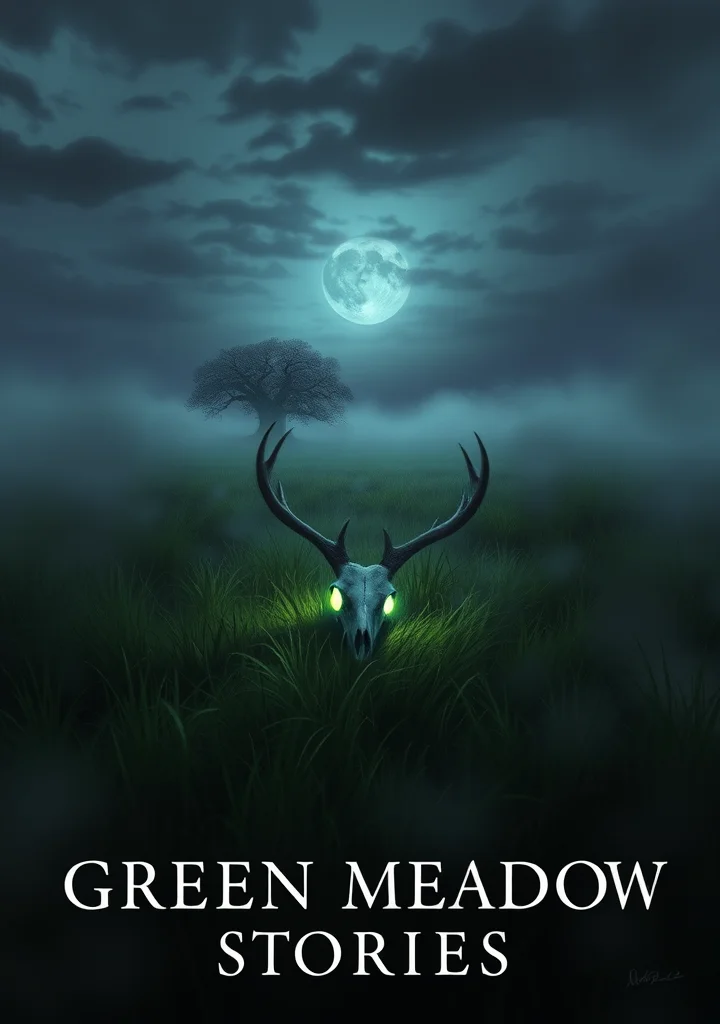
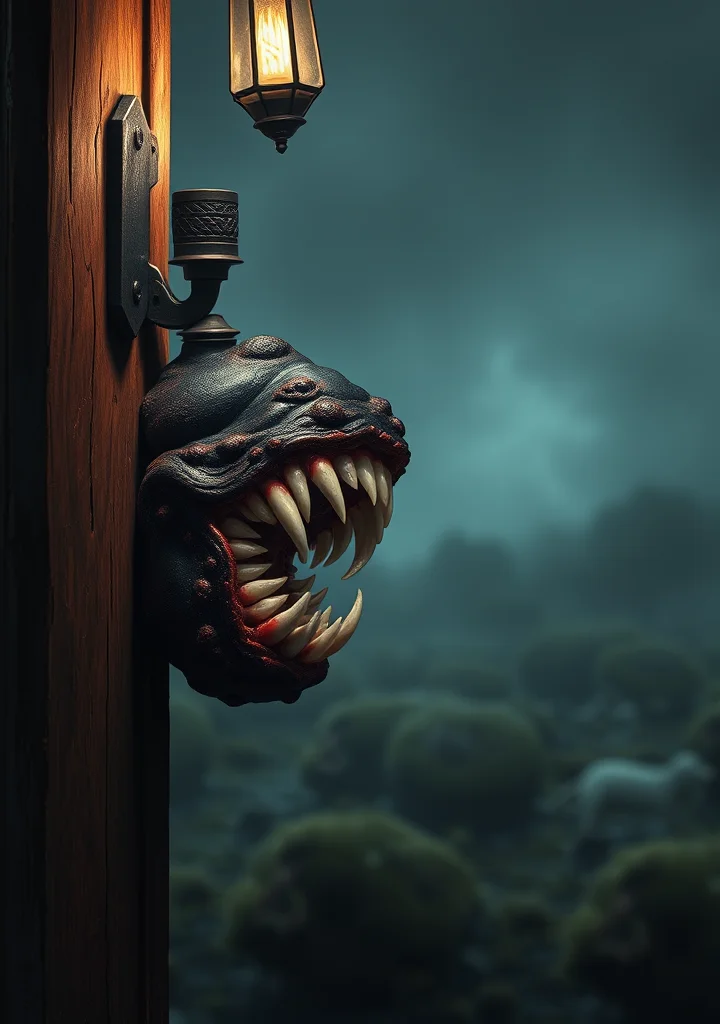
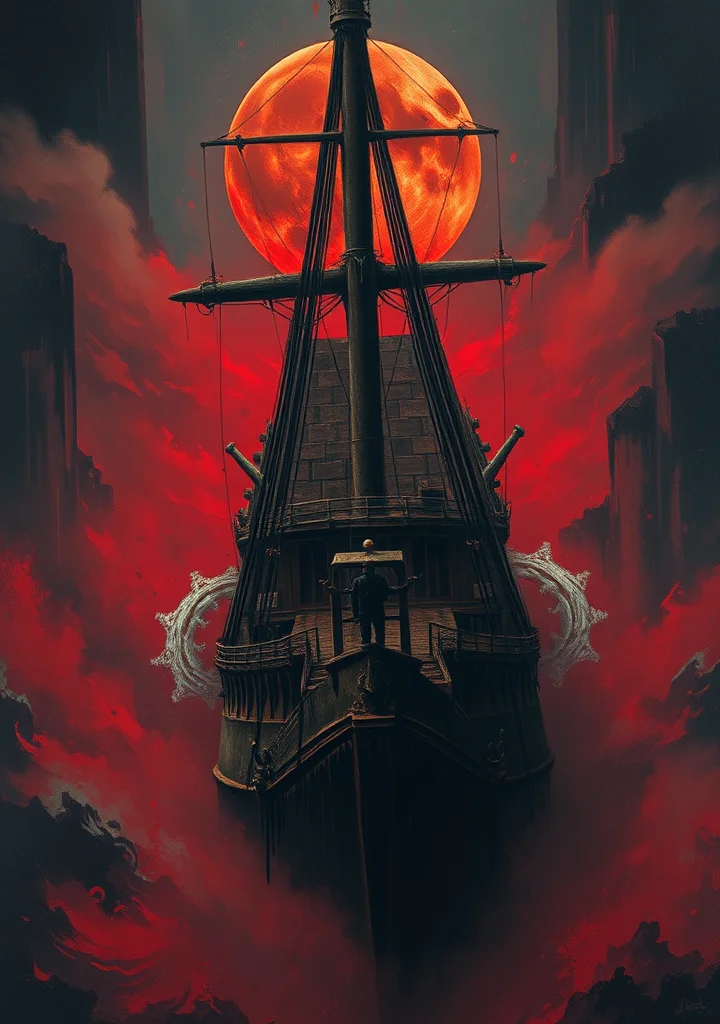
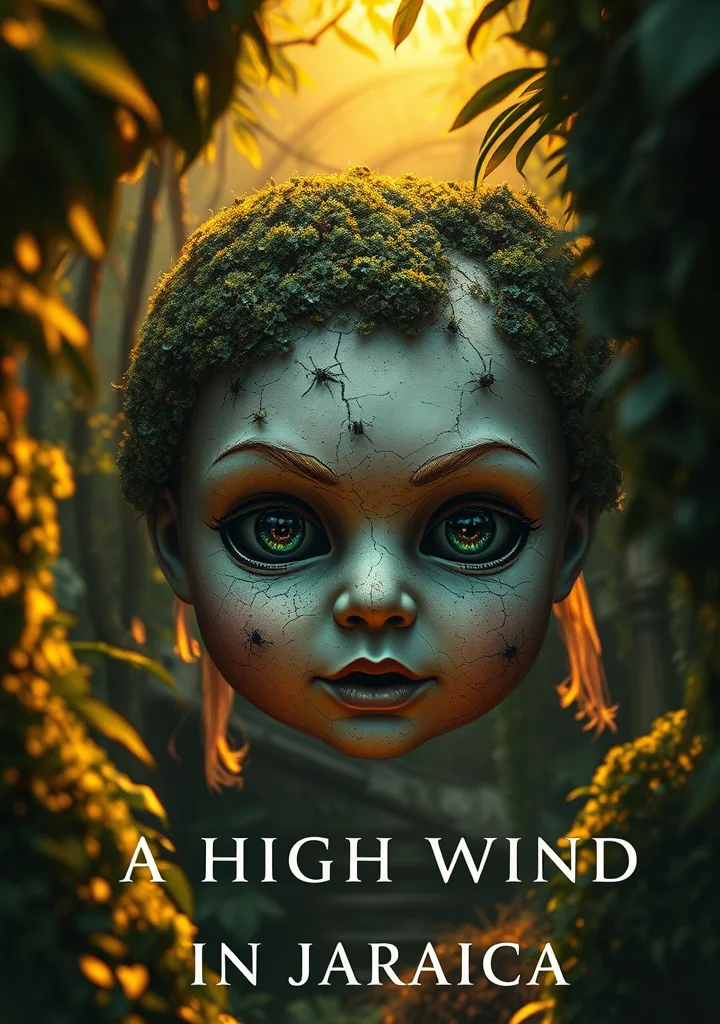
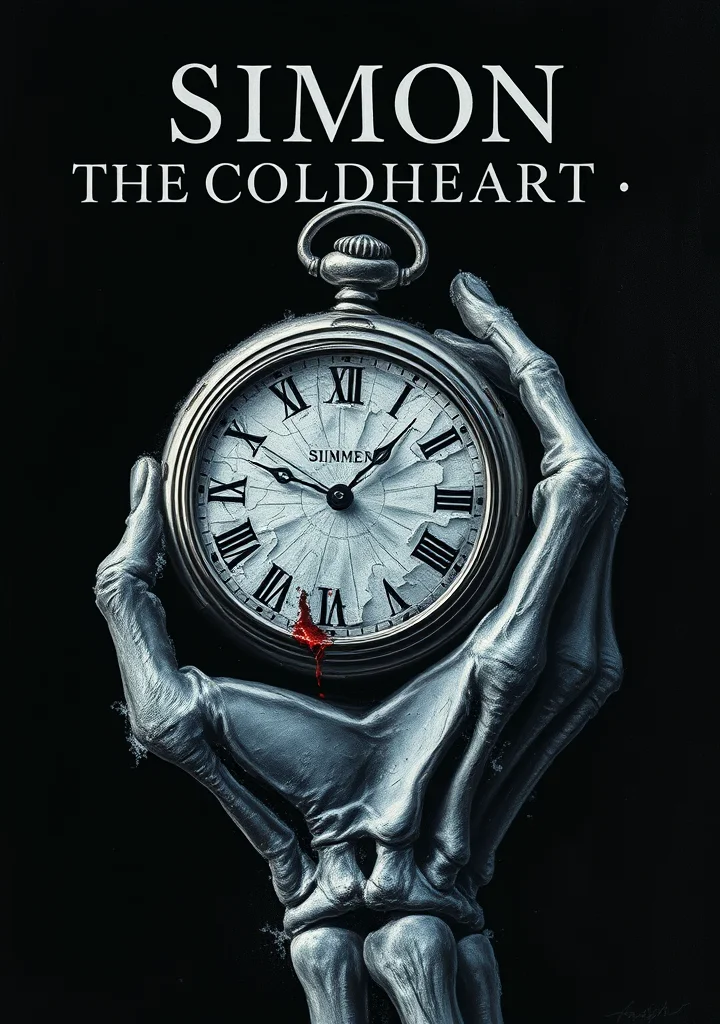
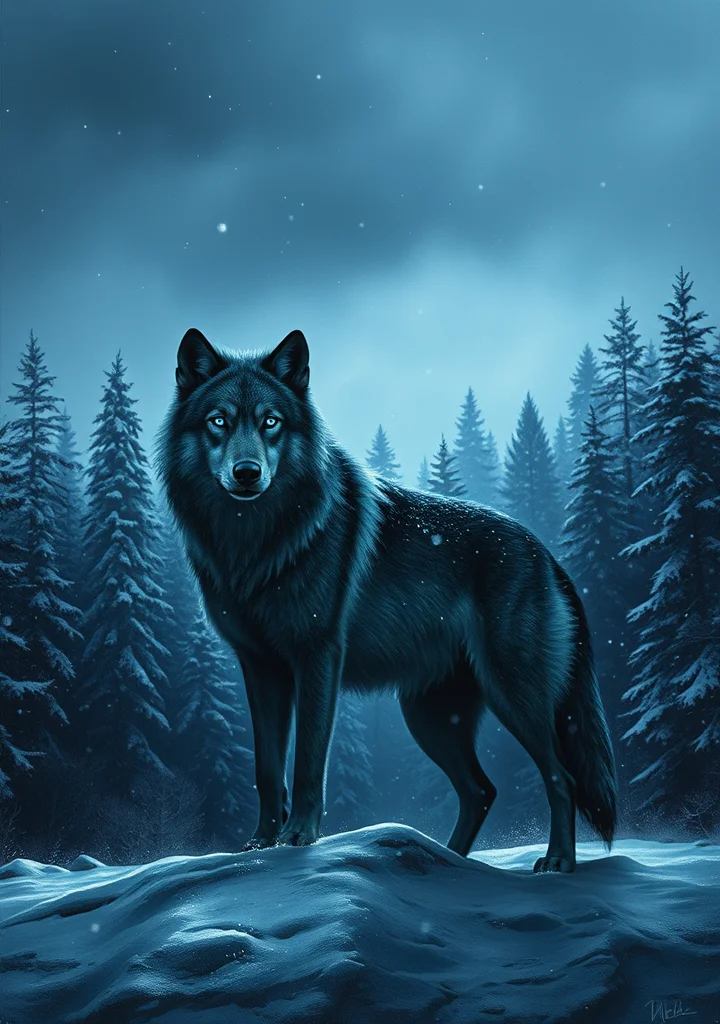
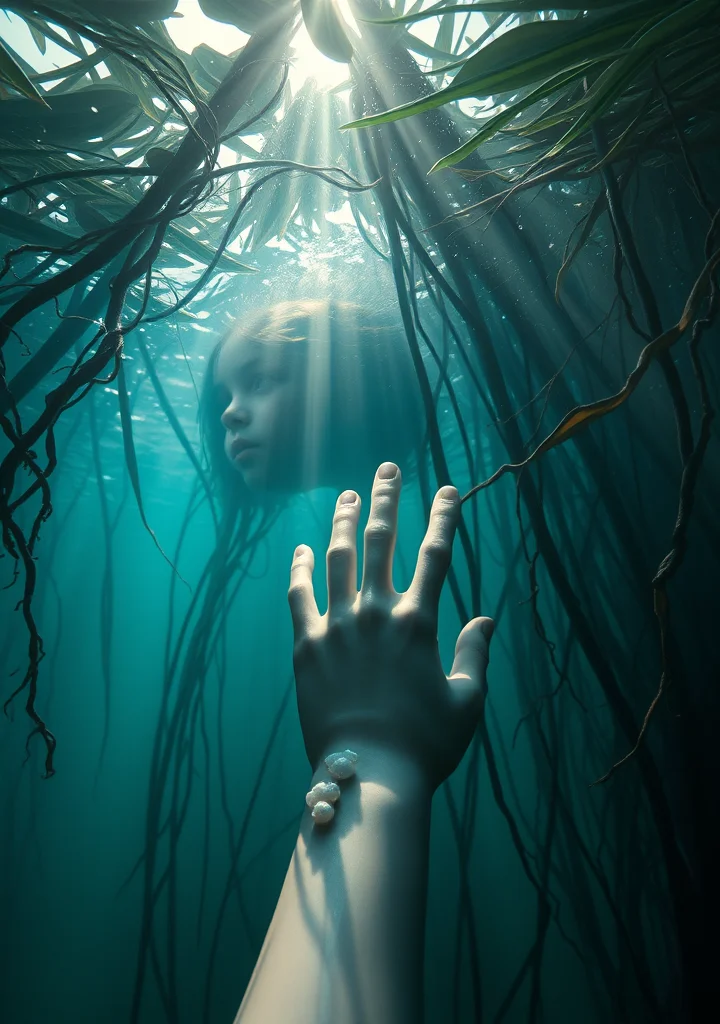
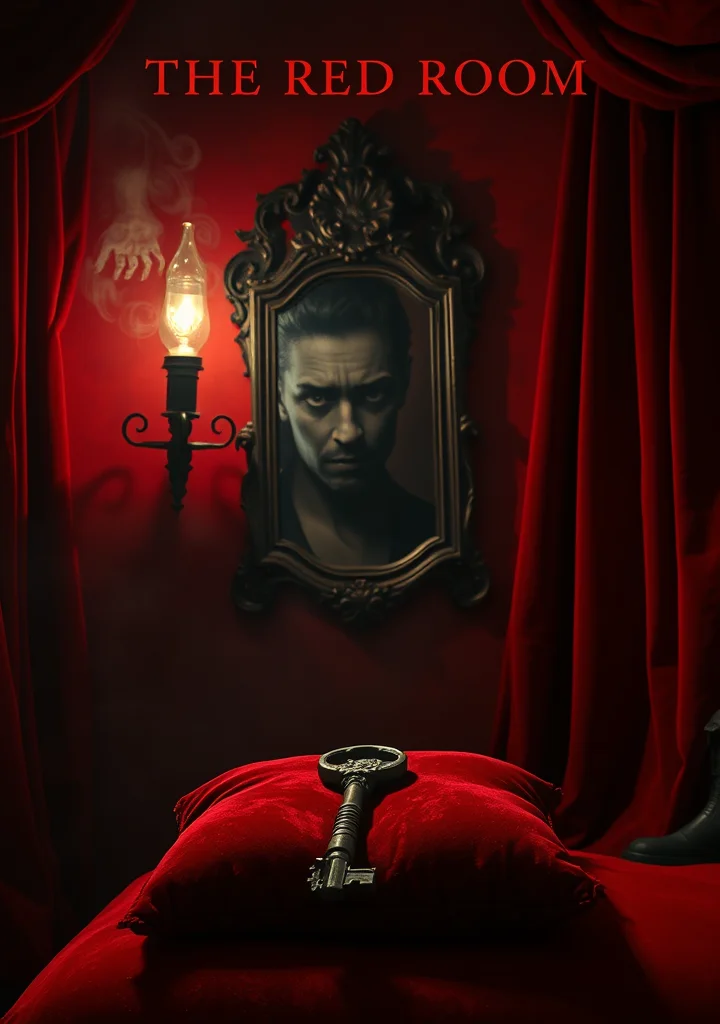
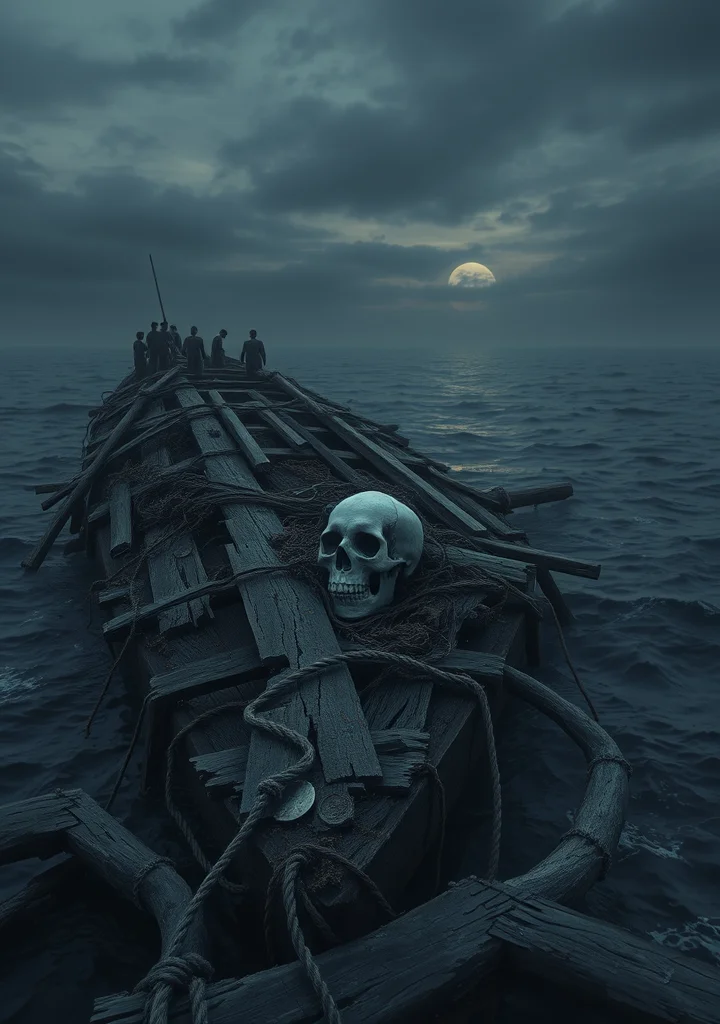
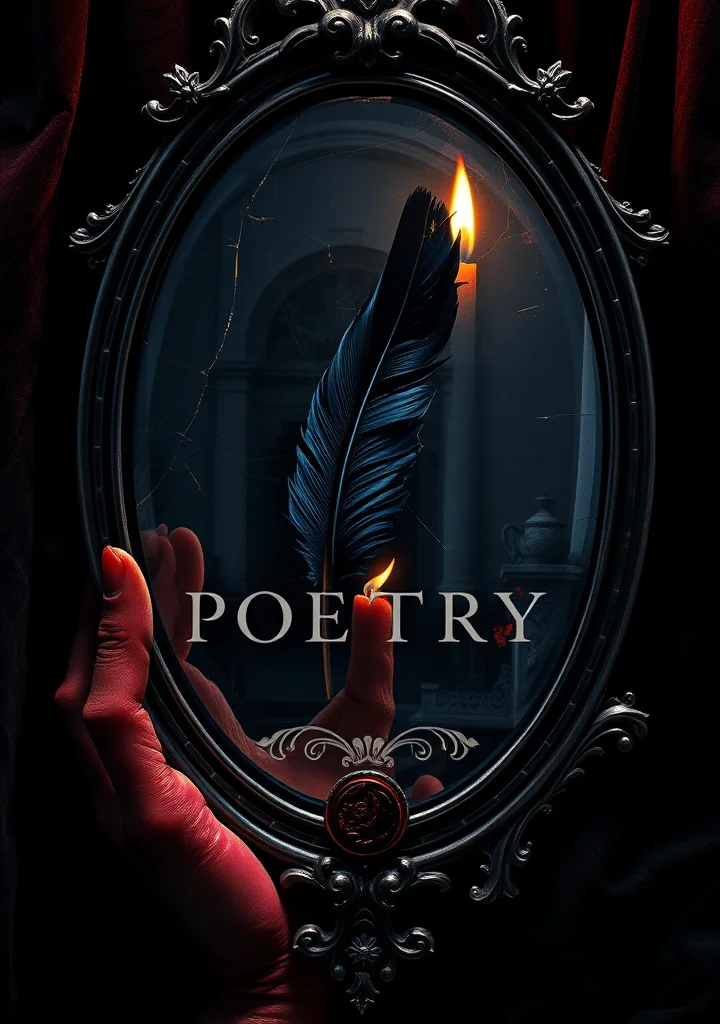
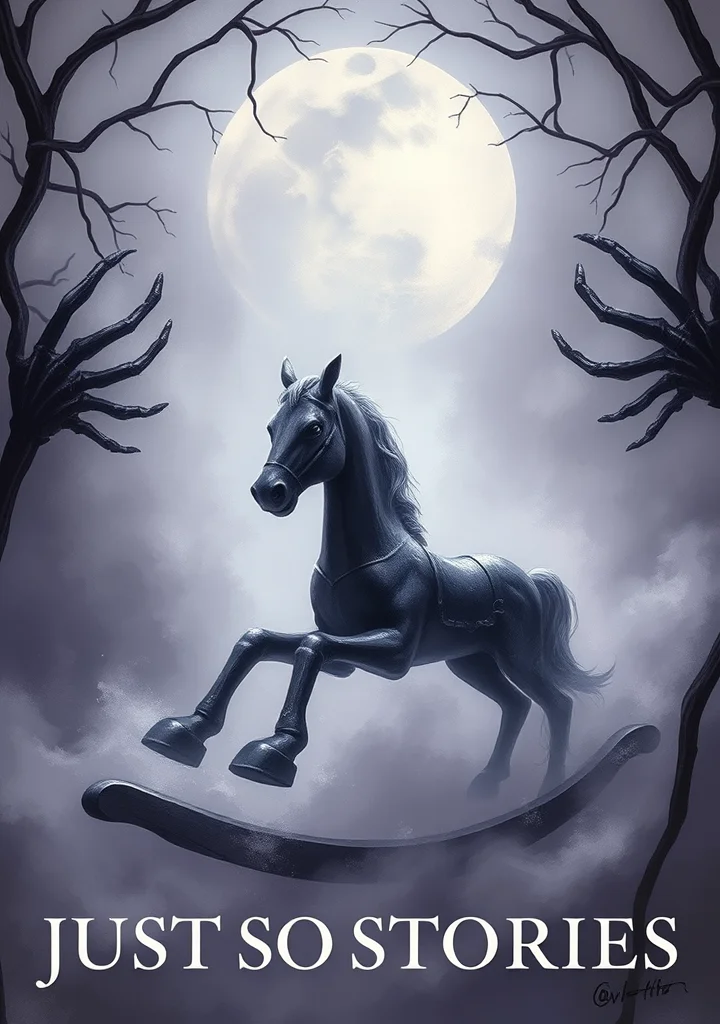
A creeping fog clings to the nurseries of memory, thick with the scent of damp wool and forgotten lullabies. These are not tales for hearthlight, but for the shadowed corners where childhood fears blossom. The animals speak with a brittle, antique courtesy, their voices echoing from a decaying menagerie of instinct and consequence. Each story unfolds as a fractured echo of a forgotten ritual, a ritual performed by a shadowy matriarch whose gaze chills the very bone. The landscapes themselves are not benevolent, but overgrown with the thorns of consequence. Every lesson is delivered with a chilling detachment, a sense of inevitability that lingers like frost on a windowpane. The warmth of the sun is a lie, replaced by the perpetual twilight of lessons learned too late, of forms imposed upon the yielding clay of the wild. A hollow resonance follows each tale, the unsettling implication that this is not merely instruction, but a subtle, predatory molding of the soul. The whispers of the jungle and the shadowed hearth are all that remain, hinting at a darkness woven into the very fabric of creation.
Copyright: Public Domain
This license allows anyone to use your story for any purpose, including printing, selling, or adapting it into a film freely.
This license allows anyone to use your story for any purpose, including printing, selling, or adapting it into a film freely.
Chapter List
-
« Just So Stories »📖 Continue Reading
-
« How the Whale Got His Throat »
-
« How the Camel Got His Hump »
-
« How the Rhinoceros Got His Skin »
-
« How the Leopard Got His Spots »
-
« The Elephant’s Child »
-
« The Singsong of Old Man Kangaroo »
-
« The Beginning of the Armadillos »
-
« How the First Letter Was Written »
-
« How the Alphabet Was Made »
-
« The Crab That Played with the Sea »
-
« The Cat That Walked by Himself »
-
« The Butterfly That Stamped »
13
-
« Just So Stories »
-
« How the Whale Got His Throat »
-
« How the Camel Got His Hump »
-
« How the Rhinoceros Got His Skin »
-
« How the Leopard Got His Spots »
-
« The Elephant’s Child »
-
« The Singsong of Old Man Kangaroo »
-
« The Beginning of the Armadillos »
-
« How the First Letter Was Written »
-
« How the Alphabet Was Made »
-
« The Crab That Played with the Sea »
-
« The Cat That Walked by Himself »
-
« The Butterfly That Stamped »
More like this