
-
Read 597
-
0
-
Part 42
Completed, First published Mar 02, 2026
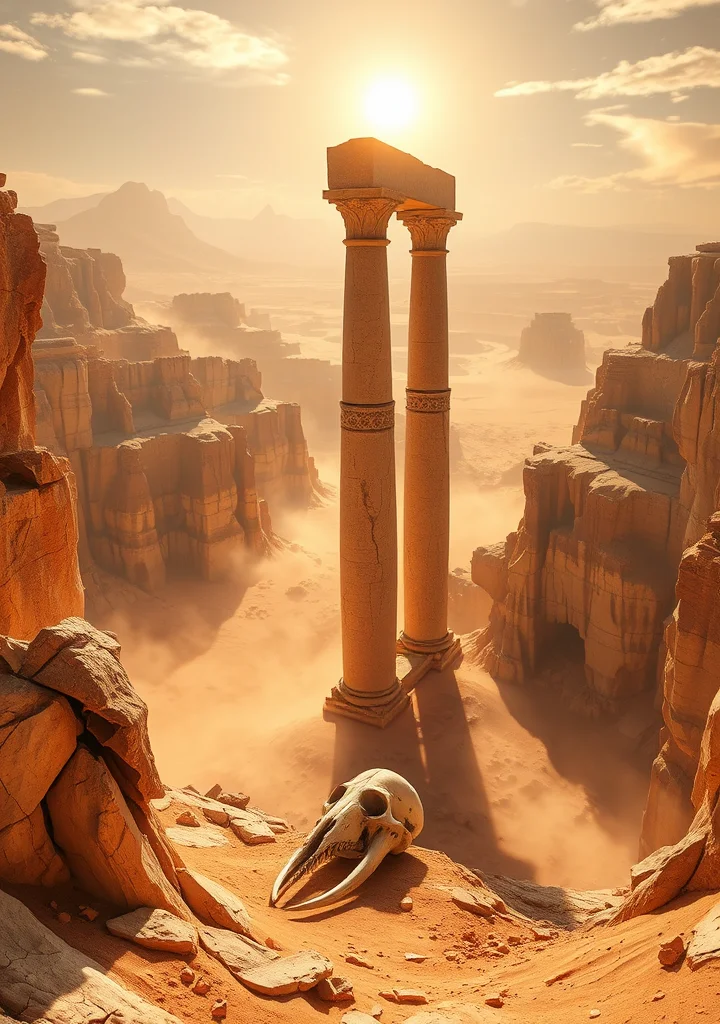
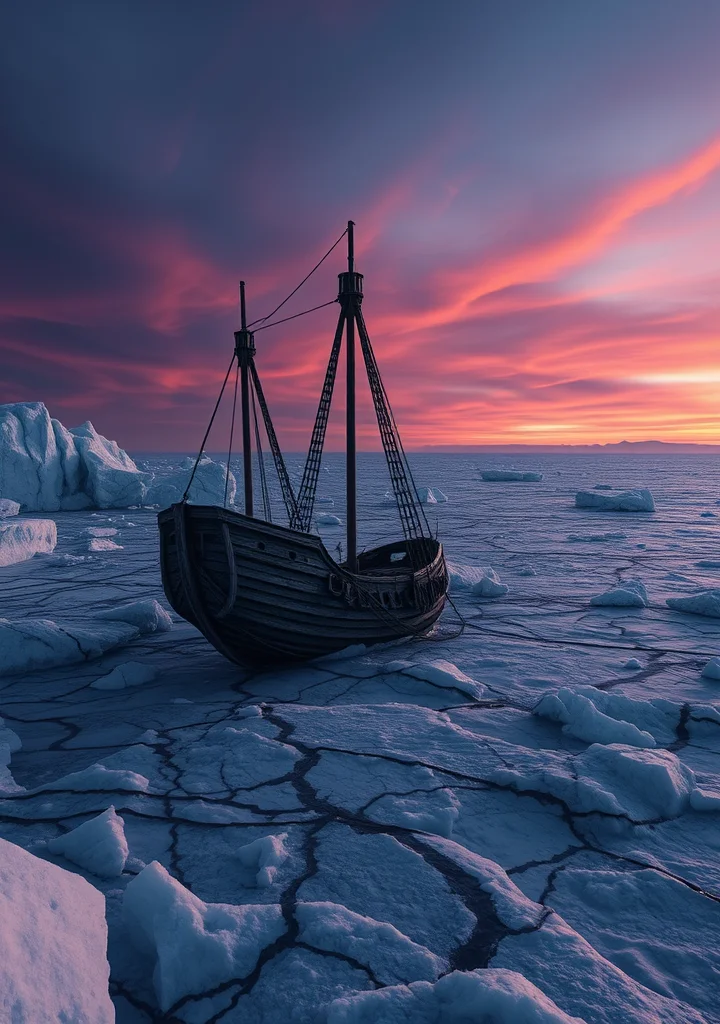
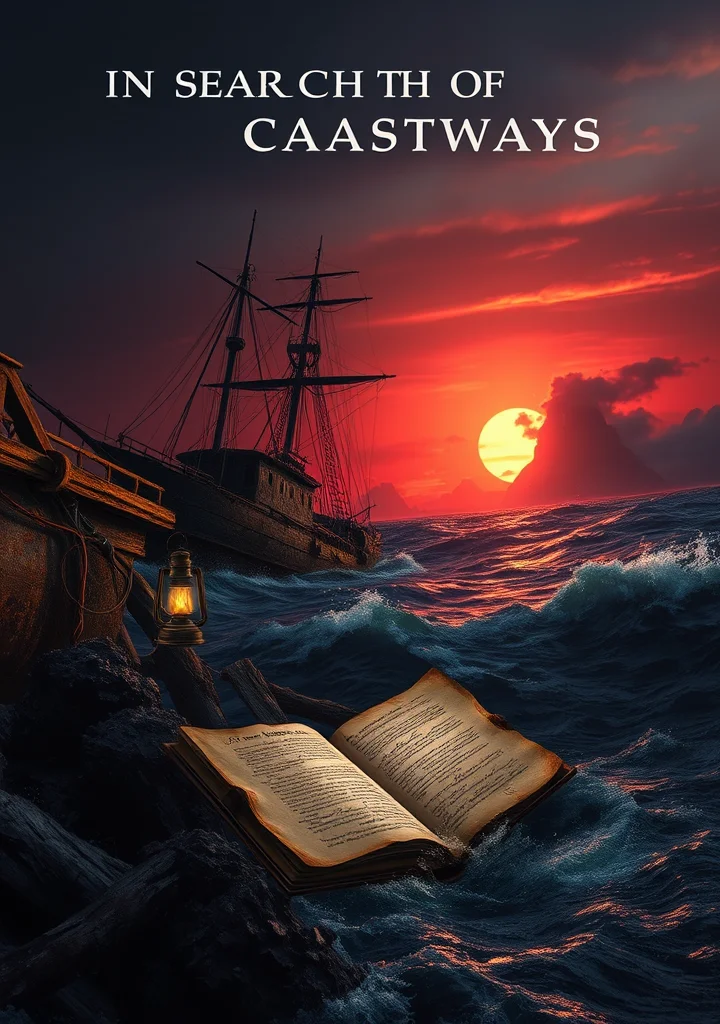
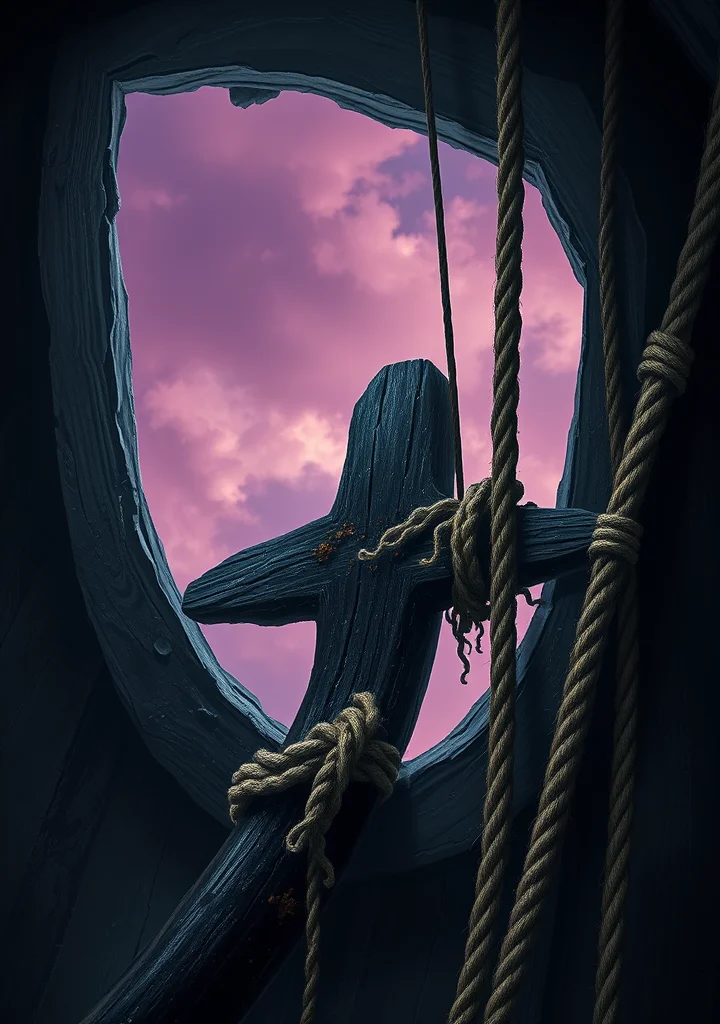
Salt-crusted timbers groan under a sky the color of bruised plums. The narrative drifts like wreckage—not of ships, but of a man’s spirit, slowly dismantled by the relentless roll of the ocean and the brutal calculus of maritime life. Though ostensibly a factual account, the prose bleeds with a spectral loneliness, a haunting echo of isolation within a teeming, sweating world of ropes and brine. The descriptions aren’t merely of work, but of a slow erosion of self, each lash of the whip, each yard of sail hoisted, carving away at the boundaries of civilized man. A claustrophobic dread permeates every detail, not from monstrous waves or pirate raids, but from the creeping awareness of being utterly, irrevocably *lost* within a system indifferent to human cost. Sun-bleached bone and the glint of madness in a sailor’s eye become morbid fixtures in a landscape where the horizon offers no solace, only the endless, hungry maw of the sea. The book doesn’t merely tell of hardship; it *becomes* it—a creeping dampness that clings to the reader long after the final page is turned, leaving them adrift in a fog of brine and regret. It is a chronicle of a soul stripped bare, offered to the waves as both witness and sacrifice.
Copyright: Public Domain
This license allows anyone to use your story for any purpose, including printing, selling, or adapting it into a film freely.
This license allows anyone to use your story for any purpose, including printing, selling, or adapting it into a film freely.
Chapter List
-
« Two Years Before the Mast »📖 Continue Reading
-
« Chapter_3 »
-
« Preface »
-
« Two Years Before the Mast »
-
« Chapter_6 »
-
« Chapter_7 »
-
« Chapter_8 »
-
« Chapter_9 »
-
« Chapter_10 »
-
« Chapter_11 »
-
« Chapter_12 »
-
« Chapter_13 »
-
« Chapter_14 »
-
« Chapter_15 »
-
« Chapter_16 »
-
« Chapter_17 »
-
« Chapter_18 »
-
« Chapter_19 »
-
« Chapter_20 »
-
« Chapter_21 »
-
« Chapter_22 »
-
« Chapter_23 »
-
« Chapter_24 »
-
« Chapter_25 »
-
« Chapter_26 »
-
« Chapter_27 »
-
« Chapter_28 »
-
« Chapter_29 »
-
« Chapter_30 »
-
« Chapter_31 »
-
« Chapter_32 »
-
« Chapter_33 »
-
« Chapter_34 »
-
« Chapter_35 »
-
« Chapter_36 »
-
« Chapter_37 »
-
« Chapter_38 »
-
« Chapter_39 »
-
« Chapter_40 »
-
« Chapter_41 »
-
« Concluding Chapter »
-
« Twenty-Four Years After »
42
-
« Two Years Before the Mast »
-
« Chapter_3 »
-
« Preface »
-
« Two Years Before the Mast »
-
« Chapter_6 »
-
« Chapter_7 »
-
« Chapter_8 »
-
« Chapter_9 »
-
« Chapter_10 »
-
« Chapter_11 »
-
« Chapter_12 »
-
« Chapter_13 »
-
« Chapter_14 »
-
« Chapter_15 »
-
« Chapter_16 »
-
« Chapter_17 »
-
« Chapter_18 »
-
« Chapter_19 »
-
« Chapter_20 »
-
« Chapter_21 »
-
« Chapter_22 »
-
« Chapter_23 »
-
« Chapter_24 »
-
« Chapter_25 »
-
« Chapter_26 »
-
« Chapter_27 »
-
« Chapter_28 »
-
« Chapter_29 »
-
« Chapter_30 »
-
« Chapter_31 »
-
« Chapter_32 »
-
« Chapter_33 »
-
« Chapter_34 »
-
« Chapter_35 »
-
« Chapter_36 »
-
« Chapter_37 »
-
« Chapter_38 »
-
« Chapter_39 »
-
« Chapter_40 »
-
« Chapter_41 »
-
« Concluding Chapter »
-
« Twenty-Four Years After »
More like this