
-
Read 413
-
0
-
Part 26
Completed, First published Mar 02, 2026
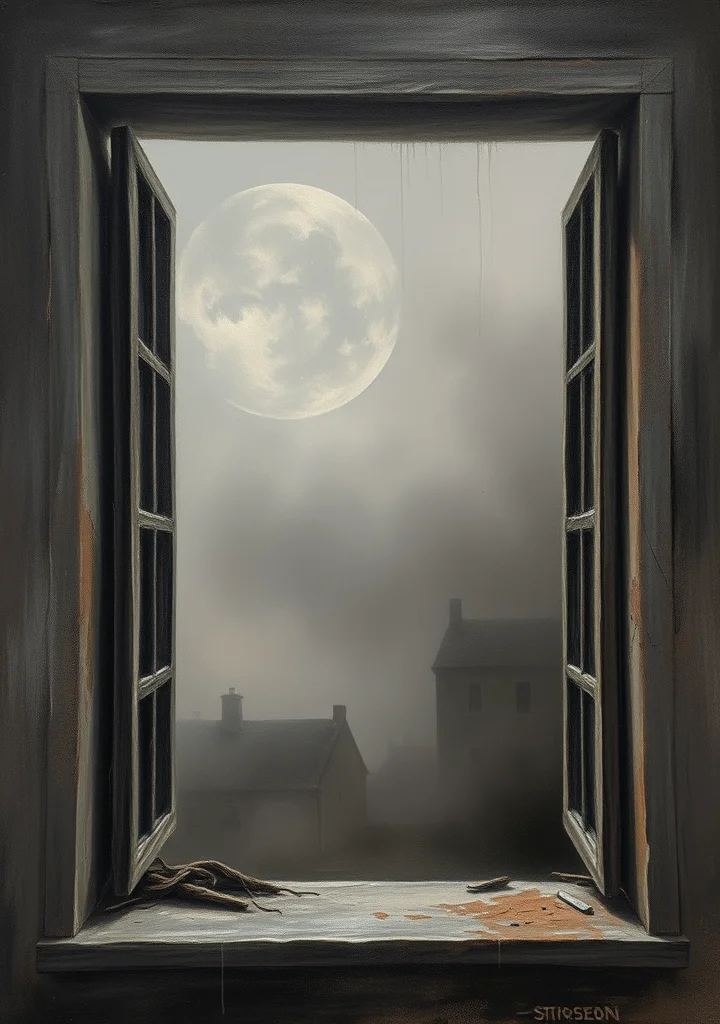
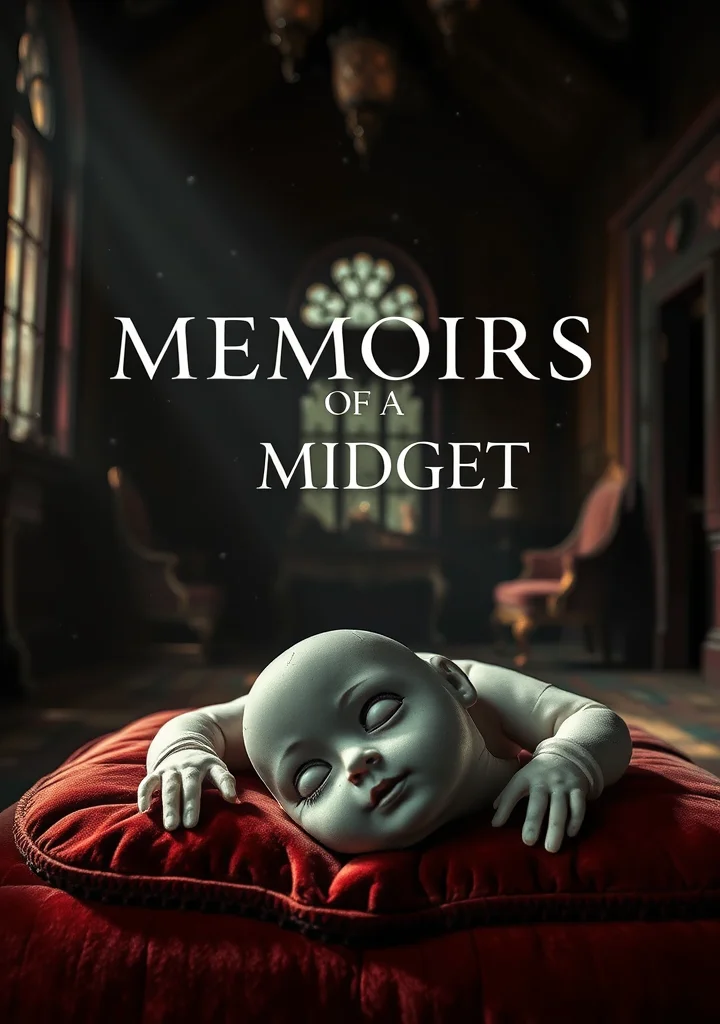
A creeping dread clings to the shadowed corners of a boy’s ascension. Within the stifling grandeur of a European court, young Otto, heir to a crumbling dynasty, finds his life a gilded cage. But this is no simple tale of royal constraint. A sickness—physical, political, and something far older—infests the palace, manifesting in whispered anxieties and the chillingly precise machinations of a physician obsessed with prolonging life beyond its natural end.
The narrative unfolds as a fever dream, blurring the lines between boyhood innocence and the monstrous ambitions of a kingdom built on decay. Every corridor echoes with the weight of tradition, every smile masks a festering resentment. Otto’s world is one of inherited sorrow, where the very air tastes of resignation and the rituals of power are conducted with the hushed reverence afforded to a slow, inevitable rot.
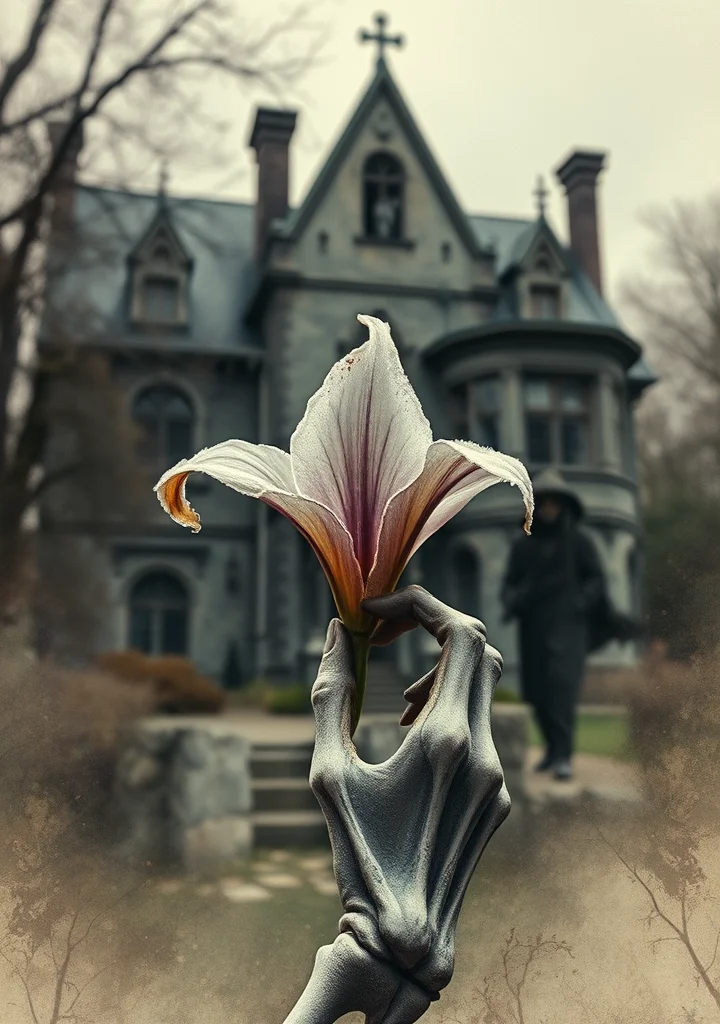
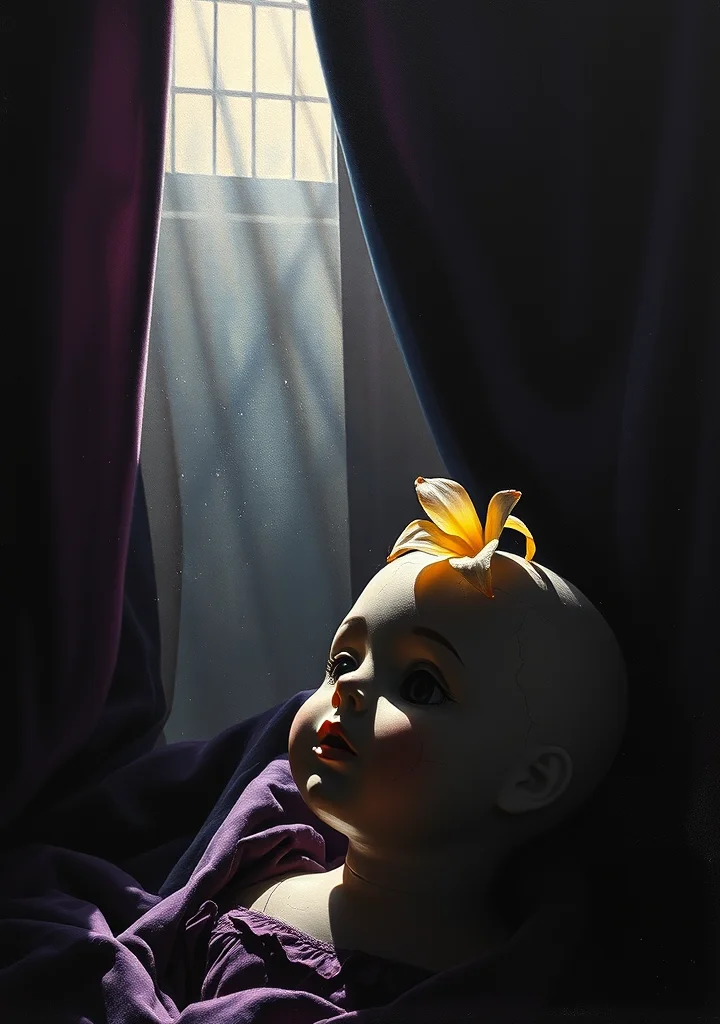
The atmosphere is suffocating, a velvet darkness punctuated by the flickering candlelight of conspiracy. We move with Otto through labyrinthine chambers, haunted by the ghosts of his ancestors and the phantom promises of a future he cannot grasp. It is a story not of grand battles or heroic deeds, but of insidious influence, of a boy’s spirit eroding within the ornate prison of his birthright, until the prince becomes less a person and more a symptom of the kingdom’s own morbid vitality. The scent of lilies and decay permeates every page, promising not salvation, but a descent into a beautifully wrought, suffocating despair.
Copyright: Public Domain
This license allows anyone to use your story for any purpose, including printing, selling, or adapting it into a film freely.
This license allows anyone to use your story for any purpose, including printing, selling, or adapting it into a film freely.
More like this