
The Hairy Ape
  • 81
  • 0
  • 12
  • Reads 81
  • 0
  • Part 12
Completed, First published Mar 02, 2026

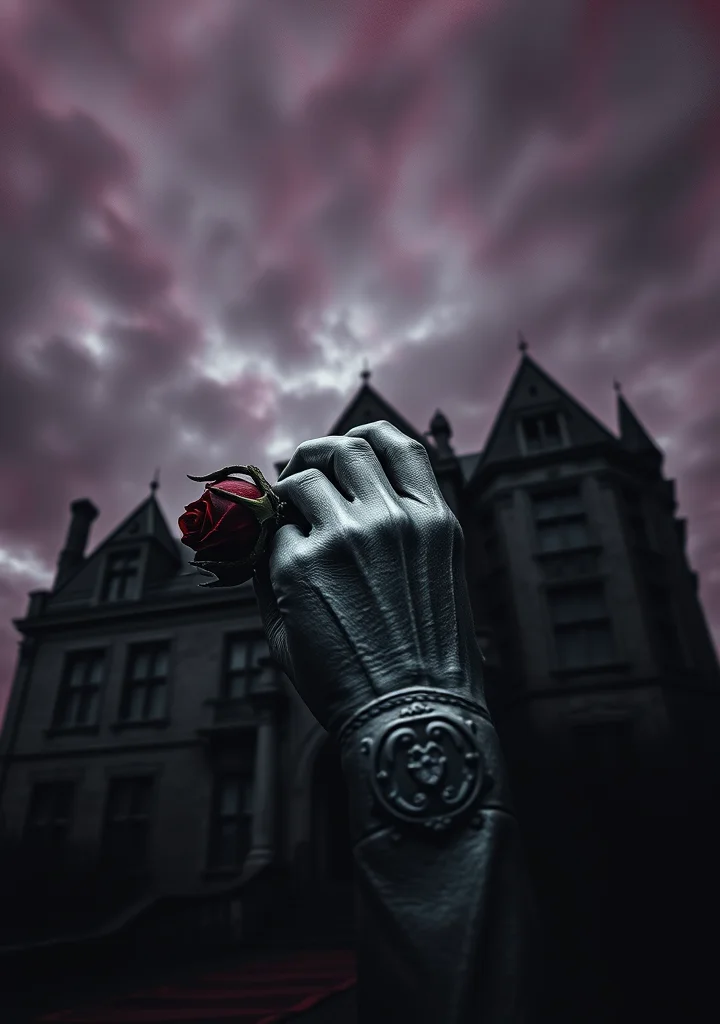
A suffocating dread clings to the steel decks and shadowed machinery of a transatlantic liner, where the brute force of labor grinds against a creeping, animalistic despair. The air itself is thick with coal dust and the greasy tang of engine rooms, mirroring the primal urges stirring within the hulking, ape-like figure of Paddy Donovan. He’s a man reduced to muscle and instinct, a creature of the hold, yet haunted by a phantom touch, a fleeting glimpse of something *other* than grime and iron. The narrative descends into a feverish, claustrophobic descent through the ship’s bowels—a world of flickering gaslight and the rhythmic throb of pistons, echoing the frantic beat of a caged heart. Donovan’s desperate attempts to connect, to *feel* something beyond the metallic clang of his existence, twist into a grotesque parody of yearning. The city above, glimpsed through grates and hatches, becomes a mocking reflection of a humanity he can no longer grasp. He is drawn to the grotesque carnival of the docks, to the desperate, predatory gazes of those who’ve lost their footing in the mire. The narrative bleeds into a brutal, fractured landscape of waterfront dives and shadowy alleys—a world where the ape’s rage finds a chilling resonance in the distorted cries of street preachers and the hollow laughter of the dispossessed. It is a slow, agonizing unraveling, a descent into a feral howl that echoes not with human protest, but with the guttural loneliness of a beast trapped in the ruins of its own making. The final, echoing space is one of concrete and cold, the raw, exposed nerve of a fractured soul finding its final, devastating release.
Copyright: Public Domain
This license allows anyone to use your story for any purpose, including printing, selling, or adapting it into a film freely.
Recommended for you
40 Part
Dust motes dance in the stagnant air of Welch Hall, clinging to the decay like Spanish moss to cypress. The scent of rot and resentment hangs heavy, thicker than the humid Carolina night. A lineage steeped in privilege, brittle with pride, fractures under the weight of a secret – a truth buried in the graveyard beyond the fields, where the bones of the disenfranchised whisper against the stones. This is a story not of ghosts, but of *presences* – the suffocating weight of a past that refuses to stay buried, leaching into the present. The narrative coils tight as a noose around the neck of a dying aristocracy, each chapter a slow unraveling of composure and the cold, calculating logic of vengeance. Shadows stretch long from the grand columns, obscuring the faces of those who claim ownership of the land, while whispers of rebellion stir in the cabins beyond the manicured lawns. It’s a darkness born not of the supernatural, but of the human heart, festering in the humid heat. The air itself feels complicit, a suffocating blanket woven with the silken threads of deception and the coarse fibers of simmering rage. Every rustle of leaves, every crack of a floorboard, echoes with the unspoken accusations of generations. The narrative doesn't simply unfold; it *bleeds* into the landscape, staining the very soil with the crimson residue of injustice. A suffocating dread permeates every sun-drenched porch and darkened hallway, promising a reckoning steeped in the marrow of tradition itself.
19 Part
Beneath the sun-bleached stones of Sicily, a shadow descends. Not of bandits or political intrigue, but a creeping dread woven into the very fabric of ancient villas and crumbling chapels. The narrative unfolds within a labyrinth of sun-drenched courtyards concealing forgotten histories, and the scent of jasmine masking the rot of decaying grandeur. A young Englishwoman, adrift in a land of simmering passions and veiled secrets, finds herself drawn into a family’s fractured legacy—a legacy haunted by whispers of a tragic past. The air hangs thick with the weight of unfulfilled desires, and the heat breeds not just fever, but a suffocating claustrophobia. Each crumbling archway seems to observe, each darkened corridor to breathe with the ghosts of those who succumbed to melancholy. The landscape itself becomes a character—a brutal beauty that both lures and threatens. A slow unraveling of the heroine’s composure occurs as she navigates a treacherous dance between duty and desire, guided by a charismatic nobleman whose own shadow-self is barely contained. The romance, as it blooms, is laced with the venom of suspicion. Every stolen glance, every whispered confession, is shadowed by the possibility of deception. The story is less about the passion between two souls, and more about the suffocating atmosphere that threatens to swallow them both—a suffocating atmosphere born of isolation, ancient curses, and the slow, insidious decay of a noble line. The Sicilian soil itself seems to drink the light, leaving only an eternal twilight clinging to the heart of the story.
12 Part
A creeping dread clings to the Scottish Highlands, a suffocating weight born not of stone and shadow, but of ambition and icy calculation. Buchan doesn’t offer roaring castles or spectral apparitions, but a far more insidious haunting – the slow, deliberate erosion of a man’s soul within the brutal architecture of his own making. The estate of Aird’s Glen isn’t merely a house, but a fortress of will, built upon a foundation of stolen secrets and shadowed deeds. The air within its walls is thick with the scent of peat smoke and the ghosts of fortunes won and lives broken. It’s a place where the very landscape seems to conspire to conceal, and the silence holds a tremor of violence barely contained. Every polished surface, every perfectly aligned stone, reflects a ruthlessness that chills the bone. The narrative doesn’t rush towards a climax, but coils like a viper in the darkness, tightening with each whispered conversation, each carefully placed rumour. The true horror isn’t what is *in* the Powerhouse, but what it *becomes* – a monument to the terrifying elegance of a man who dares to play God amongst the heather and the rain. The oppressive isolation isn't merely geographical, but a suffocating imprisonment within a mind determined to conquer not just land, but the very spirit of the glen itself. It’s a story where the landscape itself is a witness to sin, and the wind carries the lament of those consumed by its ambition.
14 Part
Dust hangs thick in the Louisiana cane fields, mirroring the suffocating secrets that cling to the decaying grandeur of the plantation house. Here, the line between the living and the dead blurs with every whisper of conjure, every flicker of swamp gas rising from the bayou. John Westerly, a white man haunted by ambition and a creeping dread, finds himself entangled with the power of the unseen after his wife’s illness leads him to seek the aid of a root woman, a woman steeped in the old ways. But her healing comes at a price, a debt paid in shadows and steeped in the lore of a people who’ve held onto their magic through generations of bondage. The air is heavy with the scent of jasmine and decay, laced with the metallic tang of fear. Every glance from the enslaved, every rustle in the Spanish moss, carries a weight of unspoken knowledge. The narrative coils around itself like the vines choking the ancient oaks, revealing a slow unraveling of sanity as Westerly descends into a world where his rational mind clashes against the potent reality of folk magic. He’s drawn into a claustrophobic world where the conjured spirits of the enslaved seep into his dreams, and the boundaries of his own identity begin to dissolve into the miasma of the swamp. It’s a world where the shadows lengthen with each passing night, and the price of power is measured not in coin, but in pieces of a soul willingly surrendered to the darkness. The house itself breathes, groaning with the weight of forgotten histories, a silent witness to the bargains struck in the humid Louisiana night.
48 Part
Dust-choked canyons whisper with the ghosts of sun-scorched prayers. Within the crumbling adobe walls, the air hangs thick with the scent of piñon smoke and something older – the weight of stories carved into bone and stone. These are not tales told around hearthfires, but echoes dragged from the mouths of the dead, carried on the rasping breath of the desert wind. Cushing doesn’t offer simple myth; he peels back the layers of Zuni belief, revealing a labyrinth of shadowed kivas and star-haunted mesas. The sun bleeds crimson onto the mesas as Coyote’s trickery unravels the boundaries between worlds. Each story feels less like a recounting and more like an excavation—a digging into the earth to unearth a cold, pulsing heart of ancestral memory. The narrative is fractured, possessed by the spirit of the storyteller, a man lost in the labyrinth of the Zuni world. The beauty is brittle, laced with the desperation of a people clinging to their past as the white man’s shadow lengthens. It’s a haunting, a slow rot of tradition, observed with a scholar's detachment and yet steeped in an unnerving intimacy with the spirits of the place. The reader is not simply told of the Zuni world—they are *held* within it, gasping for air in the suffocating darkness of the kivas, and witnessing the dance of the dead under a moon of bleached bone. This is not folklore, but a descent into a ritualistic dreamscape where the line between the living and the vanished dissolves into sand.