
The Conjure Woman
  • 64
  • 0
  • 14
  • Reads 64
  • 0
  • Part 14
Completed, First published Mar 02, 2026

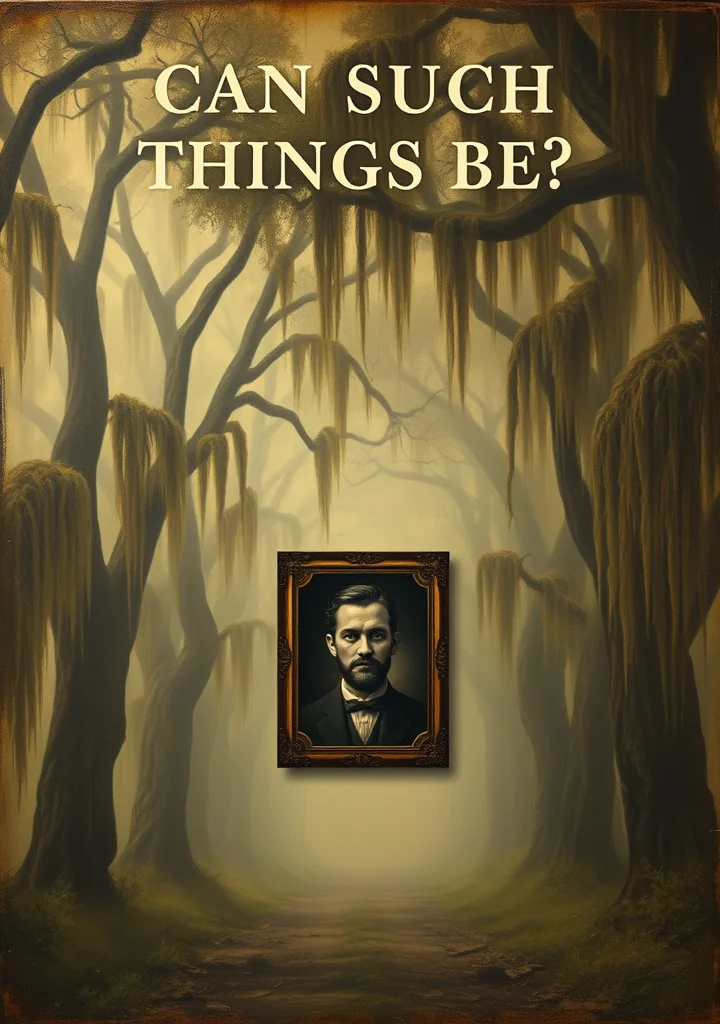
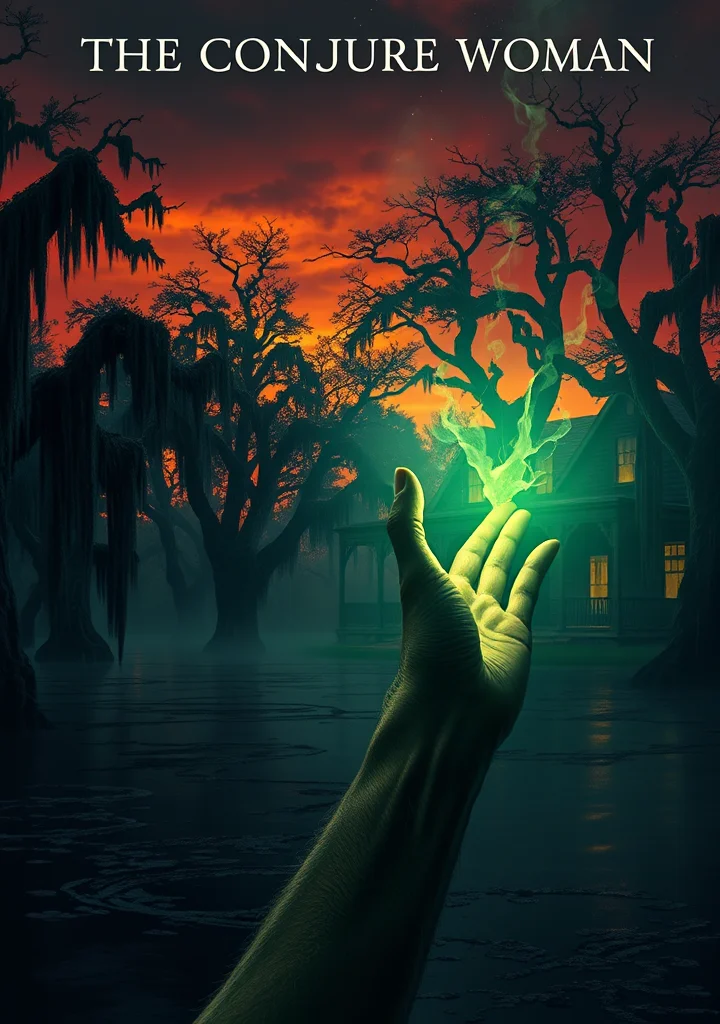
Dust hangs thick in the Louisiana cane fields, mirroring the suffocating secrets that cling to the decaying grandeur of the plantation house. Here, the line between the living and the dead blurs with every whisper of conjure, every flicker of swamp gas rising from the bayou. John Westerly, a white man haunted by ambition and a creeping dread, finds himself entangled with the power of the unseen after his wife’s illness leads him to seek the aid of a root woman, a woman steeped in the old ways. But her healing comes at a price, a debt paid in shadows and steeped in the lore of a people who’ve held onto their magic through generations of bondage. The air is heavy with the scent of jasmine and decay, laced with the metallic tang of fear. Every glance from the enslaved, every rustle in the Spanish moss, carries a weight of unspoken knowledge. The narrative coils around itself like the vines choking the ancient oaks, revealing a slow unraveling of sanity as Westerly descends into a world where his rational mind clashes against the potent reality of folk magic. He’s drawn into a claustrophobic world where the conjured spirits of the enslaved seep into his dreams, and the boundaries of his own identity begin to dissolve into the miasma of the swamp. It’s a world where the shadows lengthen with each passing night, and the price of power is measured not in coin, but in pieces of a soul willingly surrendered to the darkness. The house itself breathes, groaning with the weight of forgotten histories, a silent witness to the bargains struck in the humid Louisiana night.


Copyright: Public Domain
This license allows anyone to use your story for any purpose, including printing, selling, or adapting it into a film freely.
Recommended for you
5 Part
Dust motes dance in the echoing halls of Vathek, a gilded cage of decadence built upon the bones of ambition. The story unfurls not as a simple journey, but as a slow, suffocating descent into a nightmare of Eastern opulence and ancient, malevolent power. Beckoff’s prose breathes with the stifling perfume of jasmine and decay, weaving a tapestry of shadows where the line between reality and hallucination dissolves. The desert stretches, a silent, sun-bleached witness to Vathek’s relentless pursuit of forbidden knowledge. Each chamber encountered within his vast domain whispers of forgotten sorceries, echoing with the lament of djinn and the cold touch of spectral guardians. A creeping dread permeates the narrative, not from overt horror, but from a subtle erosion of sanity as Vathek, driven by hubris, unravels the very fabric of his existence. The atmosphere is one of exquisite torment, a claustrophobic grandeur where pleasure curdles into despair. It is a story steeped in the scent of burning incense and the weight of ancestral curses, where every indulgence draws Vathek closer to a chasm of cosmic indifference. The narrative chills with the realization that the true terrors lie not in the supernatural, but in the monstrous potential within the human heart, consumed by its own insatiable desires. It is a descent into a darkness not of demons, but of the self, mirrored in the endless, desolate landscapes that mirror the fracturing of a soul.
26 Part
Dust motes dance in the perpetual twilight of Blackwood Penitentiary, where Elias Thorne, a cartographer of forgotten grief, meticulously charts the unraveling minds of the condemned. He doesn’t map territories of land, but the labyrinthine landscapes of despair etched onto the letters of the dead – missives intercepted from beyond the veil, penned by those who’ve tasted oblivion. Each spectral script is a fragment of a final reckoning, a whispered confession bleeding through the paper like ichor. The prison itself breathes with a cold, damp sorrow, the stones weeping with the memories of generations swallowed by its maw. Thorne believes the letters aren’t simply *about* death, but *from* it – echoes of fractured souls attempting to rebuild themselves from the wreckage of their final moments. But as he deciphers their chilling prose, a pattern emerges: a recurring symbol, a name whispered in every fractured script, and a creeping realization that Blackwood isn’t merely holding the dead, but *creating* them. The air thickens with the scent of decay and regret. Shadows cling to the corners of Thorne’s workshop, mirroring the shapes of his own unraveling sanity. He’s not just reading the dead’s last words; he’s becoming possessed by their final, suffocating breaths. The prison isn’t just a place of confinement; it's a crucible where the boundaries between the living and the dead dissolve, and the letters become keys to a descent into a darkness that consumes all who dare to decipher its secrets. The silence isn’t empty, but pregnant with the screams of those lost within the stone, waiting to be reborn from the ink of forgotten letters.
29 Part
Dust devils dance across a land bleached bone-white under a merciless sun, mirroring the ghosts that haunt the Oklahoma Territory. Cimarron unfolds not as a chronicle of westward expansion, but as a slow unraveling of dreams swallowed by the prairie’s vast indifference. The scent of sage and decay clings to the weathered timbers of the Ysobel family’s hacienda, a crumbling testament to a Spanish heritage decaying alongside the land itself. Each generation feels the weight of the wind’s mournful howl, the land’s relentless claim on those who dare to build upon it. The narrative is steeped in the amber light of dying embers, the shadows of ambition stretching long and skeletal across the plains. A suffocating heat rises not just from the earth, but from the simmering resentments and buried betrayals within the family. The story doesn't celebrate conquest, but the erosion of certainty, the quiet fracturing of lives against the unforgiving backdrop of a landscape that both promises and denies salvation. It's a tale of inheritance built on quicksand, where the boundaries between ownership and obsession blur until all that remains is a haunting echo of what was lost – a legacy of sun-baked desperation and the slow, creeping realization that even the most stubborn roots can be torn free by the relentless prairie wind. The silence between chapters is thick with the grit of dust and the weight of unfulfilled promises, a land breathing with the loneliness of forgotten souls.