
-
Read 329
-
0
-
Part 33
Completed, First published Mar 02, 2026
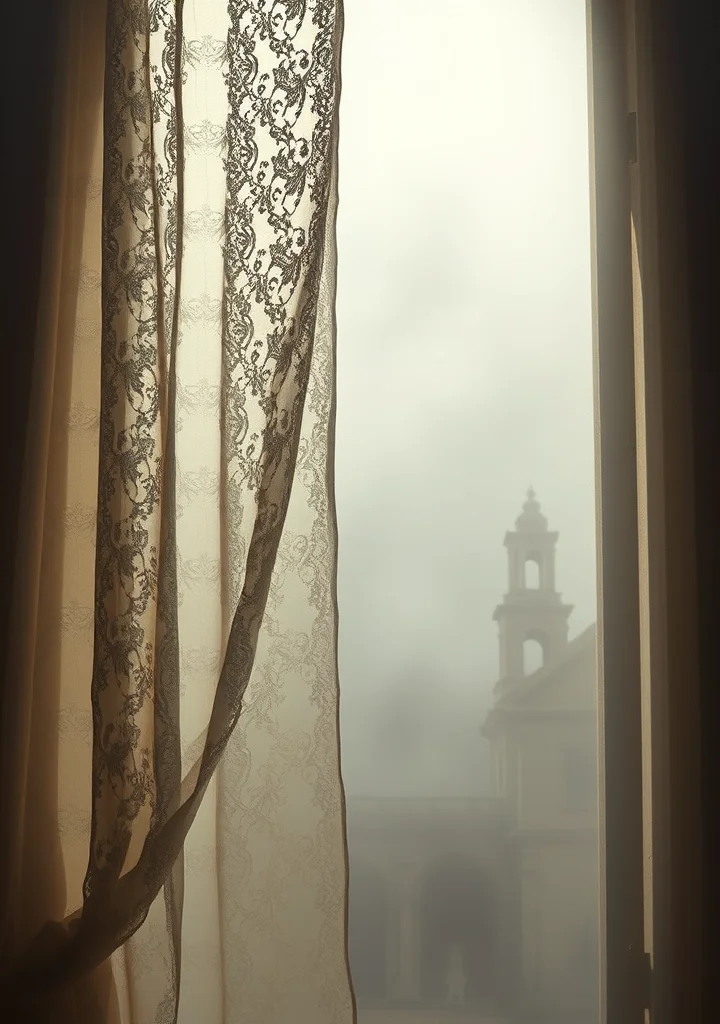
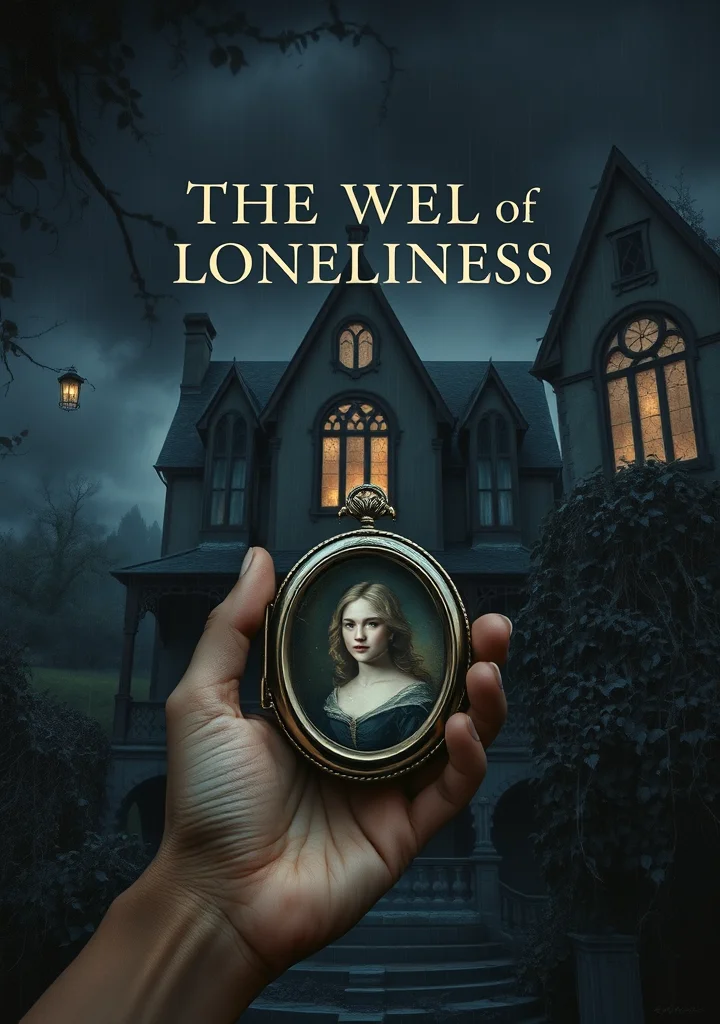
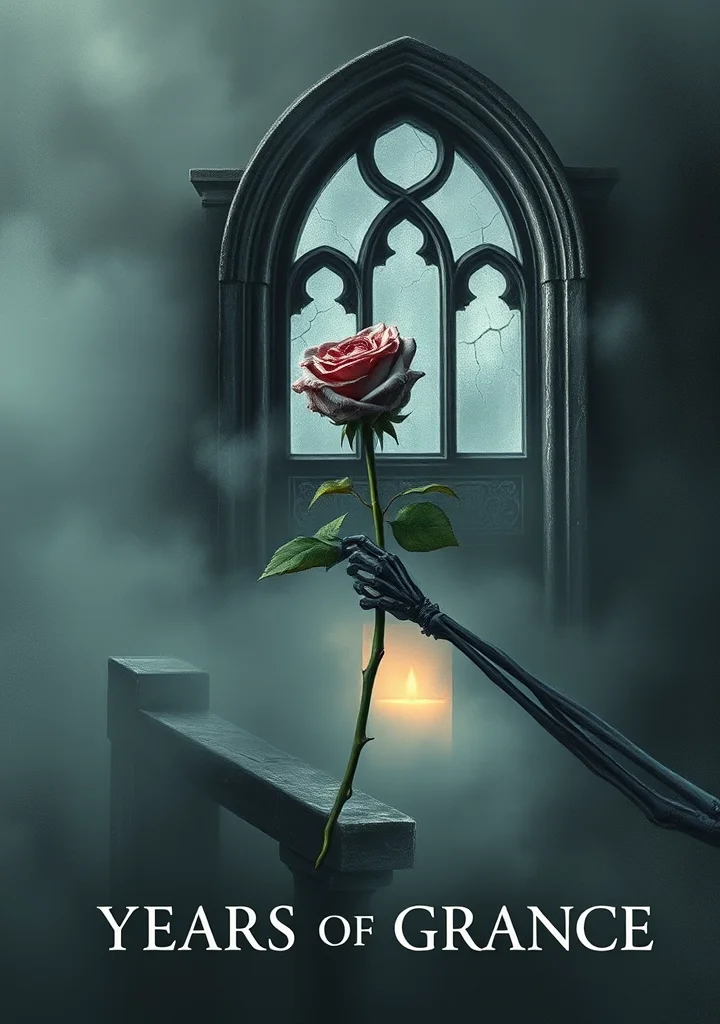
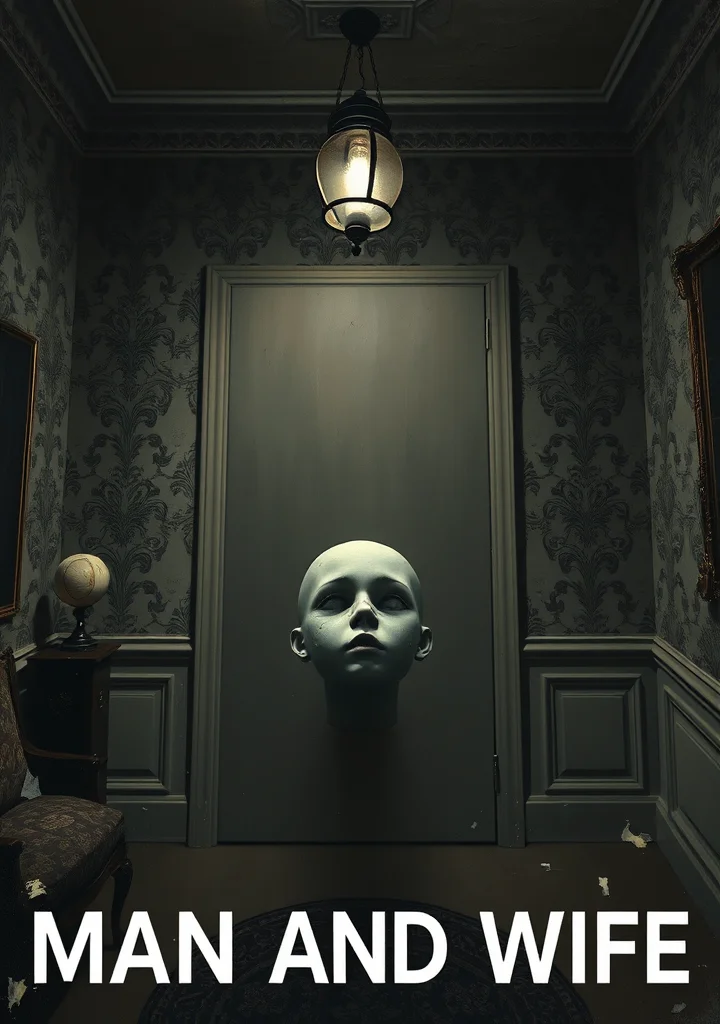
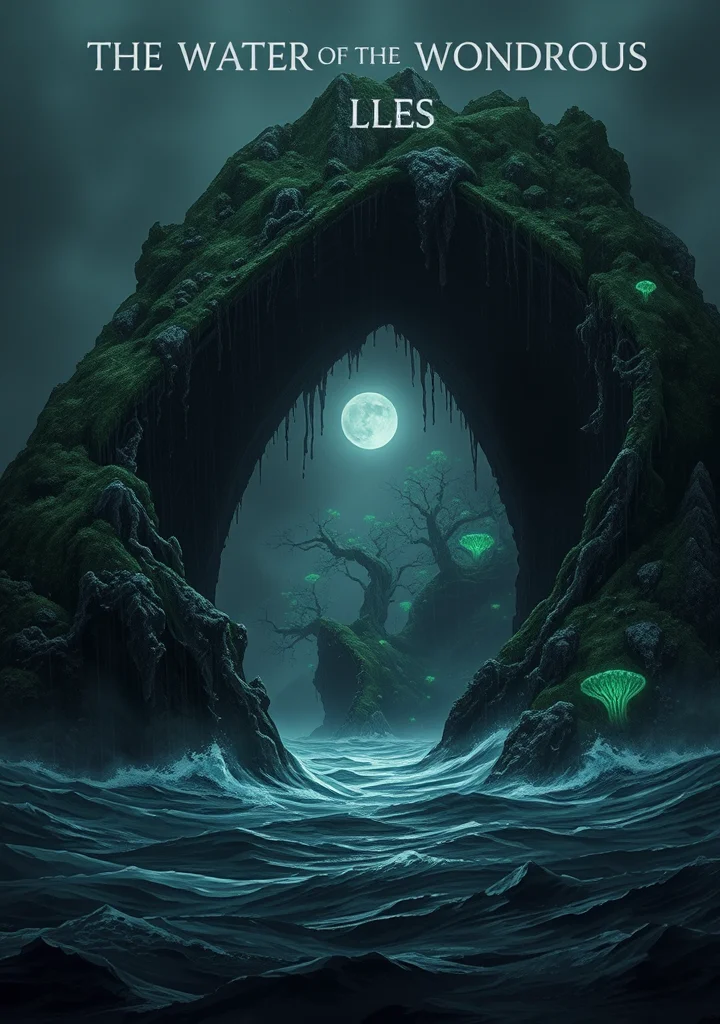
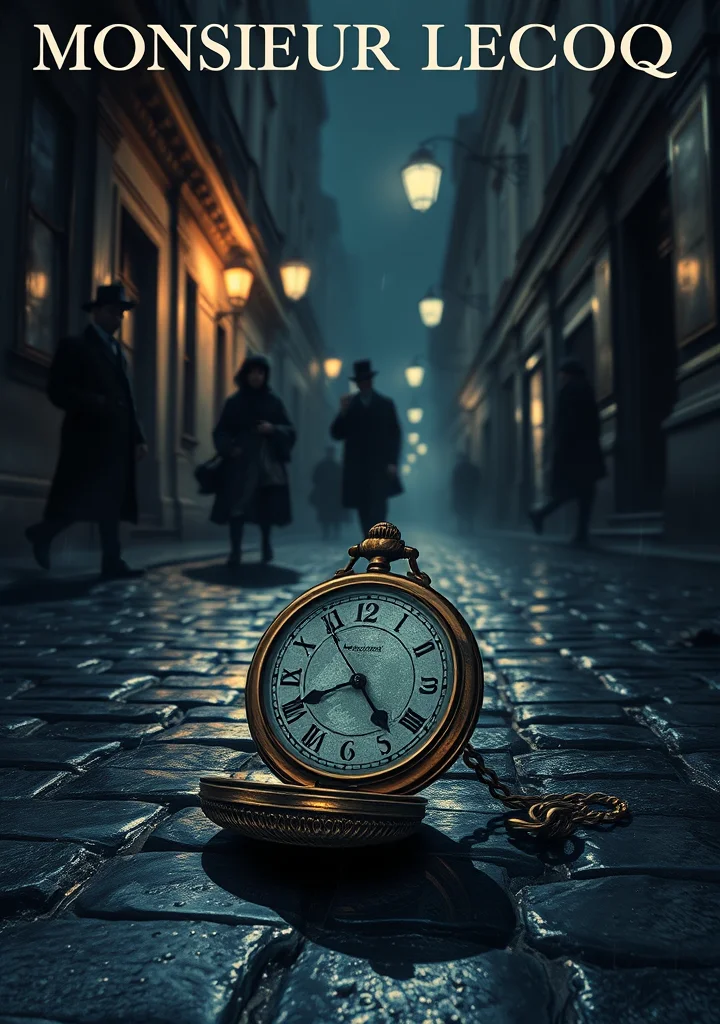
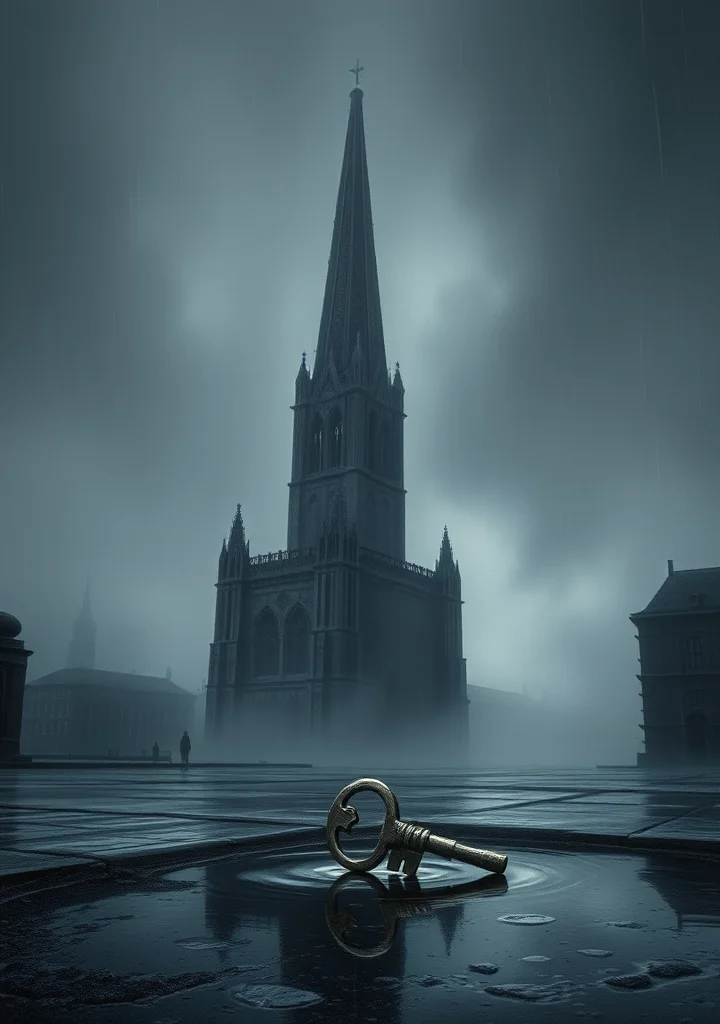
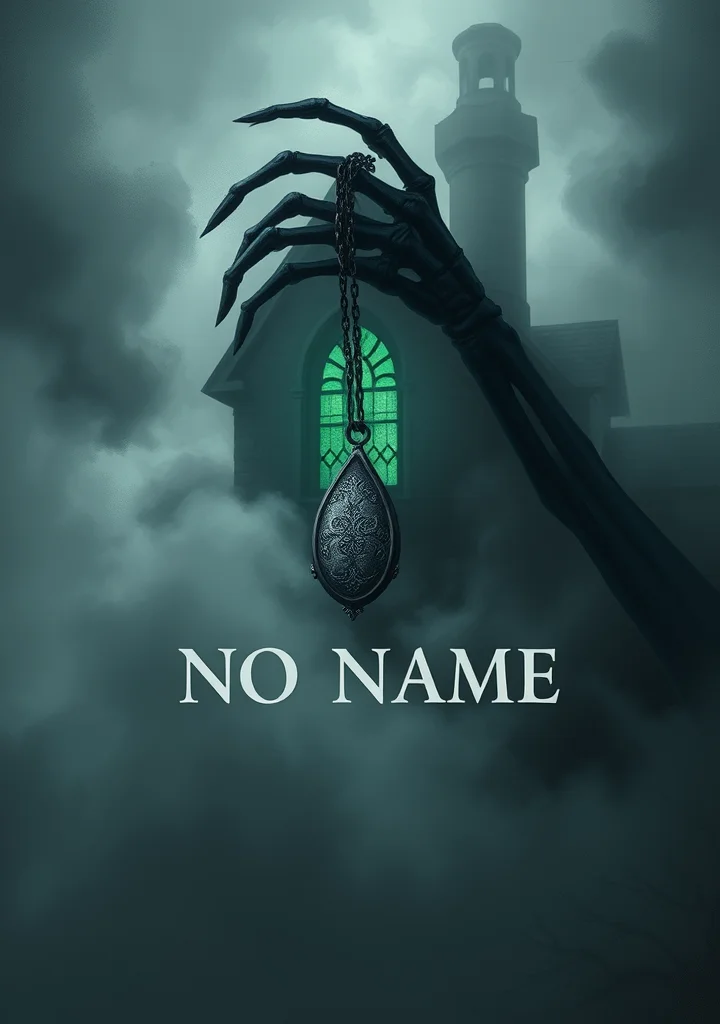
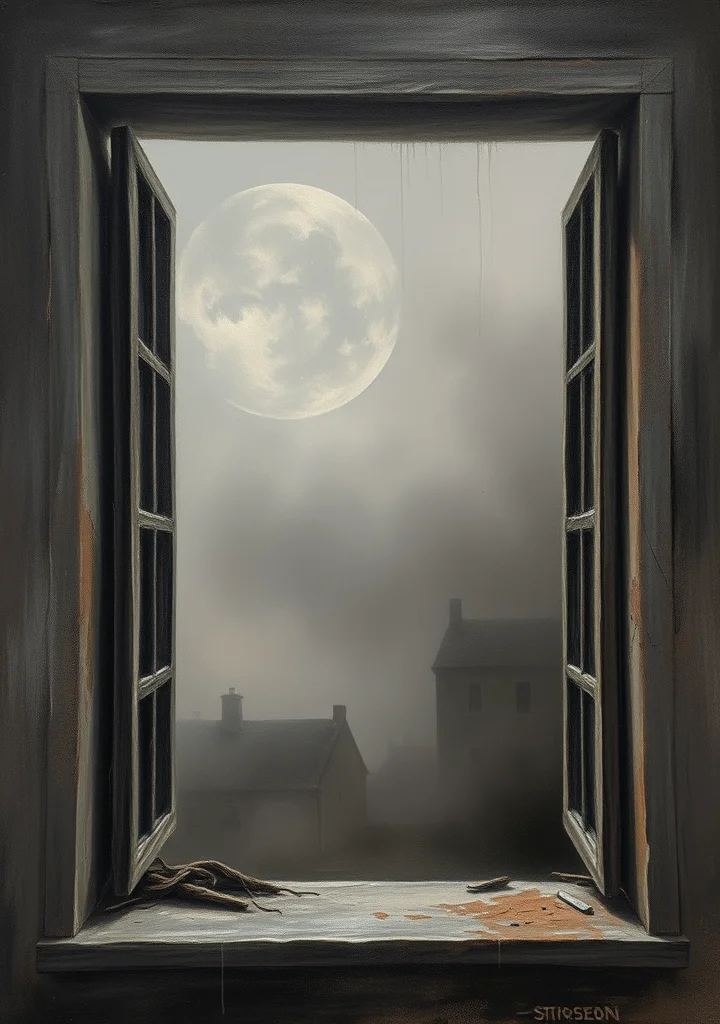
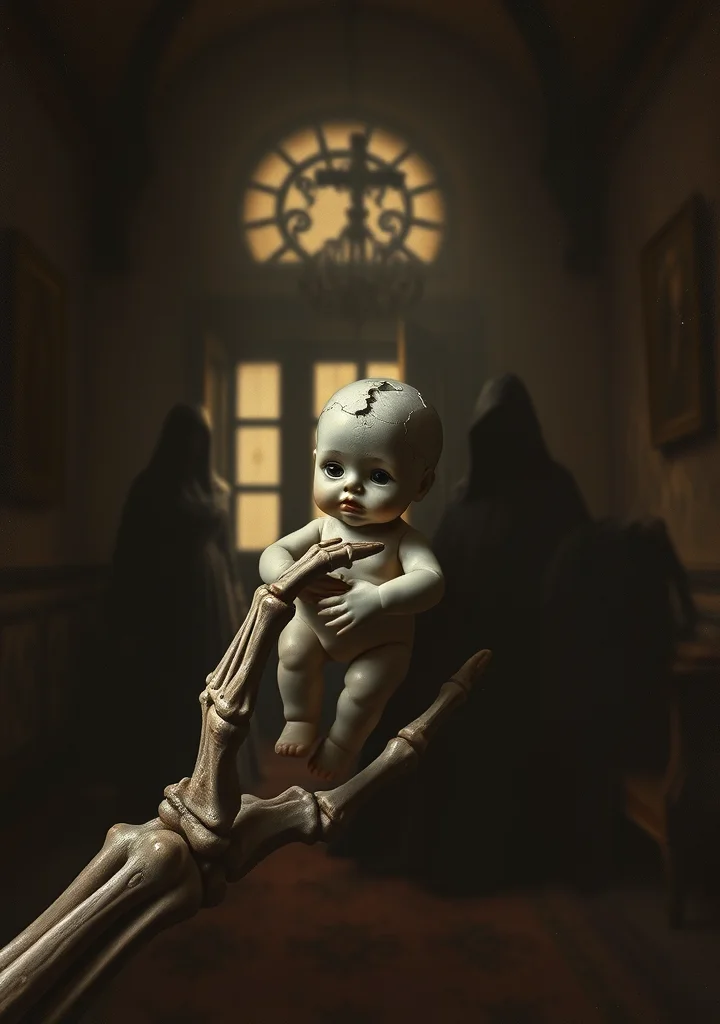
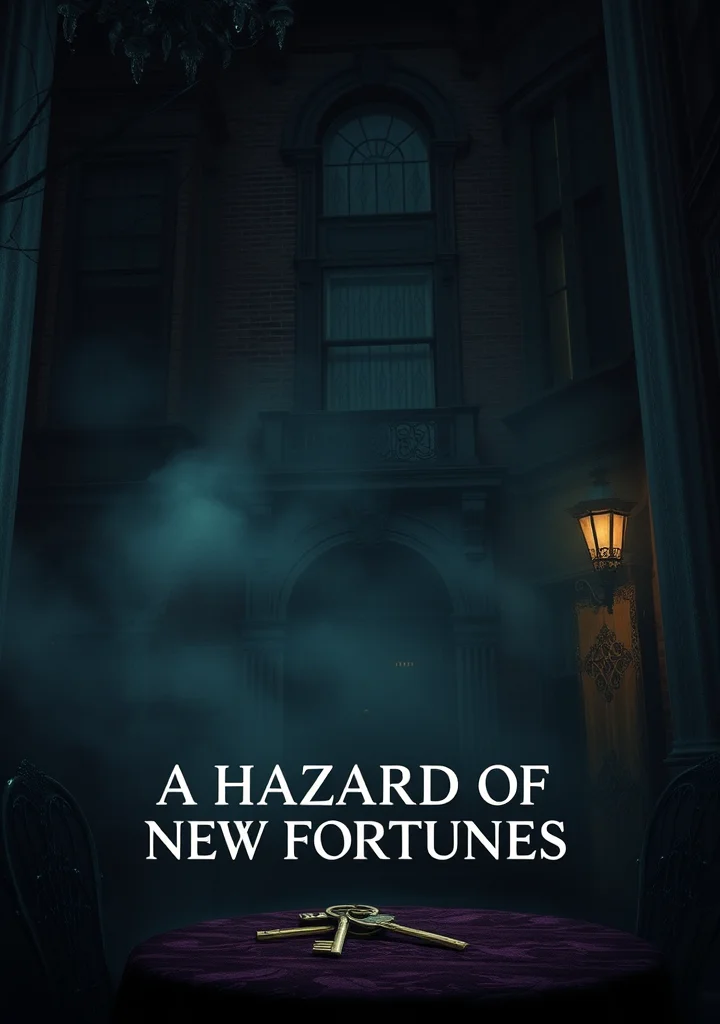
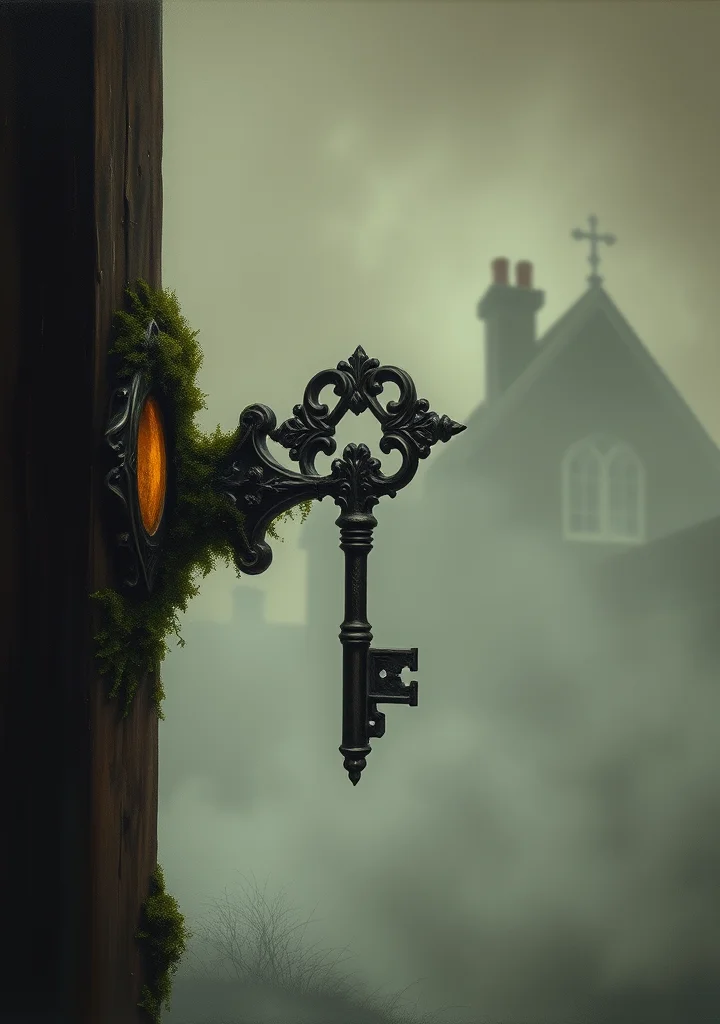
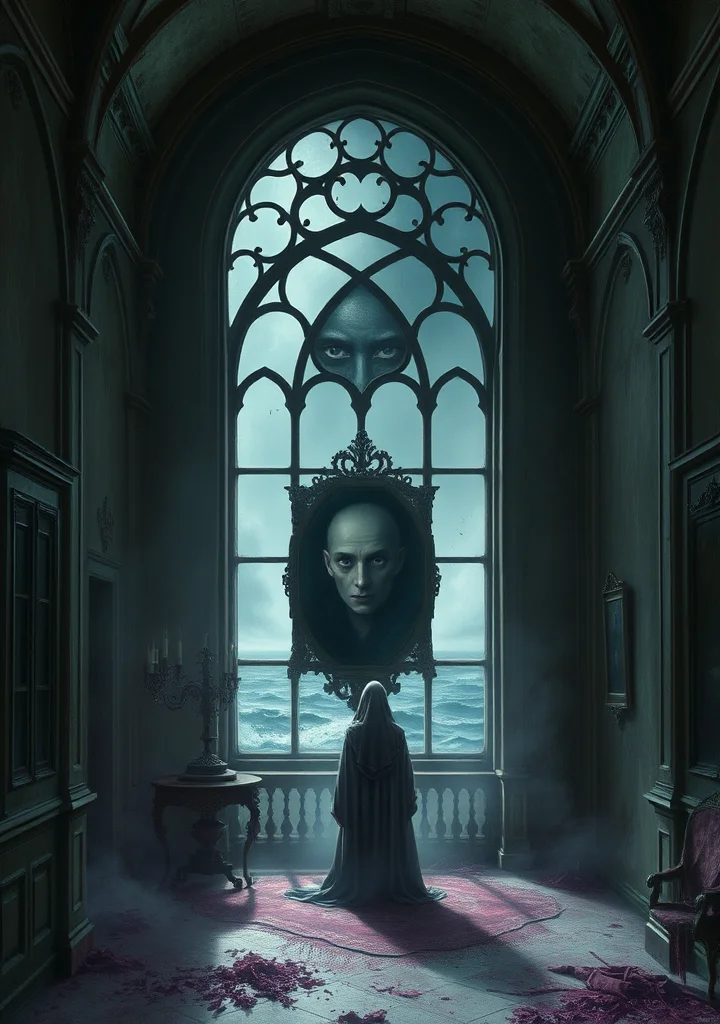
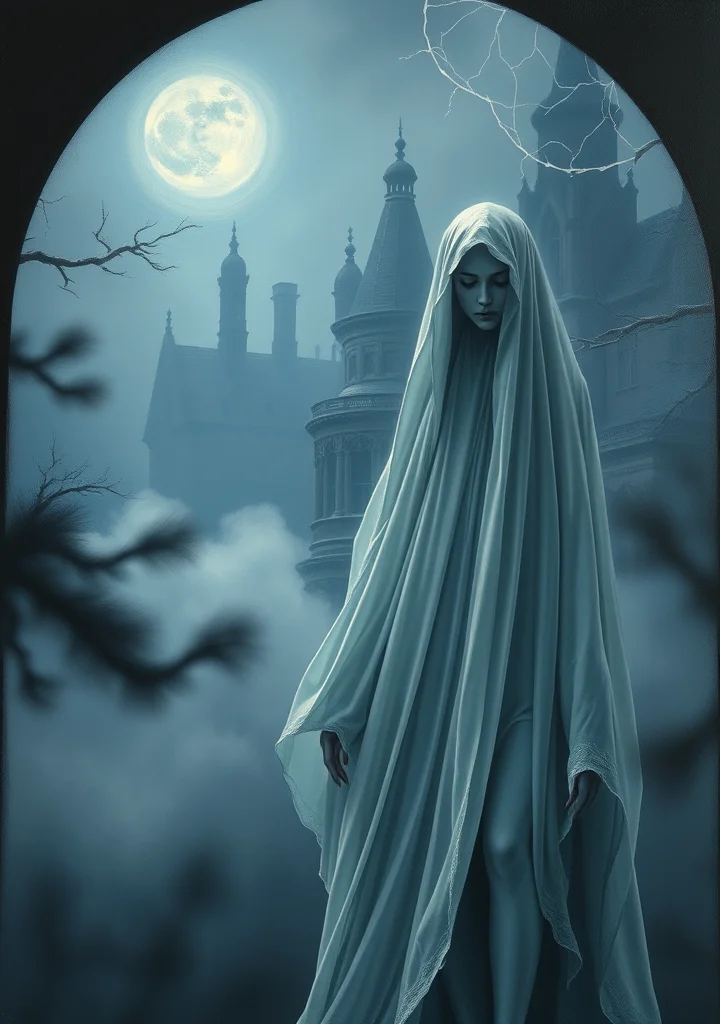
A creeping dread clings to the salt-laced air of the Northumbrian coast. Here, amidst crumbling stone and wind-whipped heather, Elspeth arrives as the new bride to a man she barely knows, a man shadowed by whispers and the ghosts of his lineage. The manor, Blackhaven, isn’t merely isolated—it *absorbs* sound, muffling laughter into sighs and turning sunlight into bruised twilight. Each room exhales the scent of damp earth and forgotten grief.
Elspeth’s marriage isn't a joining of hands, but a surrender to the manor’s slow, possessive embrace. Her husband, Alistair, is a man of silences, his eyes reflecting the grey of the sea, his touch cold as winter stone. She’s drawn into the local lore—stories of drowned maidens, spectral hounds, and a bride who vanished into the bogs a generation past.
The nights bleed into one another, punctuated by the mournful cry of seabirds and the unsettling rhythm of waves against the cliffs. Elspeth begins to suspect the manor itself has chosen her, not Alistair. That Blackhaven isn't merely a house, but a waiting thing, hungry for another soul to weave into its tapestry of sorrow. The further she delves into the history of Blackhaven, the more she understands that her arrival wasn't a chance occurrence, but a culmination of a dark, patient yearning—a lure into a labyrinth of sea-grey shadows and the suffocating weight of ancestral secrets.
Copyright: Public Domain
This license allows anyone to use your story for any purpose, including printing, selling, or adapting it into a film freely.
This license allows anyone to use your story for any purpose, including printing, selling, or adapting it into a film freely.
Chapter List
-
« The Faraway Bride »📖 Continue Reading
-
« AuthorтАЩs Note »
-
« AuthorтАЩs Request to Reader »
-
« The Faraway Bride »
-
« I »
-
« II »
-
« III »
-
« IV »
-
« V »
-
« VI »
-
« VII »
-
« VIII »
-
« IX »
-
« X »
-
« XI »
-
« XII »
-
« XIII »
-
« XIV »
-
« Appendix »
-
« I »
-
« II »
-
« III »
-
« IV »
-
« V »
-
« VI »
-
« VII »
-
« VIII »
-
« IX »
-
« X »
-
« XI »
-
« XII »
-
« XIII »
-
« XIV »
33
-
« The Faraway Bride »
-
« AuthorтАЩs Note »
-
« AuthorтАЩs Request to Reader »
-
« The Faraway Bride »
-
« I »
-
« II »
-
« III »
-
« IV »
-
« V »
-
« VI »
-
« VII »
-
« VIII »
-
« IX »
-
« X »
-
« XI »
-
« XII »
-
« XIII »
-
« XIV »
-
« Appendix »
-
« I »
-
« II »
-
« III »
-
« IV »
-
« V »
-
« VI »
-
« VII »
-
« VIII »
-
« IX »
-
« X »
-
« XI »
-
« XII »
-
« XIII »
-
« XIV »
More like this