
-
Read 248
-
0
-
Part 19
Completed, First published Mar 02, 2026
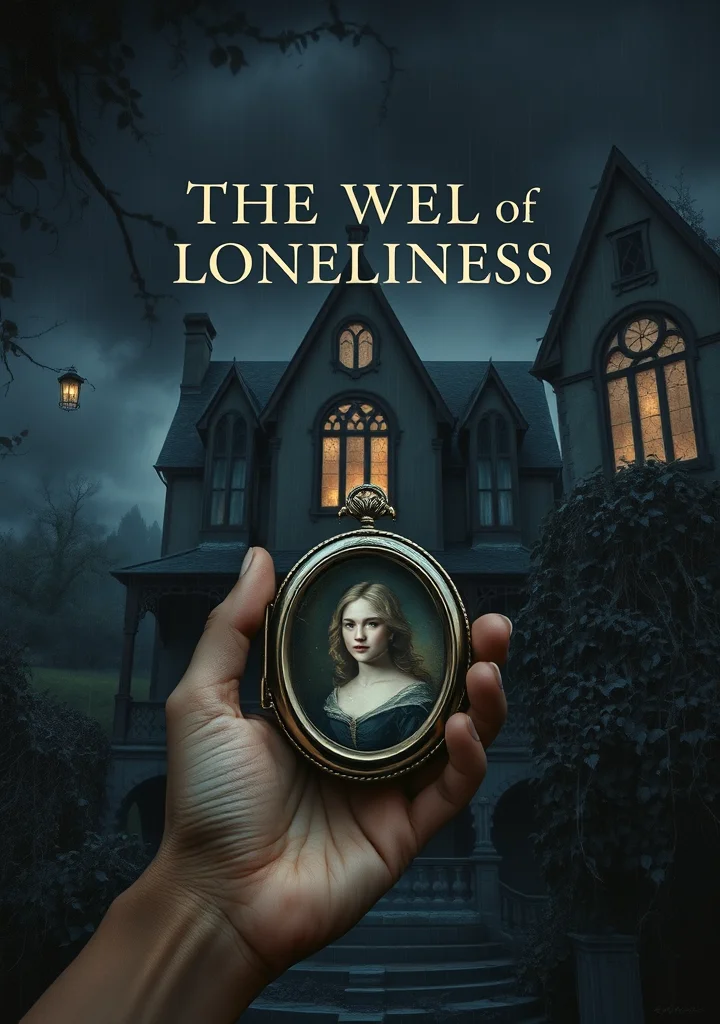
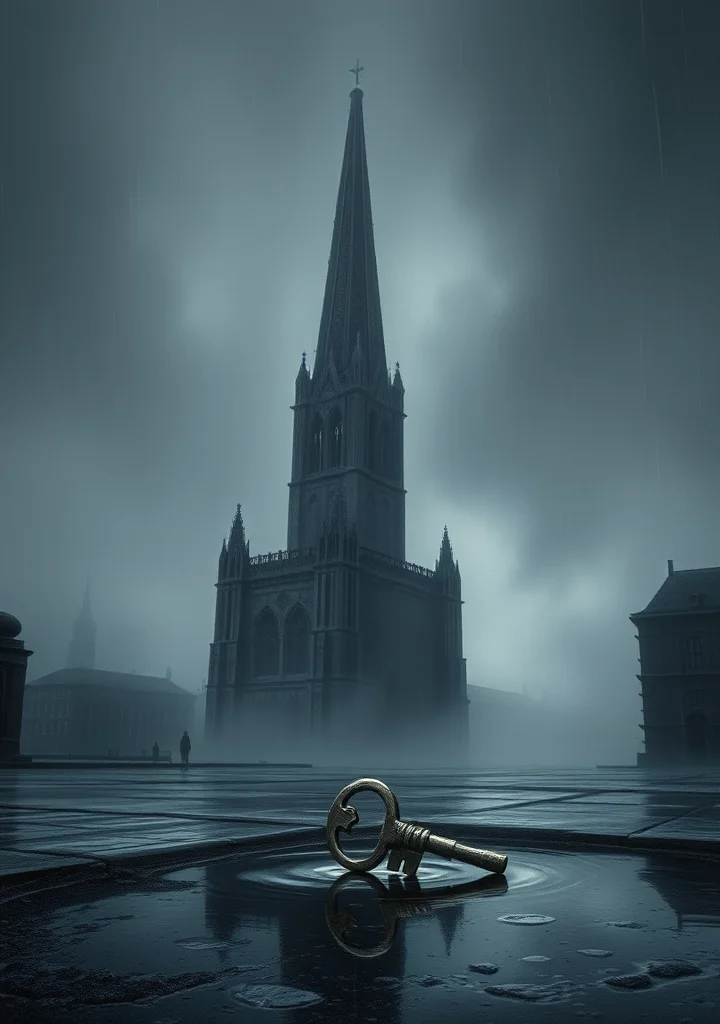
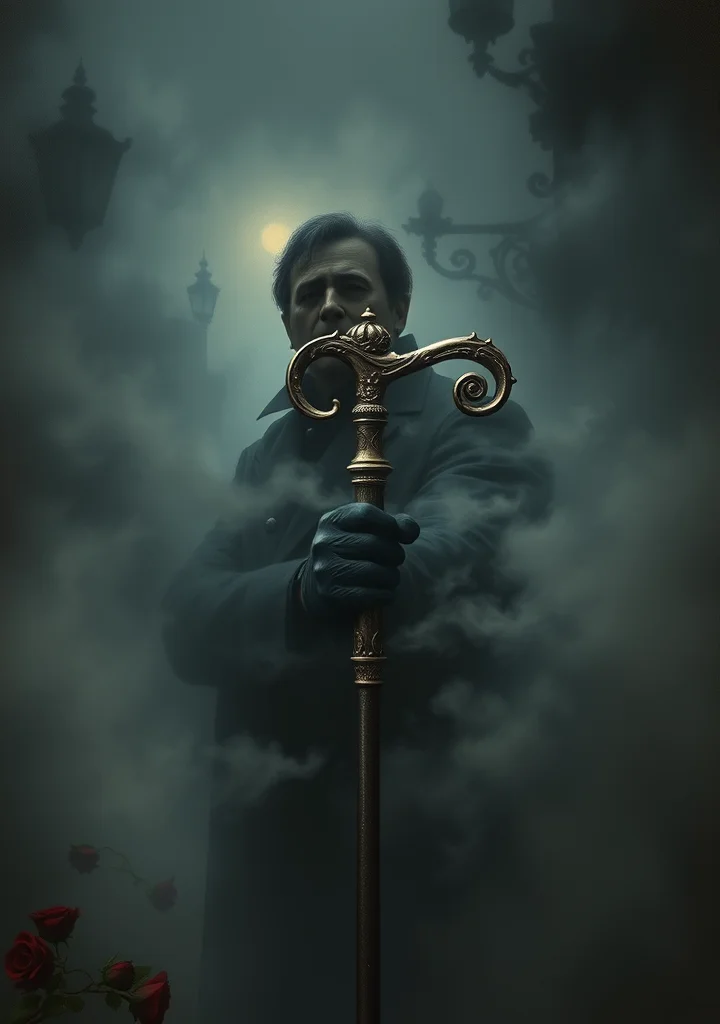
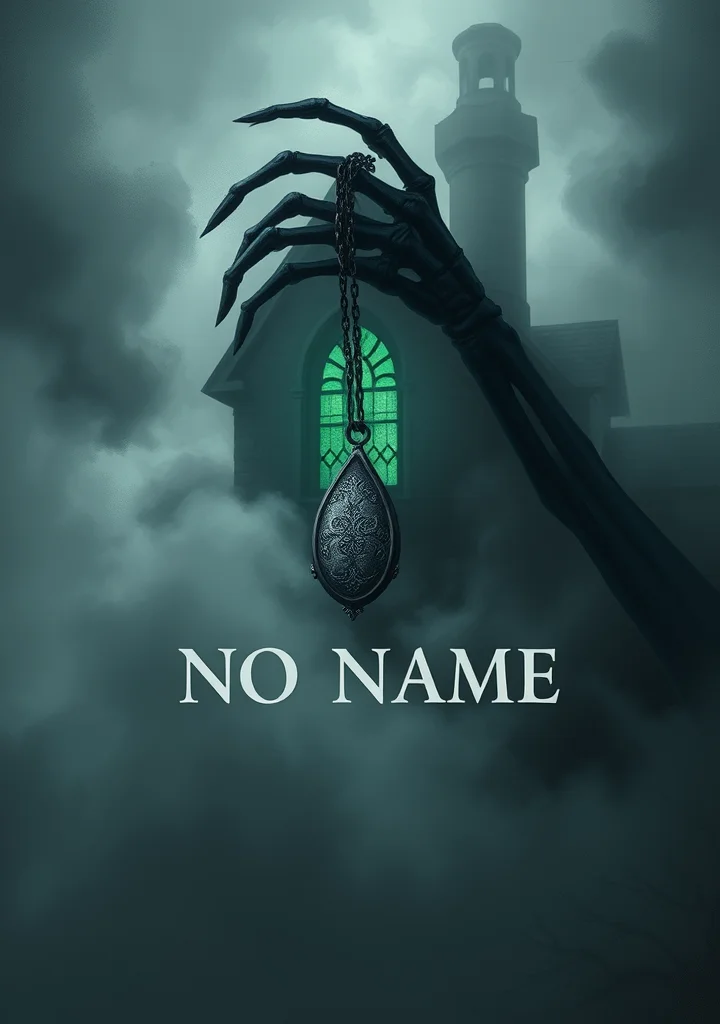
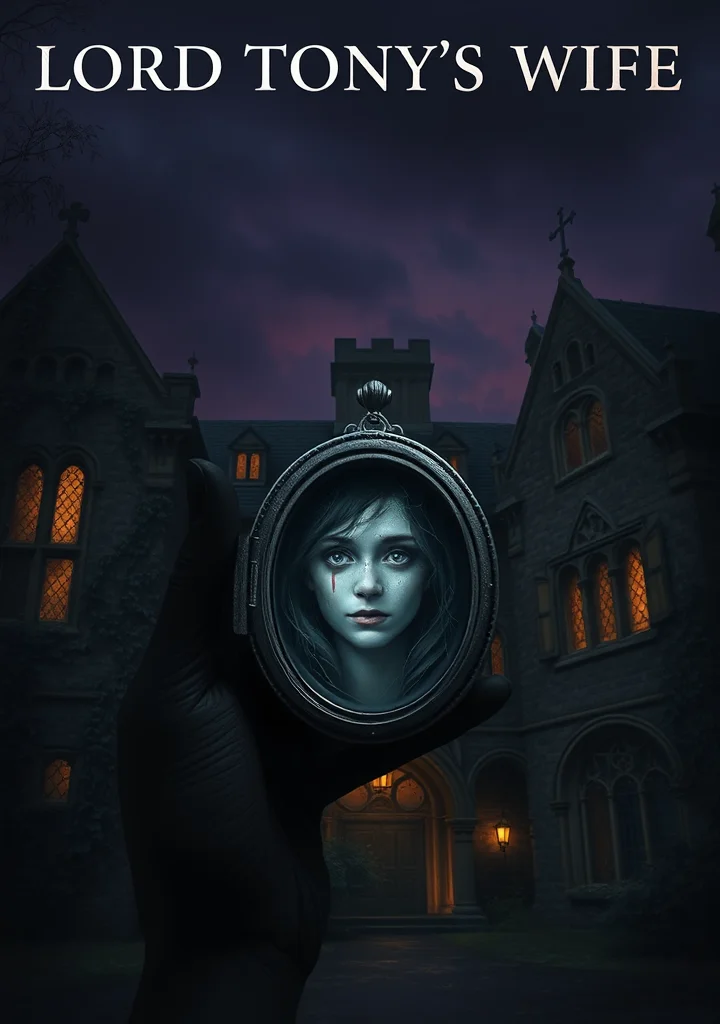
A creeping dread clings to the fog-choked streets of London, mirrored in the slow unraveling of William, a man adrift in the shadowed aftermath of a singular, devastating grief. Hamilton doesn't offer spectacle, but a suffocating intimacy with despair. The narrative coils like smoke around the memory of a lost love, poisoning William’s present with the phantom touch of what *was*. It isn't a ghost story of rattling chains and spectral apparitions, but a chilling study in the decay of a man’s spirit—the insidious rot of loneliness, the suffocating weight of unanswered questions. The city itself becomes a character, a labyrinth of brick and shadow that swallows William whole, amplifying his isolation. Every encounter, every fleeting observation, is filtered through a haze of melancholy, warping the mundane into something monstrously fragile. The novel breathes with a quiet desperation, a desperate reaching for connection in a world where even the most familiar faces seem veiled in a perpetual, mournful twilight. It’s a study in the unraveling of a life, not through dramatic incident, but through the quiet erosion of hope, leaving behind only the hollow shell of a man haunted by the echo of a love he can no longer name, nor escape.
Copyright: Public Domain
This license allows anyone to use your story for any purpose, including printing, selling, or adapting it into a film freely.
This license allows anyone to use your story for any purpose, including printing, selling, or adapting it into a film freely.
More like this