
The Powerhouse
  • 85
  • 0
  • 12
  • Reads 85
  • 0
  • Part 12
Completed, First published Mar 02, 2026

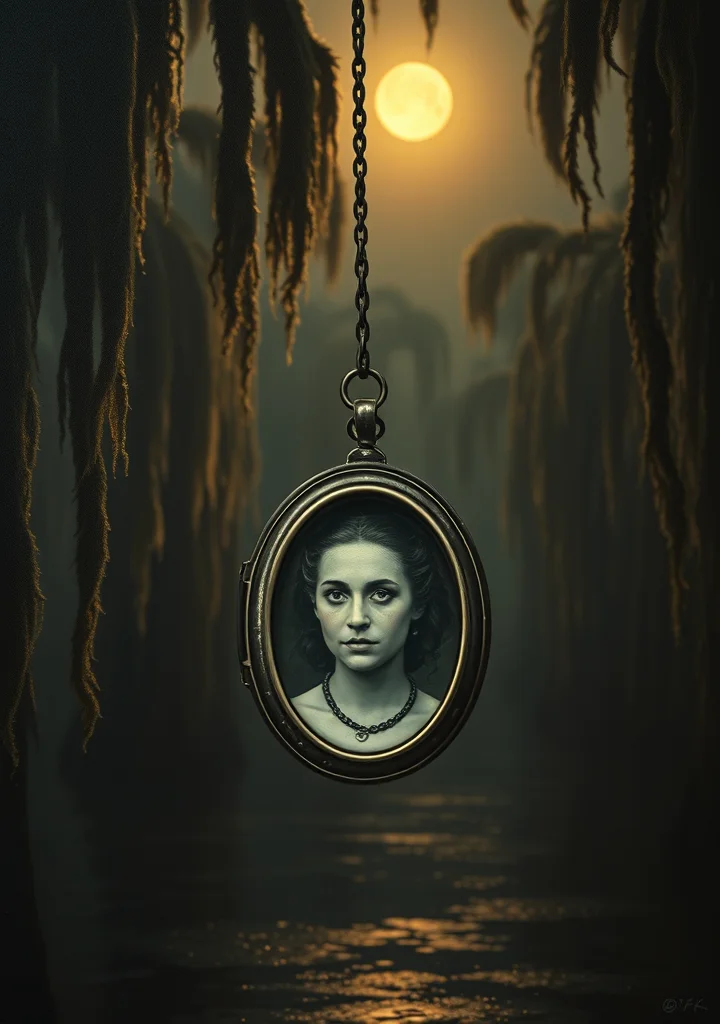
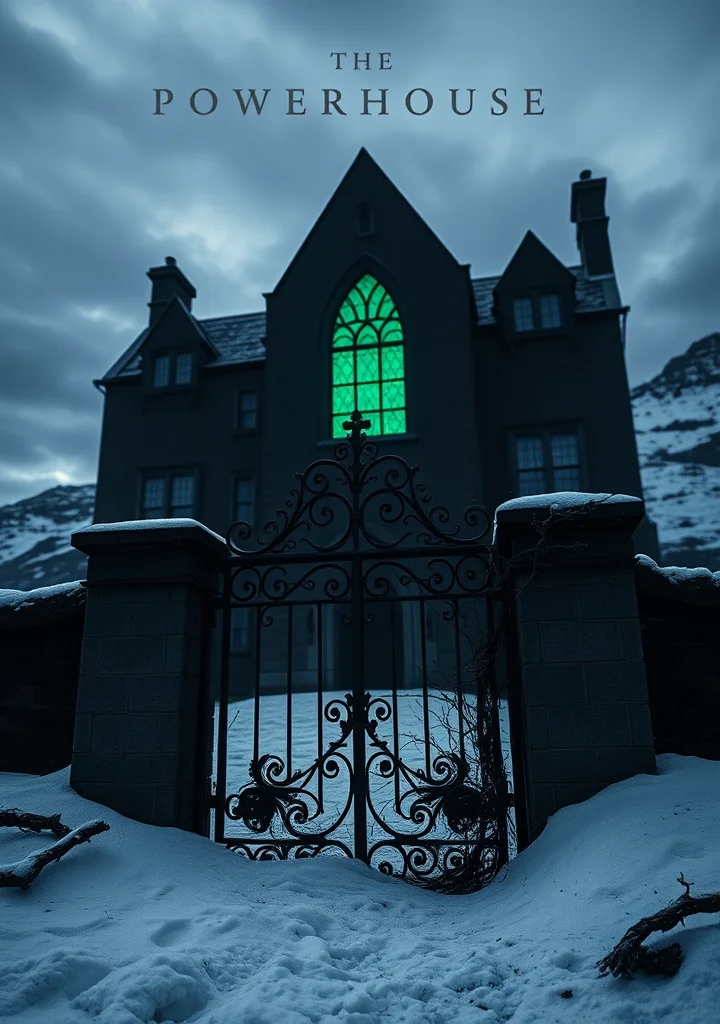
A creeping dread clings to the Scottish Highlands, a suffocating weight born not of stone and shadow, but of ambition and icy calculation. Buchan doesn’t offer roaring castles or spectral apparitions, but a far more insidious haunting – the slow, deliberate erosion of a man’s soul within the brutal architecture of his own making. The estate of Aird’s Glen isn’t merely a house, but a fortress of will, built upon a foundation of stolen secrets and shadowed deeds. The air within its walls is thick with the scent of peat smoke and the ghosts of fortunes won and lives broken. It’s a place where the very landscape seems to conspire to conceal, and the silence holds a tremor of violence barely contained. Every polished surface, every perfectly aligned stone, reflects a ruthlessness that chills the bone. The narrative doesn’t rush towards a climax, but coils like a viper in the darkness, tightening with each whispered conversation, each carefully placed rumour. The true horror isn’t what is *in* the Powerhouse, but what it *becomes* – a monument to the terrifying elegance of a man who dares to play God amongst the heather and the rain. The oppressive isolation isn't merely geographical, but a suffocating imprisonment within a mind determined to conquer not just land, but the very spirit of the glen itself. It’s a story where the landscape itself is a witness to sin, and the wind carries the lament of those consumed by its ambition.

Copyright: Public Domain
This license allows anyone to use your story for any purpose, including printing, selling, or adapting it into a film freely.
Recommended for you
46 Part
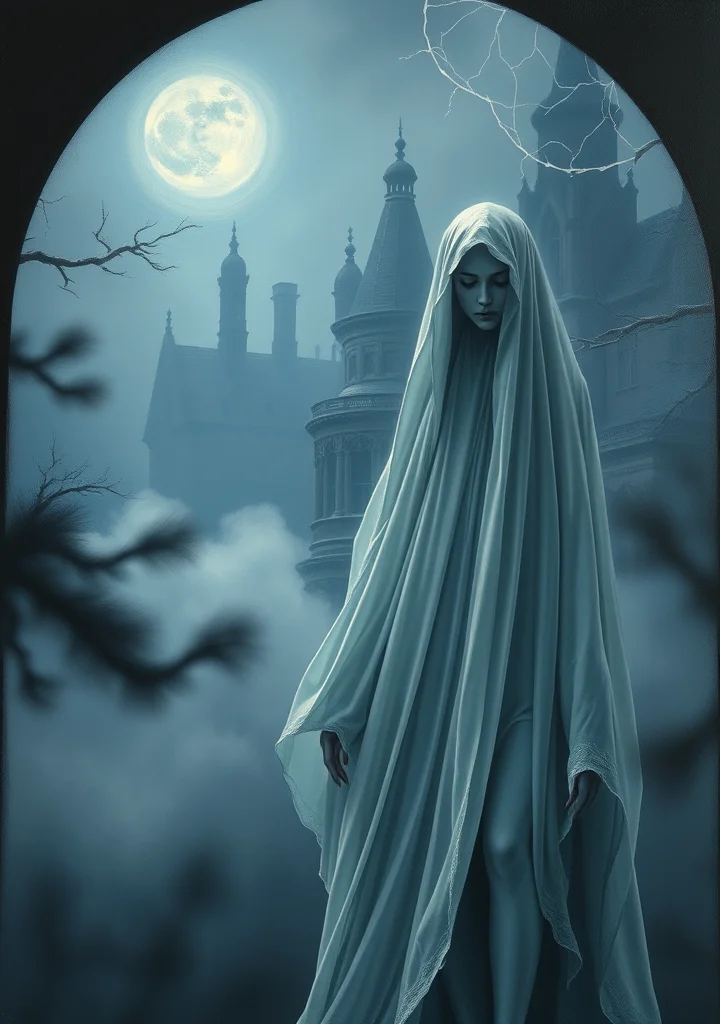
A creeping dampness clings to the shadowed corners of Valley of Blue Castles, where Valerian Barclay, a woman withered by years of stifling duty and whispered scorn, discovers a freedom born of bitter defiance. The narrative exhales a melancholic haze, thick with the scent of decaying roses and the murmur of regret. Old Man Barclay’s estate, a crumbling edifice of ancestral pride, looms like a skeletal hand against perpetually bruised skies. The castle itself is less stone and mortar than a cage of expectations, its blue hue mirroring Valerian's own bruised spirit. A slow unraveling of societal constraints bleeds into a strange, almost feverish awakening as Valerian dares to embrace the eccentricities of her world. The forest surrounding the castle breathes with a secret life, teeming with shadowed paths and whispers of forgotten lore. A haunting stillness pervades the narrative, broken only by the creak of ancient timbers and the rustle of unseen things in the shadowed depths of the woods. The air is thick with the weight of unspoken desires and the chilling possibility of a love that blooms only in the wreckage of shattered reputations. Even as Valerian's heart opens to a fragile hope, the specter of her past – and the castle’s own decaying grandeur – casts a long, unforgiving shadow. The novel is steeped in a sense of lonely grandeur, where the echoes of loss resonate through every darkened hall, and even the most vibrant bloom is tinged with the blue of sorrow.
9 Part
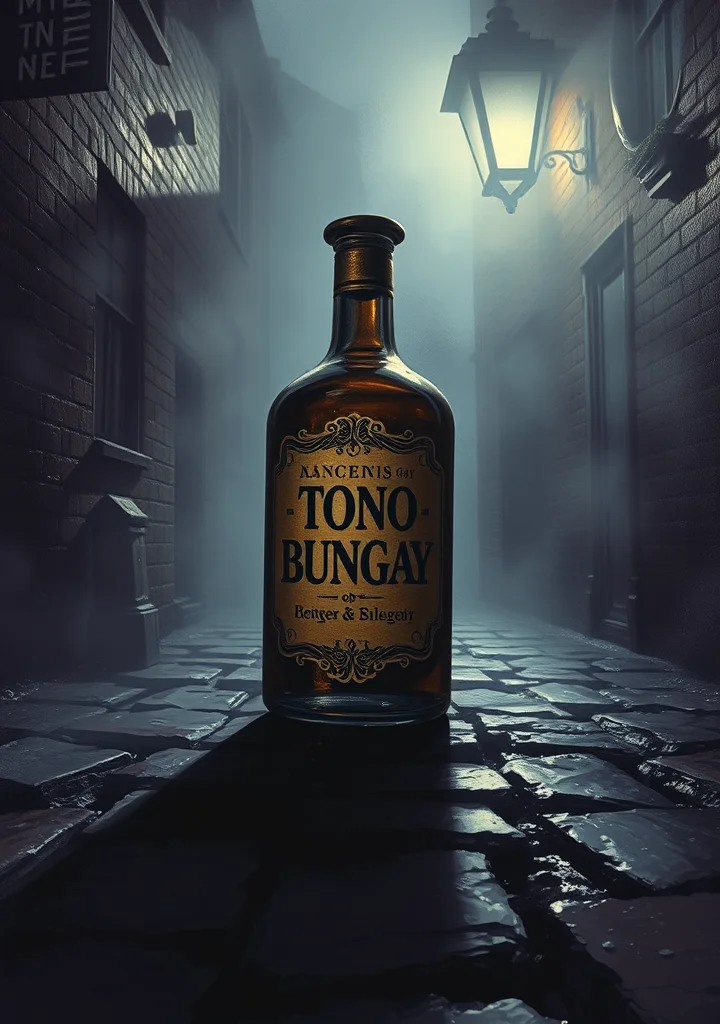
The Rue Saint-Honoré exhales secrets in the Parisian dusk, clinging to the silk gowns and shadowed doorways like a stifled confession. Within the gilded cage of her late husband’s fortune, Madame de Bréville, nearing the barren edge of thirty, finds herself a specimen under the dissecting gaze of a society that prizes bloom above all else. But it is not merely the fear of fading beauty that haunts these chambers—it is a creeping dread born of loneliness, of the echoing emptiness within a life meticulously constructed on appearances. The air thickens with the scent of decaying roses and the whispered calculations of ambition. Every glance across the crowded salon feels like a measuring of worth, a judgment on her remaining value. A desperate hunger for connection—not love, but acknowledgement—drives her towards increasingly reckless ventures, each a gamble against the encroaching darkness. The novel breathes with the chill of polished marble, the weight of inherited jewels, and the suffocating elegance of a world where a woman’s worth is tallied in the diminishing years she has left to spend. Shadows lengthen in the grand apartments, mirroring the insidious compromises she makes to remain visible. A subtle, exquisite rot festers beneath the veneer of respectability, revealed in the furtive glances, the loaded silences, and the ever-present, gnawing anxiety of being judged—and found wanting—by a society that demands a perpetual spring. It is a slow, insidious unraveling, draped in lace and gilded regret.