
-
Read 500
-
0
-
Part 34
Completed, First published Mar 02, 2026
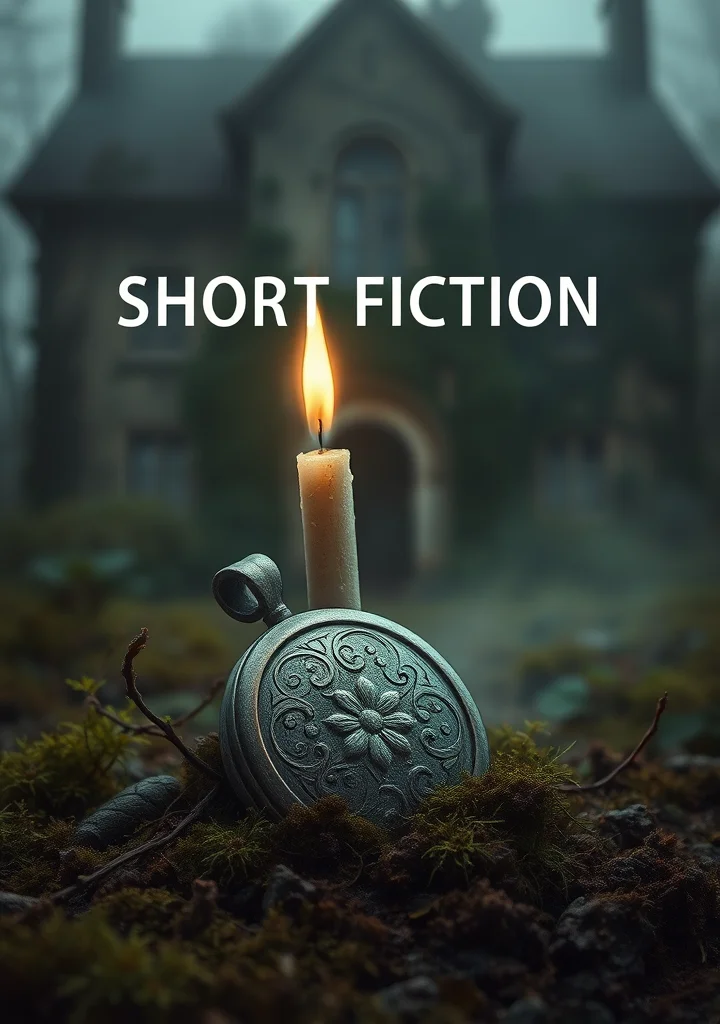
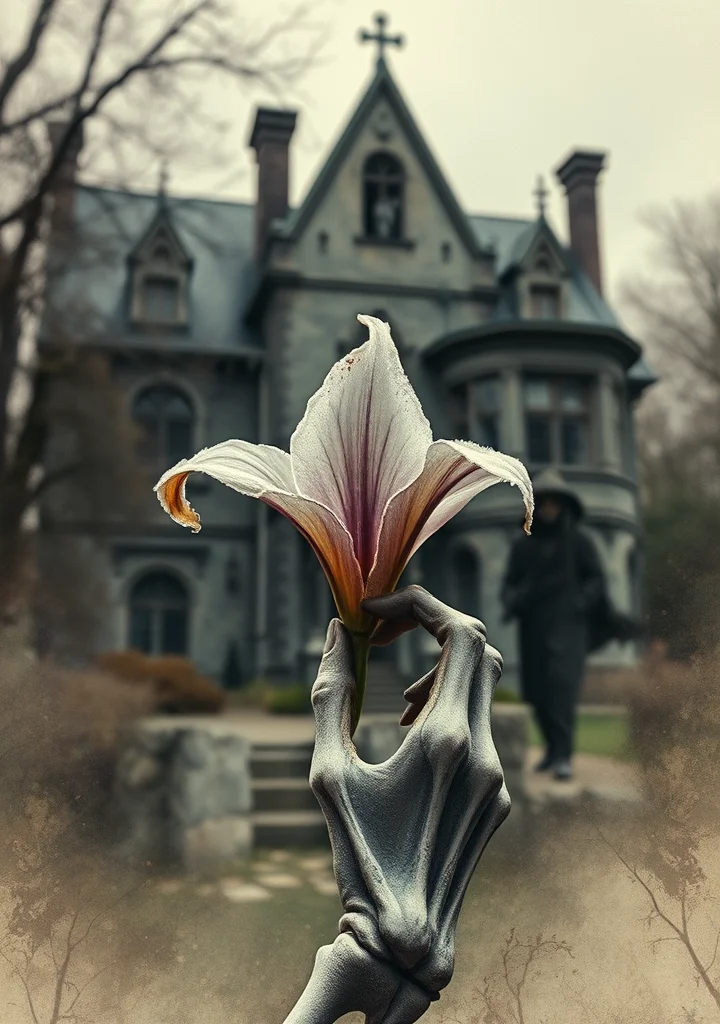
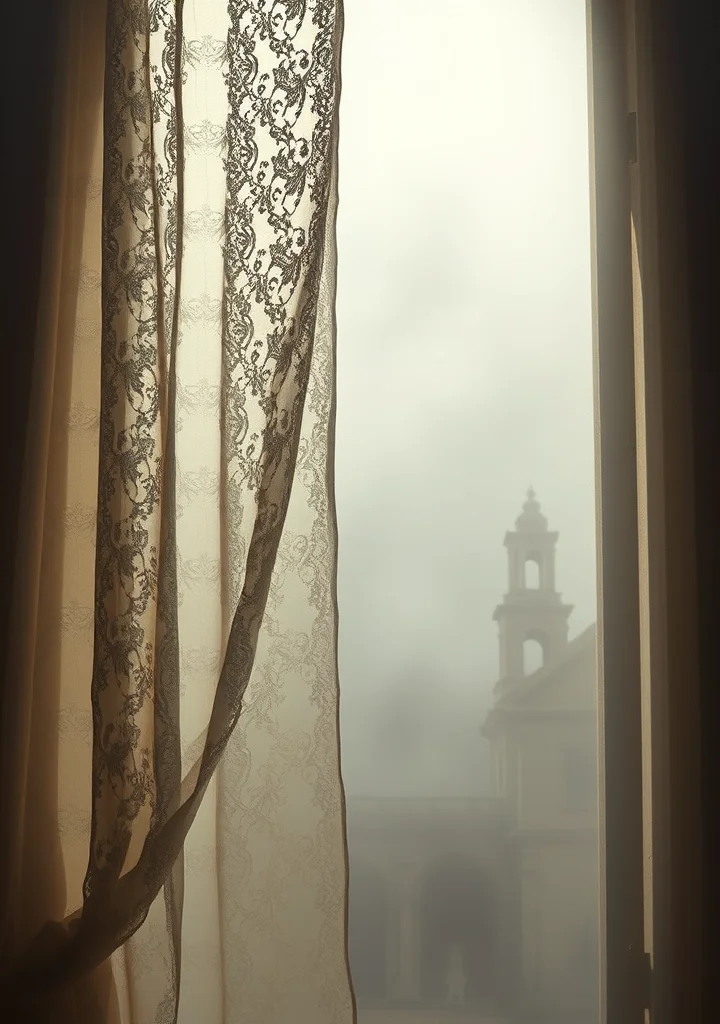
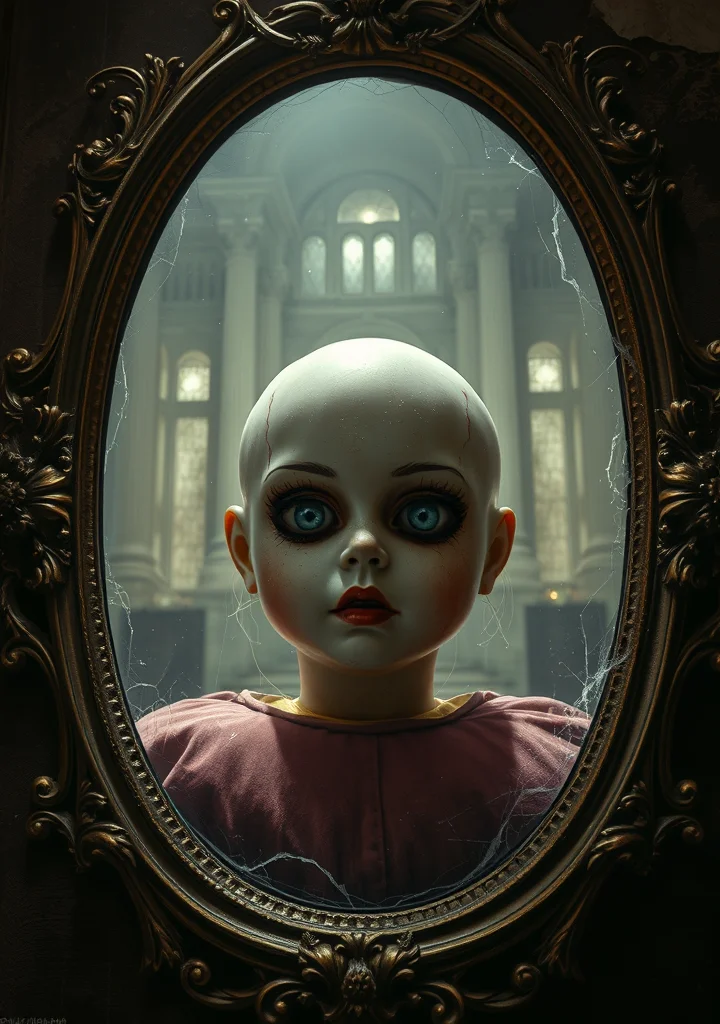
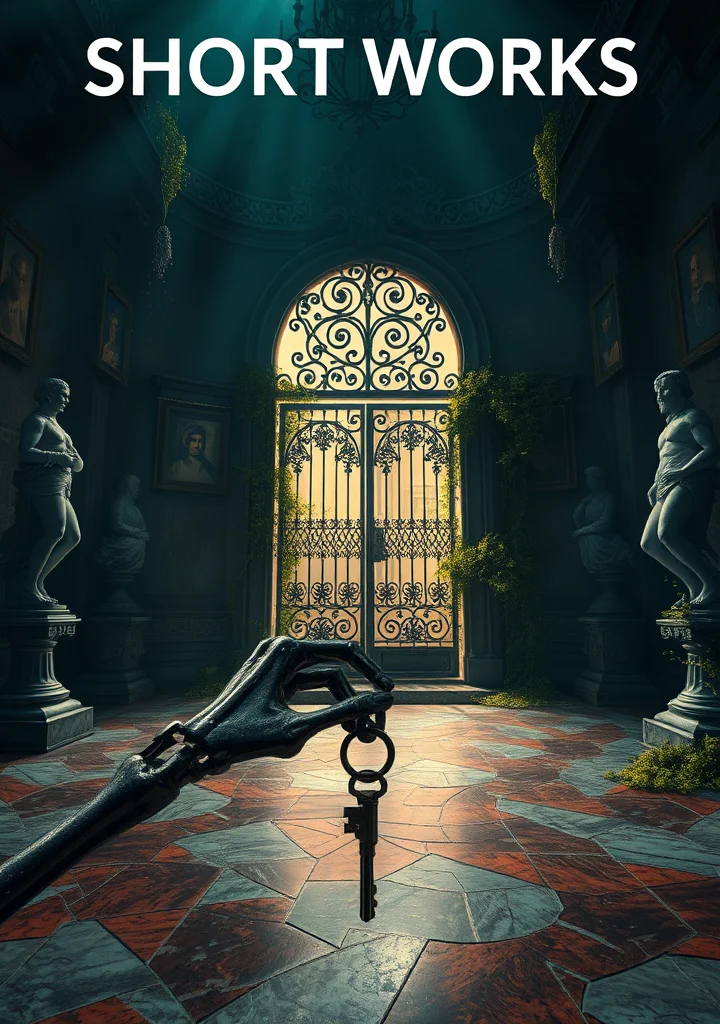
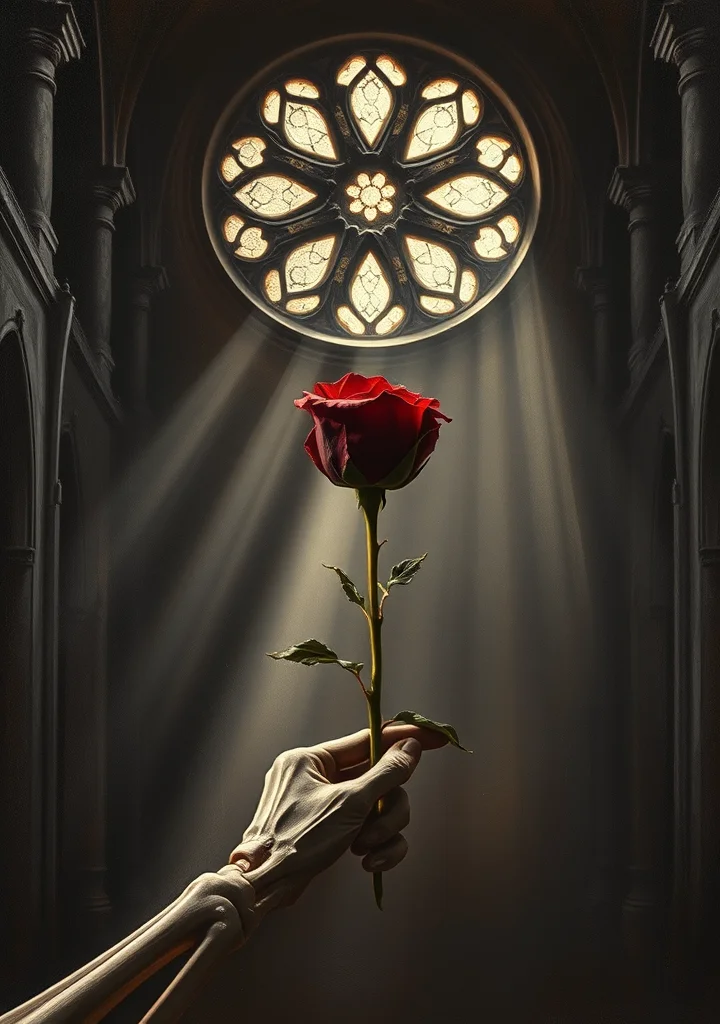
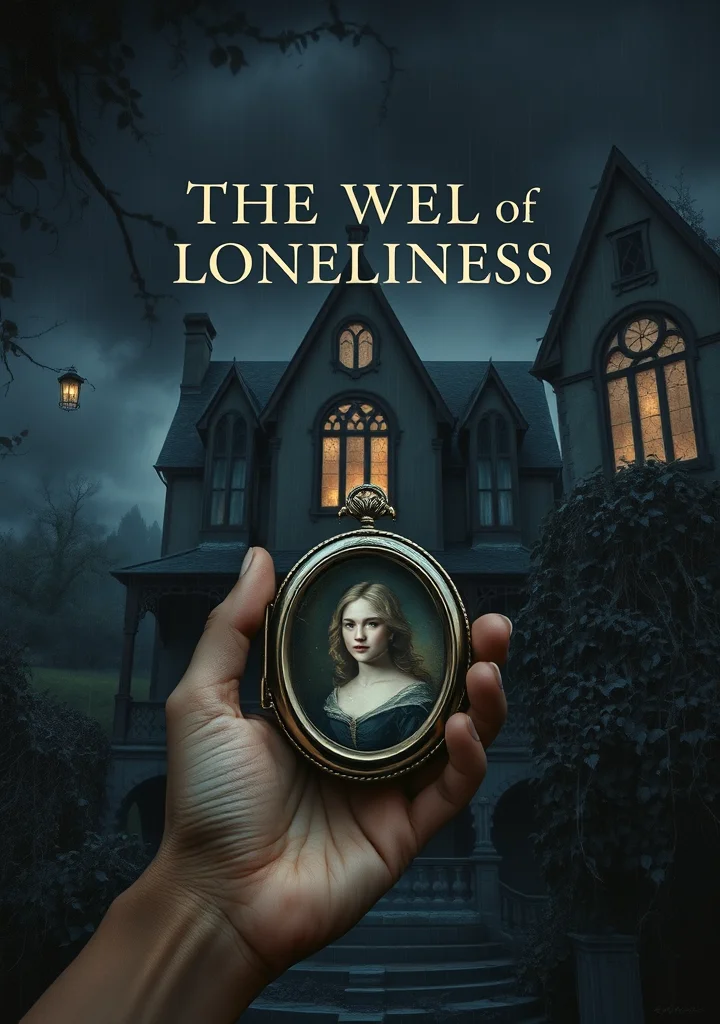
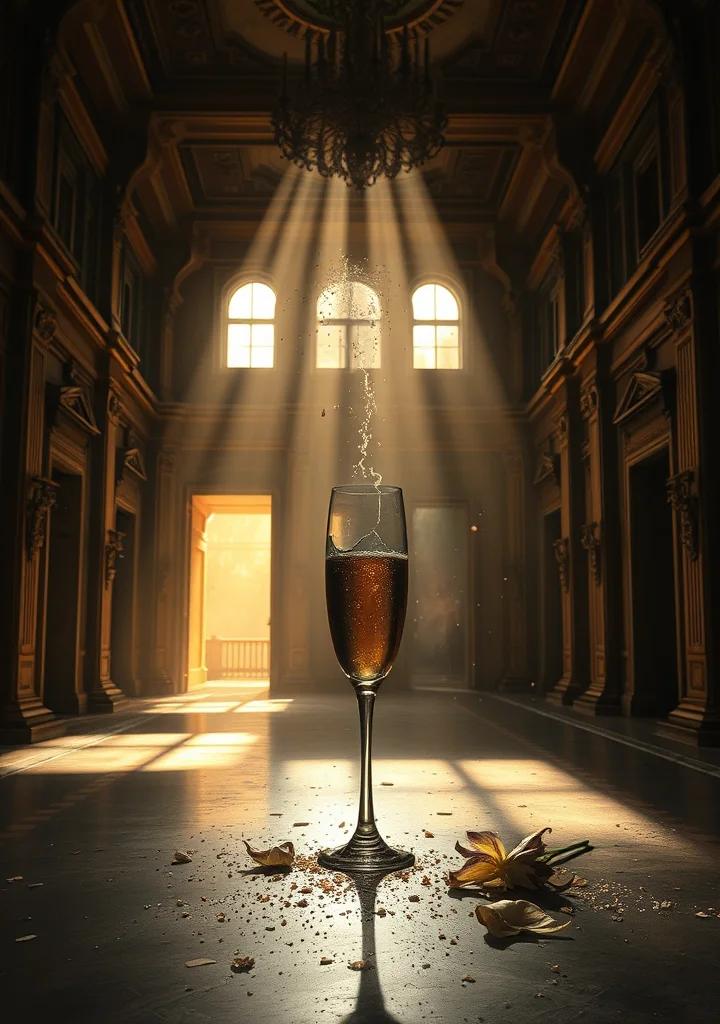
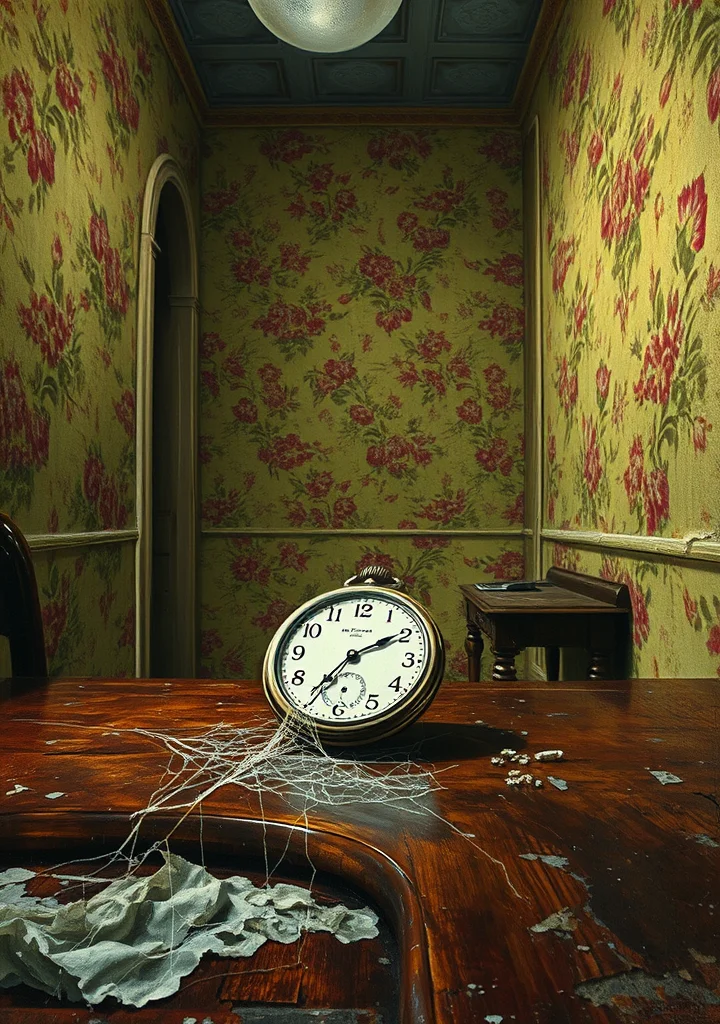
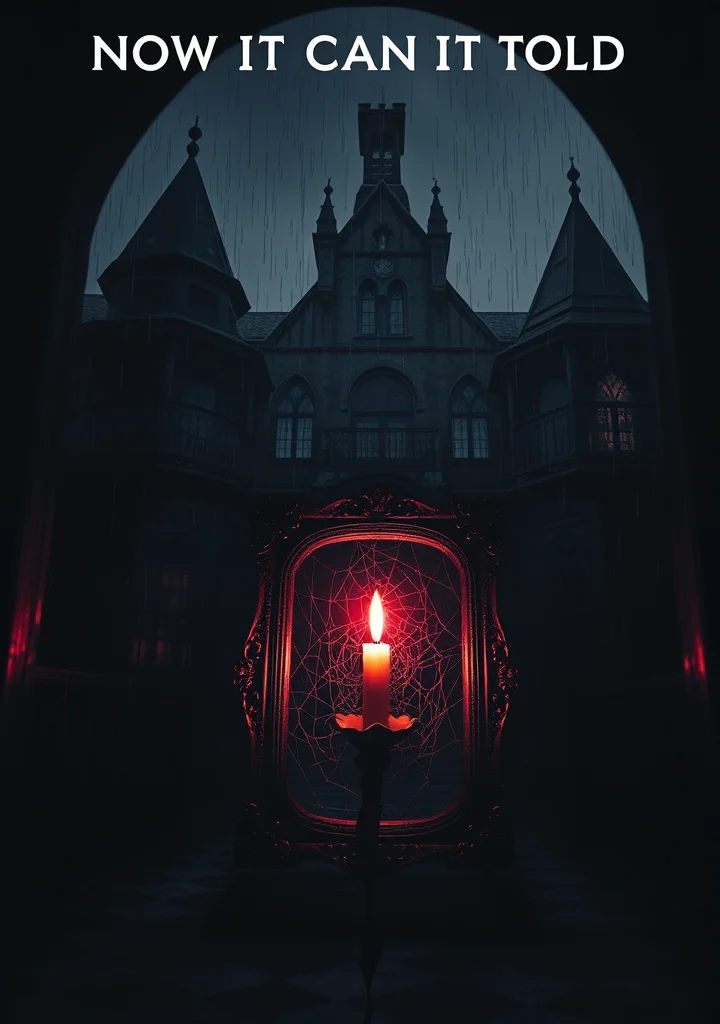
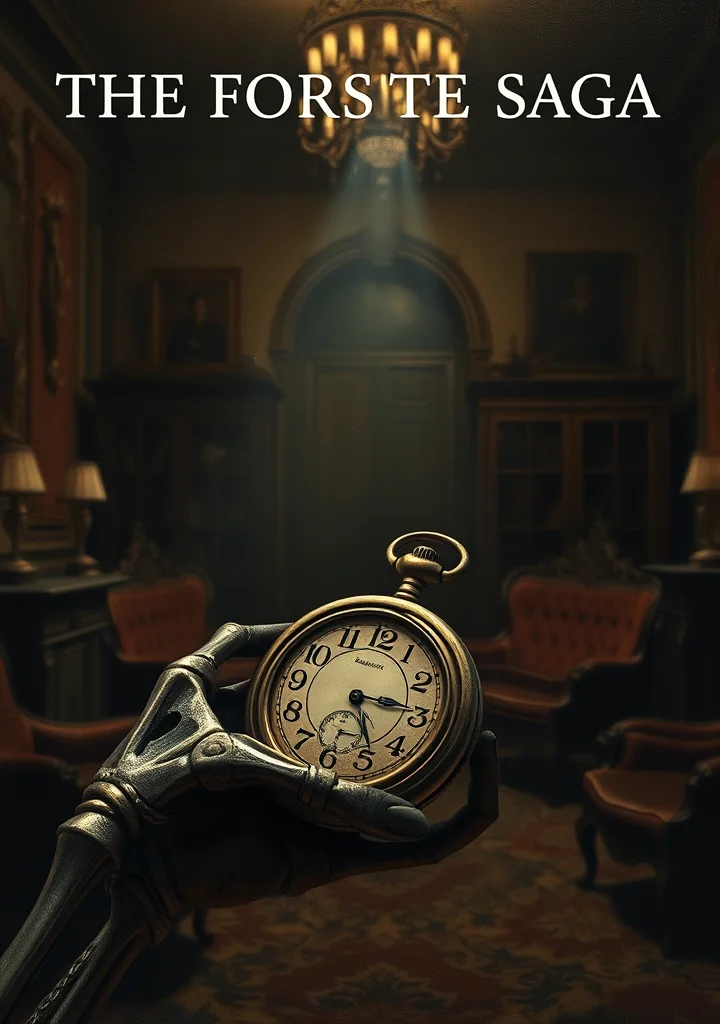
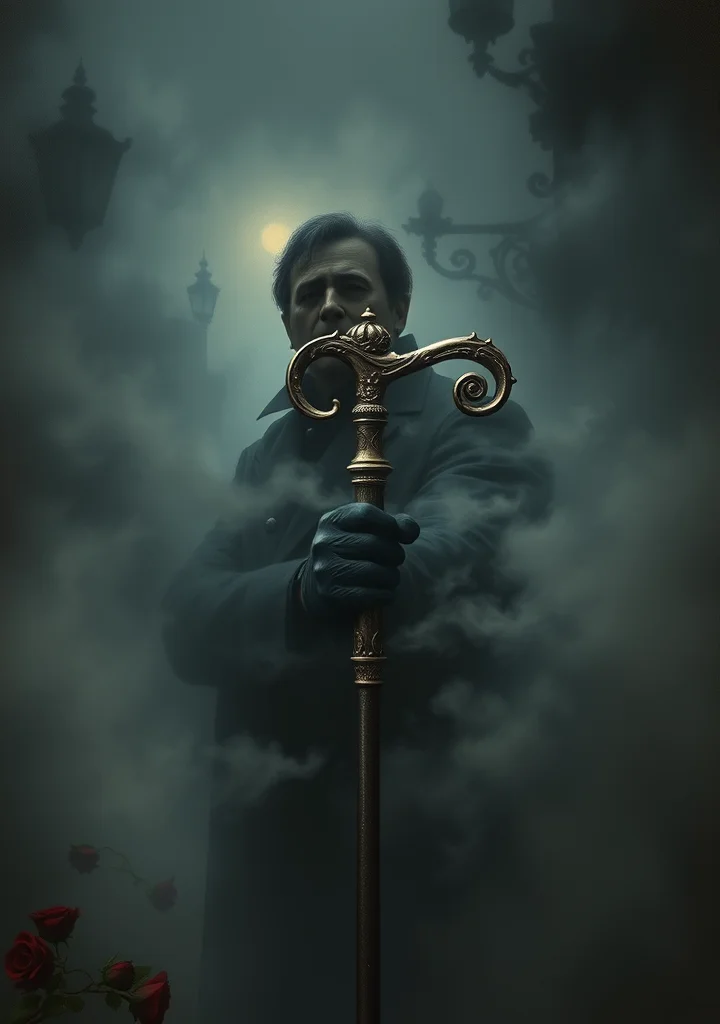
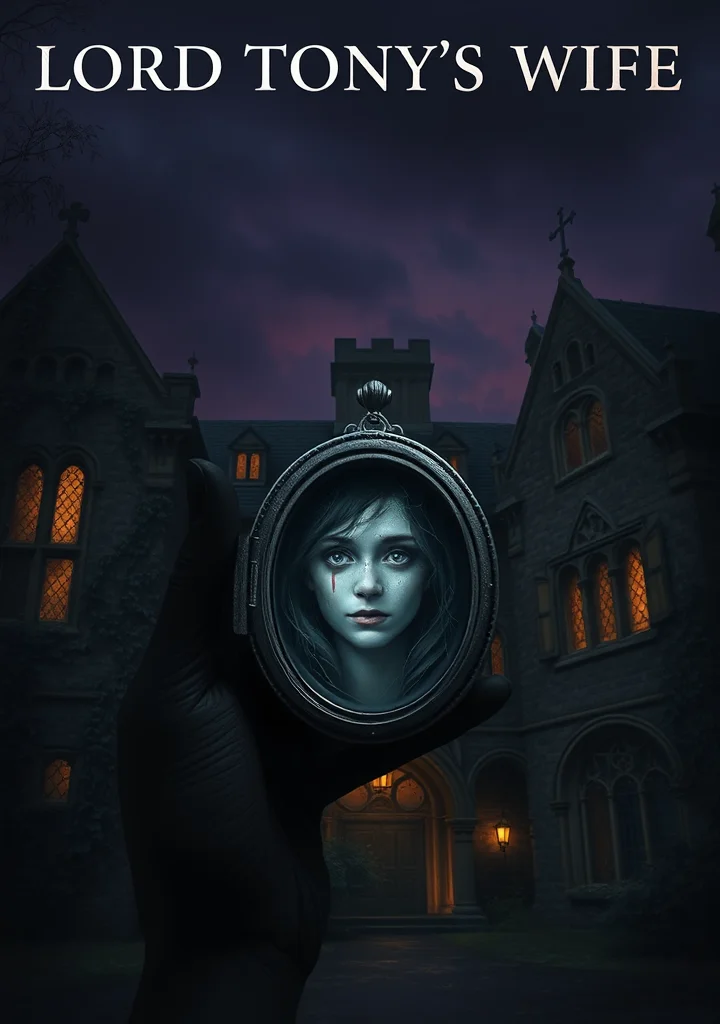
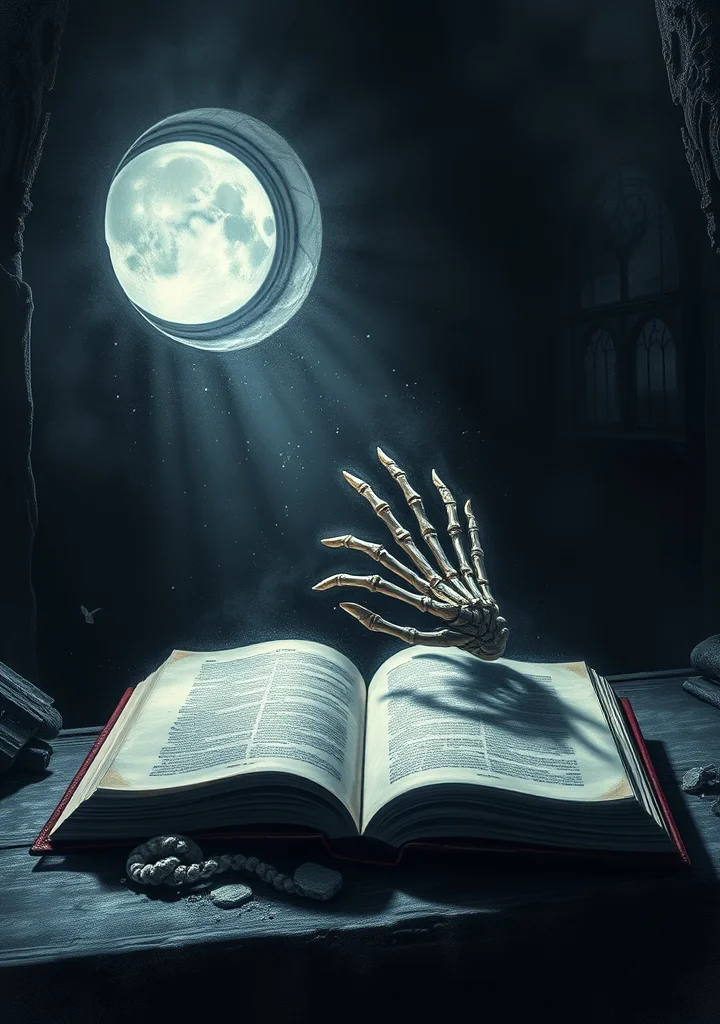
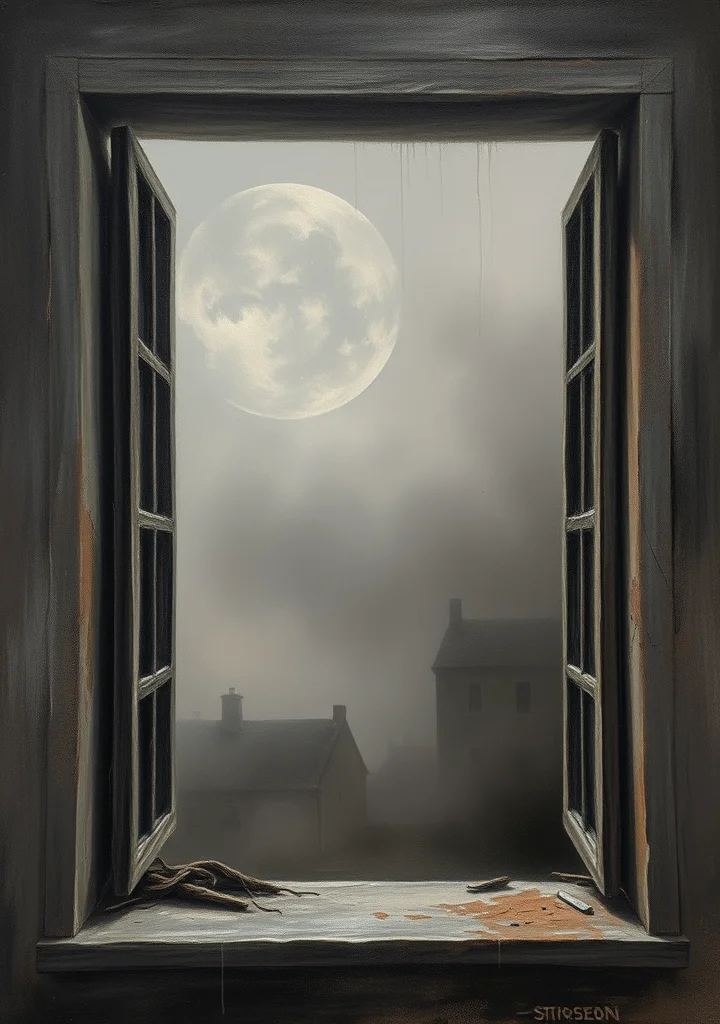
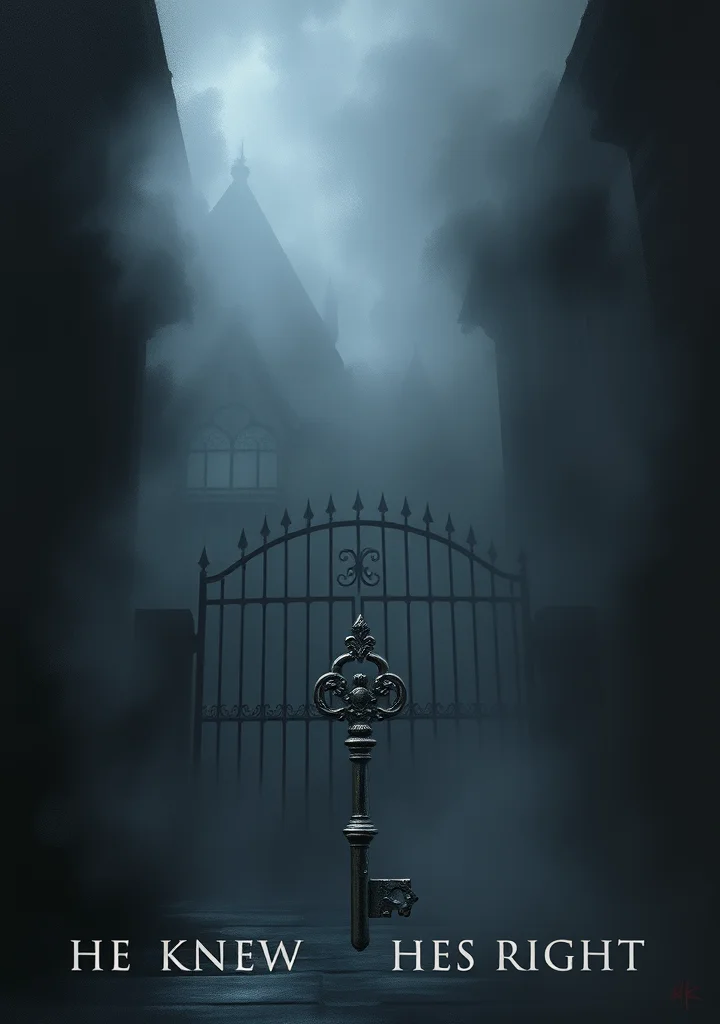
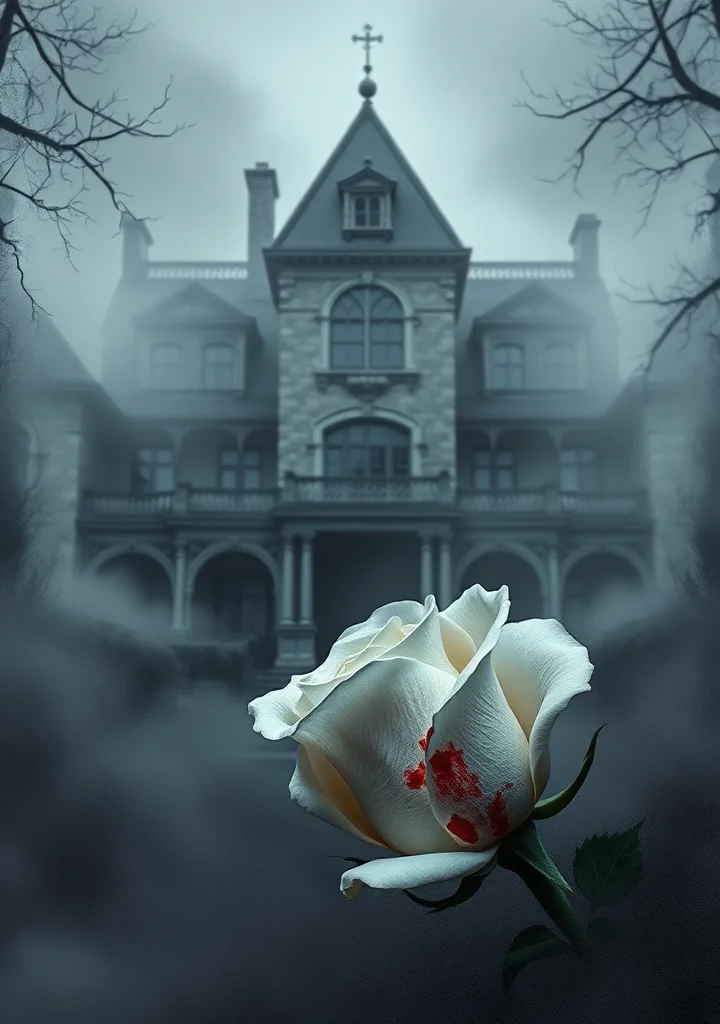
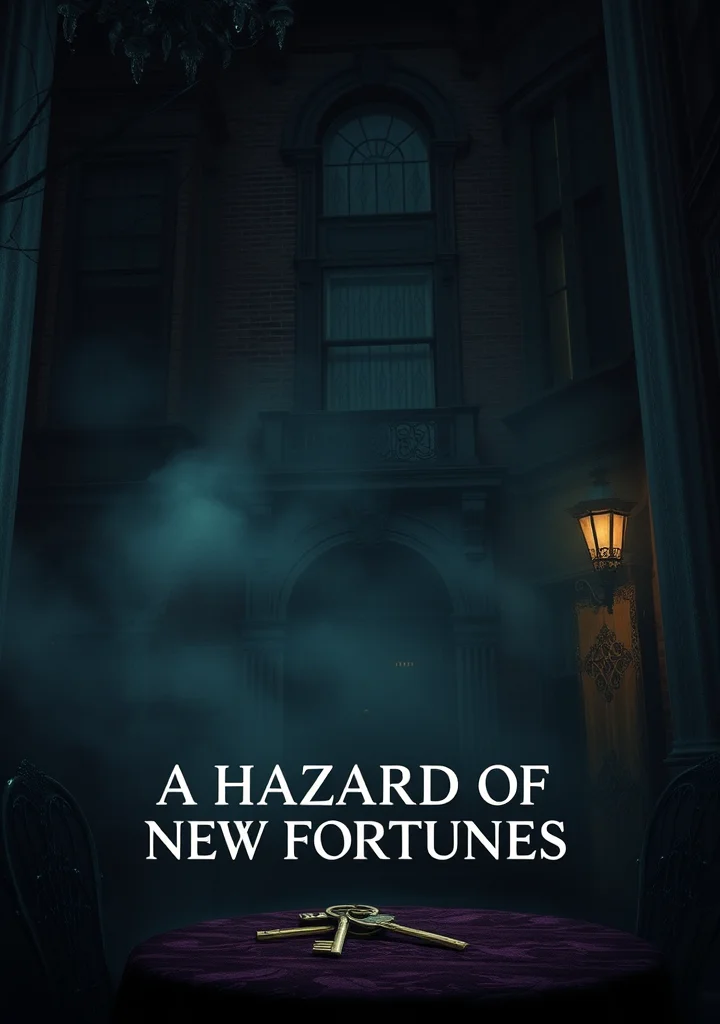
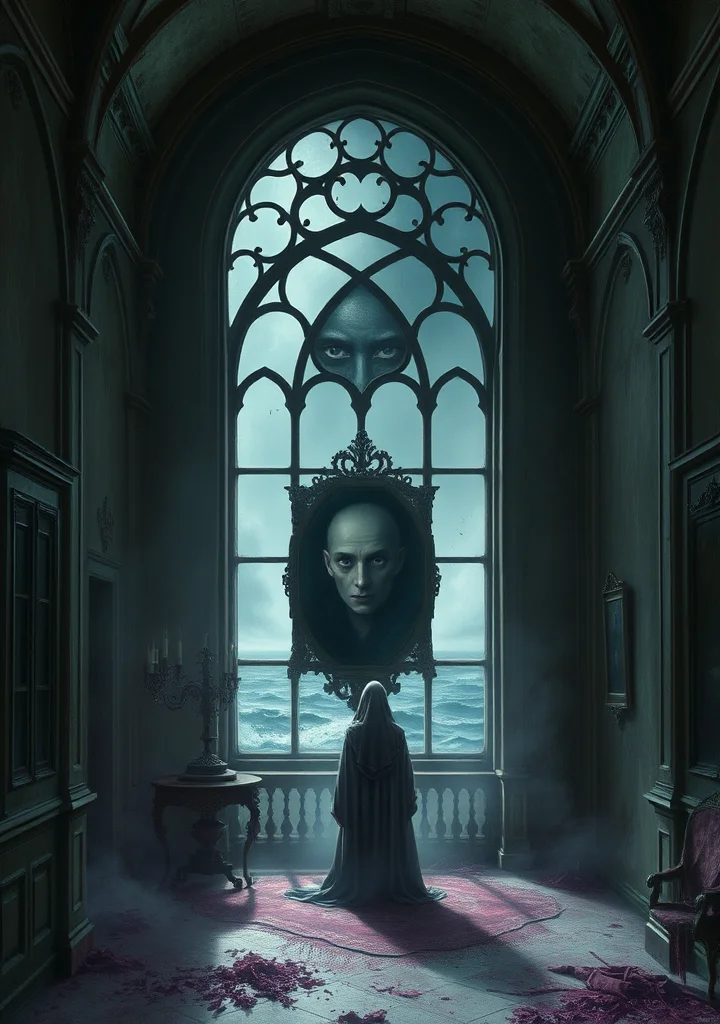
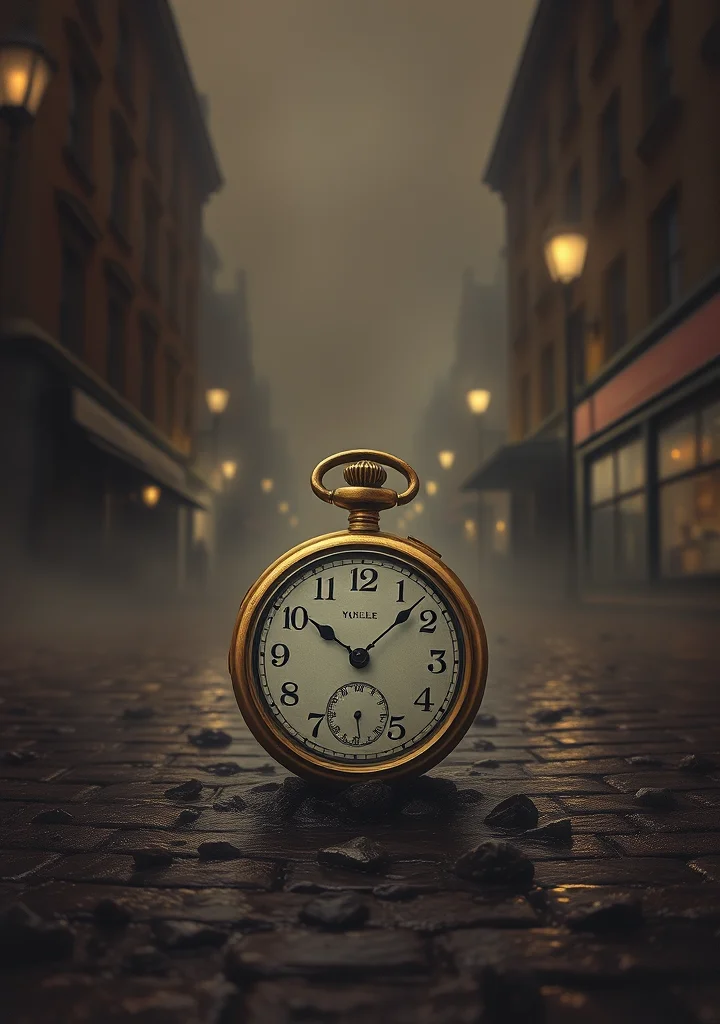
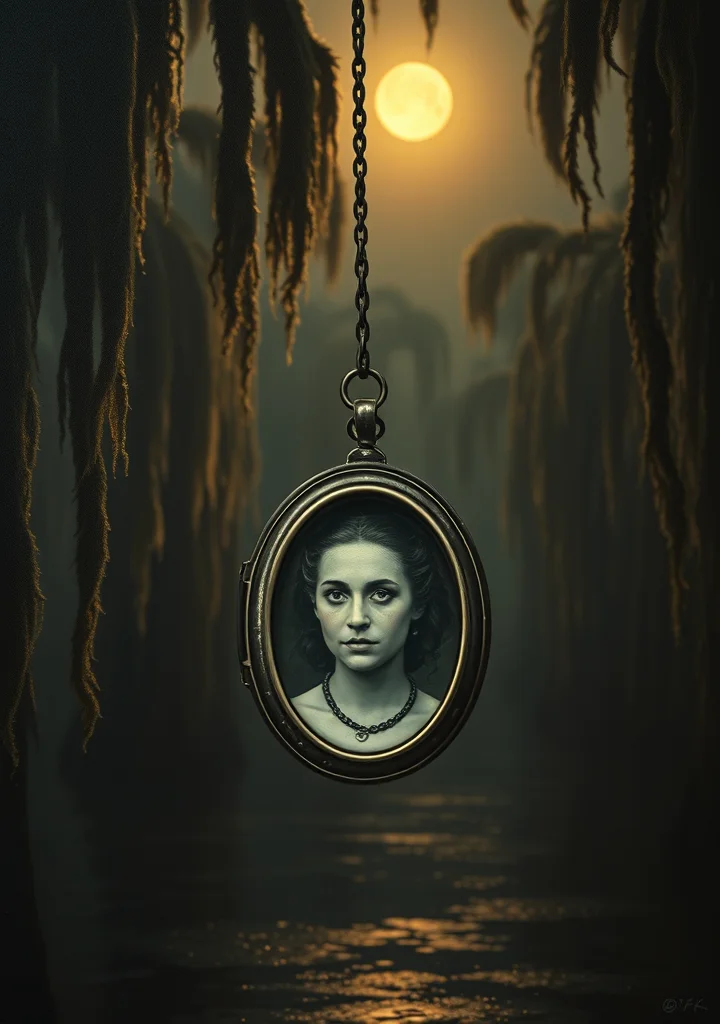
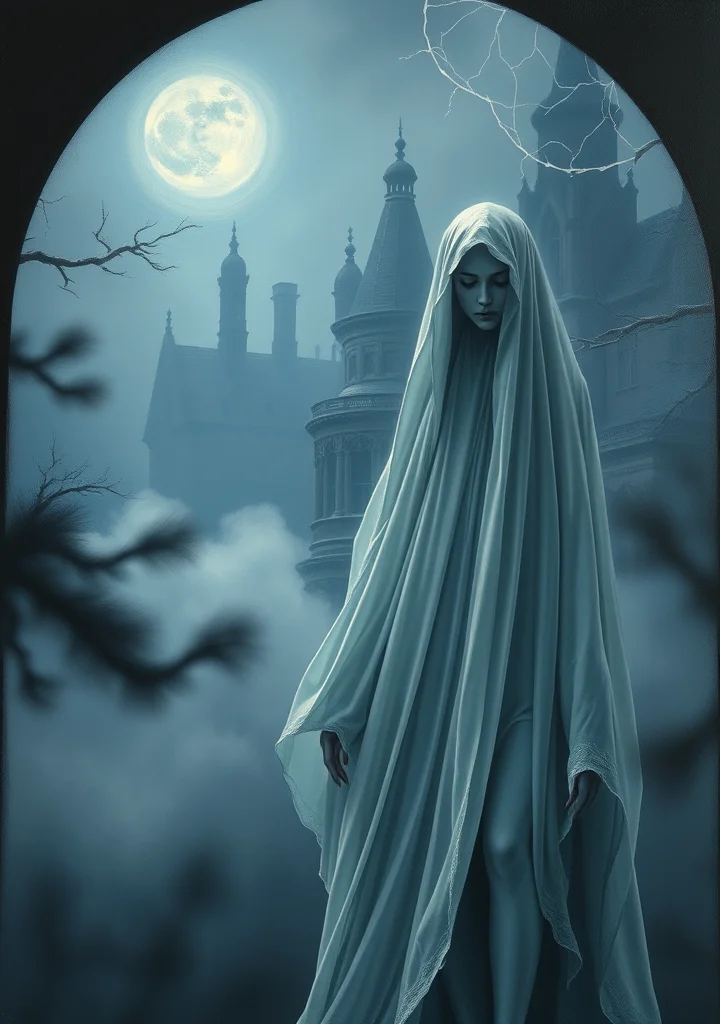
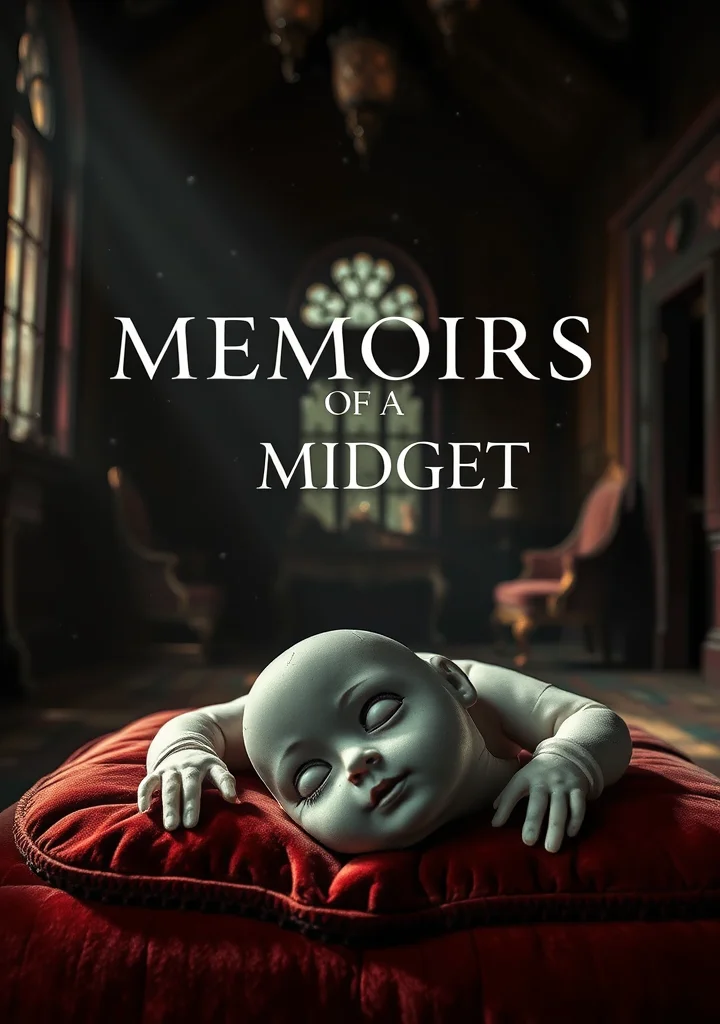
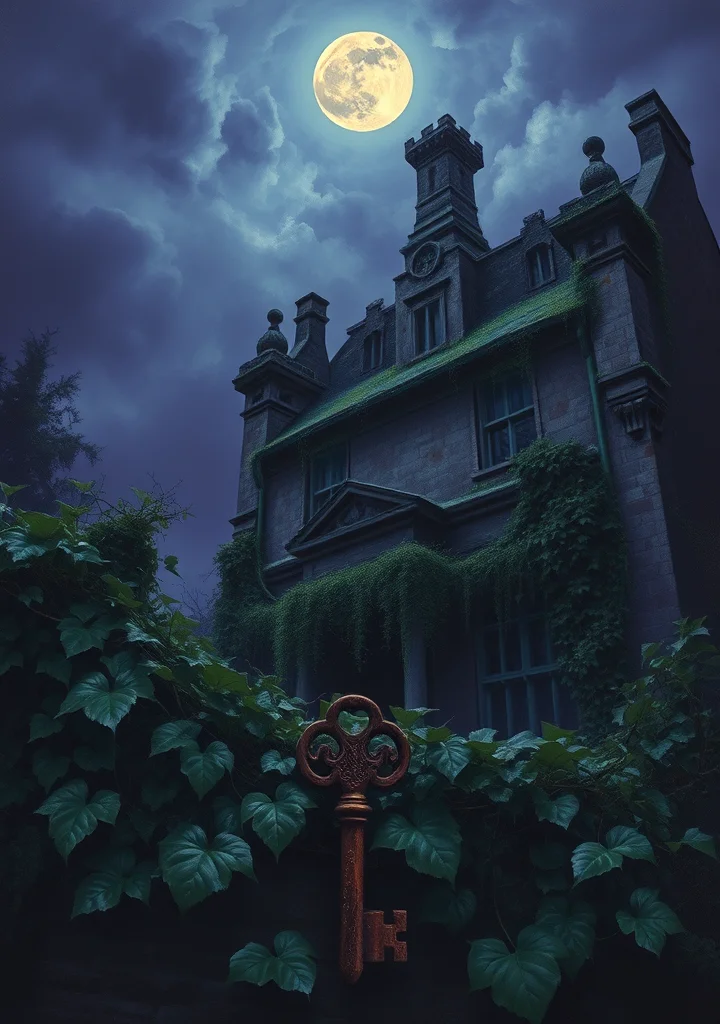
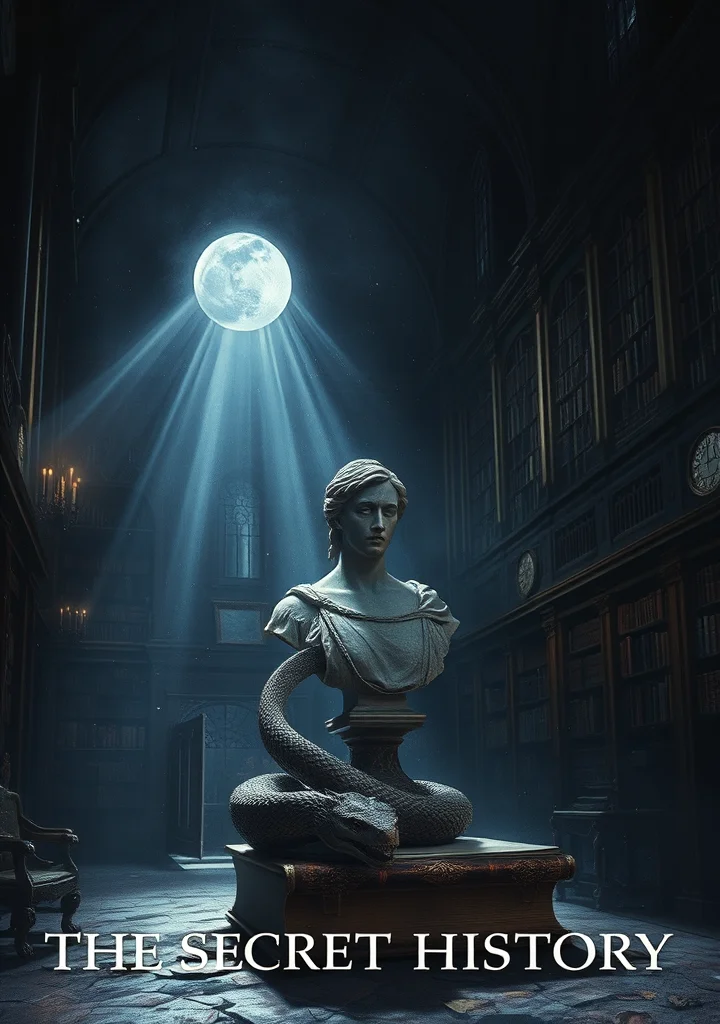
Dust motes dance in the perpetual twilight of Procopius’s *The Secret History*, a novel steeped in the scent of decaying parchment and the chill of forgotten crypts. The narrative unfolds not as a chronicle of events, but as a slow erosion of sanity within the crumbling walls of a secluded manor—Blackwood Hall—where shadows cling to every surface and whispers coil like serpents in the corridors. A family, fractured by generations of inherited madness and a pact with something ancient and hungry, unravels under the weight of their ancestral sins.
The prose itself is a creeping vine, strangling the reader with baroque sentences and suffocating detail. Each chapter bleeds into the next, mirroring the Hall’s labyrinthine layout and the blurring of reality within its confines. A suffocating dread permeates every page, born not of overt horror, but of the insidious suggestion that the very stones of Blackwood Hall remember every atrocity committed within its walls.
The story is told through fragmented diary entries, brittle letters, and the testimony of a fever-haunted caretaker—voices warped by isolation and the encroaching darkness. The air thickens with the scent of brine and rot, with the distant tolling of unseen bells and the faint, rhythmic dripping of water—always water—from somewhere deep within the Hall’s foundations.
It is a history not of kings and conquests, but of rot and ruin, a testament to the suffocating power of silence, and the monstrous legacy left to those who inherit the weight of secrets better left undisturbed. The reader is left to wander the echoing chambers alongside the doomed characters, breathing in the same poisoned air, and ultimately, to question if Blackwood Hall has claimed not just its inhabitants, but a piece of their own soul as well.
Copyright: Public Domain
This license allows anyone to use your story for any purpose, including printing, selling, or adapting it into a film freely.
This license allows anyone to use your story for any purpose, including printing, selling, or adapting it into a film freely.
Chapter List
-
« The Secret History »📖 Continue Reading
-
« Introduction »
-
« Foreword by the Historian »
-
« The Secret History »
-
« I »
-
« II »
-
« III »
-
« IV »
-
« V »
-
« VI »
-
« VII »
-
« VIII »
-
« IX »
-
« X »
-
« XI »
-
« XII »
-
« XIII »
-
« XIV »
-
« XV »
-
« XVI »
-
« XVII »
-
« XVIII »
-
« XIX »
-
« XX »
-
« XXI »
-
« XXII »
-
« XXIII »
-
« XXIV »
-
« XXV »
-
« XXVI »
-
« XXVII »
-
« XXVIII »
-
« XXIX »
-
« XXX »
34
-
« The Secret History »
-
« Introduction »
-
« Foreword by the Historian »
-
« The Secret History »
-
« I »
-
« II »
-
« III »
-
« IV »
-
« V »
-
« VI »
-
« VII »
-
« VIII »
-
« IX »
-
« X »
-
« XI »
-
« XII »
-
« XIII »
-
« XIV »
-
« XV »
-
« XVI »
-
« XVII »
-
« XVIII »
-
« XIX »
-
« XX »
-
« XXI »
-
« XXII »
-
« XXIII »
-
« XXIV »
-
« XXV »
-
« XXVI »
-
« XXVII »
-
« XXVIII »
-
« XXIX »
-
« XXX »
More like this