
-
Read 601
-
0
-
Part 45
Completed, First published Mar 02, 2026
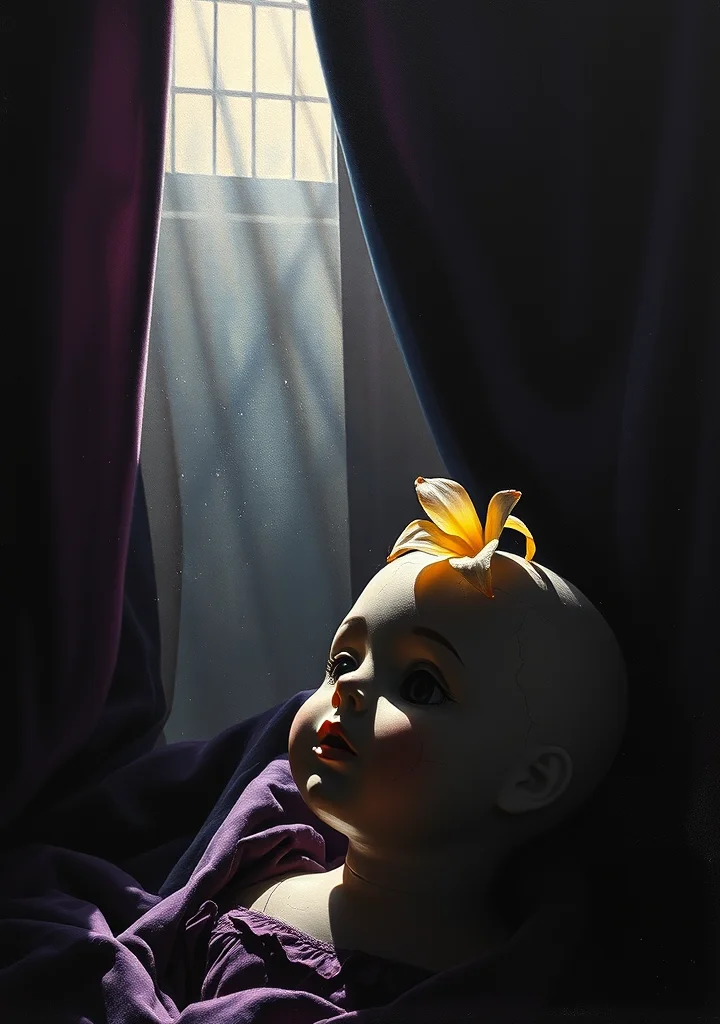
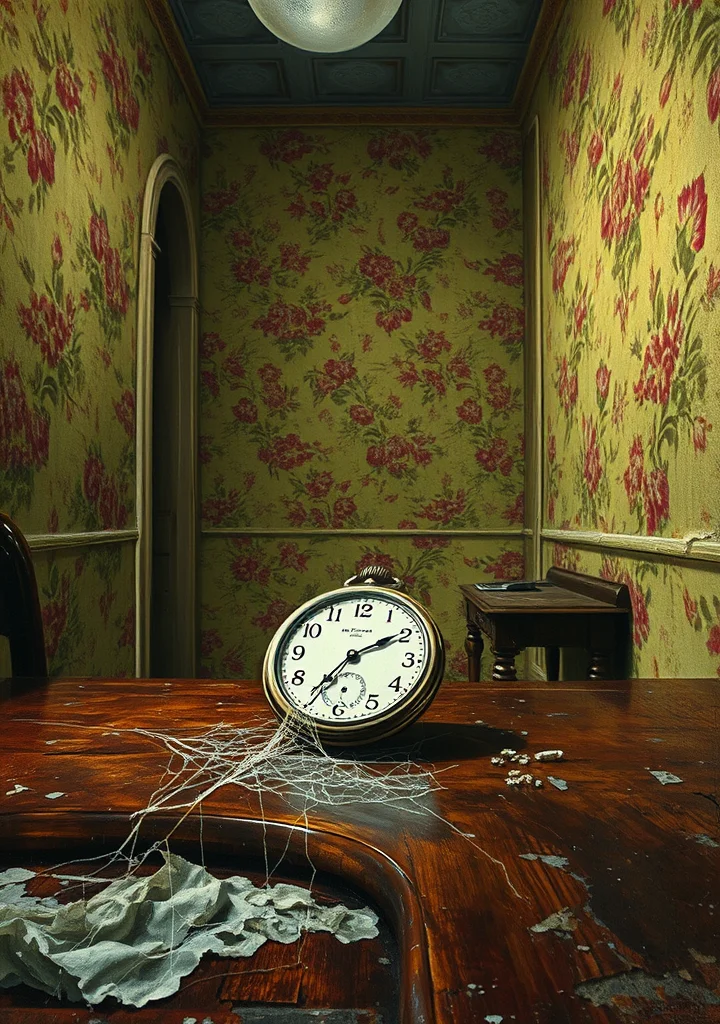
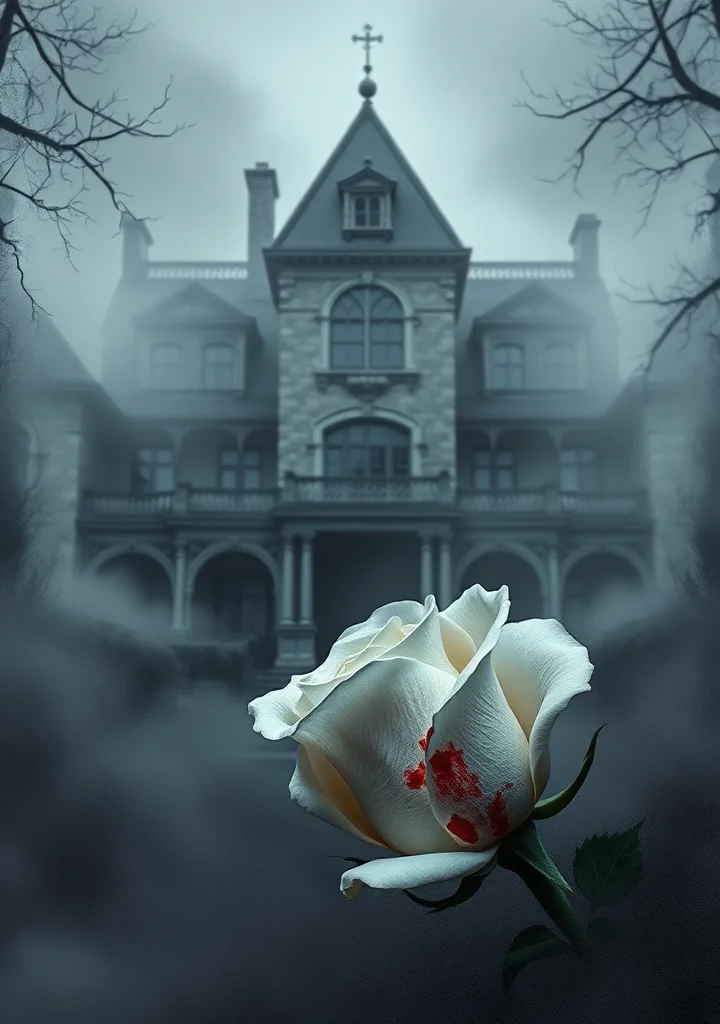
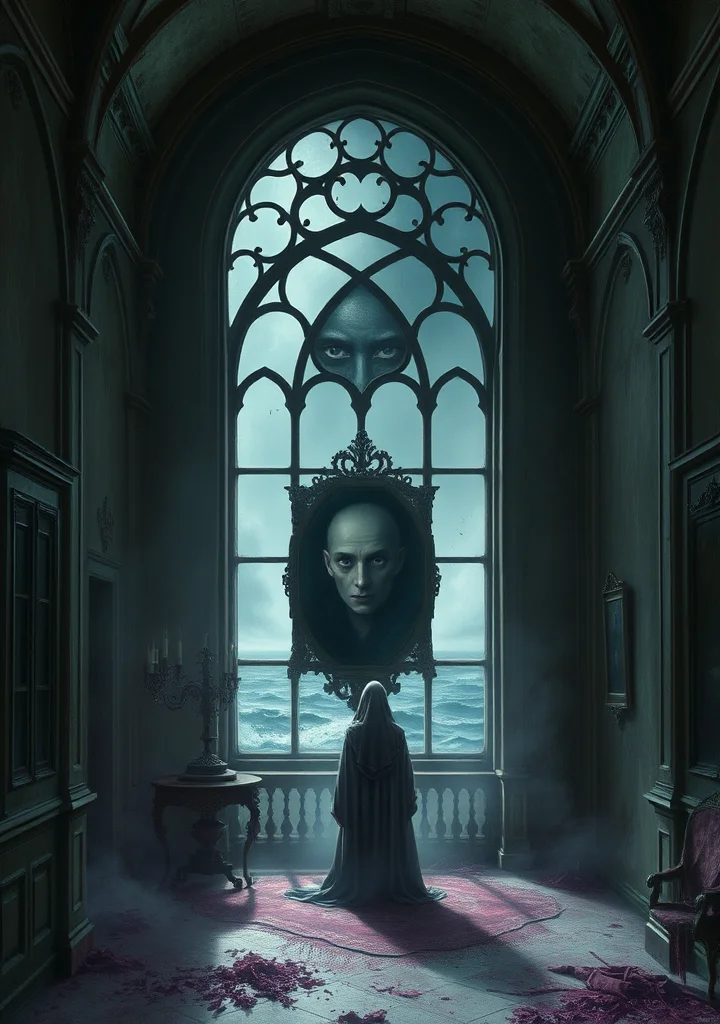
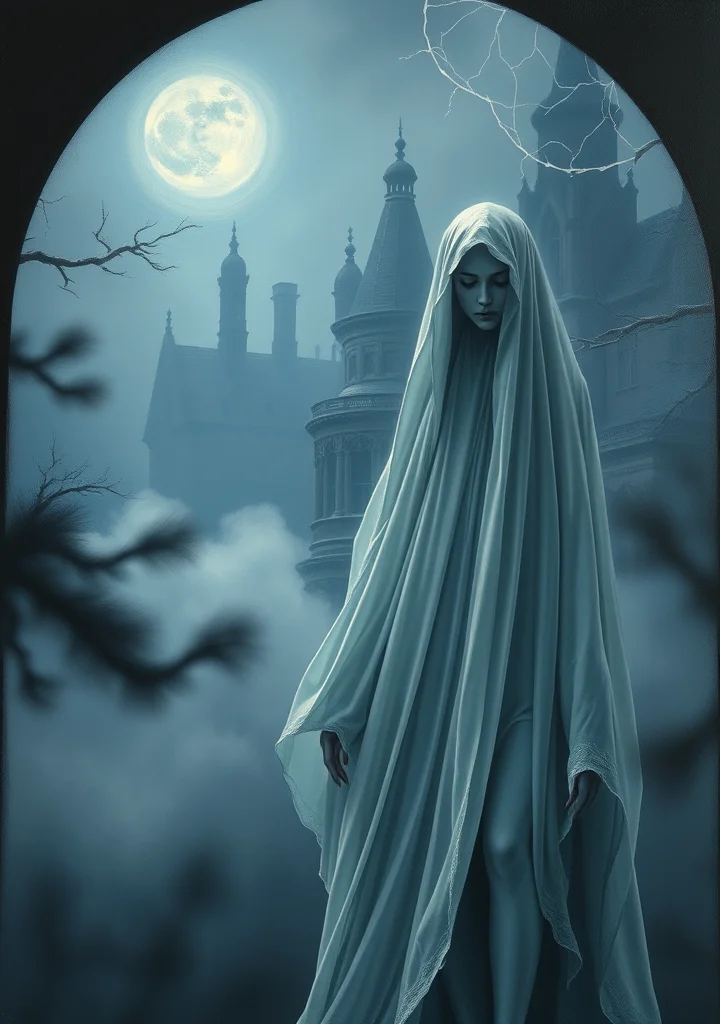
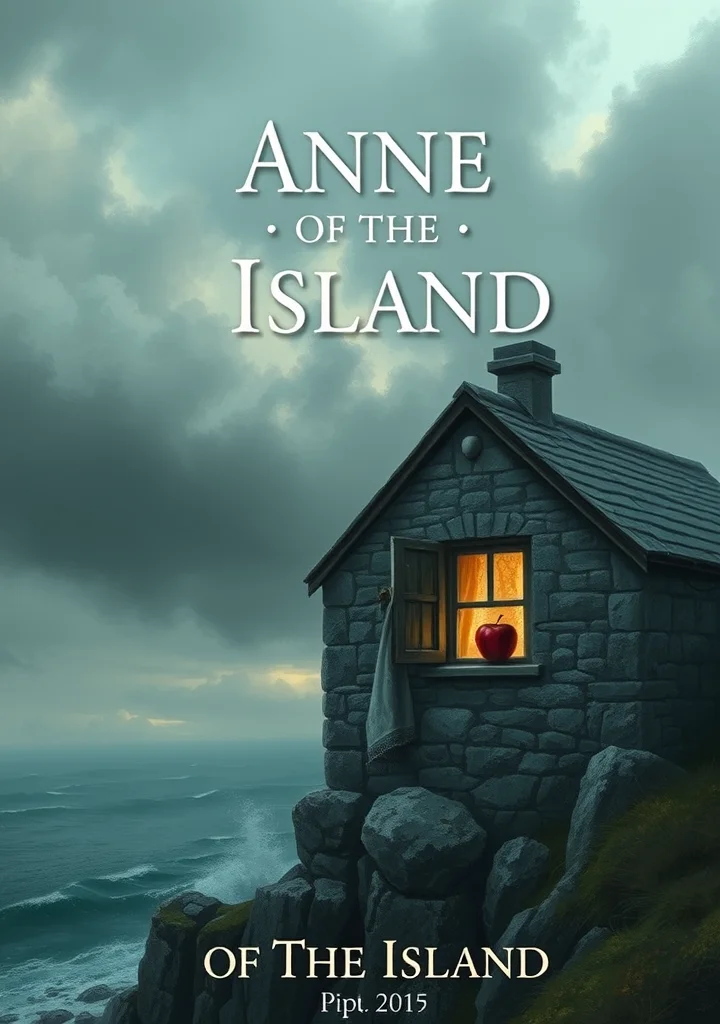
A shadowed coast, salt-laced winds whispering through gabled eaves, and a melancholy that clings to the very stones of the island. Though ostensibly a tale of blossoming affections and domestic comforts, a pervasive loneliness haunts these chapters. The sea itself feels a character, cold and uncaring, mirroring the hidden currents of desire and unspoken longing that ripple beneath the surface of Anne’s newfound world. Sun-drenched orchards give way to encroaching twilight, mirroring the shift from girlhood to womanhood, and a subtle dread—not of tragedy, but of *settled* sorrow—permeates the long, grey afternoons. The very houses seem to exhale sighs of forgotten lives, their rooms echoing with the ghosts of quiet hopes. Even the laughter feels brittle, masking a deep, unnameable ache. A stillness descends with the evening, thick with the scent of damp earth and the weight of secrets held too long in the heart. It is a landscape where beauty itself is a fragile thing, easily broken by the encroaching darkness. A world where love blooms, yes, but under a sky heavy with the promise of rain.
Copyright: Public Domain
This license allows anyone to use your story for any purpose, including printing, selling, or adapting it into a film freely.
This license allows anyone to use your story for any purpose, including printing, selling, or adapting it into a film freely.
Chapter List
-
« Anne of the Island »📖 Continue Reading
-
« Chapter_3 »
-
« Chapter_4 »
-
« Anne of the Island »
-
« I »
-
« II »
-
« III »
-
« IV »
-
« V »
-
« VI »
-
« VII »
-
« VIII »
-
« IX »
-
« X »
-
« XI »
-
« XII »
-
« XIII »
-
« XIV »
-
« XV »
-
« XVI »
-
« XVII »
-
« XVIII »
-
« XIX »
-
« XX »
-
« XXI »
-
« XXII »
-
« XXIII »
-
« XXIV »
-
« XXV »
-
« XXVI »
-
« XXVII »
-
« XXVIII »
-
« XXIX »
-
« XXX »
-
« XXXI »
-
« XXXII »
-
« XXXIII »
-
« XXXIV »
-
« XXXV »
-
« XXXVI »
-
« XXXVII »
-
« XXXVIII »
-
« XXXIX »
-
« XL »
-
« XLI »
45
-
« Anne of the Island »
-
« Chapter_3 »
-
« Chapter_4 »
-
« Anne of the Island »
-
« I »
-
« II »
-
« III »
-
« IV »
-
« V »
-
« VI »
-
« VII »
-
« VIII »
-
« IX »
-
« X »
-
« XI »
-
« XII »
-
« XIII »
-
« XIV »
-
« XV »
-
« XVI »
-
« XVII »
-
« XVIII »
-
« XIX »
-
« XX »
-
« XXI »
-
« XXII »
-
« XXIII »
-
« XXIV »
-
« XXV »
-
« XXVI »
-
« XXVII »
-
« XXVIII »
-
« XXIX »
-
« XXX »
-
« XXXI »
-
« XXXII »
-
« XXXIII »
-
« XXXIV »
-
« XXXV »
-
« XXXVI »
-
« XXXVII »
-
« XXXVIII »
-
« XXXIX »
-
« XL »
-
« XLI »
More like this