
-
Read 467
-
0
-
Part 26
Completed, First published Mar 02, 2026
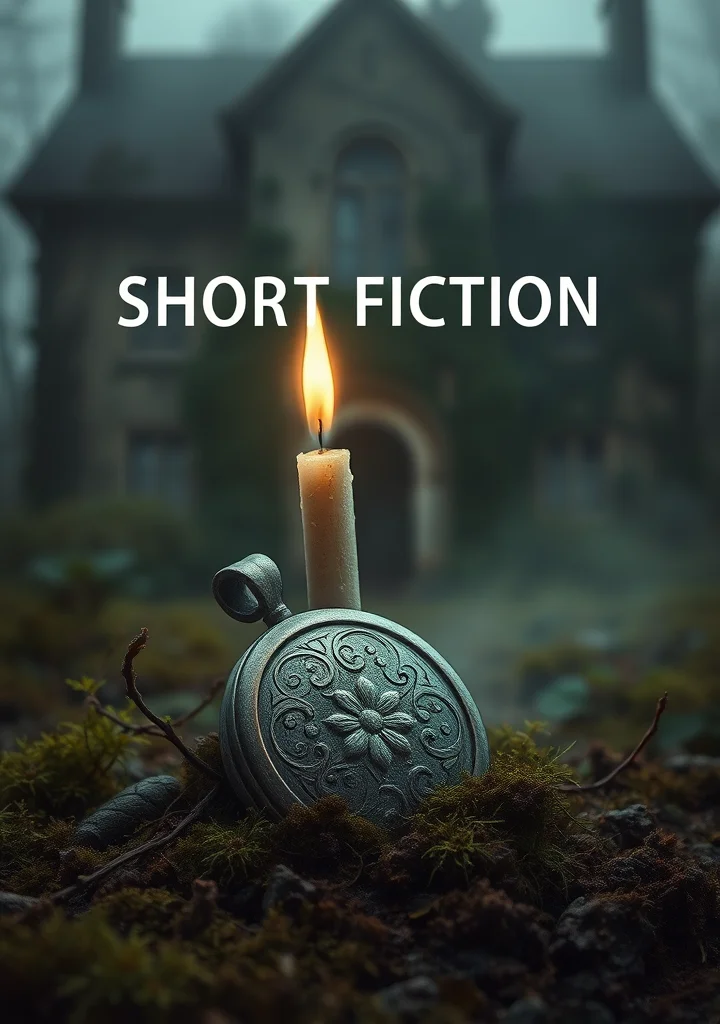
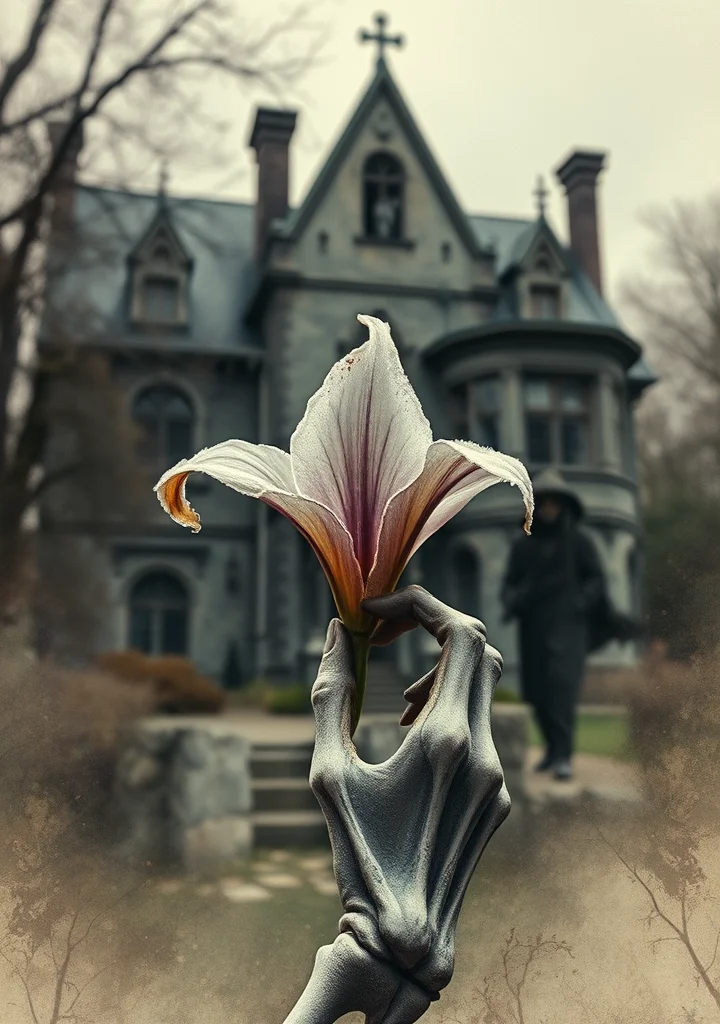
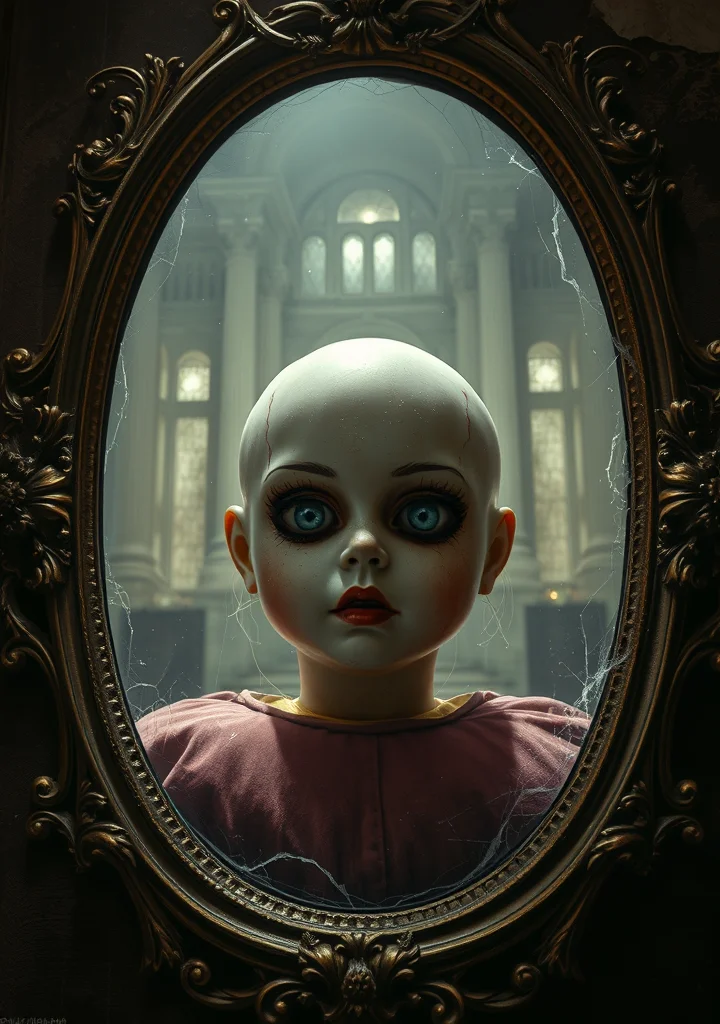
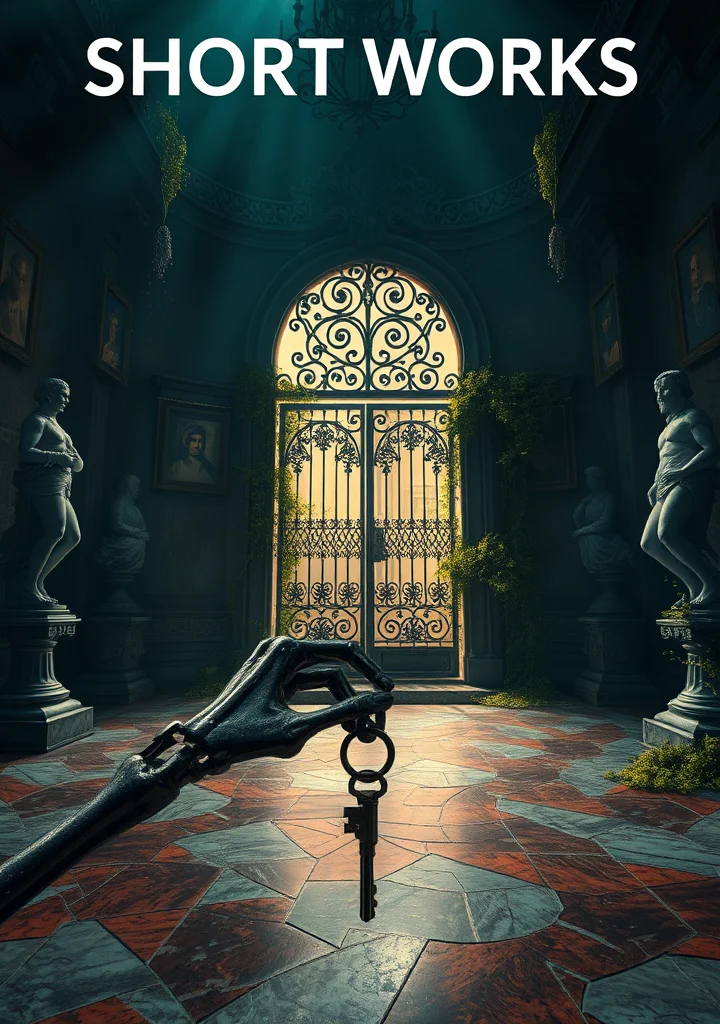
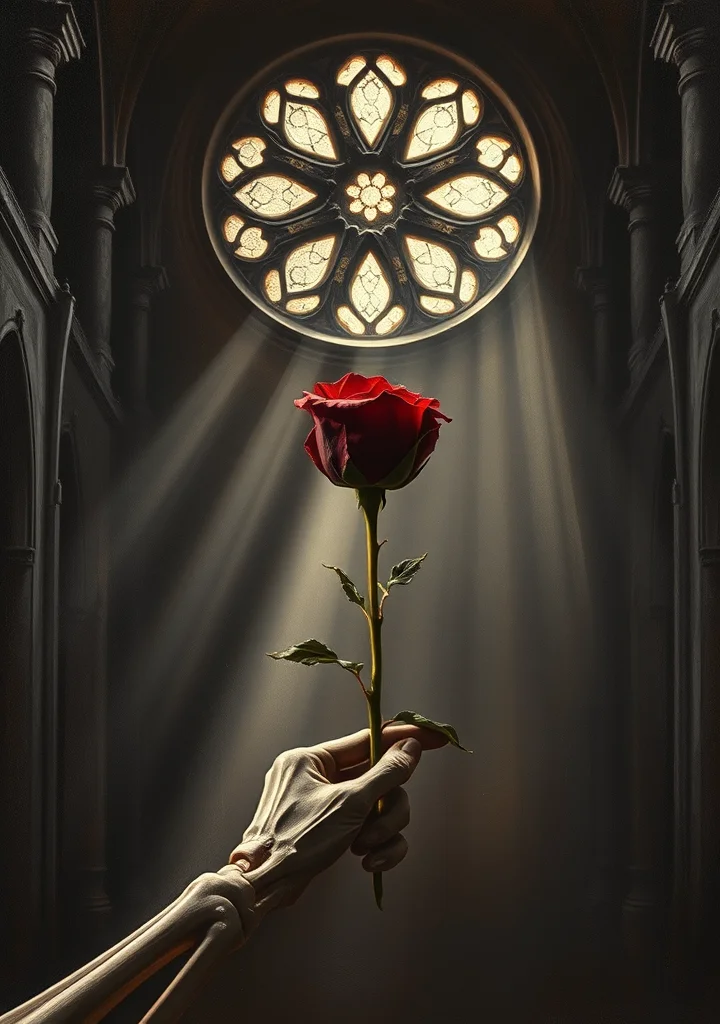
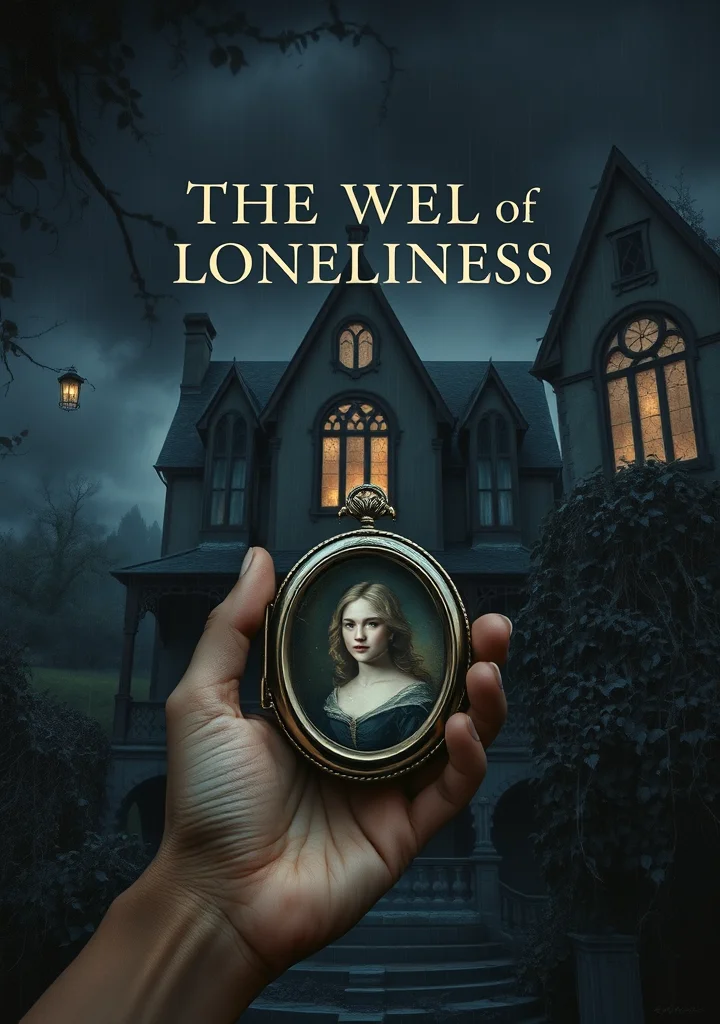
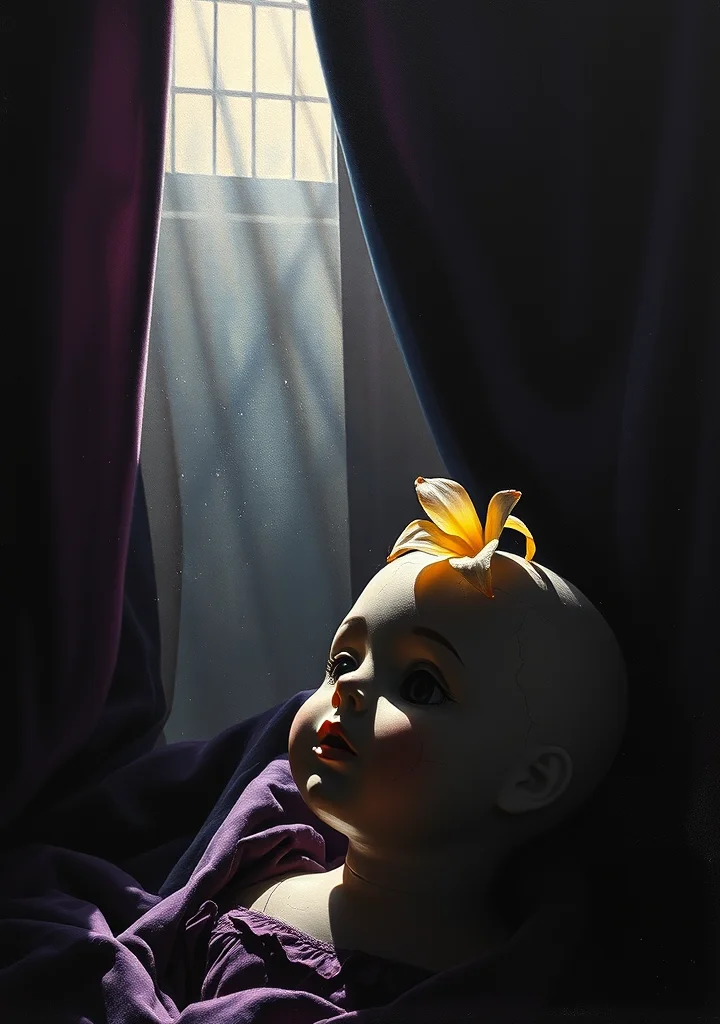
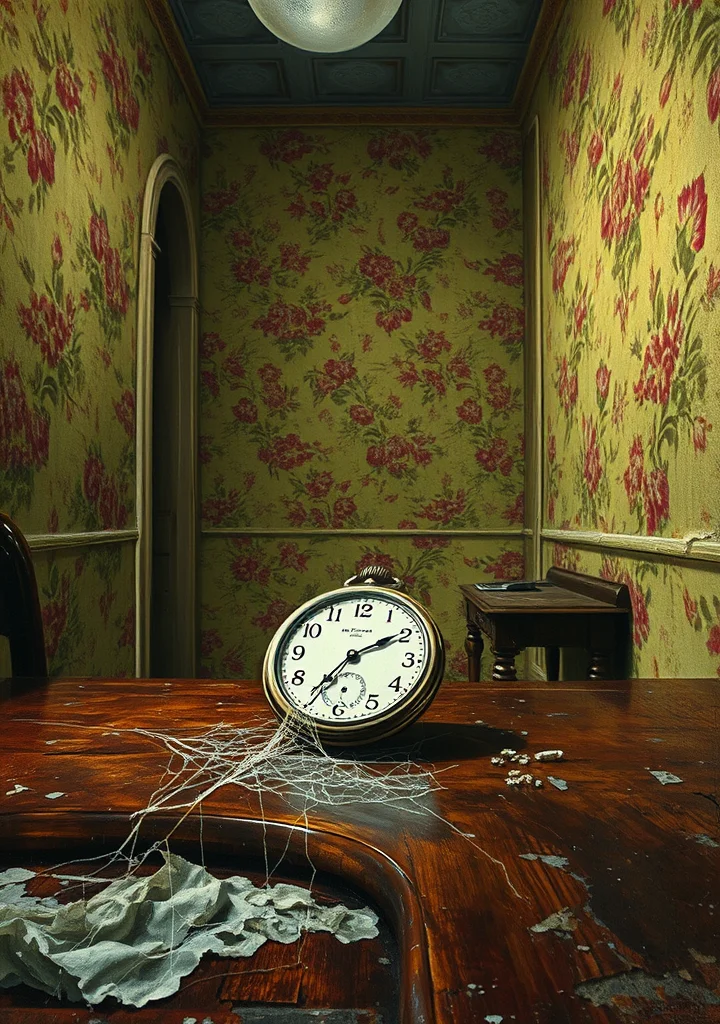
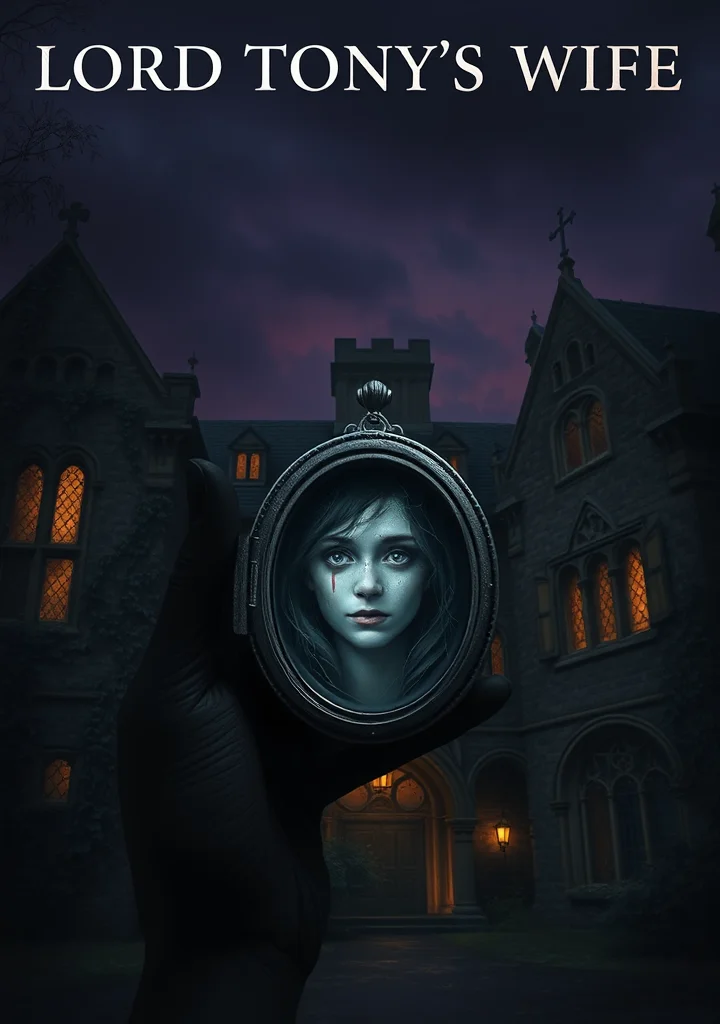
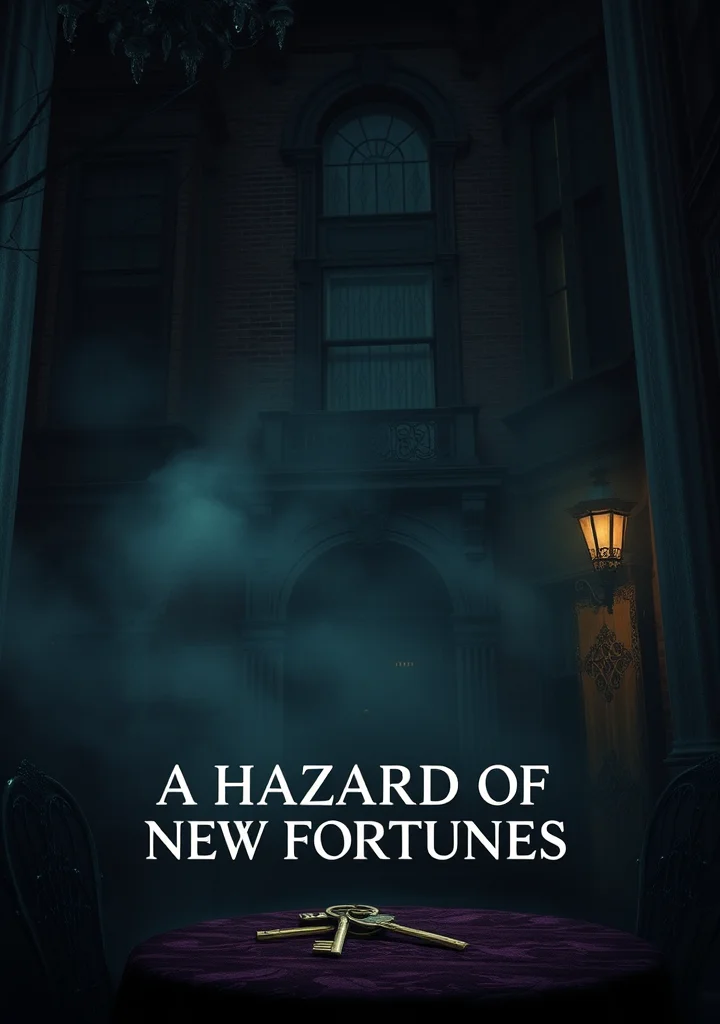
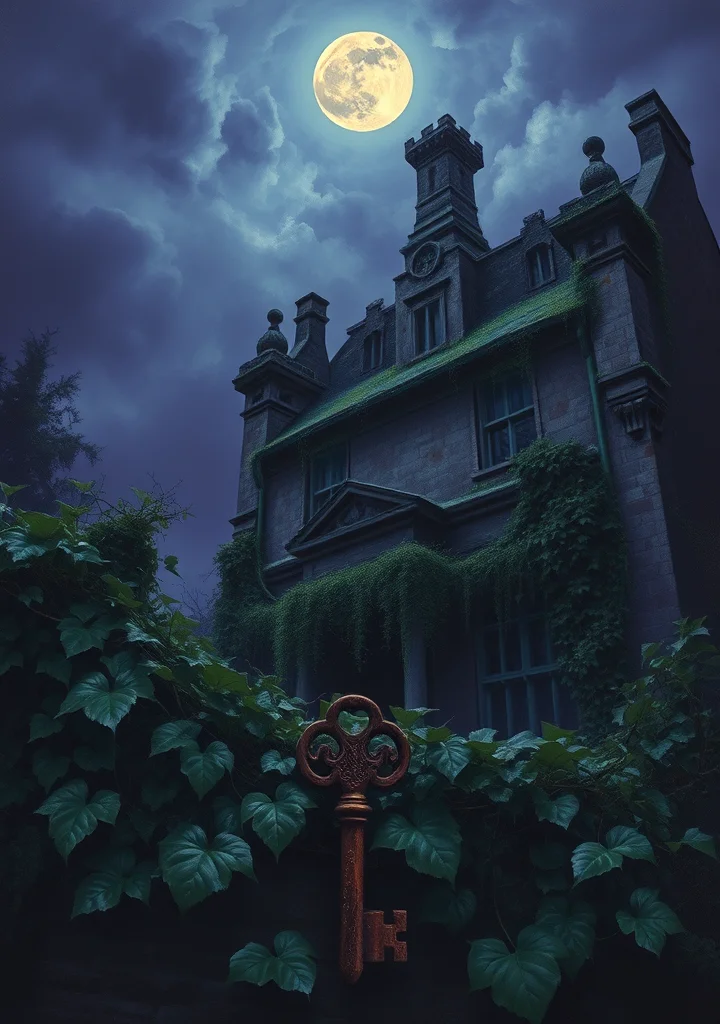
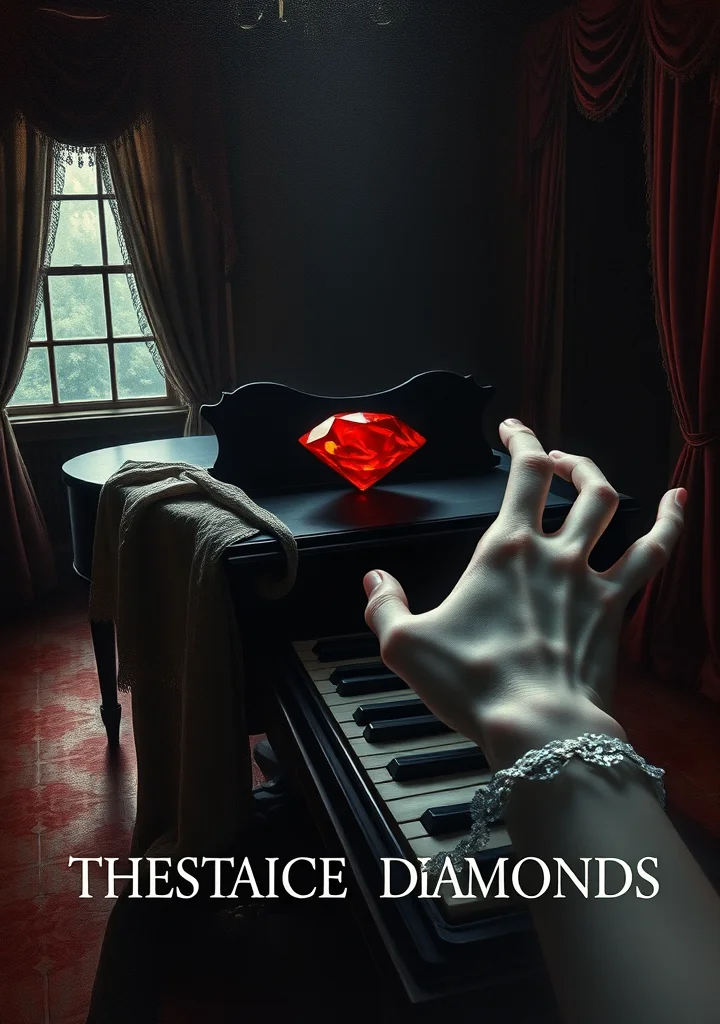
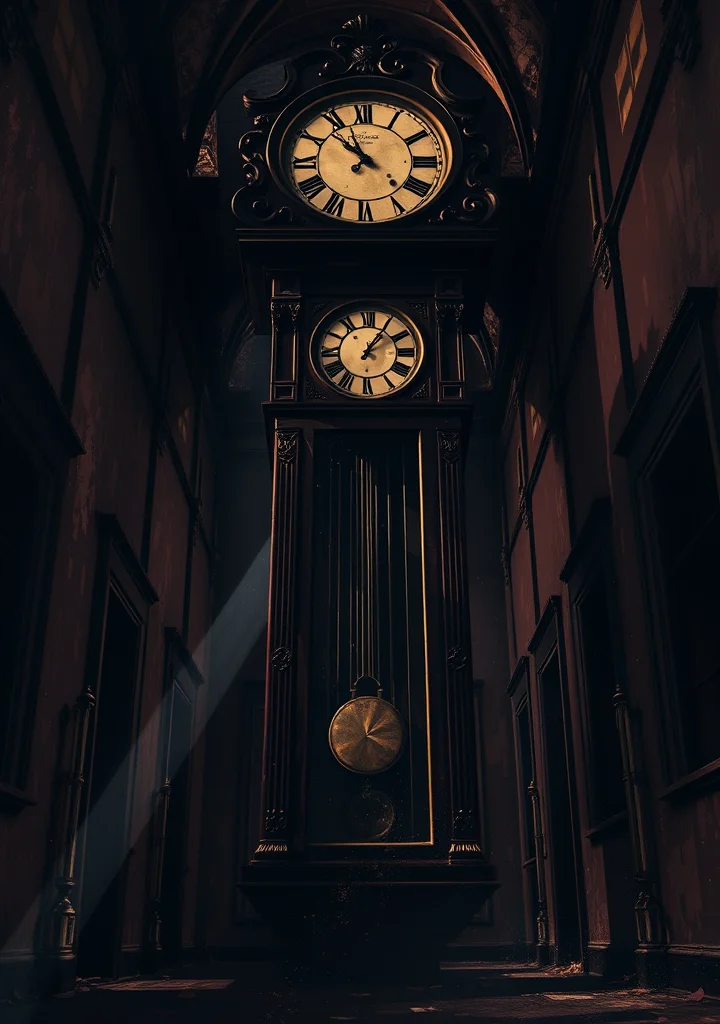
Dust motes dance in the perpetual twilight of the sprawling, isolated mansion, each tick of the grandfather clock echoing like a skeletal heartbeat within its shadowed halls. A suffocating silence clings to the antique furnishings, thick with the scent of decay and forgotten things. Here, within the shadowed corners of the sprawling estate, a web of secrets unravels with each passing hour, woven into the very fabric of the house itself. The air is heavy with unspoken accusations and the ghosts of fractured family histories. A creeping dread seeps from the darkened rooms, fueled by whispered rumors of a hidden fortune and a tragic, unsolved disappearance. Every ornate detail – a chipped porcelain doll, a tarnished silver locket, a cobweb-veiled portrait – feels imbued with a mournful resonance. The shadows lengthen with each revelation, twisting familiar spaces into labyrinthine traps. A sense of being watched permeates every room, and the old clock’s rhythmic pulse feels less like a measure of time, and more like a countdown to a final, chilling revelation. The house itself seems to breathe, holding its secrets close, guarding them with a chilling stillness that promises only danger and despair.
Copyright: Public Domain
This license allows anyone to use your story for any purpose, including printing, selling, or adapting it into a film freely.
This license allows anyone to use your story for any purpose, including printing, selling, or adapting it into a film freely.
More like this