
-
Read 430
-
0
-
Part 23
Completed, First published Mar 02, 2026
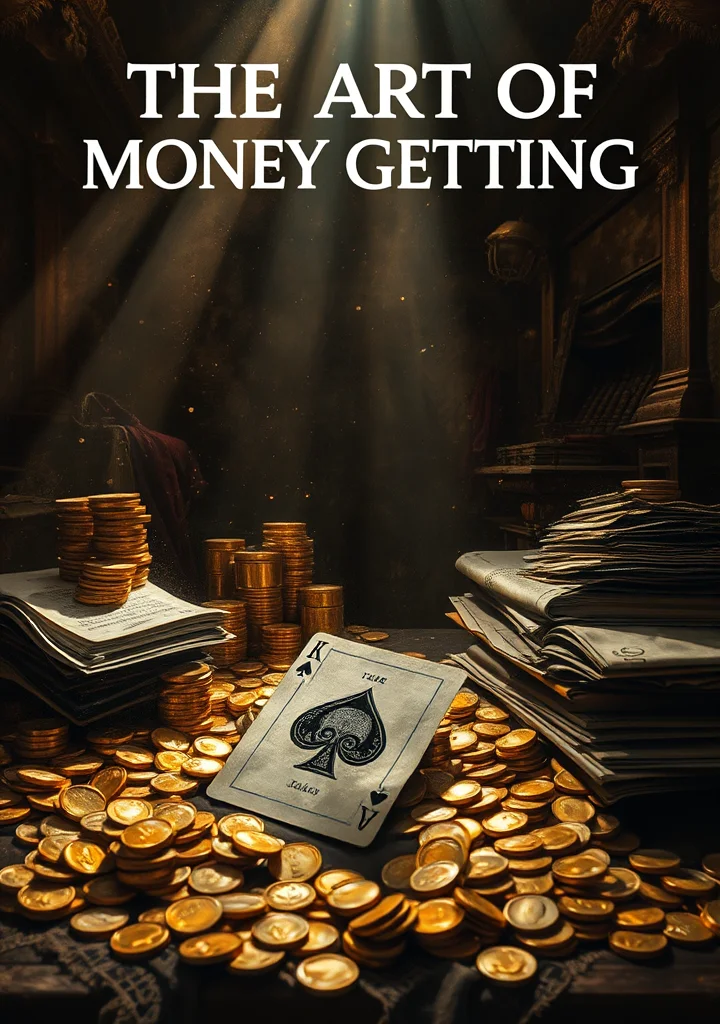
Dust motes dance in the perpetual twilight of a forgotten counting house, where the scent of old paper and decaying ambition clings to the shadowed walls. This is not a tale of simple acquisition, but a descent into the gilded rot of obsession. Barnum’s ‘Art’ unfolds as a fever dream of speculation—a labyrinthine city built on whispers and the crumbling facades of fortunes won and lost. Each chapter breathes with the chill of calculated risk, the suffocating velvet of confidence schemes, and the gnawing hunger for more than mere sustenance.
The narrative is less a how-to manual and more a confession, scrawled in the blood of broken men and the hollow echoes of empty vaults. It’s a story of mirrors, reflecting not wealth, but the monstrous desires that feed it. A spectral ledger appears to haunt the pages, detailing not sums, but the slow unraveling of morality. The air thickens with the rustle of unseen contracts, the phantom touch of grasping hands, and the cold, clinical precision of a man dissecting the very heart of human need.
Shadows lengthen as the author’s voice, a spectral auctioneer, relentlessly catalogues the currency of delusion. It is a grim spectacle, where every transaction leaves a residue of ash, and the final price paid is not in gold, but in the erosion of the soul itself. The book doesn’t promise riches—it promises a haunting, a glimpse into the abyss where avarice becomes a consuming god.
Copyright: Public Domain
This license allows anyone to use your story for any purpose, including printing, selling, or adapting it into a film freely.
This license allows anyone to use your story for any purpose, including printing, selling, or adapting it into a film freely.
Chapter List
-
« The Art of Money Getting »📖 Continue Reading
-
« Introduction »
-
« The Art of Money Getting »
-
« Don’t Mistake Your Vocation »
-
« Select the Right Location »
-
« Avoid Debt »
-
« Persevere »
-
« Whatever You Do, Do It with All Your Might »
-
« Depend Upon Your Own Personal Exertions »
-
« Use the Best Tools »
-
« Don’t Get Above Your Business »
-
« Learn Something Useful »
-
« Let Hope Predominate, but Be Not Too Visionary »
-
« Do Not Scatter Your Powers »
-
« Be Systematic »
-
« Read the Newspapers »
-
« Beware of “Outside Operations” »
-
« Don’t Endorse Without Security »
-
« Advertise Your Business »
-
« Be Polite and Kind to Your Customers »
-
« Be Charitable »
-
« Don’t Blab »
-
« Preserve Your Integrity »
23
-
« The Art of Money Getting »
-
« Introduction »
-
« The Art of Money Getting »
-
« Don’t Mistake Your Vocation »
-
« Select the Right Location »
-
« Avoid Debt »
-
« Persevere »
-
« Whatever You Do, Do It with All Your Might »
-
« Depend Upon Your Own Personal Exertions »
-
« Use the Best Tools »
-
« Don’t Get Above Your Business »
-
« Learn Something Useful »
-
« Let Hope Predominate, but Be Not Too Visionary »
-
« Do Not Scatter Your Powers »
-
« Be Systematic »
-
« Read the Newspapers »
-
« Beware of “Outside Operations” »
-
« Don’t Endorse Without Security »
-
« Advertise Your Business »
-
« Be Polite and Kind to Your Customers »
-
« Be Charitable »
-
« Don’t Blab »
-
« Preserve Your Integrity »
More like this