
-
Read 323
-
0
-
Part 13
Completed, First published Mar 02, 2026
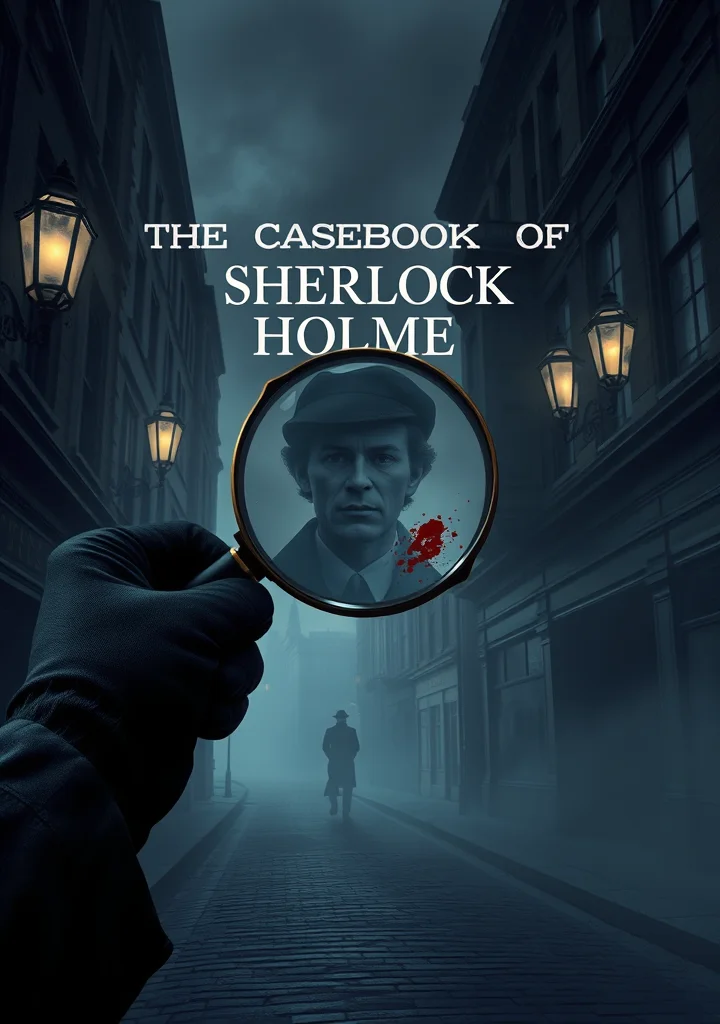
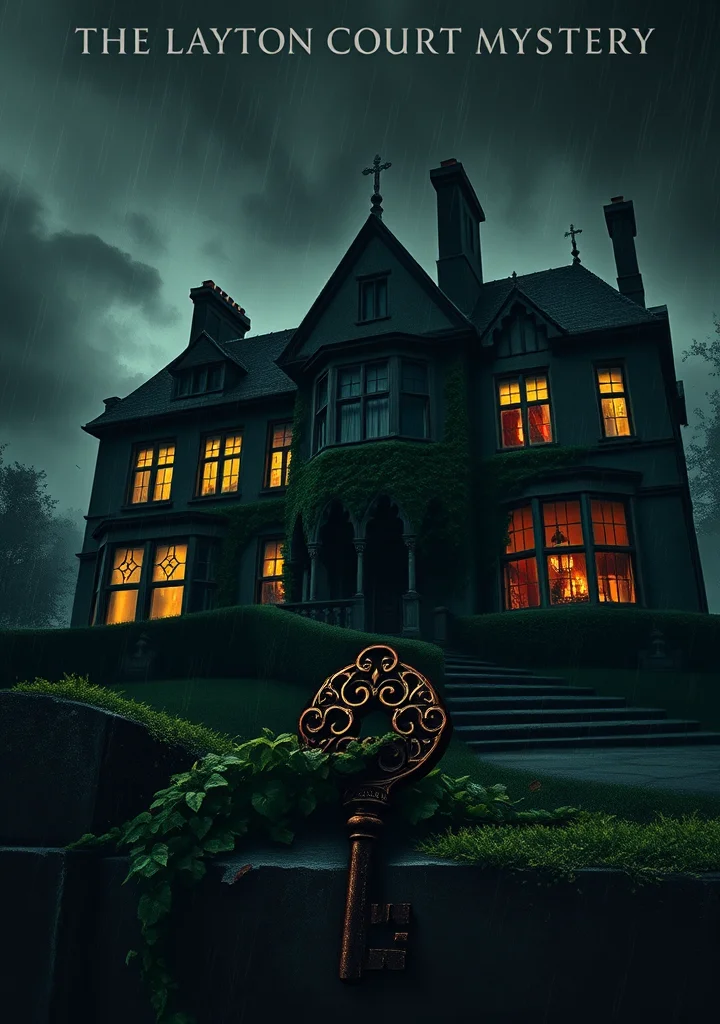
The chill of the North Sea clings to every page, a damp, salt-laden dread that seeps into the marrow of London’s shadowed streets. This is not the flamboyant deduction of Baker Street, but a descent into a suffocating twilight where loyalty and nation bleed into the mire of espionage. A retired Holmes, haunted by the ghosts of past victories, is lured back into the game – a final, desperate dance with a phantom known only as Von Borg. The narrative coils like fog around a crumbling pier, thick with the scent of decay and the whispers of men swallowed by the sea. Every observation feels weighted with consequence, each shadowed doorway a potential tomb. The stakes are not merely life and death, but the slow erosion of England's very foundations, eaten away by a creeping, insidious darkness. The prose is brittle, precise, mirroring the cold efficiency of the threat itself. A sense of finality pervades, not just for Holmes, but for an era of innocence, extinguished like a guttering candle in the face of a coming storm. It is a story told in hushed tones, within rooms lit by gaslight, where the only warmth comes from the bitter taste of duty and the knowledge that this time, failure means oblivion.
Copyright: Public Domain
This license allows anyone to use your story for any purpose, including printing, selling, or adapting it into a film freely.
This license allows anyone to use your story for any purpose, including printing, selling, or adapting it into a film freely.
Chapter List
-
« His Last Bow »📖 Continue Reading
-
« Preface »
-
« His Last Bow »
-
« The Adventure of Wisteria Lodge »
-
« The Singular Experience ofMr.John Scott Eccles »
-
« The Tiger of San Pedro »
-
« The Adventure of the Red Circle »
-
« PartI »
-
« PartII »
-
« The Adventure of the Dying Detective »
-
« The Disappearance of Lady Frances Carfax »
-
« The Adventure of the Devil’s Foot »
-
« His Last Bow »
13
-
« His Last Bow »
-
« Preface »
-
« His Last Bow »
-
« The Adventure of Wisteria Lodge »
-
« The Singular Experience ofMr.John Scott Eccles »
-
« The Tiger of San Pedro »
-
« The Adventure of the Red Circle »
-
« PartI »
-
« PartII »
-
« The Adventure of the Dying Detective »
-
« The Disappearance of Lady Frances Carfax »
-
« The Adventure of the Devil’s Foot »
-
« His Last Bow »
More like this