
Moll Flanders
  • 43
  • 0
  • 4
  • Reads 43
  • 0
  • Part 4
Completed, First published Mar 02, 2026

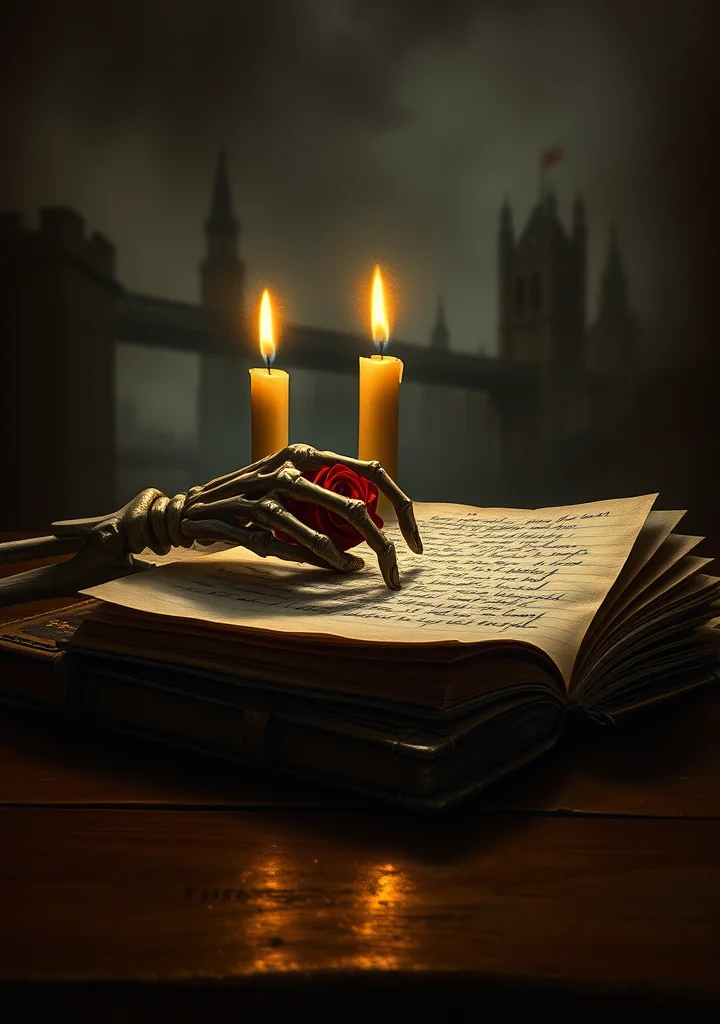
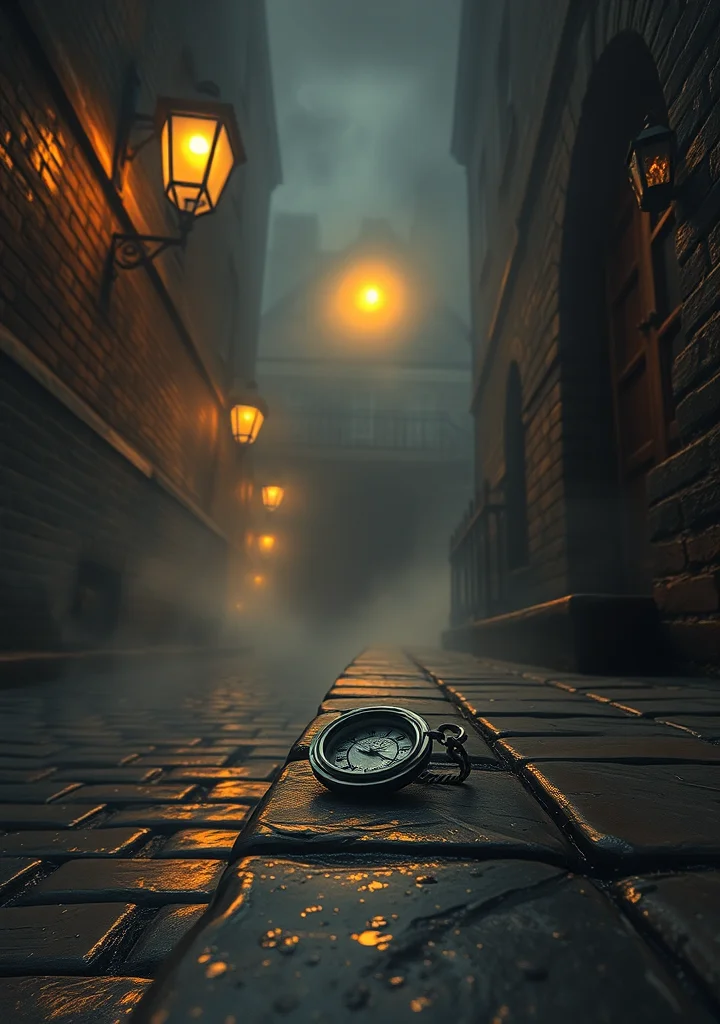
A creeping fog clings to London’s alleys, mirroring the moral decay within Moll’s own heart. This is not a tale of grand adventure, but of shadowed doorways and desperate bargains struck in candlelight. Each marriage, each betrayal, feels less like a choice and more like a tightening noose. The air hangs thick with the scent of gin and regret, clinging to the damp brick of forgotten warehouses where Moll trades not just goods, but pieces of herself for survival. Her narrative unfolds as a confession whispered in the gloom, a chilling testament to the lengths a woman will go to carve a life from the refuse of society. The city itself is a predator, offering fleeting warmth only to swallow you whole. Even in moments of supposed prosperity, a skeletal chill persists – a reminder of the hunger that drove her, and the darkness she embraced to escape it. It’s a slow descent into a labyrinth of want, where innocence is shed like a worn cloak, leaving only the raw, shivering bone of necessity. The narrative doesn’t soar, it *seeps*, staining the reader with the grime of Moll’s world until you too feel the cold stone beneath your feet.

Copyright: Public Domain
This license allows anyone to use your story for any purpose, including printing, selling, or adapting it into a film freely.
Recommended for you
65 Part
A suffocating fog clings to the cobblestones of Paris, mirroring the miasma of dread that seeps from the shadowed alleys and the decaying grandeur of the city’s heart. Gaboriau doesn’t offer a mere crime to unravel, but a descent into a labyrinthine underworld where the desperate are bound by debts of flesh and spirit to a cabal of silent, unseen masters. The air is thick with the scent of rot—not just of corpses discovered in the Seine, but of lives systematically broken down, of wills surrendered to a creeping, insidious control. Each chapter feels like a stolen glance through a keyhole, revealing glimpses of shadowed figures flitting between pawn shops and opium dens. The narrative winds through a decaying aristocracy, haunted by past sins and complicit in present ones, and a brutalized underworld of forgers, thieves, and the discarded. It’s a Paris where every whispered confidence is a transaction, every act of kindness a snare, and the boundaries between victim and predator blur into a sickening grey. The novel doesn't build to a climactic reveal, but rather unravels like a unraveling shroud, revealing not *who* commits the crimes, but *how* the very fabric of Parisian society is woven with corruption. A sense of helplessness pervades, a suffocating weight that descends with the Parisian rain. The reader is not merely observing a mystery; they’re being submerged in the moral decay of a city on the brink of collapse, where the only true currency is silence, and the price of freedom is paid in stolen breaths.
23 Part
A creeping fog clings to the London streets, mirroring the decay within the soul of Marius, a man thrust back into a world he barely remembers—a world fractured by the Great War and shadowed by a primal, creeping dread. Chesterton weaves a tale not of heroism or triumph, but of endurance, of a being *too* innocent for a world drowning in its own justifications. The narrative unfolds as a fragmented confession, delivered by a man unbound from time’s usual moorings, his perspective both alien and disturbingly familiar. The city itself becomes a labyrinth of echoing grief, each cobblestone slick with the residue of forgotten horrors. Marius’s return is not a resurrection, but a haunting—he exists as a witness to the brutal arithmetic of modern existence, a silent observer as humanity dismantles its own sanctity. The atmosphere is thick with the scent of coal smoke and something older, something akin to the earth’s slow, indifferent exhale. He is neither angel nor demon, but a stark, unsettling presence, forcing those he encounters to confront the uncomfortable truth of their own compromised faith. The novel doesn’t offer resolution, but a slow unraveling of certainty, a descent into the quiet desperation of a man who sees too clearly the scaffolding of a broken world—and the chilling beauty of its enduring, terrible logic. It is a study in the endurance of the spirit, but the spirit is not merely human, and its survival is not a comfort, but a persistent, unsettling echo in the ruins.