
-
Read 331
-
0
-
Part 19
Completed, First published Mar 02, 2026
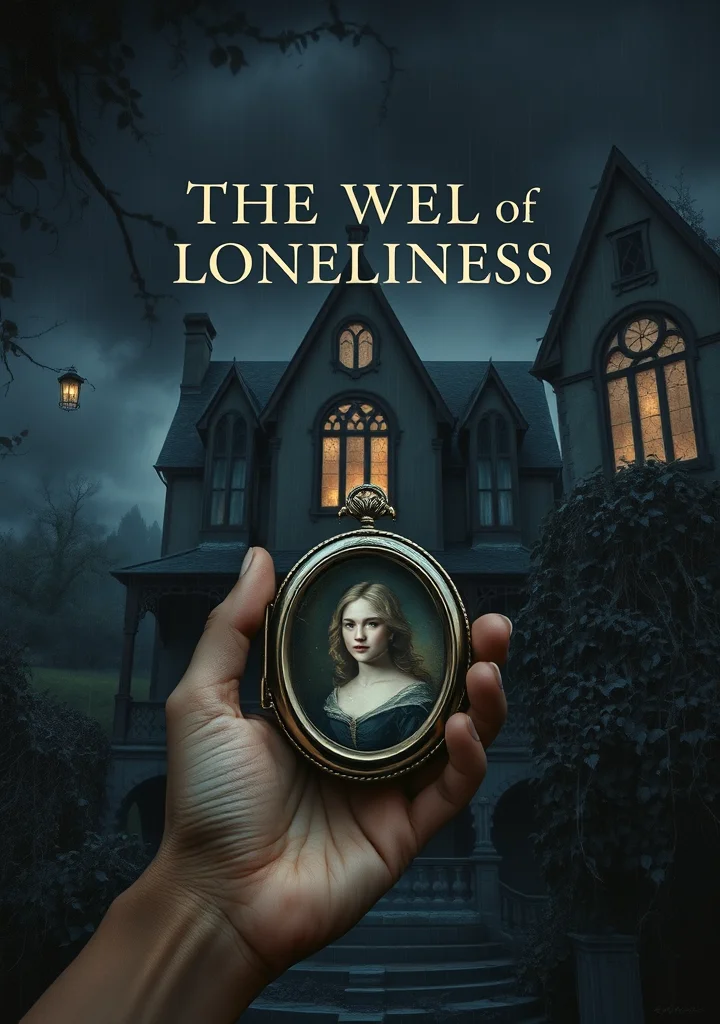
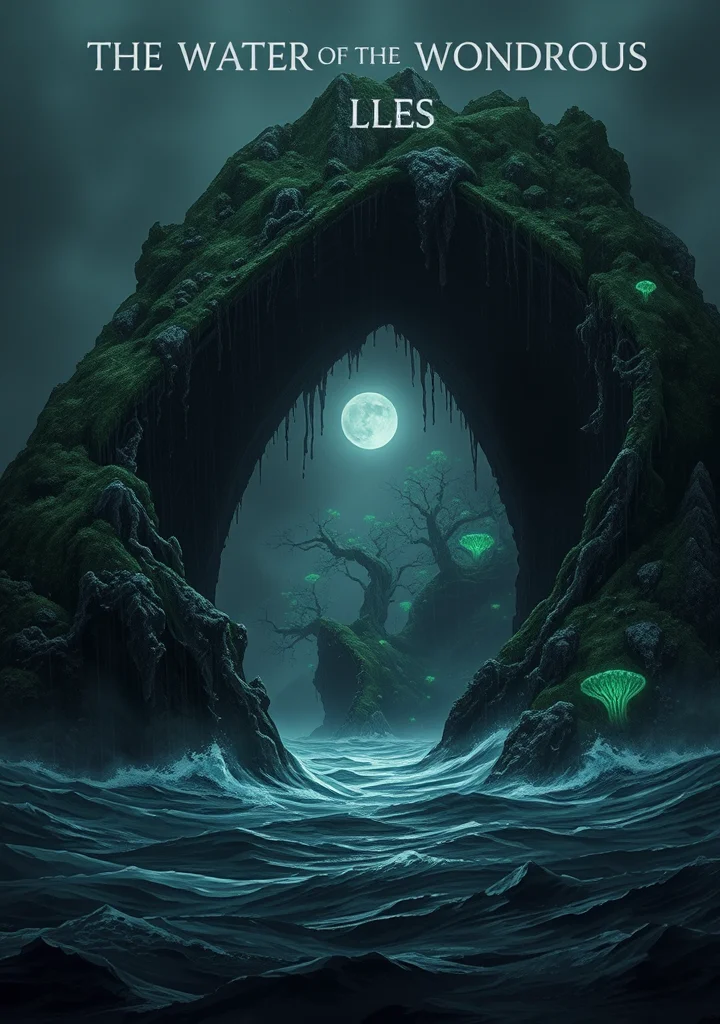
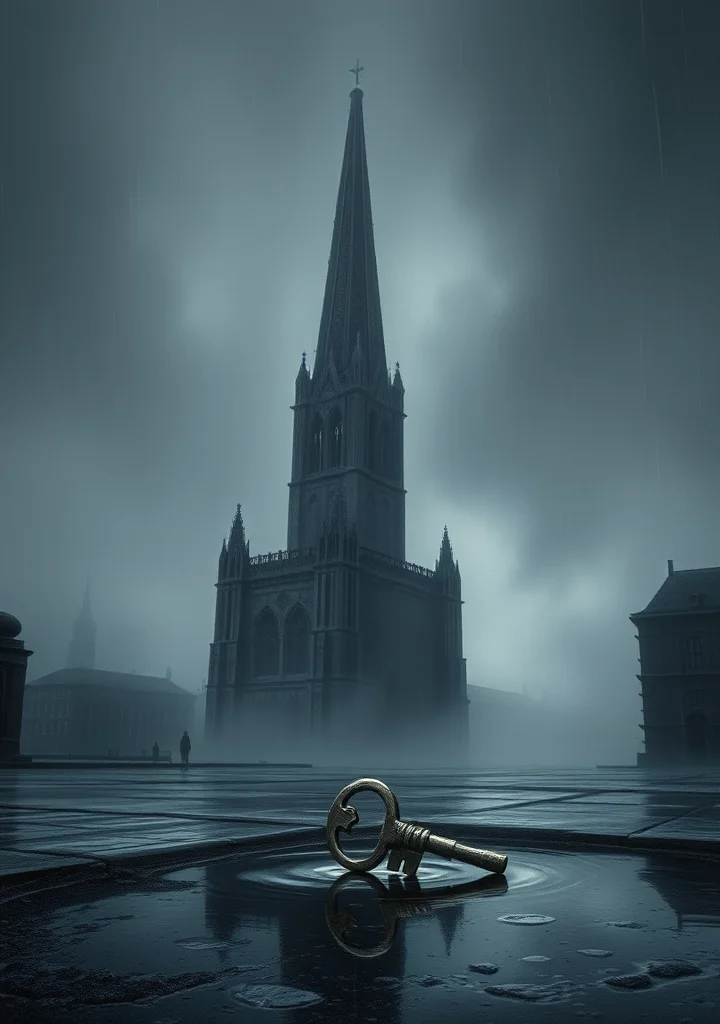
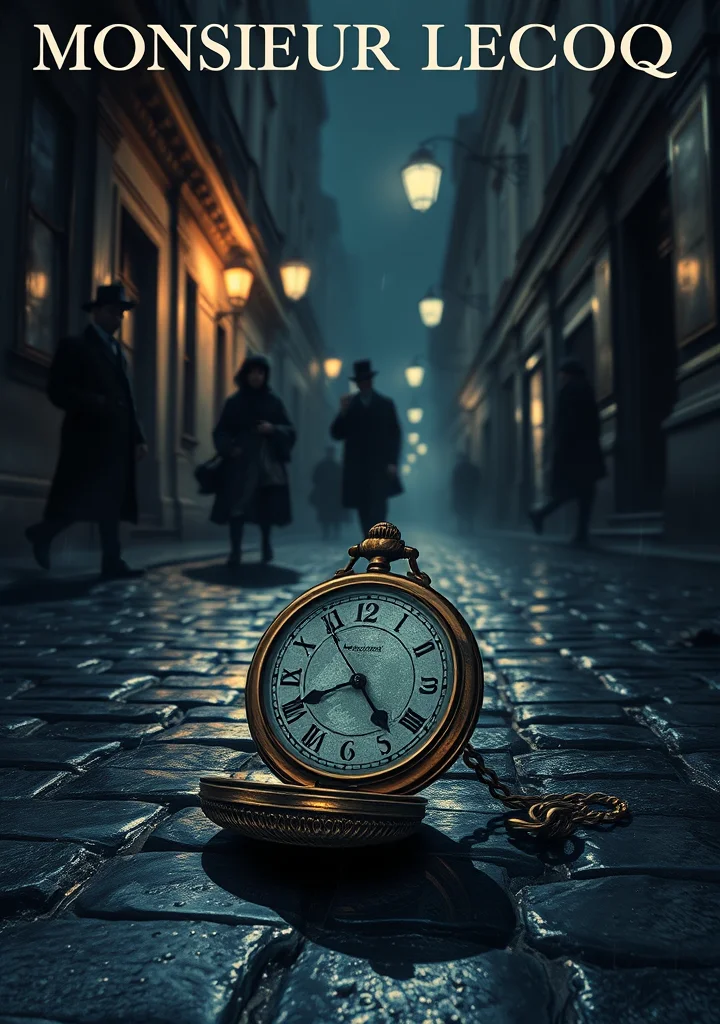
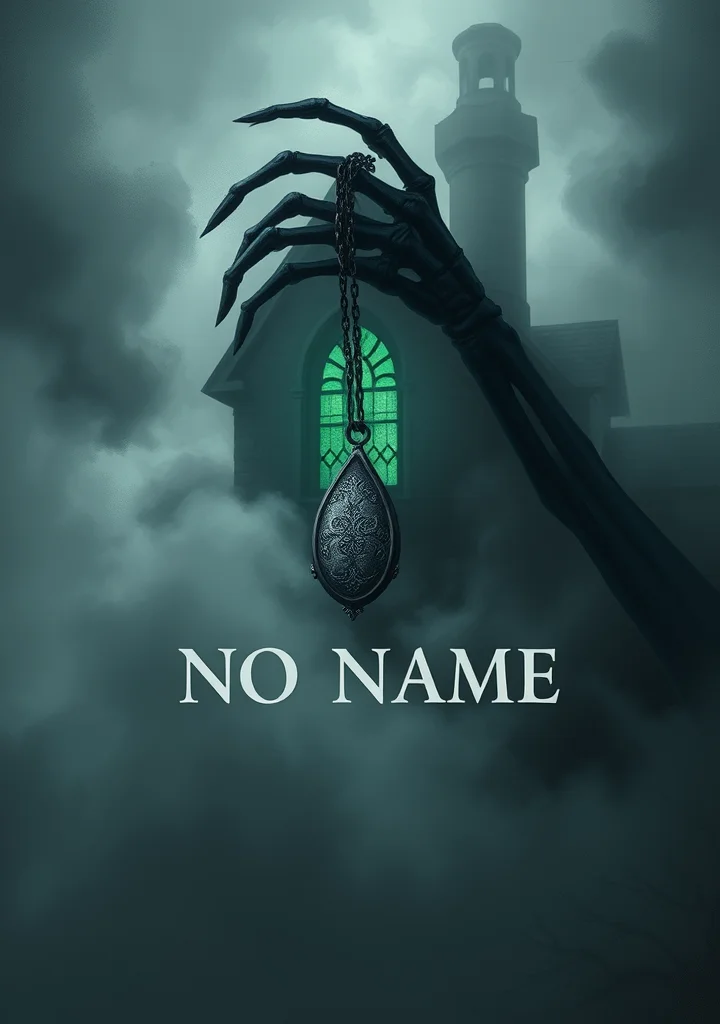
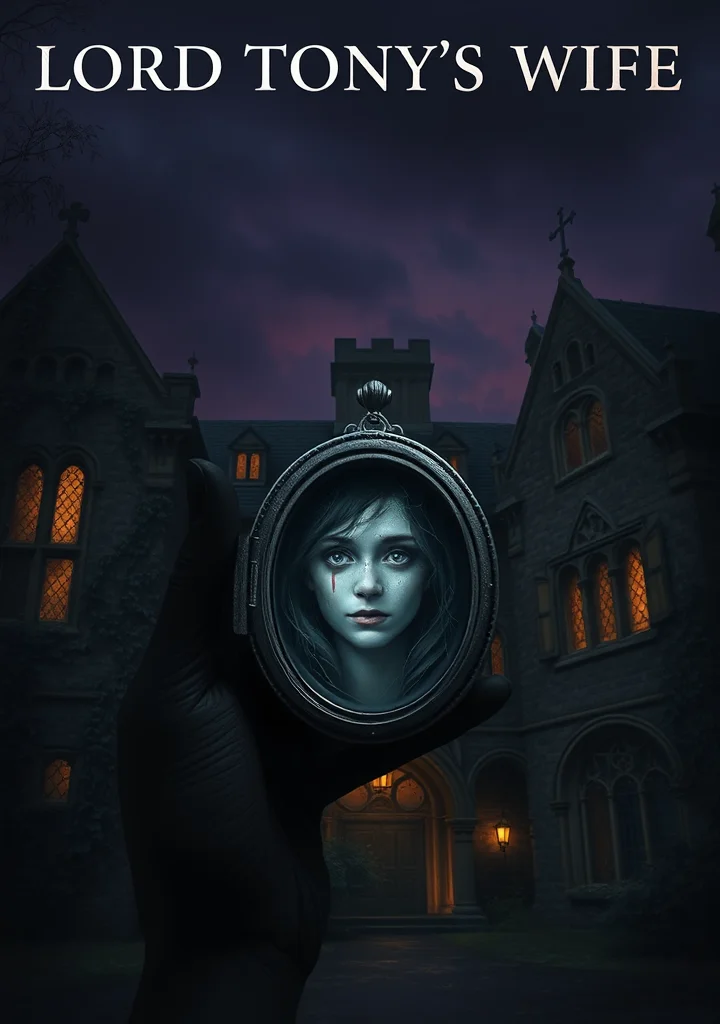
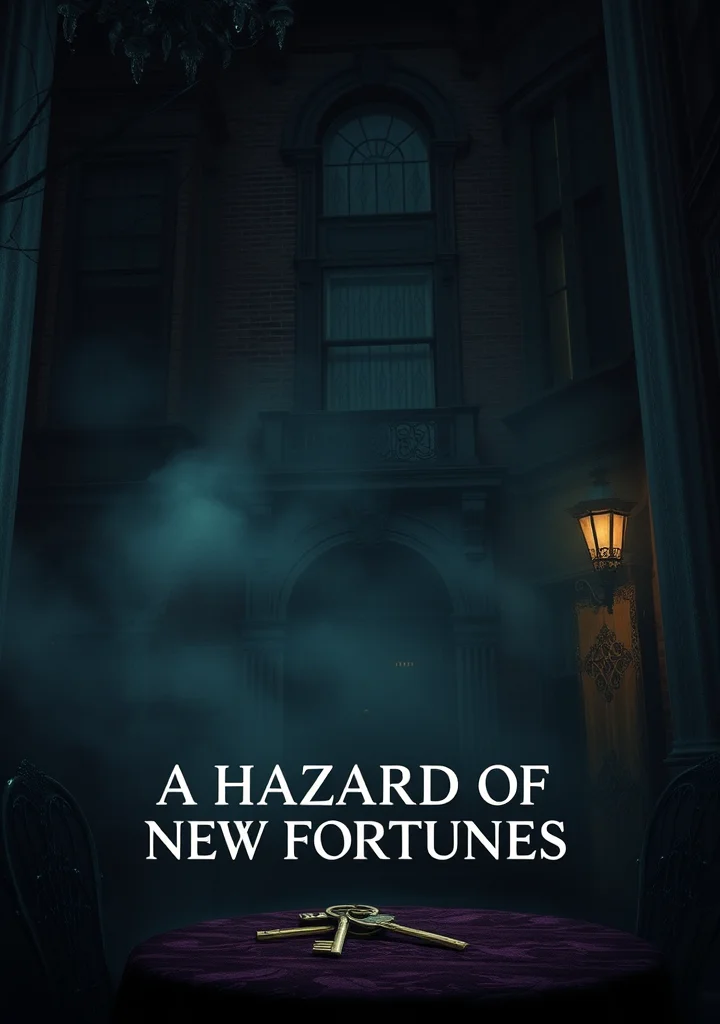
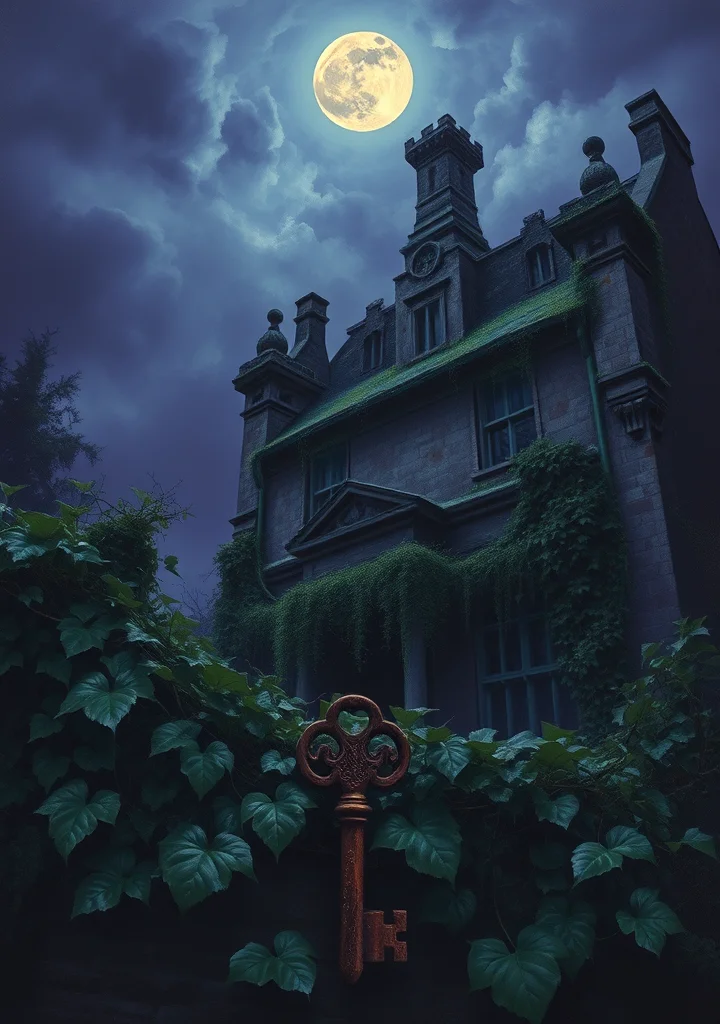
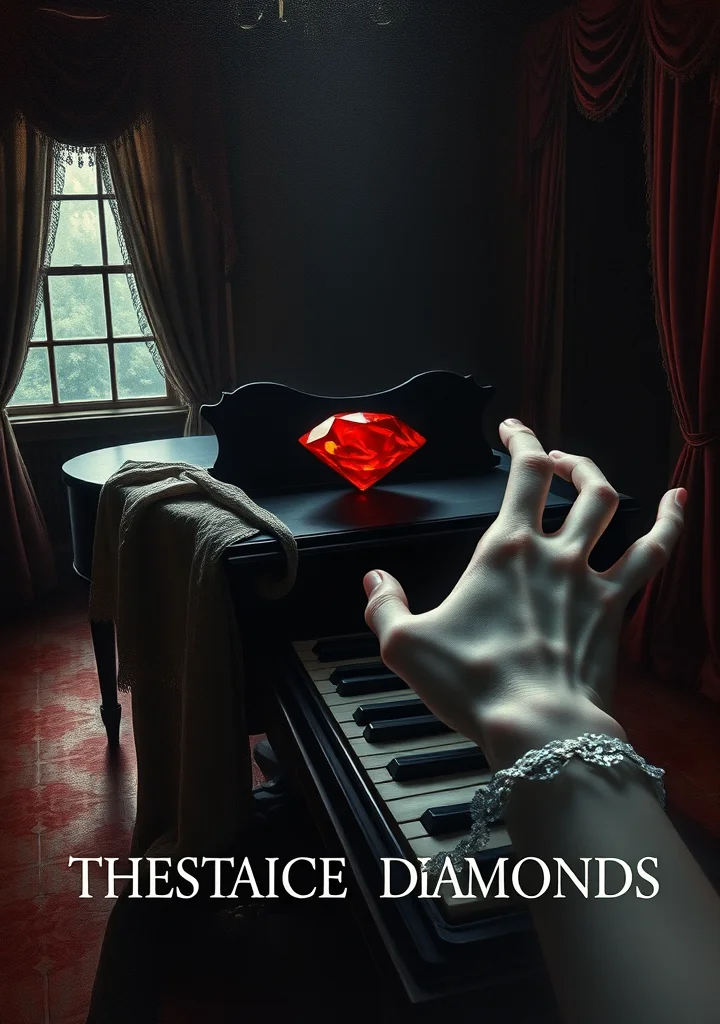
A creeping fog of discontent clings to the brickwork of domesticity. Within shadowed parlors and gaslit streets, a quiet unraveling occurs—not of passion or madness, but of the very foundations upon which a woman’s life is built. This is not a tale of ghosts in castles, but of specters haunting the ledger books and the nursery. Each chapter exhales the chill of systemic constraint, a suffocating dampness rising from the well of unfulfilled potential. The narrative unfolds as a slow dissection of societal wounds, revealing the bone-deep ache of economic dependency and the spectral hunger of ambition denied. A pervasive stillness—the silence of swallowed wages, the muted cries of innovation stifled—becomes the most haunting element. It is a story whispered in the echoing corridors of a world built on imbalance, where the very air tastes of obsolescence and the future feels like a locked room, visible only through frosted panes. The suffocating weight of expectation presses down like a tombstone, and the characters, caught in its shadow, are not merely living, but slowly eroding into the stone of their own making. A subtle, insidious horror – the realization that the cage is gilded, and the key is lost within the very system designed to hold it.
Copyright: Public Domain
This license allows anyone to use your story for any purpose, including printing, selling, or adapting it into a film freely.
This license allows anyone to use your story for any purpose, including printing, selling, or adapting it into a film freely.
More like this