
Through the Looking-Glass
  • 132
  • 0
  • 17
  • Reads 132
  • 0
  • Part 17
Completed, First published Mar 02, 2026

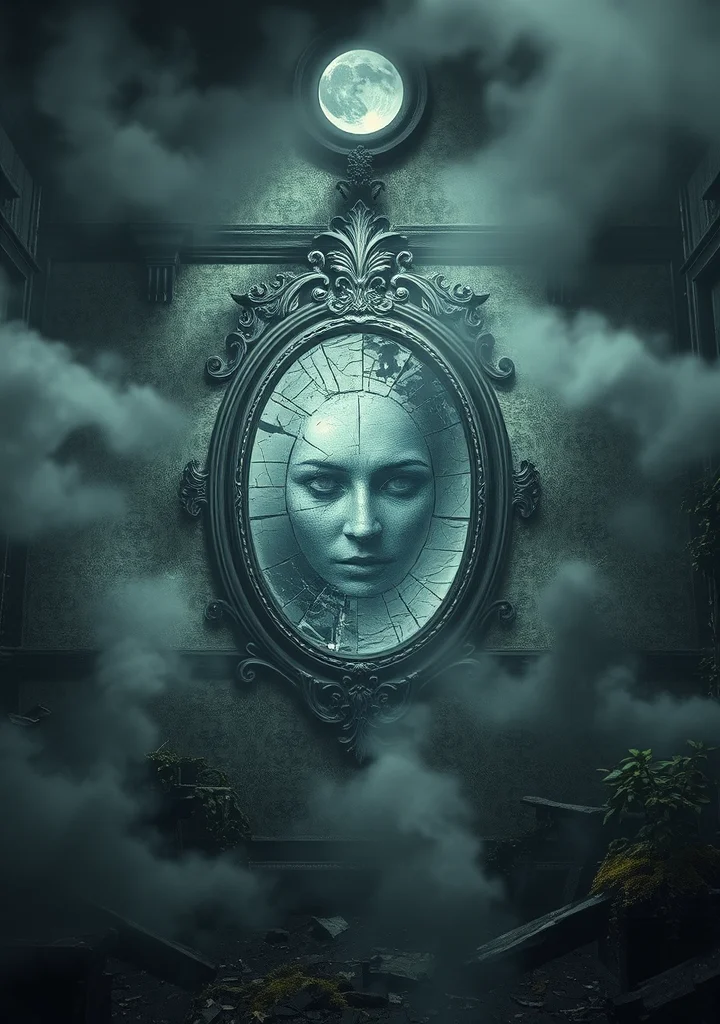
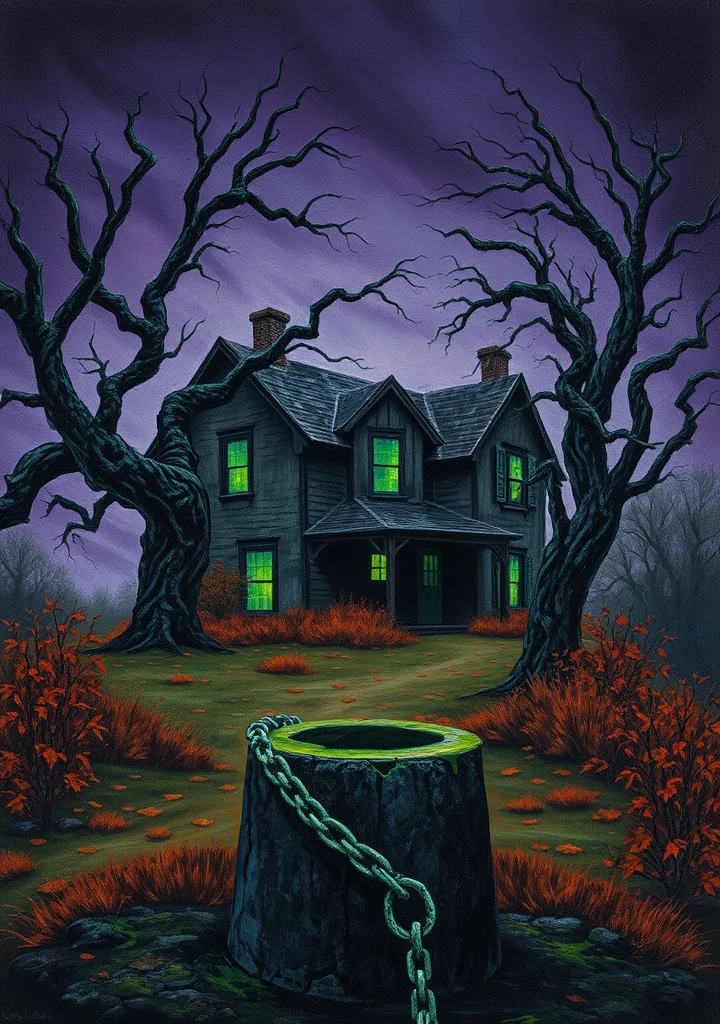
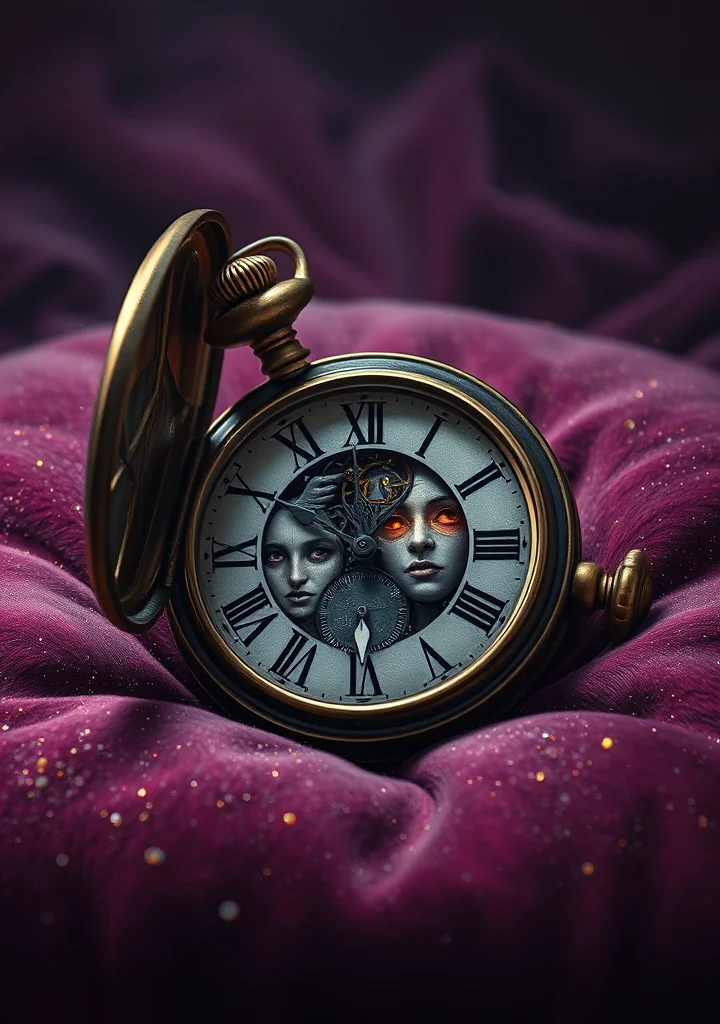
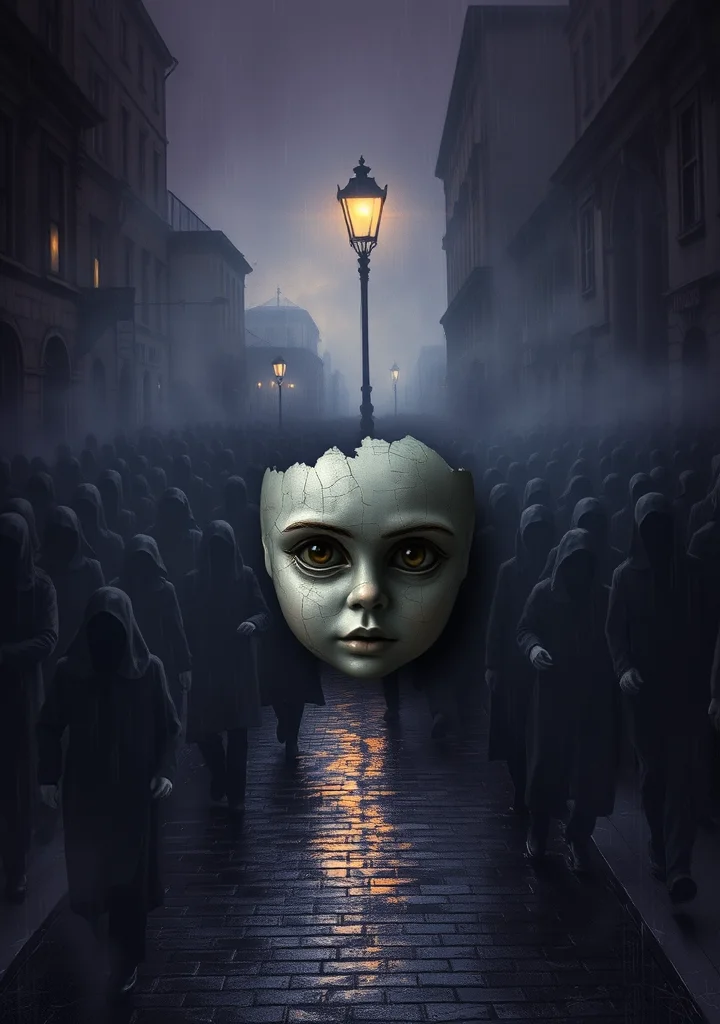
A creeping chill settles with each step beyond the frame, a distortion of childhood wonder curdled into something brittle and unsettling. The world on the other side isn't merely reversed, but fractured—a labyrinth of impossible angles and echoing silences. Sunlight feels like a fractured bone, casting long, predatory shadows that mimic the shapes of forgotten toys. The air tastes of dust and regret, thick with the scent of moth wings and decaying lace. Here, logic unravels like threadbare velvet, and the smiles of the inhabitants are less invitations to play than subtle, predatory lures. Each room is a mirror reflecting not reality, but the fractured psyche of a dreaming child. The very architecture seems to breathe, shifting and reshaping itself to trap unwary visitors in its crystalline cages. A pervasive unease clings to every surface, a whisper that the Looking-Glass isn’t a portal *to* another world, but a prison *within* one. The further one travels, the more the boundaries between dream and nightmare blur, until only the echoing cadence of fractured laughter remains—a chilling reminder that something vital has been left behind, or perhaps, stolen away entirely. The garden, overgrown with thorns of polished glass, feels less like a place of beauty and more like a mausoleum for lost innocence.
Copyright: Public Domain
This license allows anyone to use your story for any purpose, including printing, selling, or adapting it into a film freely.
Recommended for you
9 Part
Dust-choked cities bloom amidst the crimson jungles of Xylos, a world steeped in the residue of forgotten gods and the slick, humid breath of ancient sorceries. Here, beneath a bruised violet sky, the echoes of a fallen empire cling to crumbling ziggurats and whisper in the bone-white sands. The air itself is thick with the scent of decaying blooms and the metallic tang of ritual sacrifice. A creeping dread permeates the narrative, not of monstrous beasts or alien invaders, but of something far more insidious: the slow, suffocating unraveling of sanity within a populace bound to a decaying voodoo priesthood. Shadows stretch long and hungry from the monolithic structures, concealing both the predatory grace of the Xylosian natives and the desperate, fever-haunted machinations of the exiled Earthborn seeking to exploit the planet’s dark heart. The narrative unfolds within a claustrophobic maze of decaying grandeur, where every crumbling stone seems to pulse with a latent, venomous life. The atmosphere is one of oppressive heat, stifling incense, and the ever-present hum of unseen rituals. A sense of being watched—not by eyes of flesh and blood, but by the spectral gaze of ancestral spirits—infuses every shadowed corner. It’s a world where the boundaries between dream and nightmare blur, where the rot of the past threatens to consume the present, and where the very soil seems to weep with the memories of unspeakable acts. The pulse of Xylos is a slow, deliberate drumbeat drawing you toward a darkness from which no light returns.
19 Part
Beneath the sun-bleached stones of Sicily, a shadow descends. Not of bandits or political intrigue, but a creeping dread woven into the very fabric of ancient villas and crumbling chapels. The narrative unfolds within a labyrinth of sun-drenched courtyards concealing forgotten histories, and the scent of jasmine masking the rot of decaying grandeur. A young Englishwoman, adrift in a land of simmering passions and veiled secrets, finds herself drawn into a family’s fractured legacy—a legacy haunted by whispers of a tragic past. The air hangs thick with the weight of unfulfilled desires, and the heat breeds not just fever, but a suffocating claustrophobia. Each crumbling archway seems to observe, each darkened corridor to breathe with the ghosts of those who succumbed to melancholy. The landscape itself becomes a character—a brutal beauty that both lures and threatens. A slow unraveling of the heroine’s composure occurs as she navigates a treacherous dance between duty and desire, guided by a charismatic nobleman whose own shadow-self is barely contained. The romance, as it blooms, is laced with the venom of suspicion. Every stolen glance, every whispered confession, is shadowed by the possibility of deception. The story is less about the passion between two souls, and more about the suffocating atmosphere that threatens to swallow them both—a suffocating atmosphere born of isolation, ancient curses, and the slow, insidious decay of a noble line. The Sicilian soil itself seems to drink the light, leaving only an eternal twilight clinging to the heart of the story.
28 Part
A creeping dread settles over the manor of Blackwood Grange with each echoing tap. The rhythm isn’t of nails against wood, but something colder, something resonating from *within* the stone itself. Old Man Hemlock, caretaker for generations, claims the taps are the rhythm of the house remembering its dead – the Blackwood line extinguished by scandal and rot. But young Alistair, summoned to settle the estate, finds the taps follow *him*. They begin subtly, a phantom knock on the bedroom door at midnight, then escalate to the insistent pulse against the hearthstone, the icy brush against his collar as he descends the shadowed stairs. The Grange is a labyrinth of dust-choked corridors and portraits with eyes that seem to judge, the scent of decay clinging to velvet hangings and worm-eaten beams. Rain lashes against the leaded windows, mirroring the frantic beat of Alistair’s heart as he uncovers fragments of the Blackwood’s past – whispered accusations of witchcraft, a bride vanishing into the peat bogs, a legacy of madness woven into the very foundation. Each tap feels less like a haunting, and more like a summons—a beckoning from something ancient and hungry, buried beneath the Grange’s suffocating silence. It isn’t a ghost that haunts Blackwood Grange, but the house itself, and Alistair is being drawn into its stone embrace, to become another echo in its dreadful, rhythmic pulse. The three taps are not a warning, but an invitation.