
The Picture of Dorian Gray
  • 148
  • 0
  • 23
  • Reads 148
  • 0
  • Part 23
Completed, First published Mar 02, 2026

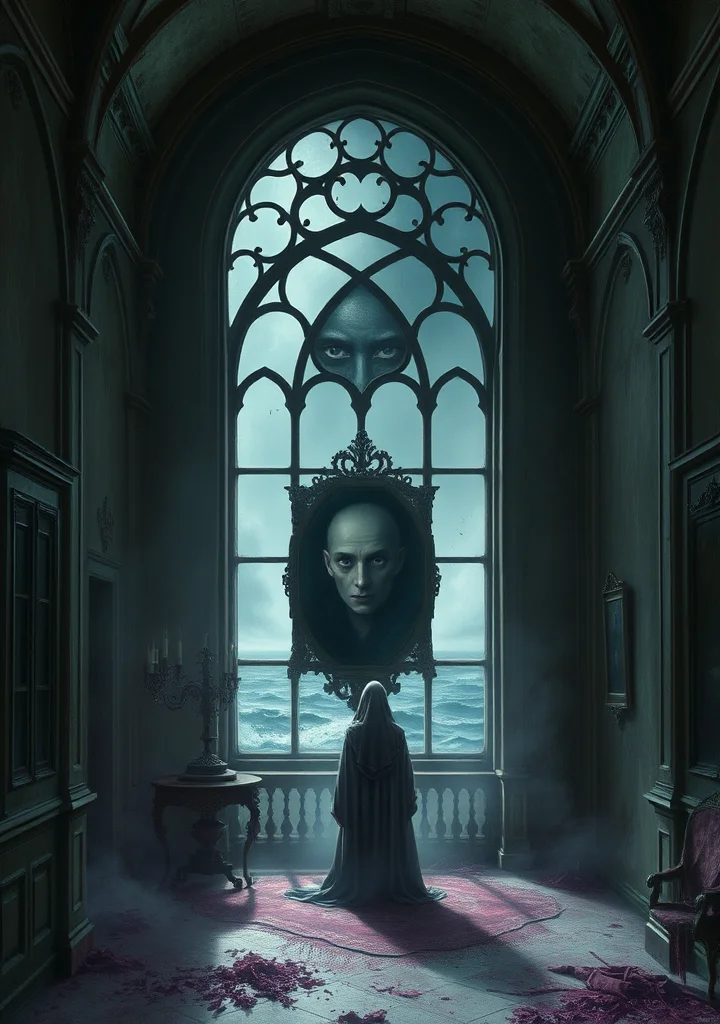
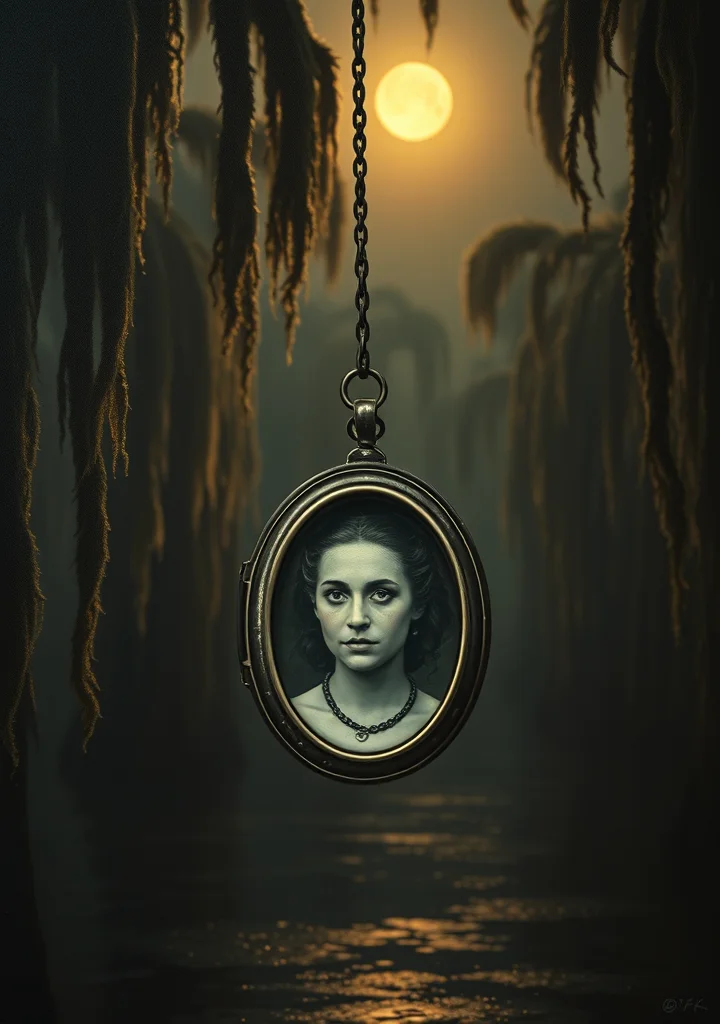
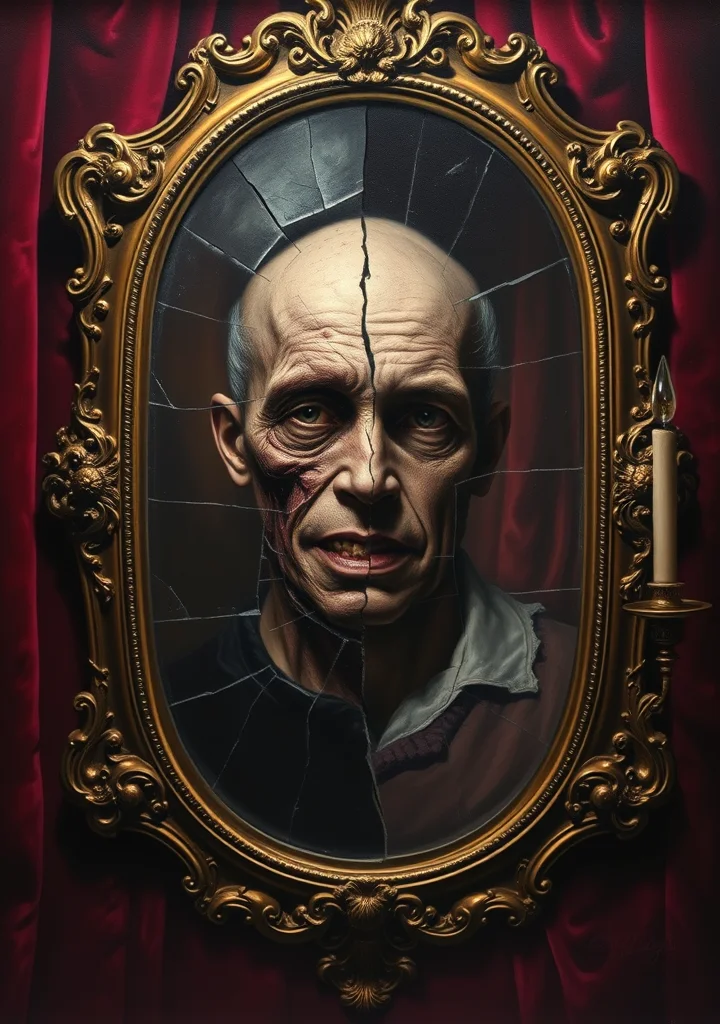
A chill permeates the opulent London drawing-rooms and shadowed alleyways where Dorian Gray’s beauty first blossoms. It is a London steeped in whispers of aestheticism, a feverish pursuit of pleasure masked by velvet and gilt. The narrative unfolds like a slow corruption, mirroring the decay hidden within a portrait born of vanity and pacts with unseen forces. A suffocating dread clings to the gilded cage of Dorian’s life, a suffocating weight born of impossible preservation. Each act of indulgence, each secret sin, leaves its mark not on the boy himself, but upon the canvas – a grotesque blossoming of ugliness mirroring the rot within his soul. The air grows thick with the scent of decaying lilies and regret as the portrait becomes a monstrous testament to a life bartered for eternal youth. A haunting stillness descends as the narrative circles the abyss of Dorian’s desires, where beauty is merely a mask concealing a monstrous, ever-shifting truth. The very stones of London seem to weep with the despair of a soul fracturing under the weight of its own gilded sin. It is a descent into a labyrinth of shadowed rooms, poisoned perfumes, and the haunting echoes of a bargain struck with the devil himself.
Copyright: Public Domain
This license allows anyone to use your story for any purpose, including printing, selling, or adapting it into a film freely.
Recommended for you
13 Part
Dust motes dance in the perpetual twilight of the Algerian Sahara, clinging to the crumbling adobe walls of a forgotten fortress. Here, amidst shifting dunes and whispers of ancient Berber lore, lies Khaled, a man bound by a pact with djinn and shadowed by a legacy of blood and sand. The air itself tastes of regret, thick with the scent of myrrh and the phantom cries of generations consumed by the desert’s hunger. Crawford weaves a narrative steeped in the oppressive heat, where loyalty is a brittle thing, and the line between the living and the damned blurs with each scorching sunrise. Khaled isn’t merely a man, but a vessel for a history of violence, haunted by the spirits of those he’s sworn to protect – or to betray. The fortress becomes a suffocating tomb, echoing with the weight of forgotten oaths and the slow decay of stone. Every shadow conceals a betrayal, every whisper carries the threat of a reckoning. The landscape itself becomes a character, mirroring the fractured soul of the man at its heart. Expect not grand spectacle, but the creeping dread of isolation, the suffocating weight of tradition, and the unnerving realization that the true monsters are not those lurking in the darkness, but those born from the sun-scorched earth and the silences between breaths. The story unfolds like a slow poison, seeping into the marrow of your bones until you, too, feel the weight of Khaled’s burden, the desert’s curse, and the chilling promise of oblivion.
34 Part
Dust motes dance in the perpetual twilight of Dutch drawing rooms, mirroring the spectral procession of memory. A grand tour, ostensibly undertaken for convalescence, unravels instead into a slow, suffocating unraveling of the soul. The air hangs thick with the scent of decaying grandeur, of inherited melancholia clinging to velvet curtains and polished mahogany. Each meticulously described city – Rome, Florence, Naples – isn’t a destination, but a layer of gauze drawn over a festering wound. The protagonist, adrift amongst Roman ruins and Venetian canals, isn’t discovering Italy, but the hollowness at the core of his own existence. A creeping unease permeates every encounter, a sense of being observed by ghosts of past desires and unspoken betrayals. Sunlight feels less like illumination and more like a cruel exposure of fragility. The narrative breathes with the damp chill of catacombs, the suffocating opulence of decaying palazzi. It’s a tour not of places, but of the exquisite, agonizing precision with which one man’s spirit is disassembled, leaving only the echoing emptiness of rooms once filled with laughter and now haunted by the ghosts of a lost aristocracy. The silence between conversations is more potent than any confession, the weight of unspoken truths pressing down like the stone archways of forgotten chapels. It is a journey into the labyrinth of a heart, paved with regret and lit by the flickering flame of a dying ember.
59 Part
A creeping fog clings to the ancestral halls of Blandings Castle, not of mist, but of expectation – expectation of scandal, of clandestine engagements, of fortunes lost and won on the whims of porcine deities. The air hangs thick with the scent of prize-winning swine, damp earth, and the simmering discontent of a household teetering on the brink of absurdity. This is a world where shadows stretch long and lean, cast by the imposing figures of Galahad Payn, Lord Blandings, and his perpetually exasperated secretary, Beach. Within this suffocating atmosphere of rural decay, a phantom of indolence drifts: Psmith, a gentleman of exquisite apathy, whose arrival unravels the threads of propriety with a languid smile. He is an observer, a catalyst, a master of the subtly disruptive. His influence seeps into the castle's very stones, stirring up the dust of forgotten grievances and the embers of reckless ambition. The narrative unfolds not as a straightforward progression, but as a slow unraveling – a tapestry of whispered plots, stolen glances, and the unnerving stillness of long afternoons. Every room breathes with the weight of inherited secrets, every garden path conceals a hidden tryst. A sense of looming, mischievous chaos pervades, threatening to engulf the rigid order of Blandings in a tide of good-natured, utterly ruinous delight. The very estate feels haunted by the possibility of a perfectly executed, exquisitely pointless rebellion. It’s a darkness lit by the wry, cynical brilliance of Psmith’s knowing gaze.