
The Hound of the Baskervilles
  • 142
  • 0
  • 19
  • Reads 142
  • 0
  • Part 19
Completed, First published Mar 02, 2026

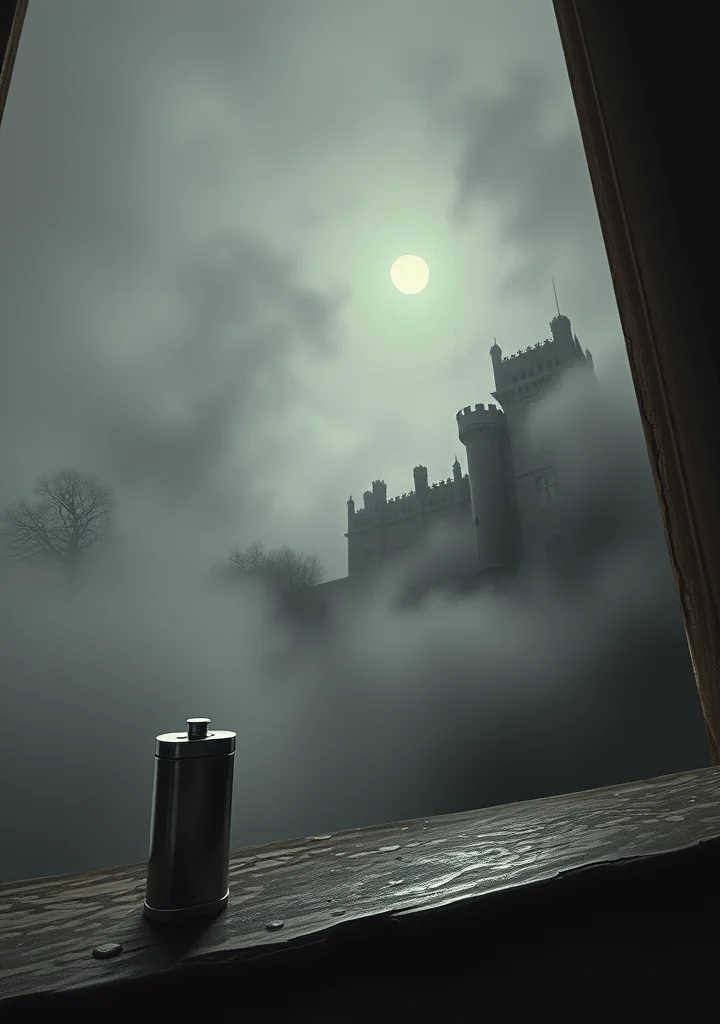
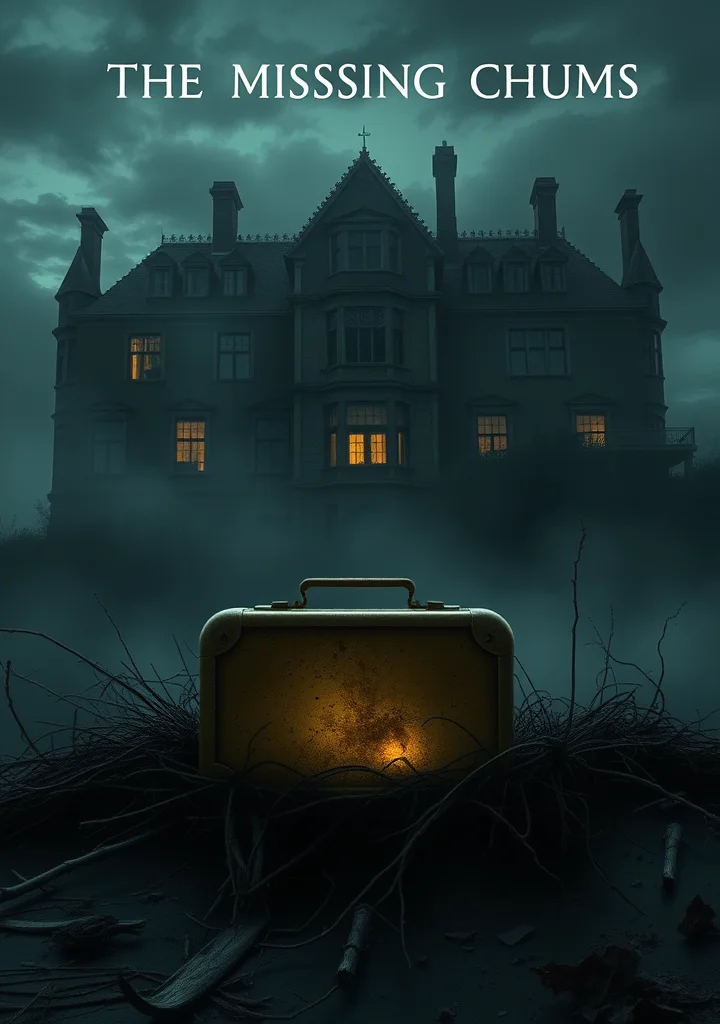
A creeping fog clings to the desolate Dartmoor, mirroring the dread that settles upon Sir Charles Baskerville’s ancestral estate. The air tastes of damp earth and ancient, unspoken fears. Shadows stretch long from the tors, twisting into the shapes of monstrous hounds—a legacy of savage deeds and a curse whispered down generations. Within Baskerville Hall, a suffocating weight of history presses down, a chill radiating not just from the stone walls, but from the very bloodline of its inhabitants. Every howl carried on the wind feels less a canine cry and more a mournful lament, echoing a darkness that preys upon the sanity of men. A suffocating sense of isolation descends with the mist, turning neighbor against neighbor, friend against friend, as the legend of the beast threatens to consume all reason. The moor itself becomes a character—a vast, unforgiving labyrinth where secrets are buried beneath peat bogs and the line between reality and nightmare dissolves into a haunting, suffocating gray. A primal terror stalks the land, born not of mere animal instinct, but of something ancient and profoundly evil, leaving a residue of madness clinging to every stone and every shadowed corner.
Copyright: Public Domain
This license allows anyone to use your story for any purpose, including printing, selling, or adapting it into a film freely.
Recommended for you
93 Part
Dust motes dance in the suffocating heat of Judea, clinging to the linen-wrapped limbs of forgotten gods and the simmering resentment of a people bound by chains both literal and ancestral. The scent of frankincense and blood hangs heavy in the air, a perfume of prophecy and despair. Wallace doesn’t offer sunlight, but a slow burn beneath the skin, a fever dream of vengeance and grace. Each chariot race is not a spectacle of skill, but a spiraling descent into madness fueled by the screams of a captive audience, the rasp of sandaled feet on scorched earth. This is a story of shadows stretched long across sun-baked stone, of whispers carried on desert winds that speak of betrayal and divine reckoning. The narrative coils like a viper in the ruins of ancient empires, its venom a relentless pursuit of justice that leaves no room for mercy. Even forgiveness is a brittle thing, cracked like the pottery shards littering the Roman roads. The weight of empire presses down, suffocating the narrative with the stench of ambition and the metallic tang of sacrifice. It’s a world where loyalty is a phantom limb, and faith a desperate gamble against the encroaching darkness. Beneath the grandeur of the arena and the clang of legionary steel, a deeper, more agonizing silence resides – the hollow echo of a life stolen, and the desperate, echoing plea for redemption amidst the ruins of a fallen world. The very stones weep with the memory of what has been lost.
11 Part
A suffocating dread clings to the stone of Otranto, a castle steeped in ancient prophecy and shadowed by generations of ambition. Within its echoing halls, the weight of a forgotten lineage presses down, manifested in the monstrous size of a helmet descending from unseen heights, crushing a son on his wedding day. The air itself is thick with superstition—portents bleed from decaying tapestries, and the very architecture seems to conspire against the living. A labyrinthine network of secret passages, crumbling vaults, and forgotten chambers breathes with the ghosts of tyrannical ancestors. The narrative unravels amidst flickering candlelight, revealing a lineage cursed by a dark inheritance—a claim to power purchased with blood and sealed by generations of unlawful deeds. The castle is not merely a structure, but a prison woven from despair. Its chambers are haunted by whispers of stolen birthrights, and the scent of decay permeates every stone. A creeping claustrophobia descends as the characters become puppets in a drama dictated by ancient scrolls and the machinations of a relentless, consuming fate. The shadows lengthen with each revelation, revealing a world where the boundaries between the living and the dead blur, and where the foundations of sanity crumble beneath the weight of ancestral sin. The narrative coils tighter, drawing the reader into a suffocating darkness where every breath is shadowed by the promise of violence and the chilling inevitability of the past returning to claim its due.
40 Part
A creeping dread permeates the provincial air of this forgotten corner of Russia. The narrative clings to the suffocating heat of summer, to the stifling interiors of decaying estates, and the feverish imaginings of a boy named Mitya. He is not merely mischievous, but possessed—a vessel for something ancient and malevolent that stirs within the stagnant pools of his family’s decline. The story unfolds through the distorted lens of a local schoolmaster, obsessed with cataloging Mitya’s every transgression, every whispered blasphemy. But it is not Mitya's actions that haunt, but the suffocating weight of his inevitability. The boy’s ‘demonism’ isn't a mere childish outburst; it's a rot blooming from the heart of the land itself. Each chapter descends further into a mire of suspicion, where the boundary between reality and hallucination dissolves in the oppressive humidity. Whispers of pagan rites, the stench of decaying flowers, and the echoing silences of abandoned churches weave a tapestry of decay. The true horror isn't the boy’s monstrous acts, but the realization that the rot is not contained within him—it’s woven into the very fabric of their lives, a slow, insidious possession of the soul. The narrative is suffocated by the scent of dust, the weight of unsaid things, and the suffocating knowledge that something terrible has been unleashed, not upon the world, but *within* it. The atmosphere is one of unbearable, creeping stagnation—a world where even sunlight feels like a suffocating weight.
25 Part
A creeping dread clings to the snow-swept moors, mirroring the chill that settles in the heart of the protagonist. Buchan’s *Midwinter* unfolds within a decaying manor house, isolated by blizzards and shadowed by ancient, malevolent histories. The narrative breathes with the icy air, each chapter a descent into fractured memory and suppressed guilt. Dust motes dance in the fractured light of dying embers, illuminating portraits of stern, unforgiving faces—ancestors who seem to watch, judge, and subtly influence the present. The estate itself is almost a character, its stone bones groaning under the weight of winter’s fury and the weight of secrets. Rooms whisper with echoes of past tragedies, the scent of damp earth and forgotten perfume clinging to velvet drapes. A pervasive sense of claustrophobia, not just physical but psychological, permeates the narrative. The protagonist is haunted by fragments of a stolen inheritance, a fractured legacy, and the specter of a betrayal that unravels with each falling snowflake. The novel doesn’t deliver grand horrors, but a suffocating atmosphere of unease—a slow, deliberate unraveling of sanity amidst a landscape that mirrors the fractured state of the soul. It’s a story steeped in the melancholic beauty of decay, where the true darkness resides not in the supernatural, but in the cold, brittle spaces within the human heart. The silence of the winter landscape is broken only by the howl of the wind, and the whispers of a past determined to claim its due.