
Manhattan Transfer
  • 314
  • 0
  • 22
  • Reads 314
  • 0
  • Part 22
Completed, First published Mar 02, 2026

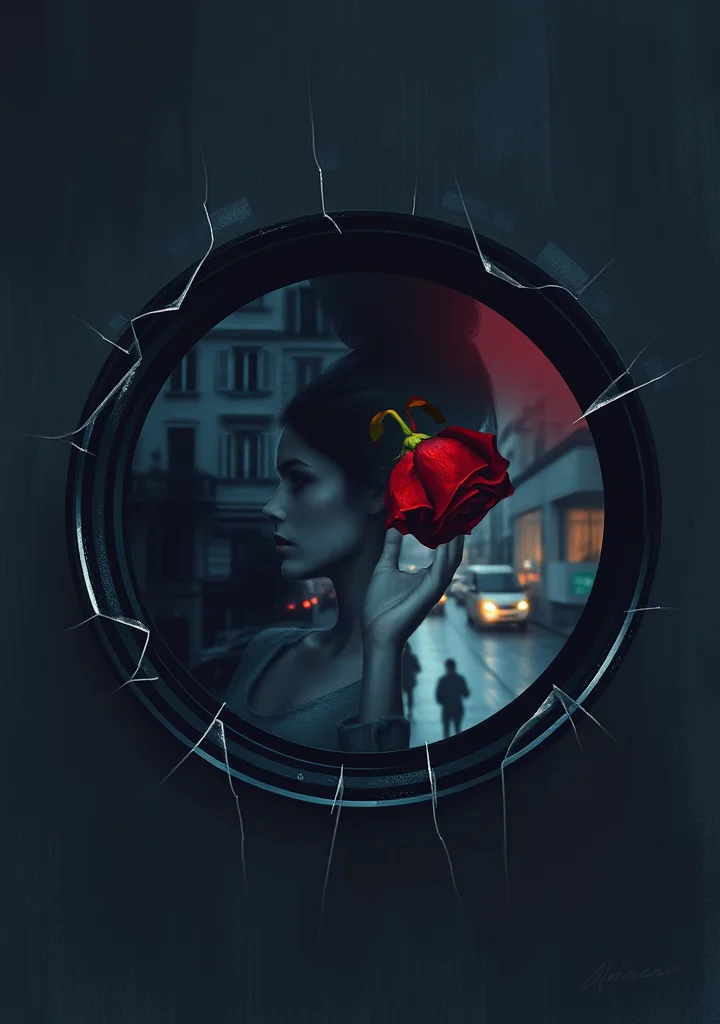
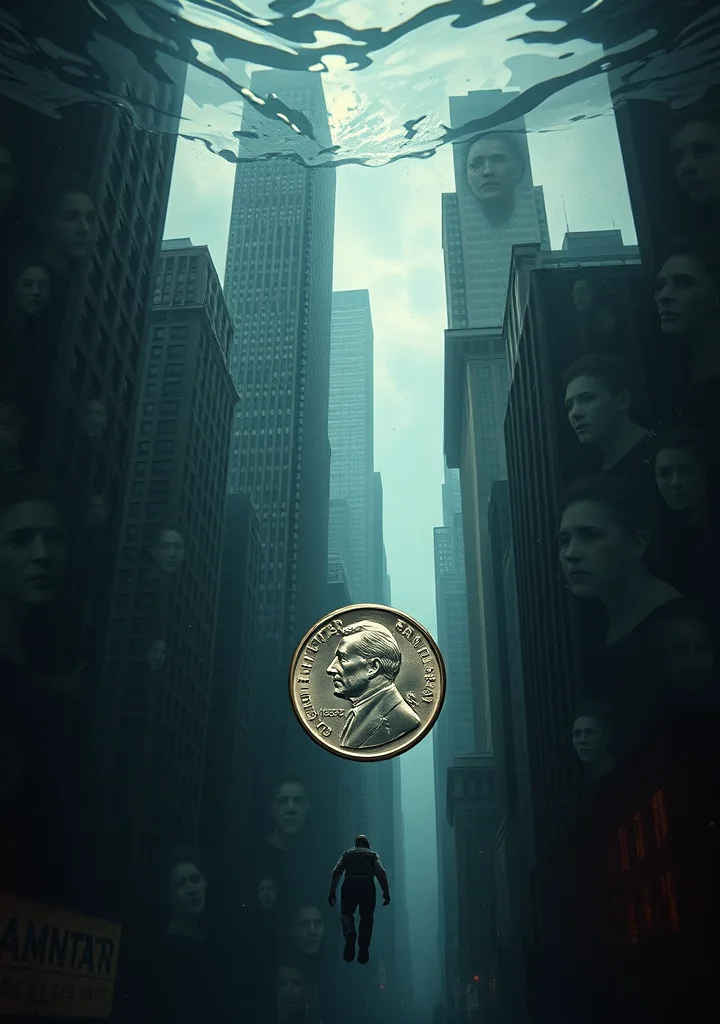
A city of fractured souls, rising and falling with the tide of ambition. Manhattan, not as stone and steel, but as a suffocating pressure, a relentless current dragging lives against their will into its shadowed depths. The narrative coils like smoke through tenements and gilded halls, a chorus of voices—lawyers, laborers, lovers, lunatics—each thread fraying, snagging on the jagged edges of a broken century. Dos Passos doesn’t offer a story *in* Manhattan, but *of* Manhattan *happening* to its inhabitants. It’s a fever dream of colliding destinies, a dizzying descent into anonymity where faces blur and promises rot. The air is thick with coal dust and regret, stained the color of fading photographs. Every success feels like a tombstone, every failure a ghost haunting the overcrowded streets. There is no central darkness, only an endless, creeping gray—a pervasive sense of being lost within a labyrinth of glass and steel, choked by the whispers of forgotten men and women. It’s the city’s hunger made visible, consuming everything in its wake, leaving only the hollowed-out husks of those who dared to reach for something more.
Copyright: Public Domain
This license allows anyone to use your story for any purpose, including printing, selling, or adapting it into a film freely.

Recommended for you
30 Part
A creeping chill clings to these pages, not of snow-bound landscapes alone, but of a loneliness that permeates the very fjords and shadowed forests. Wollstonecraft’s letters unravel a journey not merely through Scandinavian vistas, but through the fractured landscapes of a woman wrestling with grief, disillusionment, and the suffocating weight of societal expectation. The prose is steeped in a melancholic haze, mirroring the perpetual twilight of the northern realms. Each observation – a peasant’s cottage, a royal court, a desolate stretch of coastline – is rendered with a delicate, almost spectral clarity, haunted by the author’s internal turmoil. There’s a pervasive sense of isolation, amplified by the vastness of the scenery. The narrative doesn't simply *describe* Norway; it *becomes* Norway – a place where the heart, stripped bare by loss, echoes with the silence of ancient stones. A subtle dread permeates the descriptions of prisons and political unrest, hinting at a darkness beneath the veneer of civility. The letters themselves become fragments of a broken mirror, reflecting not just the author's travels, but the fractured state of her own soul, adrift in a land where the boundaries between reality and reverie blur with the long, encroaching shadows. The very air seems to whisper of forgotten tragedies, and a chilling premonition of the author's own unraveling.

10 Part
A suffocating heat clings to the Portuguese coast, mirroring the stifled ambitions and decaying grandeur within the crumbling estates. This is a land where translation is not merely linguistic, but of souls – where the very act of speaking fractures identity. The narrative unfolds through a haze of humid nights and the relentless drone of cicadas, a fever dream of miscommunication and simmering resentment. Every phrase, every misplaced comma in the titular lexicon, becomes a weapon wielded by the disenfranchised, a subtle sabotage against the colonial power that dictates their very tongues. Shadows stretch long from the whitewashed buildings, concealing not just illicit liaisons but the creeping rot of a society built on borrowed language. The air itself is thick with the scent of jasmine and desperation, laced with the metallic tang of unfulfilled desires. A claustrophobic sense of surveillance pervades, not from visible guards but from the insidious awareness that every utterance is parsed, every inflection judged. The story breathes with the slow, deliberate pace of a decaying bureaucracy, where each attempt at clarity only deepens the mire of misunderstanding. It’s a world where silence is a luxury few can afford, and where even the most ardent declarations of love are warped by the insidious demands of a foreign tongue. The novel’s unease doesn't lie in dramatic outbursts, but in the insidious erosion of meaning itself, leaving readers adrift in a sea of fractured syntax and unspoken dread.
48 Part
A creeping dread clings to the Scottish Highlands, mirroring the chill that settles over Alistair Grant as he returns to his ancestral estate. Not a homecoming, but a summons – a veiled plea from a crumbling manor steeped in generations of shadowed secrets. The air itself tastes of decay and whispered accusations, the stone walls breathing with the ghosts of those who vanished within its labyrinthine halls. Each sunrise feels less a dawn of hope and more a slow exposure of rot, revealing fissures not just in the stone, but within the very fabric of Grant’s family. The moorland stretches like a bruised landscape, mirroring the bruising of Alistair’s spirit as he unravels a legacy of ambition, betrayal, and the cold calculus of inheritance. The estate isn’t merely a place; it's a predator, drawing in those desperate to claim its fractured power. The narrative unfolds as a slow bleed of suspicion, each character a silhouette against a dying fire, their motives obscured by the encroaching fog. The narrative isn’t about what’s *seen*, but what lingers in the periphery - the scent of damp earth, the rustle of unseen wings, the weight of eyes watching from darkened windows. A sense of being watched permeates every page, a growing unease that settles like frost on the heather. It is a story of men consumed by their own histories, bound to a land that demands a reckoning for sins long buried. The Courts of the Morning aren’t merely a place of judgment, but a stage for a final, desperate act of penance – or revenge.
75 Part
Dust motes dance in perpetual twilight within the rambling, suffocating confines of the Old Curiosity Shop, a place where time itself seems to fray at the edges. The air hangs thick with the scent of decay and forgotten dreams, clinging to the warped timbers and shadowed corners. A suffocating weight of secrets presses down, mirroring the burden carried by little Nell, a fragile bloom wilting under the gaze of avarice. The shop’s labyrinthine depths swallow light, revealing glimpses of grotesque relics—grimacing masks, tarnished silver, and the hollow eyes of forgotten dolls—each a silent witness to generations of loss. A creeping dread seeps from the very stones, fueled by the malevolent presence of Quilp, a creature born of spite and fueled by cruelty. The narrative unfolds not as a journey, but as a descent, spiraling deeper into a labyrinth of shadowed alleys and decaying grandeur. London itself breathes with a feverish pulse, a city of echoing footfalls and whispered conspiracies. Every encounter is veiled in ambiguity, every kindness shadowed by the looming threat of betrayal. The oppressive atmosphere is less a setting, and more a character—a suffocating entity that threatens to consume Nell and all she holds dear within its suffocating embrace. The antique objects are not merely curiosities, but fragments of fractured souls, each holding a piece of the shop’s decaying history. It is a world where innocence is a fragile currency, and darkness preys on the edges of hope.