
-
Read 435
-
0
-
Part 24
Completed, First published Mar 02, 2026
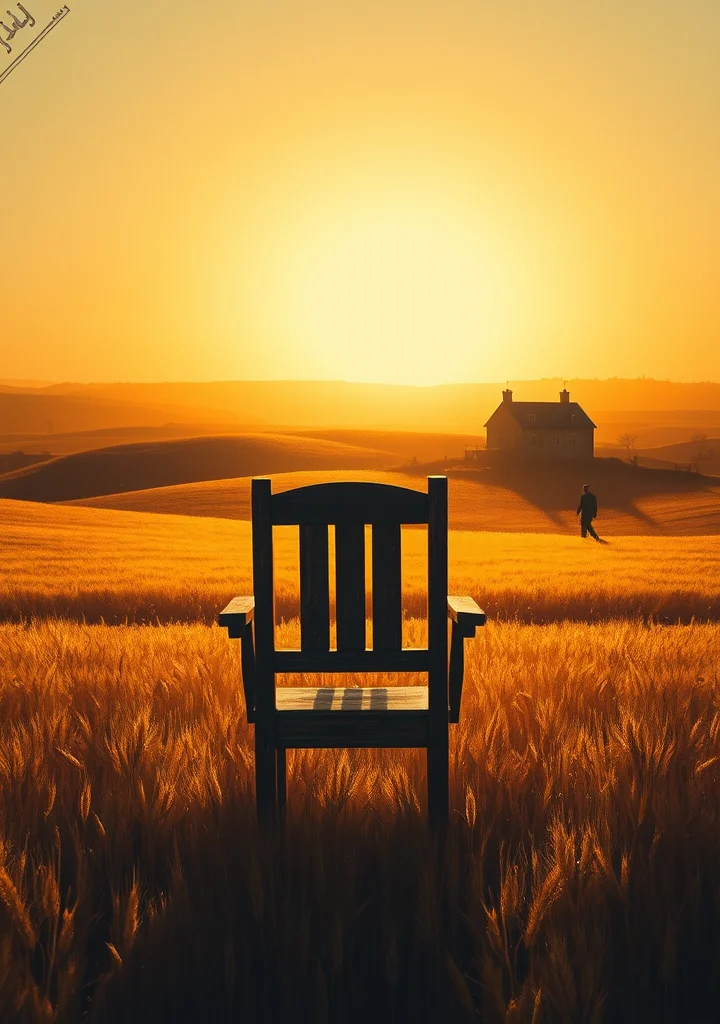
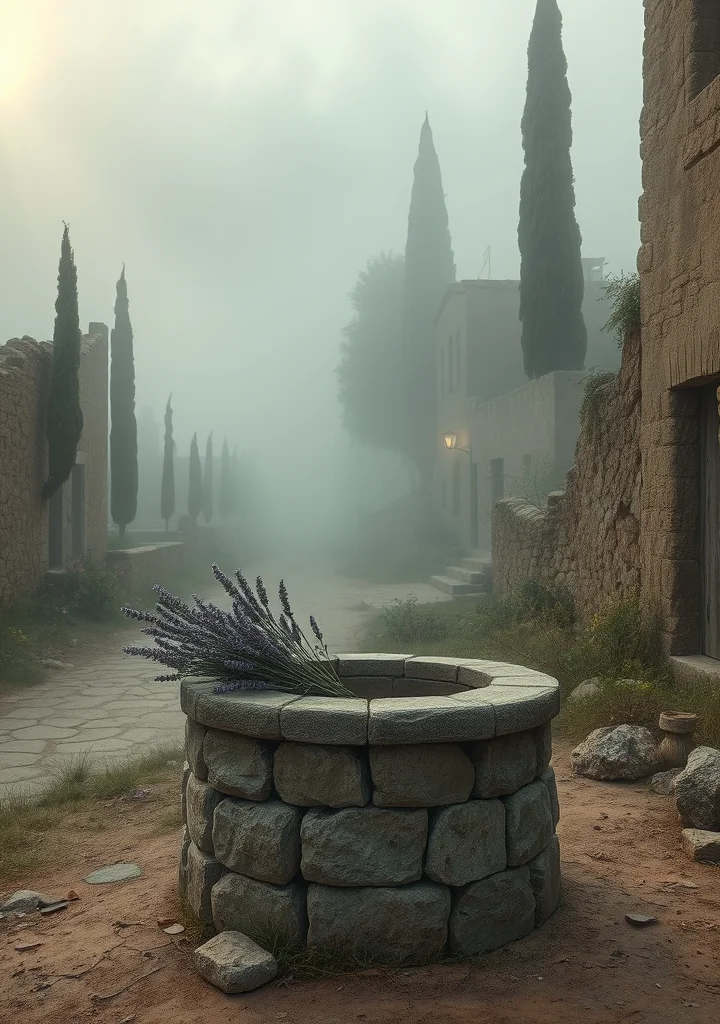
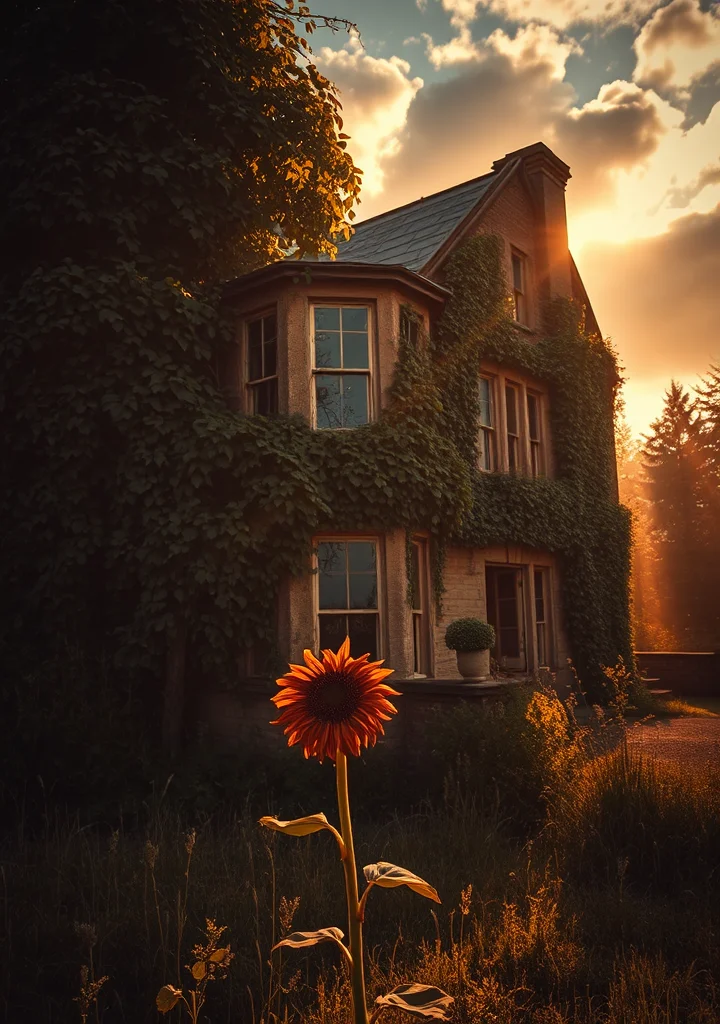
The last days drift in on a haze of gin and regret, a pastoral decay clinging to the bones of England. Every conversation is a post-mortem on a vanished world, each character a ghost haunting the crumbling manor houses and damp, forgotten lanes. It’s a slow unraveling, not of bombs or revolutions, but of the spirit itself. The air hangs thick with a melancholic stillness, a sense of things already having been lost before they were even noticed. Sun-drenched fields become arenas for petty, poisonous games, while the shadows lengthen with each passing hour, revealing the brittle foundations of privilege and faith. A creeping cynicism permeates every exchange, a dry rot eating at the heart of the countryside. There’s a scent of dying roses and damp wool, a suffocating beauty that clings to the rot like ivy. The novel breathes with a claustrophobic intimacy, the characters trapped not by bars, but by the suffocating weight of their own ennui, their own complicity in a quiet, suffocating end. It’s a world where the only drama is the exquisite boredom of those who have nothing left to believe in, and the only escape is a deeper descent into the fog of habit and despair. The sun sets not on a tragedy, but on a sigh.
Copyright: Public Domain
This license allows anyone to use your story for any purpose, including printing, selling, or adapting it into a film freely.
This license allows anyone to use your story for any purpose, including printing, selling, or adapting it into a film freely.
More like this