
-
Read 306
-
0
-
Part 16
Completed, First published Mar 02, 2026
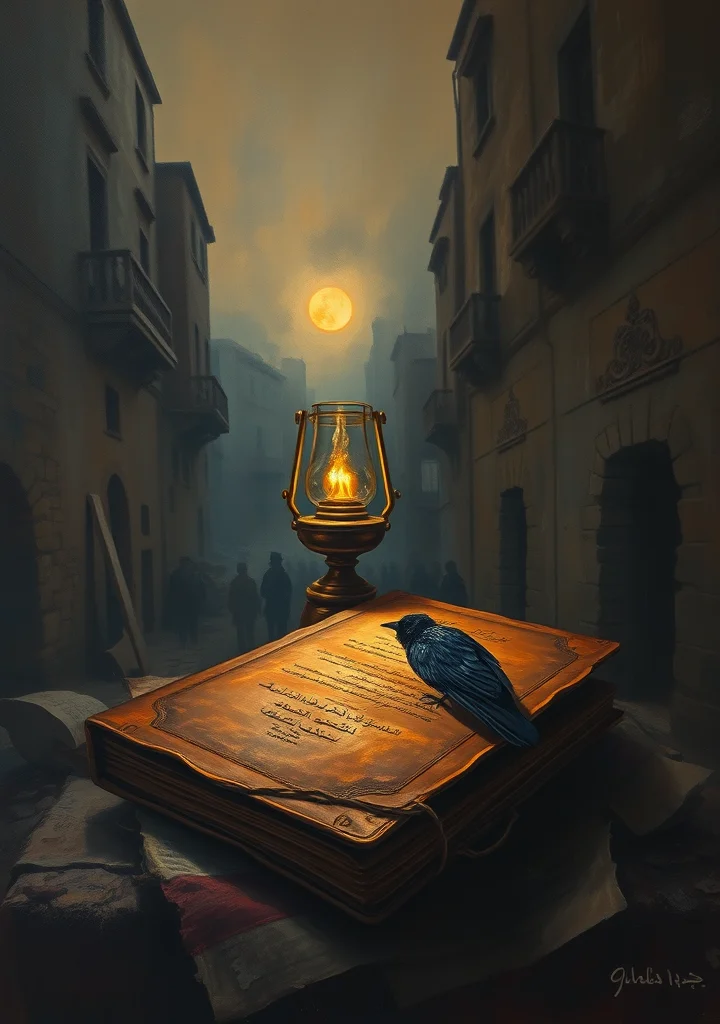
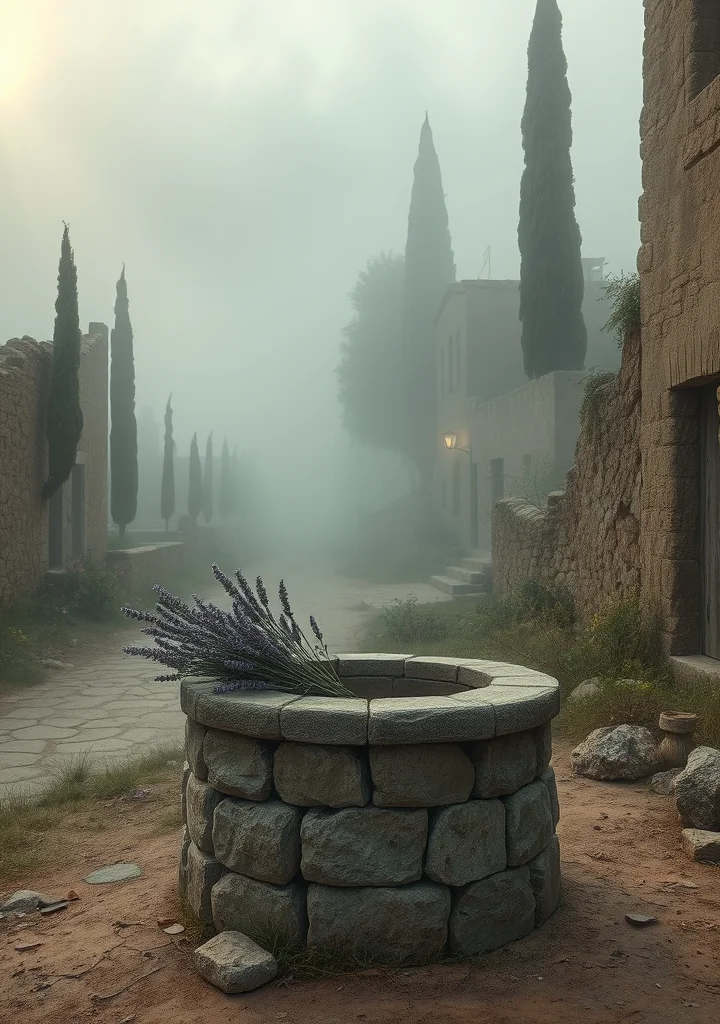
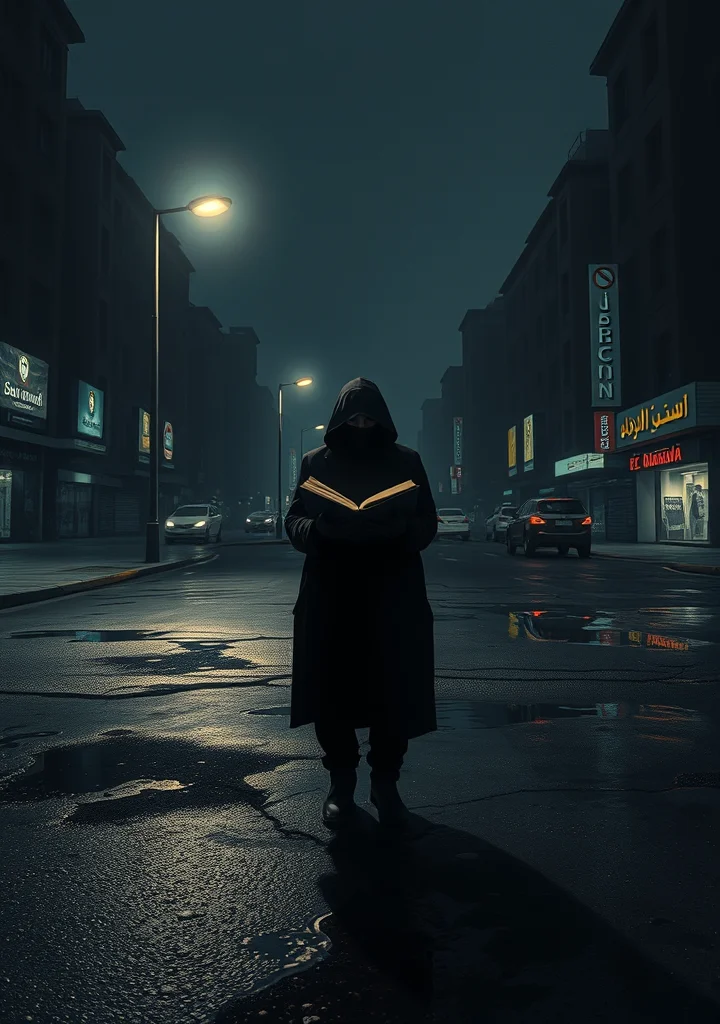
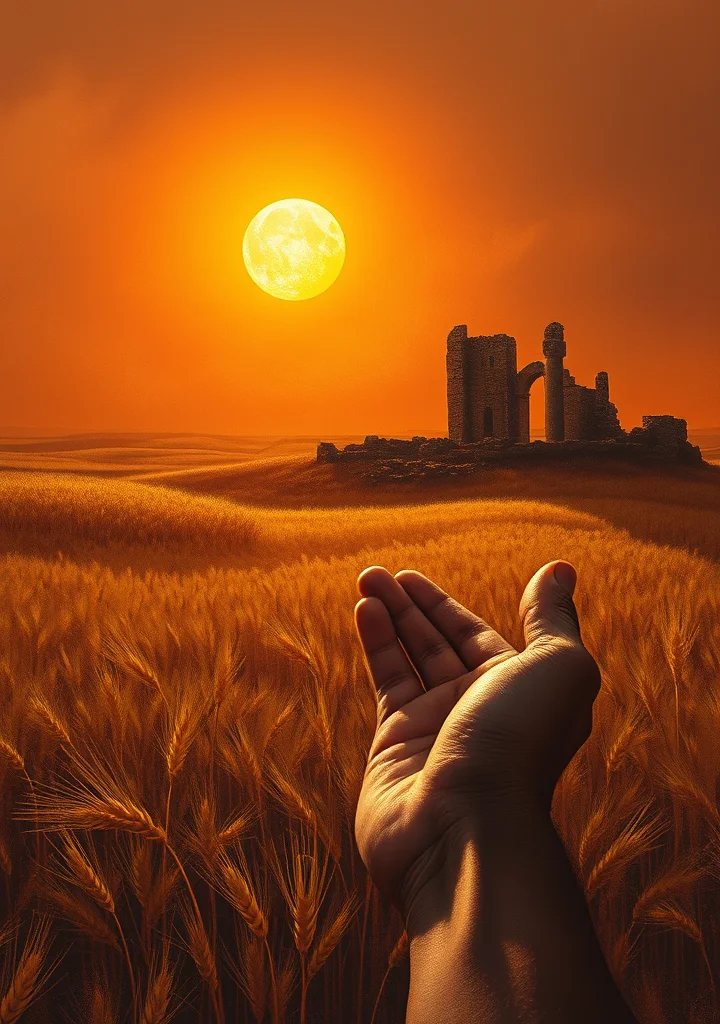
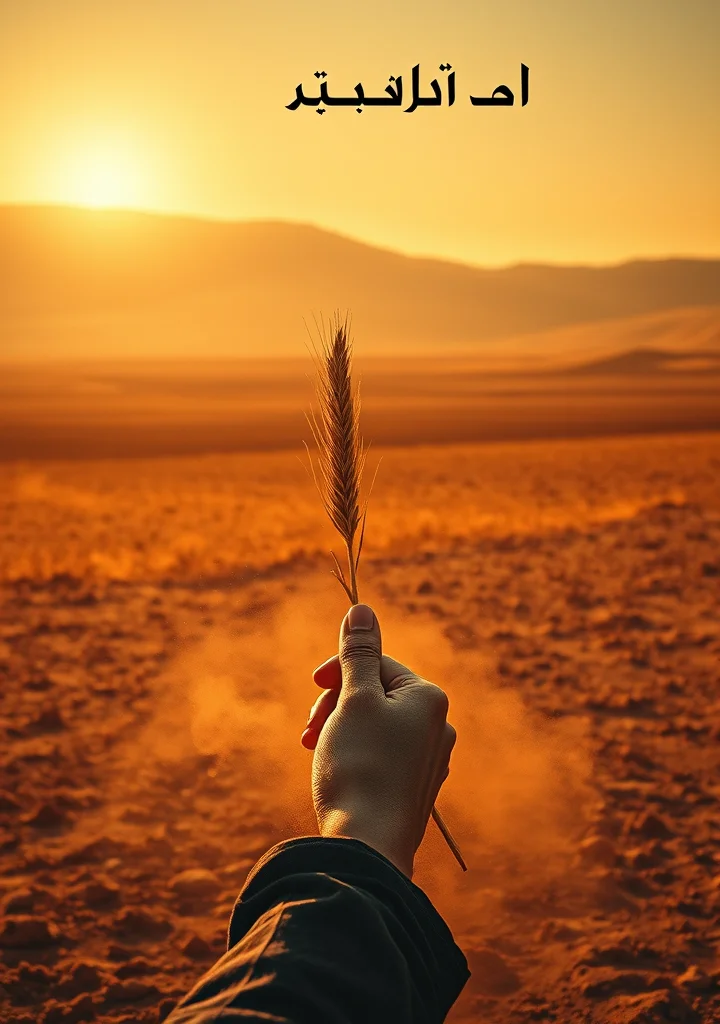
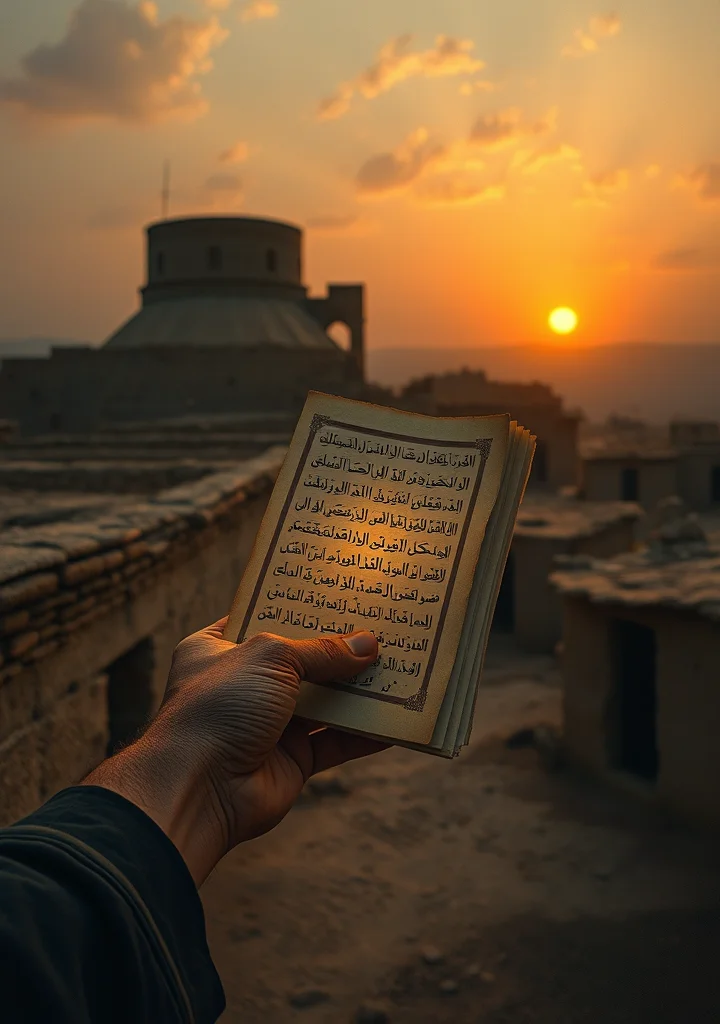
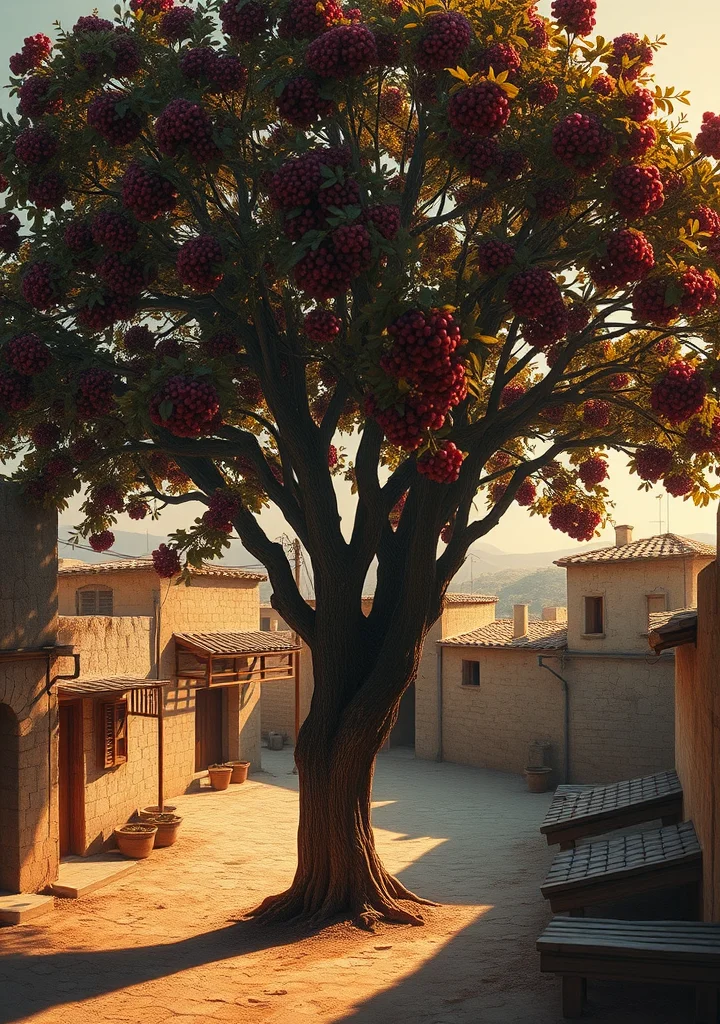
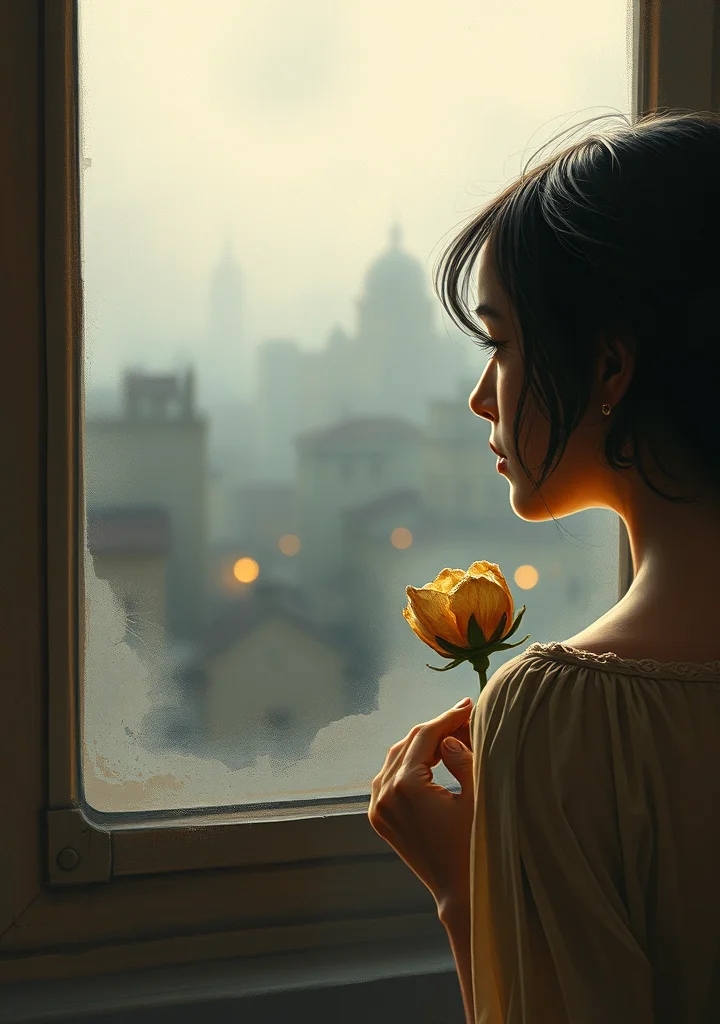
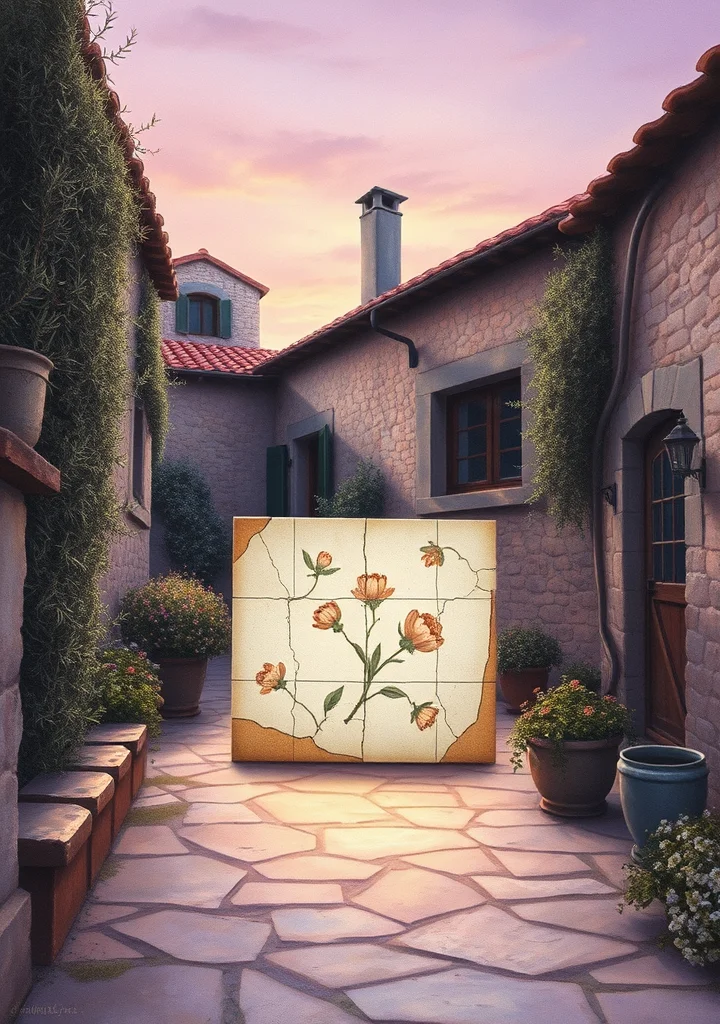
Dust motes dance in the lavender-soaked Provençal light, clinging to the stone walls of a forgotten farmhouse. The air hangs thick with cicada song and the scent of rosemary, masking a deeper, older grief. Mirèio isn’t merely a tale of a young woman’s love, but a slow bleed of sun-baked earth and fractured faith. She moves through the narrative like a wraith amongst olive groves, a fragile bloom destined to wither before its petals fully unfurl. The landscape itself becomes a character, oppressive and beautiful in equal measure—the dry hills echoing with the hollow ache of unfulfilled desires. A melancholic weight settles on every page, a suffocating stillness broken only by the distant toll of bells and the rustle of wind through the cypress trees. This is a story steeped in the golden rot of memory, where the boundaries between life and death blur with the heat haze shimmering over the fields. It’s a world where the sun scorches away hope as readily as it ripens the harvest, leaving only the stark beauty of enduring sorrow. The narrative unfolds not as a linear path, but as a winding lane through a graveyard of lost summers, haunted by whispers of what might have been. Even in its tenderness, there’s a creeping sense of decay, a premonition of shadows lengthening across the sun-drenched stone.
Copyright: Public Domain
This license allows anyone to use your story for any purpose, including printing, selling, or adapting it into a film freely.
This license allows anyone to use your story for any purpose, including printing, selling, or adapting it into a film freely.
More like this