
-
Read 1.9K
-
0
-
Part 188
Completed, First published Mar 02, 2026
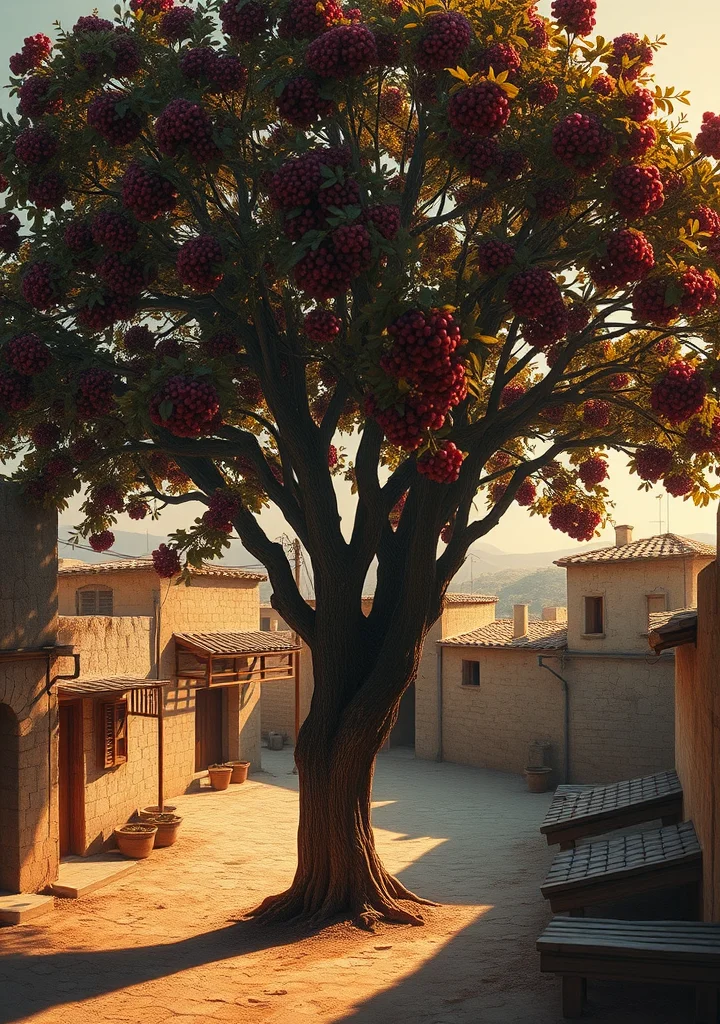
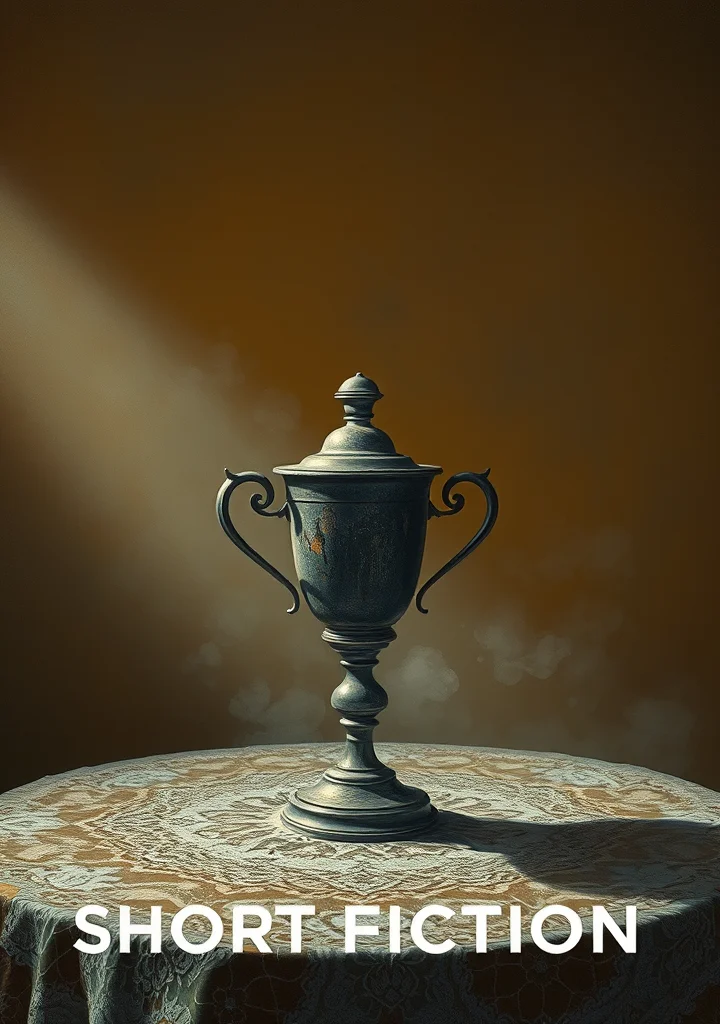
Dust motes dance in the perpetual twilight of provincial Russia, clinging to the chipped plaster of forgotten dachas and the frayed edges of lives lived in quiet desperation. Kuprin’s stories are not grand tragedies, but slivers of glass embedded in the flesh of the mundane. Each narrative exhales the scent of damp earth and decaying samovars, a melancholic perfume clinging to the skirts of women with vacant eyes and men whose hands bear the weight of unfulfilled ambition.
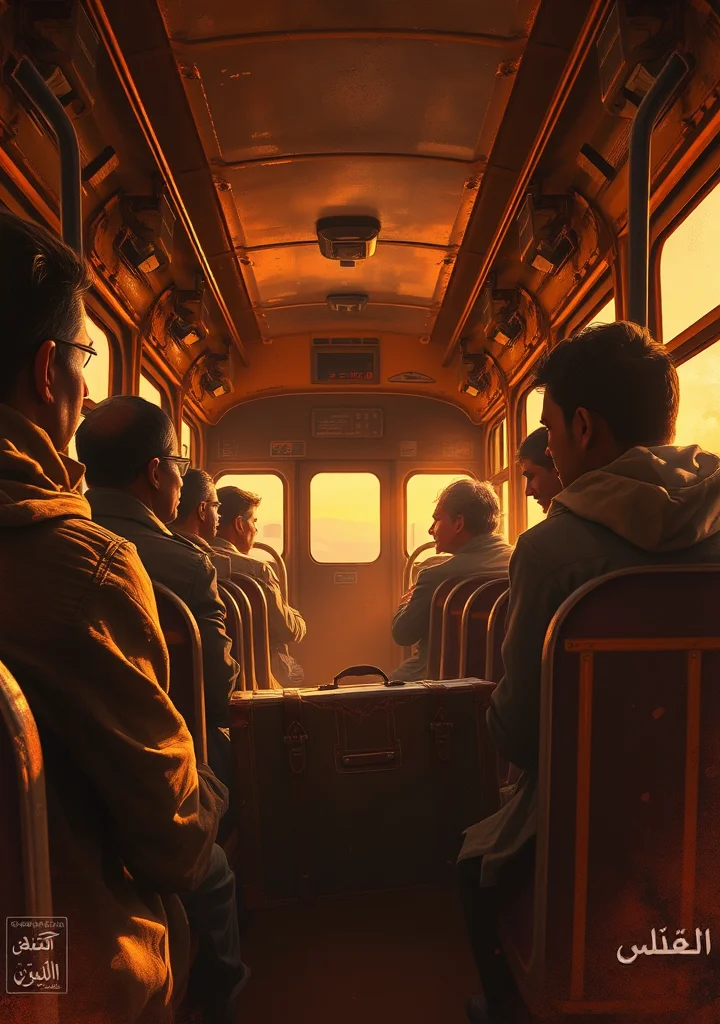
These are tales whispered in dimly lit taverns, stories of clerks drowning in their own boredom, of factory girls with bruised hopes, of soldiers returning home haunted by shadows no bayonet can kill. The air is thick with the unspoken, with the weight of societal expectations that suffocate and crumble the spirit. A creeping sense of rot pervades each vignette – not of spectacular collapse, but of slow, insidious decay.
The narrative voice is a spectral presence, drifting through snow-covered yards and peeling wallpaper. It doesn’t judge, doesn’t condemn, but simply *observes* the quiet unraveling of lives, the subtle fracturing of faith. There’s a stillness to these scenes, a breath held too long, mirroring the stifled lives of those caught within the amber of their own, inescapable realities. A profound loneliness permeates every page, a cold wind whistling through the skeletal branches of a dying orchard.
Copyright: Public Domain
This license allows anyone to use your story for any purpose, including printing, selling, or adapting it into a film freely.
This license allows anyone to use your story for any purpose, including printing, selling, or adapting it into a film freely.
Chapter List
-
« Short Fiction »📖 Continue Reading
-
« Foreword »
-
« The River of Life »
-
« I »
-
« II »
-
« III »
-
« IV »
-
« Captain Ribnikov »
-
« I »
-
« II »
-
« III »
-
« IV »
-
« V »
-
« VI »
-
« VII »
-
« The Outrage »
-
« The Witch »
-
« I »
-
« II »
-
« III »
-
« IV »
-
« V »
-
« VI »
-
« VII »
-
« VIII »
-
« IX »
-
« X »
-
« XI »
-
« XII »
-
« XIII »
-
« XIV »
-
« A Slav Soul »
-
« The Song and the Dance »
-
« Easter Day »
-
« The Idiot »
-
« The Picture »
-
« I »
-
« II »
-
« III »
-
« IV »
-
« V »
-
« VI »
-
« VII »
-
« VIII »
-
« IX »
-
« X »
-
« XI »
-
« Hamlet »
-
« I »
-
« II »
-
« III »
-
« IV »
-
« V »
-
« VI »
-
« VII »
-
« VIII »
-
« Mechanical Justice »
-
« The Last Word »
-
« The White Poodle »
-
« I »
-
« II »
-
« III »
-
« IV »
-
« V »
-
« VI »
-
« The Elephant »
-
« I »
-
« II »
-
« III »
-
« IV »
-
« V »
-
« VI »
-
« Dogs’ Happiness »
-
« A Clump of Lilacs »
-
« Tempting Providence »
-
« Cain »
-
« The Bracelet of Garnets »
-
« I »
-
« II »
-
« III »
-
« IV »
-
« V »
-
« VI »
-
« VII »
-
« VIII »
-
« IX »
-
« X »
-
« XI »
-
« XII »
-
« XIII »
-
« The Horse-Thieves »
-
« I »
-
« II »
-
« III »
-
« IV »
-
« V »
-
« Anathema »
-
« The Laestrygonians »
-
« I »
-
« II »
-
« III »
-
« IV »
-
« V »
-
« VI »
-
« VII »
-
« I »
-
« II »
-
« III »
-
« IV »
-
« V »
-
« VI »
-
« VII »
-
« The Park of Kings »
-
« An Evening Guest »
-
« A Legend »
-
« Demir-Kayá »
-
« The Garden of the Holy Virgin »
-
« Sasha »
-
« I »
-
« II »
-
« III »
-
« IV »
-
« V »
-
« VI »
-
« VII »
-
« VIII »
-
« A Sentimental Romance »
-
« The Army Ensign »
-
« Prologue »
-
« I »
-
« Autumn Flowers »
-
« I »
-
« I »
-
« II »
-
« III »
-
« IV »
-
« V »
-
« VI »
-
« Happiness »
-
« How I Became an Actor »
-
« I »
-
« II »
-
« III »
-
« IV »
-
« V »
-
« VI »
-
« VII »
-
« VIII »
-
« IX »
-
« X »
-
« XI »
-
« XII »
-
« XIII »
-
« “Allez!” »
-
« Black Fog »
-
« The Murderer »
-
« Measles »
-
« I »
-
« II »
-
« III »
-
« IV »
-
« The Jewess »
-
« Le Coq d’Or »
-
« I »
-
« I »
-
« II »
-
« III »
-
« IV »
-
« V »
-
« VI »
-
« VII »
-
« VIII »
-
« IX »
-
« X »
-
« XI »
-
« XII »
-
« The Piebald Horses »
-
« The Little Red Christmas Tree »
-
« Monte Carlo »
-
« Roach Hole »
-
« The Disciple »
-
« I »
-
« II »
-
« III »
-
« IV »
-
« The Old City of Marseilles »
-
« I »
-
« II »
188
-
« Short Fiction »
-
« Foreword »
-
« The River of Life »
-
« I »
-
« II »
-
« III »
-
« IV »
-
« Captain Ribnikov »
-
« I »
-
« II »
-
« III »
-
« IV »
-
« V »
-
« VI »
-
« VII »
-
« The Outrage »
-
« The Witch »
-
« I »
-
« II »
-
« III »
-
« IV »
-
« V »
-
« VI »
-
« VII »
-
« VIII »
-
« IX »
-
« X »
-
« XI »
-
« XII »
-
« XIII »
-
« XIV »
-
« A Slav Soul »
-
« The Song and the Dance »
-
« Easter Day »
-
« The Idiot »
-
« The Picture »
-
« I »
-
« II »
-
« III »
-
« IV »
-
« V »
-
« VI »
-
« VII »
-
« VIII »
-
« IX »
-
« X »
-
« XI »
-
« Hamlet »
-
« I »
-
« II »
-
« III »
-
« IV »
-
« V »
-
« VI »
-
« VII »
-
« VIII »
-
« Mechanical Justice »
-
« The Last Word »
-
« The White Poodle »
-
« I »
-
« II »
-
« III »
-
« IV »
-
« V »
-
« VI »
-
« The Elephant »
-
« I »
-
« II »
-
« III »
-
« IV »
-
« V »
-
« VI »
-
« Dogs’ Happiness »
-
« A Clump of Lilacs »
-
« Tempting Providence »
-
« Cain »
-
« The Bracelet of Garnets »
-
« I »
-
« II »
-
« III »
-
« IV »
-
« V »
-
« VI »
-
« VII »
-
« VIII »
-
« IX »
-
« X »
-
« XI »
-
« XII »
-
« XIII »
-
« The Horse-Thieves »
-
« I »
-
« II »
-
« III »
-
« IV »
-
« V »
-
« Anathema »
-
« The Laestrygonians »
-
« I »
-
« II »
-
« III »
-
« IV »
-
« V »
-
« VI »
-
« VII »
-
« I »
-
« II »
-
« III »
-
« IV »
-
« V »
-
« VI »
-
« VII »
-
« The Park of Kings »
-
« An Evening Guest »
-
« A Legend »
-
« Demir-Kayá »
-
« The Garden of the Holy Virgin »
-
« Sasha »
-
« I »
-
« II »
-
« III »
-
« IV »
-
« V »
-
« VI »
-
« VII »
-
« VIII »
-
« A Sentimental Romance »
-
« The Army Ensign »
-
« Prologue »
-
« I »
-
« Autumn Flowers »
-
« I »
-
« I »
-
« II »
-
« III »
-
« IV »
-
« V »
-
« VI »
-
« Happiness »
-
« How I Became an Actor »
-
« I »
-
« II »
-
« III »
-
« IV »
-
« V »
-
« VI »
-
« VII »
-
« VIII »
-
« IX »
-
« X »
-
« XI »
-
« XII »
-
« XIII »
-
« “Allez!” »
-
« Black Fog »
-
« The Murderer »
-
« Measles »
-
« I »
-
« II »
-
« III »
-
« IV »
-
« The Jewess »
-
« Le Coq d’Or »
-
« I »
-
« I »
-
« II »
-
« III »
-
« IV »
-
« V »
-
« VI »
-
« VII »
-
« VIII »
-
« IX »
-
« X »
-
« XI »
-
« XII »
-
« The Piebald Horses »
-
« The Little Red Christmas Tree »
-
« Monte Carlo »
-
« Roach Hole »
-
« The Disciple »
-
« I »
-
« II »
-
« III »
-
« IV »
-
« The Old City of Marseilles »
-
« I »
-
« II »
More like this